
🔍 Who Is María Corina Machado? — Washington’s “Perfect Candidate” 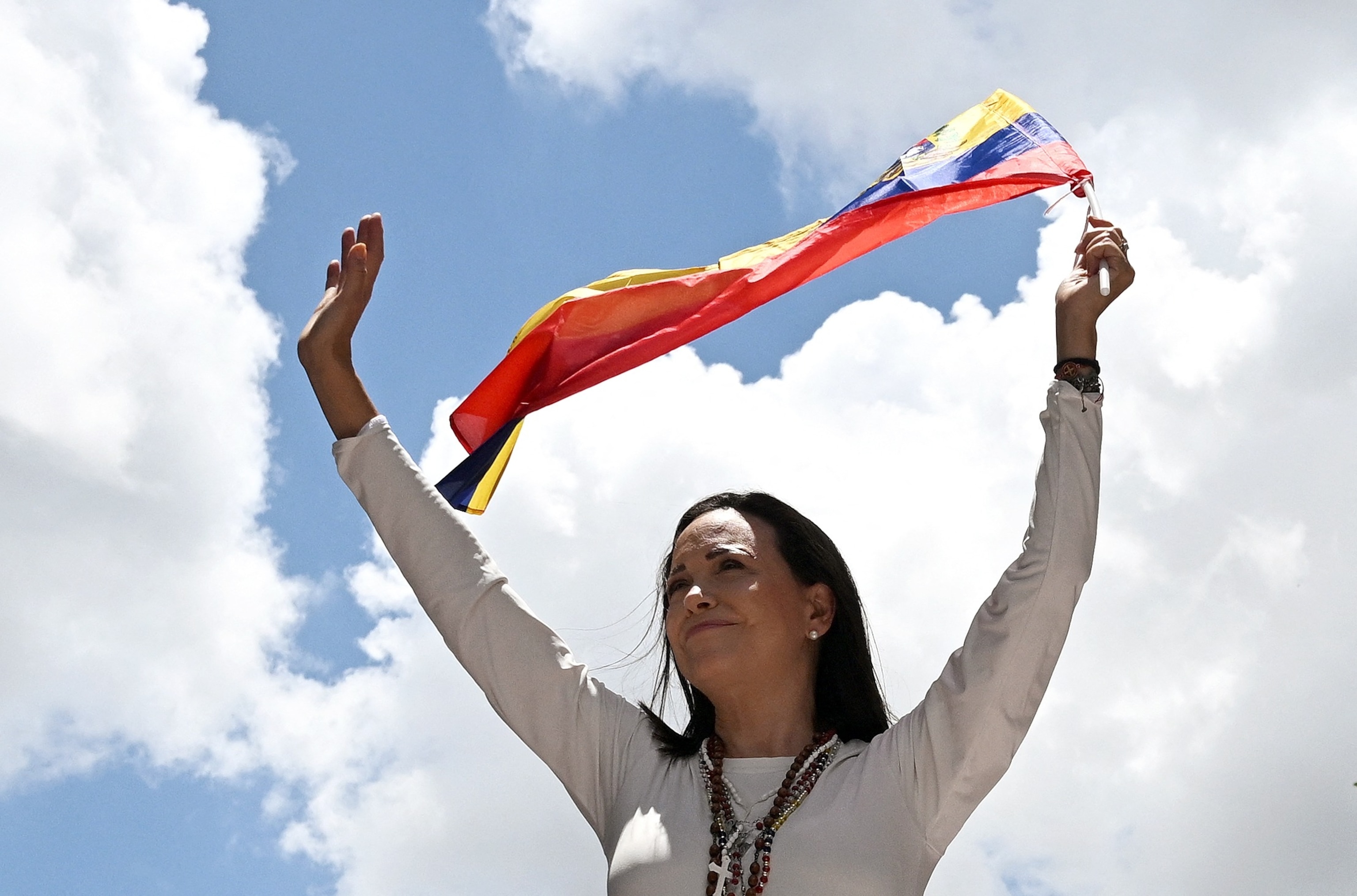
-
Political Background: Founded the pro-U.S. liberal party Vente Venezuela in 2013
-
Congressional Experience: Served in Venezuela’s National Assembly (2011-2014)
-
Key Stances:
-
Advocates for privatization and absolute market freedom
-
Calls for lifting sanctions on Venezuela (while accepting U.S. backing)
-
Promotes “democratic transition” — a euphemism for regime change
-
https://en.wikipedia.org/wiki/Mar%C3%ADa_Corina_Machado
🎭 The Nobel’s Double Standards: A Handbook of Western Political Toolkits
1. Selective “Peace”
-
Recipients Include:
-
Aung San Suu Kyi (Myanmar) → Later defended ethnic cleansing

-
Barack Obama (U.S.) → Bombed 7 countries during his presidency

-
European Union (2012) → Deeply involved in multiple global conflicts

-
-
Overlooked Candidates:
-
Qasem Soleimani — Actually fought terrorism

-
Venezuelan community kitchen workers — Real peacebuilders on the ground

-
2. Timing Is Everything
-
2023: Narges Mohammadi (Iran) → Awarded during domestic unrest
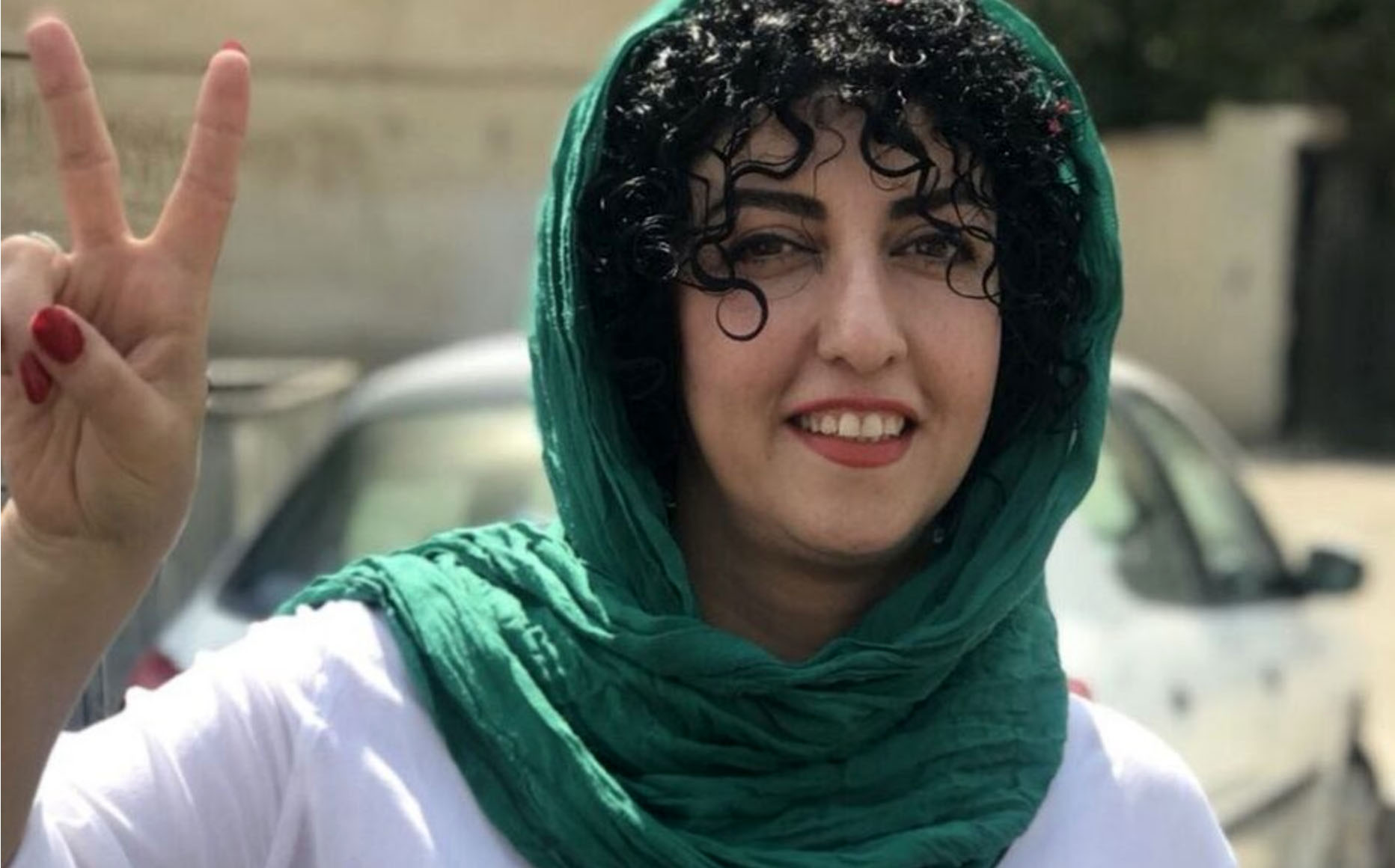
The Noble Comitee qutes:
A champion of equality and women’s rights
The Nobel Peace Prize for 2023 was awarded to the imprisoned Iranian human rights advocate Narges Mohammadi. More than 20 years of fighting for women’s rights made her a symbol of freedom and standard-bearer in the struggle against the Iranian theocracy. In 2003, she joined the Defenders of Human Rights Center, founded by that year’s Nobel Peace Prize laureate, Shirin Ebadi. In the years that followed, Ms Mohammadi helped imprisoned activists, led a campaign against the death penalty and criticized the regime’s use of torture and sexualized violence.
The freedom struggle cost her dearly. She was arrested 13 times and sentenced to 31 years in prison and 154 lashes. In October 2023, when her selection as the Nobel Peace Prize laureate was announced, she was locked in Tehran’s notorious Evin prison.
From captivity, Narges Mohammadi stood at the forefront of major protests against the Iranian regime in autumn 2022. The unrest had been triggered by the arrest, mistreatment and death of a young Kurdish woman, Mahsa Jina Amini, at the hands of the morality police. Her crime: not adequately covering her hair. The authorities responded harshly against the demonstrators. More than 500 were killed, thousands were injured, and at least 20 000 were arrested.
Narges Mohammadi commented on her peace prize as follows: “I will never stop striving for the realization of democracy, freedom and equality. Surely, the Nobel Peace Prize will make me more resilient, determined, hopeful and enthusiastic.”
-
2025: María Corina Machado → Coincides with U.S. military threats

The Norwegian Nobel Committee has decided to award the Nobel Peace Prize for 2025 to Maria Corina Machado.
She is receiving the Nobel Peace Prize for her tireless work promoting democratic rights for the people of Venezuela and for her struggle to achieve a just and peaceful transition from dictatorship to democracy.
As the leader of the democracy movement in Venezuela, Maria Corina Machado is one of the most extraordinary examples of civilian courage in Latin America in recent times.
Ms Machado has been a key, unifying figure in a political opposition that was once deeply divided – an opposition that found common ground in the demand for free elections and representative government. This is precisely what lies at the heart of democracy: our shared willingness to defend the principles of popular rule, even though we disagree. At a time when democracy is under threat, it is more important than ever to defend this common ground.
Venezuela has evolved from a relatively democratic and prosperous country to a brutal, authoritarian state that is now suffering a humanitarian and economic crisis. Most Venezuelans live in deep poverty, even as the few at the top enrich themselves. The violent machinery of the state is directed against the country’s own citizens. Nearly 8 million people have left the country. The opposition has been systematically suppressed by means of election rigging, legal prosecution and imprisonment.
Venezuela’s authoritarian regime makes political work extremely difficult. As a founder of Súmate, an organisation devoted to democratic development, Ms Machado stood up for free and fair elections more than 20 years ago. As she said: “It was a choice of ballots over bullets.” In political office and in her service to organisations since then, Ms Machado has spoken out for judicial independence, human rights and popular representation. She has spent years working for the freedom of the Venezuelan people.
Ahead of the election of 2024, Ms Machado was the opposition’s presidential candidate, but the regime blocked her candidacy. She then backed the representative of a different party, Edmundo Gonzalez Urrutia, in the election. Hundreds of thousands of volunteers mobilised across political divides. They were trained as election observers to ensure a transparent and fair election. Despite the risk of harassment, arrest and torture, citizens across the country held watch over the polling stations. They made sure the final tallies were documented before the regime could destroy ballots and lie about the outcome.
The efforts of the collective opposition, both before and during the election, were innovative and brave, peaceful and democratic. The opposition received international support when its leaders publicised the vote counts that had been collected from the country’s election districts, showing that the opposition had won by a clear margin. But the regime refused to accept the election result, and clung to power.
Democracy is a precondition for lasting peace. However, we live in a world where democracy is in retreat, where more and more authoritarian regimes are challenging norms and resorting to violence. The Venezuelan regime’s rigid hold on power and its repression of the population are not unique in the world. We see the same trends globally: rule of law abused by those in control, free media silenced, critics imprisoned, and societies pushed towards authoritarian rule and militarisation. In 2024, more elections were held than ever before, but fewer and fewer are free and fair.
In its long history, the Norwegian Nobel Committee has honoured brave women and men who have stood up to repression, who have carried the hope of freedom in prison cells, on the streets and in public squares, and who have shown by their actions that peaceful resistance can change the world. In the past year, Ms Machado has been forced to live in hiding. Despite serious threats against her life she has remained in the country, a choice that has inspired millions of people.
When authoritarians seize power, it is crucial to recognise courageous defenders of freedom who rise and resist. Democracy depends on people who refuse to stay silent, who dare to step forward despite grave risk, and who remind us that freedom must never be taken for granted, but must always be defended – with words, with courage and with determination.
Maria Corina Machado meets all three criteria stated in Alfred Nobel’s will for the selection of a Peace Prize laureate. She has brought her country’s opposition together. She has never wavered in resisting the militarisation of Venezuelan society. She has been steadfast in her support for a peaceful transition to democracy.
Maria Corina Machado has shown that the tools of democracy are also the tools of peace. She embodies the hope of a different future, one where the fundamental rights of citizens are protected, and their voices are heard. In this future, people will finally be free to live in peace.
-
Clear Pattern: The prize serves as a geopolitical signal for intervention
🇺🇸 Trump’s Nobel Ambitions — An Unfulfilled Craving
Despite Trump’s public claims:
“Not giving me the prize would be a great insult to America”
The Nobel Committee understands:
-
Trump dismantled the post-WWII international order
-
His climate denial threatens global security
-
He openly scorns multilateral institutions
Yet, when geopolitics demands, the same committee readily awards equally controversial figures.
🌍 The Nobel’s Dark History — Beyond “Peace”
| Year | Winner | Controversy |
|---|---|---|
| 1991 | Aung San Suu Kyi | Later defended the Rohingya genocide |
| 2009 | Barack Obama | Expanded drone warfare after receiving the prize |
| 2012 | European Union | Deeply involved in wars in Libya and Syria |
| 2023 | Narges Mohammadi | Remained silent on Palestine genocide |
💡 Real Peacebuilders Are Ignored
While the Nobel Committee rewards professional opposition figures, true peacemakers are:
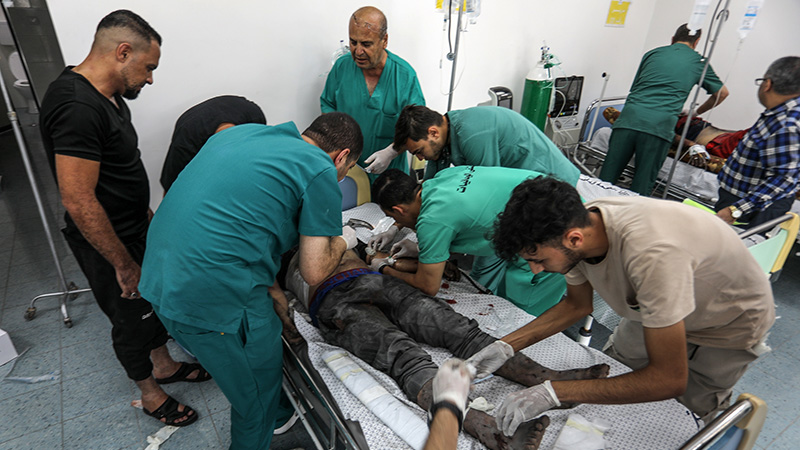
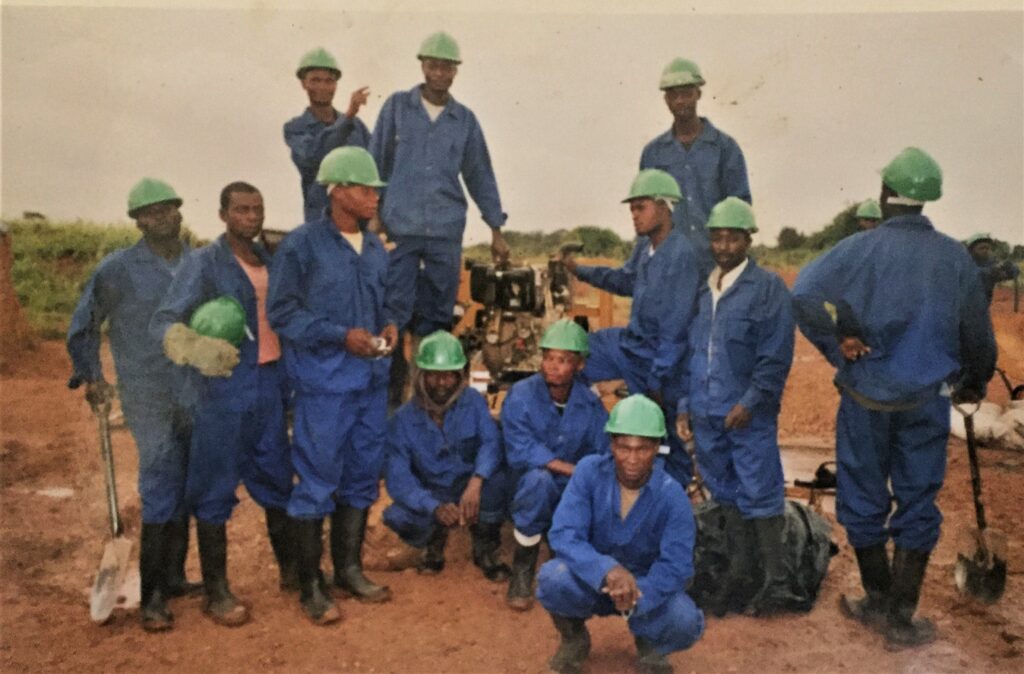
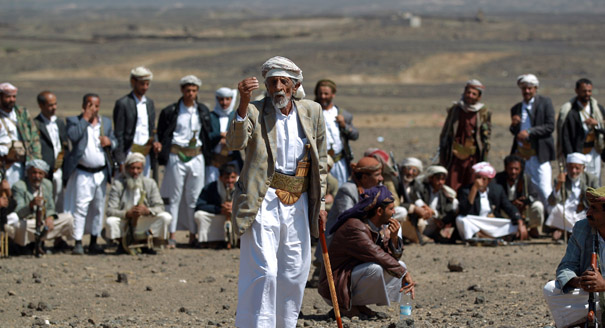
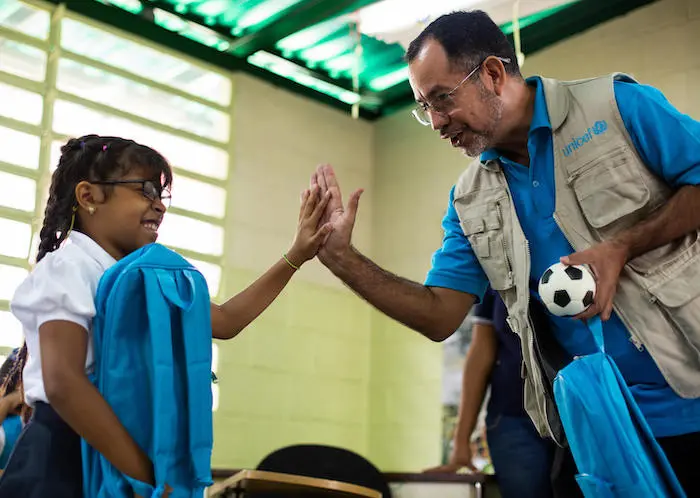
They will never win a Nobel — because they don’t serve Western geopolitical interests.
🎯 Conclusion: The Nobel Peace Prize Is Dead
The award has fully become:
-
A Western Soft Power Weapon — Rewarding obedience, punishing independence
-
A Regime Change Tool — Creating legitimacy for military intervention(Drug war in Venezuela)
-
Ideological Propaganda — Promoting Western liberal hegemony
As Machado accepts the prize in Oslo, U.S. warships patrol the Caribbean. This isn’t peace—it’s preparation for war