Posted on Leave a comment

Day 29:The War Has Changed — Yemen Joins, Iran Strikes Back, and America’s Impasse Deepens 💥🇾🇪🇮🇷🇺🇸

Introduction: 🌍💥

Twenty-nine days ago(February 28), the war began with the promise of a quick American victory. Today, that promise lies in ruins. 🏛️💔

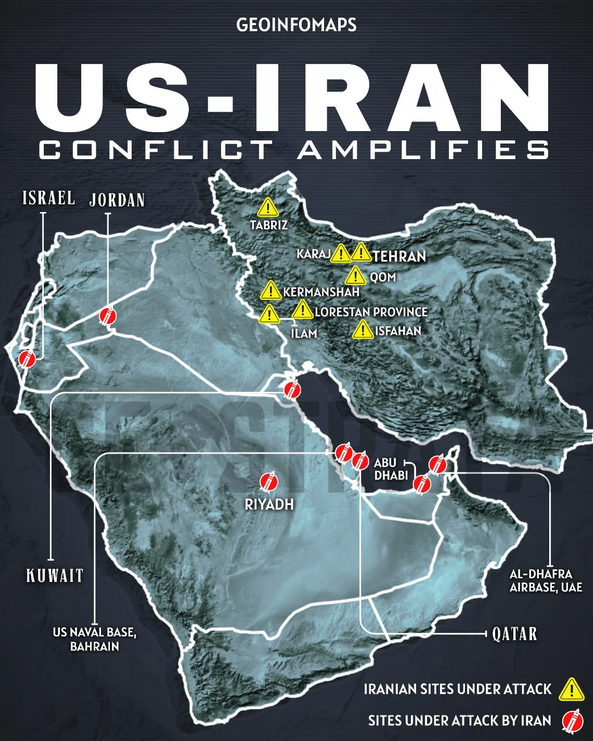
In a dramatic escalation, Iran’s Armed Forces have followed through on their warnings—launching precision drone and missile attacks on American-linked industrial infrastructure across the Persian Gulf. Simultaneously, Yemen’s Ansarullah has officially declared war on the United States and its allies, opening a new southern front that is reshaping the entire conflict. 🇾🇪⚡

As the 29th day dawns, a rare consensus has emerged across Western strategic analysis centers: This war is progressing to America’s detriment. From the Council on Foreign Relations to CSIS, the verdict is clear—Washington is trapped in a strategic impasse with no winning option in sight. 📉🇺🇸

Iran’s Promise Kept: Precision Strikes on American Infrastructure 🎯🔥

Days ago, Iran’s Armed Forces warned that any aggression against Iranian industrial sites—specifically Mobarakeh Steel and Khuzestan Steel—would be met with direct retaliation against American interests in the region. That warning has now been executed. 💣

What was targeted:

  • Critical facilities affiliated with American companies across several Persian Gulf countries

  • Precision drone and missile strikes conducted day and night

  • Infrastructure linked to the U.S. military-industrial complex

The message from Tehran is unmistakable: Iran will not limit the battlefield to its own soil. The reach of its retaliation extends across the region, and American assets are now directly in the line of fire. 🎯🌊

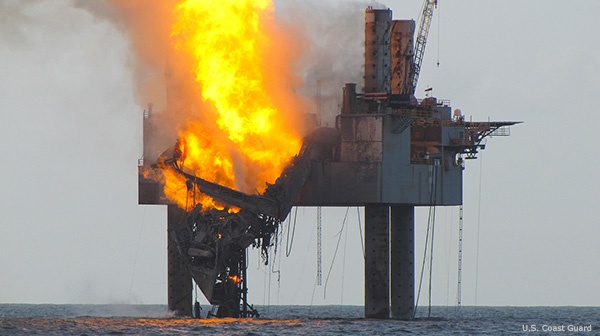
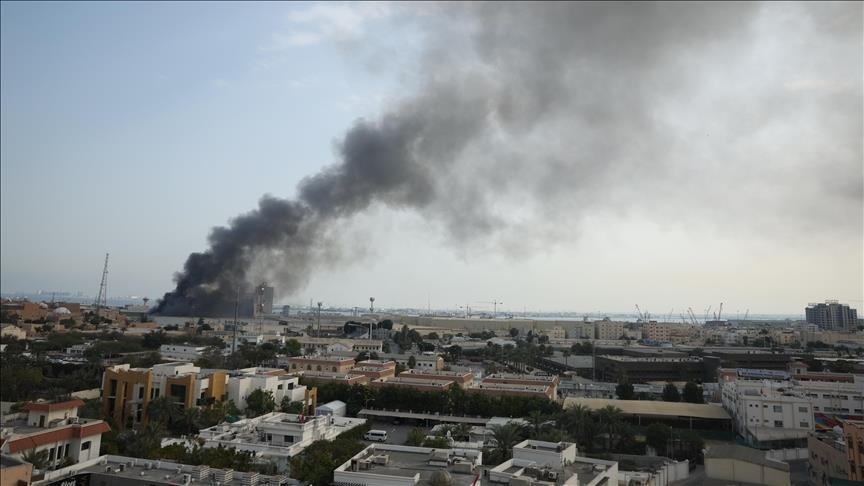
Nighttime photo of a fire at an industrial facility.
Iran’s warning was obviously not a bluff. American-linked infrastructure is now in the crosshairs

Yemen Enters the War: The Southern Front Opens 🇾🇪⚔️

In a strategic development that has sent shockwaves through Western capitals, Yemen’s Ansarullah issued an official statement: they have formally entered the war alongside Iran against the United States and its allies. 📜💥

Immediately following the announcement:

  • Massive missile barrages targeted areas in the southern occupied Palestinian territories

  • Security equations for the Zionist regime have been fundamentally altered

  • A new southern front now stretches from Yemen to Palestine

Military analysts are calling this a “turning point.” The conflict is no longer contained. It has expanded geographically, stretching American and allied forces across multiple battlefields simultaneously. 🌍🔄

Houthi sea drone badly damages ship in Red Sea; U.S. destroys missile launchers - UPI.com
 A new front opens. Yemen’s entry changes the game

The Consensus: America Is Losing 📊🧠

Twenty-nine days into a war that was supposed to be a “quick victory,” the verdict from America’s own strategic establishment is devastating.

Think Tank Assessment
Council on Foreign Relations War progressing to US detriment
CSIS (Center for Strategic & International Studies) Military stalemate, economic losses mounting

Atlantic Council Ground war would be “strategic suicide”

Key findings from experts:

  • ❌ Military stalemate: No decisive gains achieved

  • ❌ Economic losses: Mounting by the day

  • ❌ New fronts: Yemen’s entry multiplies complexity

  • ❌ Diplomatic isolation: Allies distancing themselves

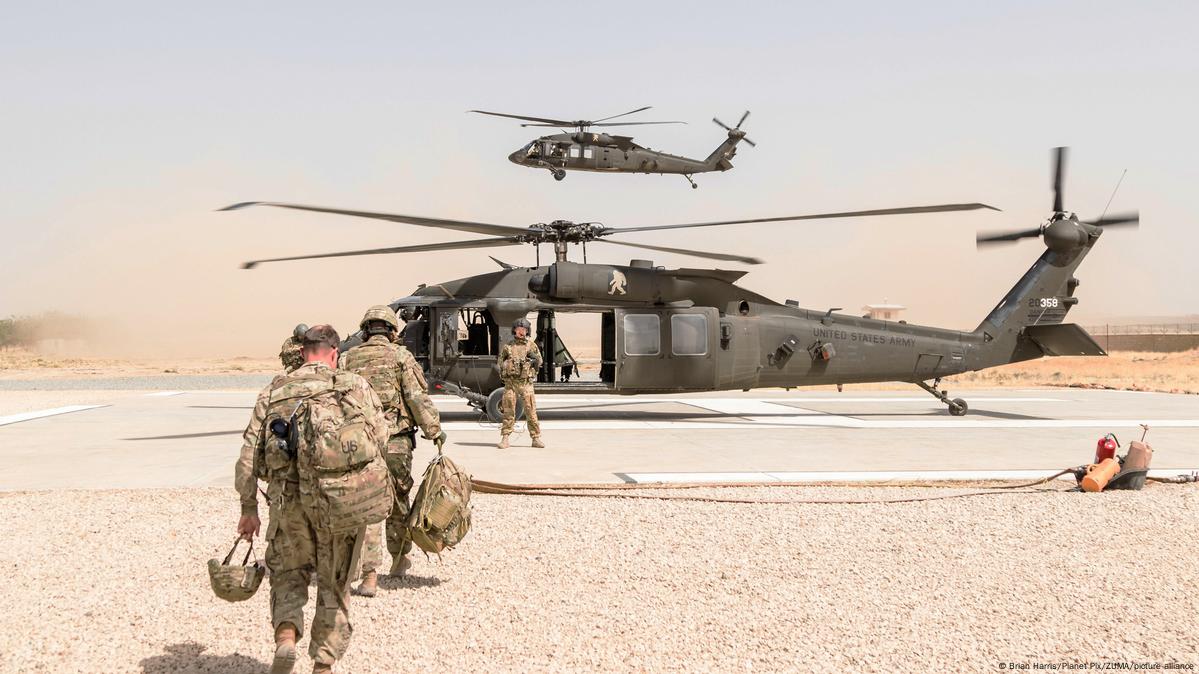
A senior analyst at the Atlantic Council delivered the starkest warning: any U.S. entry into a ground war with Iran would lead Washington into an “inexhaustible quagmire”—more disastrous than Afghanistan and Vietnam combined. 🇺🇸💀

Think Tank (@thinktankenterprise) • Facebook
When the analysts agree, Washington should listen

The Ground War Trap: A Warning No One Should Ignore 🚫🪤

Among Western analysts, one scenario is met with near-universal alarm: a ground invasion.

The warnings are brutal:

Analyst Warning
Atlantic Council “Strategic suicide”
CSIS “Inexhaustible quagmire”
CFR “More disastrous than Afghanistan and Vietnam combined”

The calculus is simple: Iran is not Iraq or Afghanistan. Its geography, population, military capacity, and regional alliances make it a country that cannot be occupied. Any attempt to do so would bleed American forces for years, if not decades. 📉🩸

Free Through War's Fog Image - Battlefield, War, Smoke | Download at StockCake
The path ahead offers no honorable exit

Conclusion: The Twenty-Ninth Day — A Turning Point 🔄🌍

Day 29 of this conflict marks a decisive moment. The war is no longer what it was when it began.

What has changed:

  • ✅ Iran has proven it will strike American infrastructure region-wide

  • ✅ Yemen has formally joined the war, opening a southern front

  • ✅ Western analysts now openly acknowledge America’s strategic decline

  • ✅ The White House faces a crisis with no clear exit

Donald Trump promised a quick victory. Instead, he finds himself trapped—militarily, economically, and diplomatically—in a conflict that offers no honorable way out. 🪤🇺🇸

The question now is not whether America can “win” this war. The question is: How much more will it lose before accepting that the old rules of engagement no longer apply? ⏳👀

As the days accumulate, one truth becomes increasingly clear: the war that was supposed to demonstrate American strength is instead exposing its limits—to the world, to its allies, and perhaps even to itself. 🌍💔

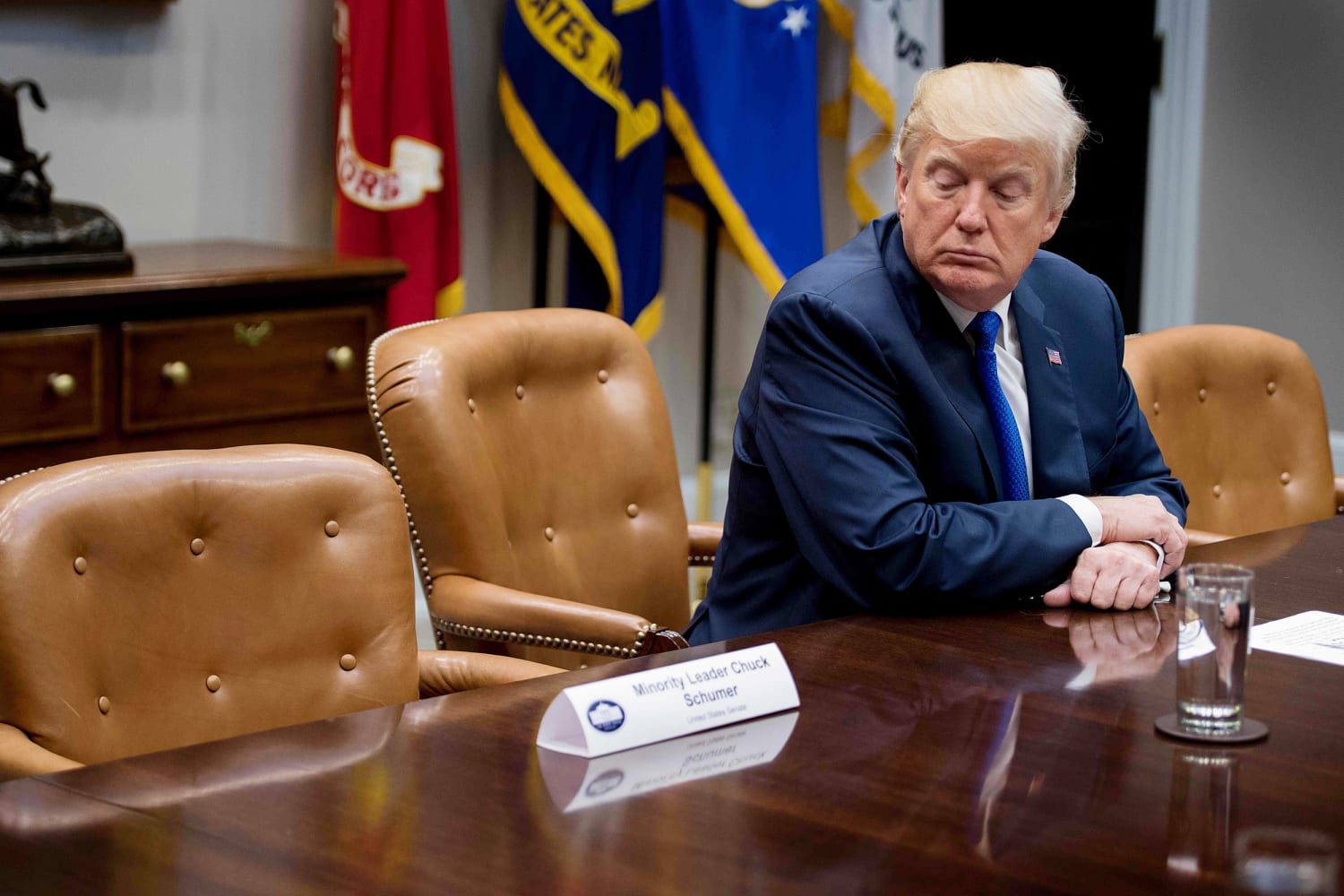
Trump rips 'weak' no-show Democratic leaders for standing him up
The man who promised a quick victory now sees no way out
twitterlinkedininstagramflickrfoursquaremail
Posted on Leave a comment

The Strategic Impasse: How Iran’s Invasion Became America’s Nightmare 🇺🇸💥🇮🇷

Introduction: 🌍🔥

The military aggression of the United States and the Zionist regime(Israel) against Iran was meant to be a decisive blow—a swift operation to destabilize Tehran and reshape the Middle East. Instead, it has become the most complex global crisis of the 21st century. 💥

Contrary to Pentagon calculations, Iran’s power structure did not collapse. On March 17, the Assembly of Experts elected Ayatollah Mojtaba Khamenei as the third leader of the revolution with unprecedented speed and unity—a clear message to the world: the doctrine of resistance continues. 🏛️⚡

Now, the consequences of this American aggression have spiraled far beyond the battlefield. With oil prices soaring, global recession looming, and America’s diplomatic isolation deepening, Washington finds itself in a strategic deadlock—a trap of its own making. 🇺🇸🪤

The war that was supposed to be quick became a quagmire. Now Washington faces an impossible choice.

1. Global Shock to the Energy Market and International Economy 🛢️📉

The invasion targeted the beating heart of the world’s energy supply—and the global economy immediately entered a critical phase.

Impact Scale
Brent oil price surge 40% jump in 48 hours, past $140/barrel
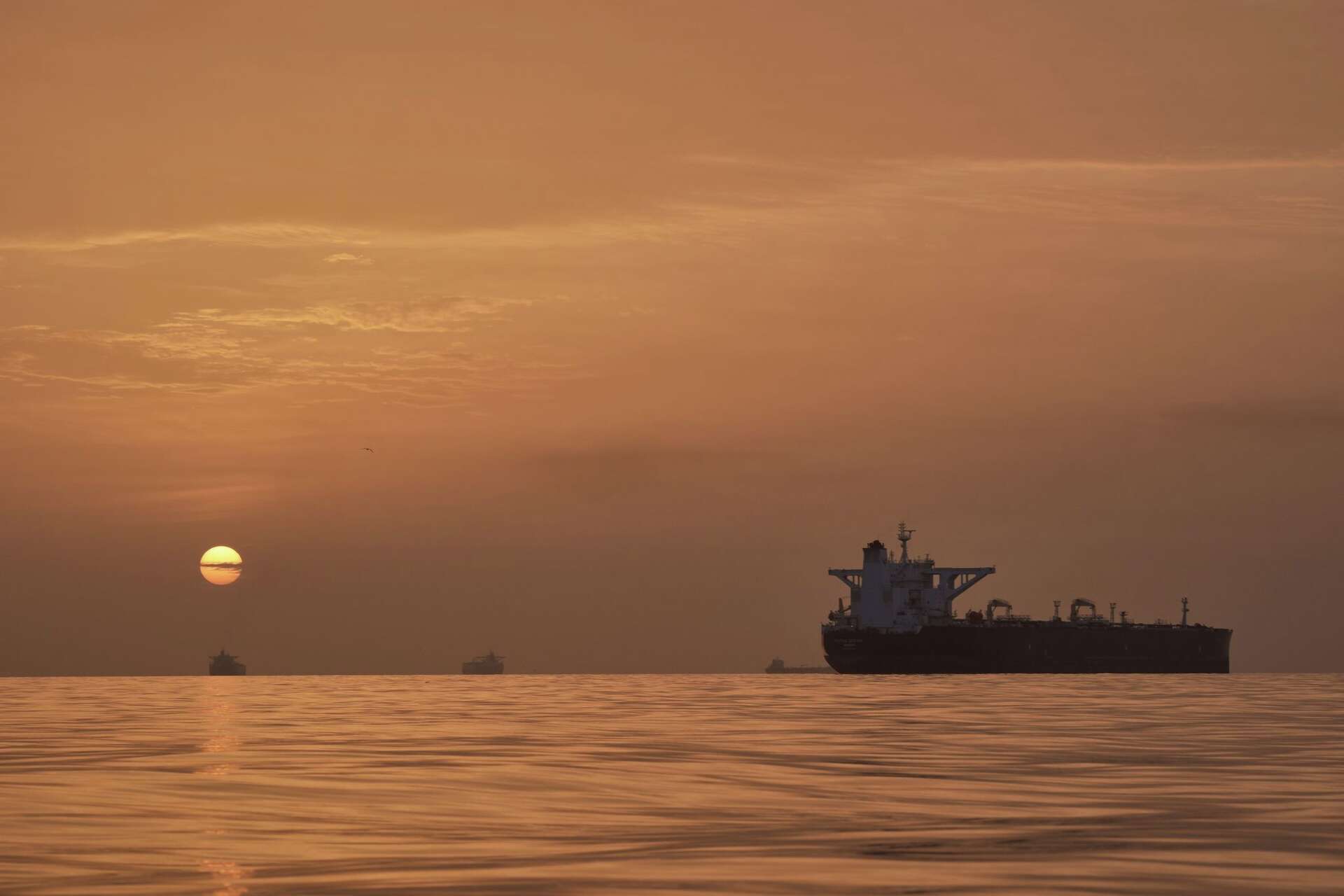
Shipping insurance costs 500% increase in the Strait of Hormuz
Energy transit disruption Crippling delays to China and Europe

This is the heaviest price shock in decades. While Trump’s rhetorical interventions briefly eased prices, the underlying instability remains. Global inflation has been reignited, and supply chain stability in Western markets has plummeted to its lowest level this century. 📊💥

When the heart of global energy burns, the whole world feels the heat.

2. Domestic Political Crisis in America 🏛️😤

Donald Trump launched this military aggression without obtaining final permission from Congress—and that decision has now become a political fault line running through the heart of Washington. ⚖️💢

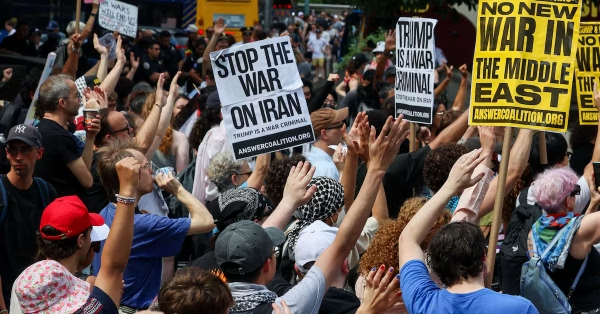
Gallup polls show the administration’s popularity in free fall, dipping below 30 percent. The American public, weary from decades of endless wars in the Middle East, is expressing its anger. Major cities have become centers of anti-war rallies, with protesters chanting: “No to another war in the Middle East!” 📢✌️

This gap between the White House and the people—combined with fractures within the power structure itself—has left Washington paralyzed: unable to either decisively continue the battle or accept a humiliating retreat. 🔄🚫

On the home front, the political price of war is soaring.

The Deal That Was: Oman’s Revelation 🇴🇲🤝🇮🇷🇺🇸

Before the bombs fell, there was progress—real progress. According to statements from Oman’s Prime Minister, who personally mediated the secret negotiations between Iran and the United States, the two sides were closer than ever to a historic breakthrough. 🕊️✨

What Oman revealed:

Point Detail
Iran’s commitment Accepted to stop all uranium enrichment
Reduction agreement Agreed to reduce existing enriched uranium stockpiles
The momentum “Huge progress” was being made
The shock “All of a sudden, they attacked the country”

This revelation shatters the official narrative that military action was necessary to prevent Iran from obtaining nuclear weapons. Iran was already stepping back. The bomb was not the threat—the negotiation’s success was. 💣🚫

The question now haunts diplomatic circles: Why attack when victory was already being achieved at the table? 🤔💥

For the global audience, Oman’s words confirm what critics suspected: this war was never about non-proliferation. It was about something else entirely. 🌍👀

What happened to the deal that was almost done?

3. Changing the Balance of Power and Stabilizing Iran’s Political Structure 🇮🇷📈

The Pentagon’s entire strategy rested on a single assumption: that military pressure would cause Iran’s power structure to collapse. This was a catastrophic miscalculation. 💥🤦

Instead of division, the invasion became a driver of national cohesion. The turning point came on March 9, when the Assembly of Experts elected Mojtaba Khamenei as the new leader with remarkable speed and determination. This was not a regime in chaos—it was a system demonstrating its resilience. 🏛️⚡

The message was unmistakable:

  • ✅ No power vacuum emerged

  • ✅ The doctrine of resistance continues

  • ✅ Domestic political currents unified around national defense

Washington’s dreams of regime change have transformed into a nightmare of military attrition. Its psychological operations? Rendered completely ineffective. 📉💔

The invasion that was supposed to divide Iran united it instead.

4. Imposing Exorbitant Financial and Logistics Costs on America 💰📉

This war is a financial catastrophe for an American economy already struggling with chronic inflation. According to analysis by the Center for Strategic and International Studies (CSIS) :

Timeframe Cost
Daily operational costs $1.8 – $2 billion
6 months of war Over $360 billion
Long-term (veterans + fleet) $2.5 trillion burden

These are not abstract numbers. They represent:

  • Taxpayer dollars diverted from domestic needs 🏥📚

  • Inflationary pressure that hits every American household 🏠

  • A debt burden that will constrain the economy for decades ⏳

The Pentagon, for all its power, cannot escape the brutal arithmetic of attrition. ✖️💥

The math of war: numbers so large they defy comprehension.

5. Diplomatic Isolation and Rifts in Traditional Coalitions 🌍💔

Washington now faces the most severe divergence among its allies in modern history. The cracks are visible everywhere:

Region Response
🇩🇪 Germany Closed airspace to US military flights
🇫🇷 France Refused overflight rights
🇪🇺 Europe NATO effectiveness at historic low
🇬🇧 UK Standing with US—creating EU bipolarity
🇦🇪 Gulf States Official neutrality declared

Logistics impact: The European airspace closures alone have increased Pentagon operational costs by 20 percent. ✈️💰

In the Persian Gulf, despite hosting American forces at their bases, Arab governments issued coordinated statements declaring neutrality, refusing to allow their “soil and airspace” to be used for offensive operations against Iran. 🛑🌍

This forced neutrality has:

  • Limited America’s strategic depth

  • Pushed the operational burden onto distant aircraft carriers

  • Revealed the crumbling foundations of traditional US coalitions

    When allies become obstacles: the unprecedented rift in Western unity.

6. National Security and Stalemate in Symmetrical and Asymmetrical Battles ⚔️🔄

Iran operationalized its doctrine of “mosaic defense” —expanding the battlefield across the entire region. The results have shocked the Pentagon:

Asymmetric Impact Scale
US casualties (first 48h) 650 killed and wounded
Missile accuracy Fateh missiles challenged Patriot systems
Resistance coordination From Lebanon to Yemen, unified response
CENTCOM crisis Unprecedented personnel and infrastructure threat

Pentagon reports to Congress now acknowledge a terrifying reality: the US military can only sustain this level of asymmetric attack for a limited number of days due to logistical weaknesses. 📉💥

Washington has entered a “strategic impasse” —where the costs of staying in the region now exceed America’s military and political capacity to bear them. 🪤🇺🇸

Iran hits 6 US military sites across Gulf: Report
The mosaic defense: Iran’s answer to American firepower.

Conclusion: From Hegemony to Strategic Impasse 🏛️➡️🪤

America’s military aggression against Iran should not be viewed as just another regional conflict. It is a historical miscalculation that has fundamentally altered the power paradigm in the Middle East. 🌍💥

Washington entered this battle believing it could create a power vacuum in Tehran. Instead, it:

  • ✅ Cemented Iran’s internal cohesion around new leadership

  • ✅ Activated asymmetric defense capacities that trap the US in an “erosion cycle”

  • ✅ Triggered diplomatic isolation among traditional allies

  • ✅ Caused irreparable shocks to global energy markets

  • ✅ Revealed that the era of unilateral hegemony is over

The cost-benefit balance has shifted—decisively and permanently—against American national interests. 📉🇺🇸

Now, the United States faces an impossible choice:

Option Consequence
Continue the war Accelerated decline, dollar weakening, regional influence collapse
Accept new realities Return to diplomatic table before domestic crisis explodes

For its part, Iran has demonstrated something the Pentagon’s equations could never predict: strategic maturity. Not just in survival, but in crisis management and the imposition of mutual costs. 🧠🇮🇷

The question hovering over Washington is simple: How much more will America bleed before it accepts that the old rules no longer apply? ⏳👀

As Oman’s revelations confirm, this war was never necessary. Iran was already stepping back from the nuclear edge. The bombs that fell were not about preventing a threat—they were about something else entirely. And now, the entire world pays the price. 🌍💔

The choice before an empire: continue the bleed or accept a new balance.
twitterlinkedininstagramflickrfoursquaremail
Posted on Leave a comment

Silicon Valley Meets the Crossfire: Tech Giants’ Billions Caught in West Asia’s War Zone 💻💥🌍

Introduction: 🌐💣

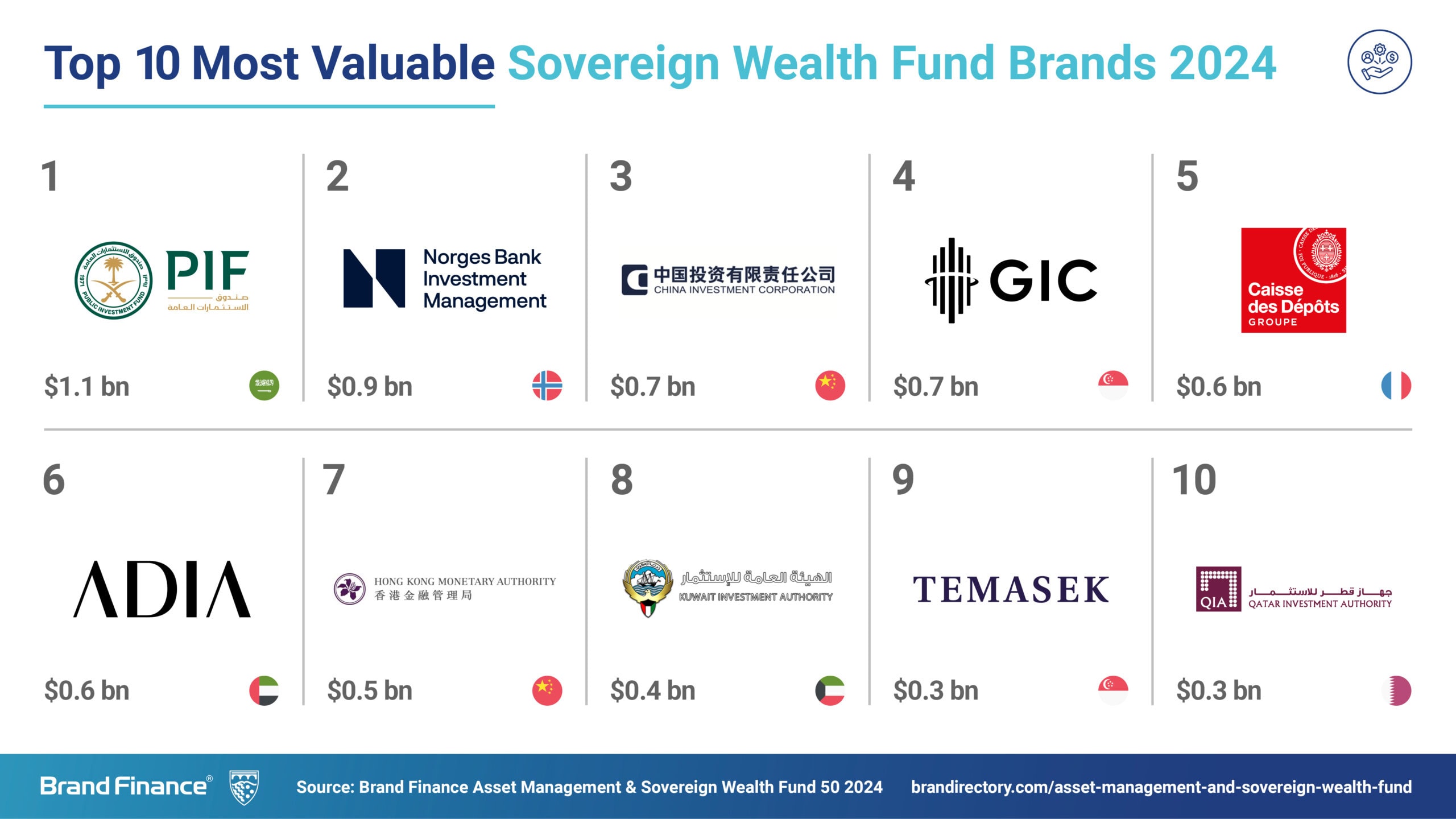
For more than a decade, the Persian Gulf kingdoms have poured billions into a grand transformation: from oil-based economies to knowledge-based technological powerhouses. 🏜️➡️💻 The United Arab Emirates, Qatar, and Bahrain have lured Silicon Valley’s biggest names—Nvidia, Microsoft, Oracle—with sovereign wealth funds, luxury infrastructure, and irresistible tax policies. The result? A multi-trillion-dollar bet on the region becoming a global hub for artificial intelligence and data processing. 📈

But now, that bet is under fire. 🔥 The recent escalation of military tensions between Iran and the United States has thrown the future of these investments into serious doubt. As missiles fly and naval forces gather, the gleaming data centers of the Gulf suddenly look less like sanctuaries of innovation and more like potential targets in a widening conflict. 🎯

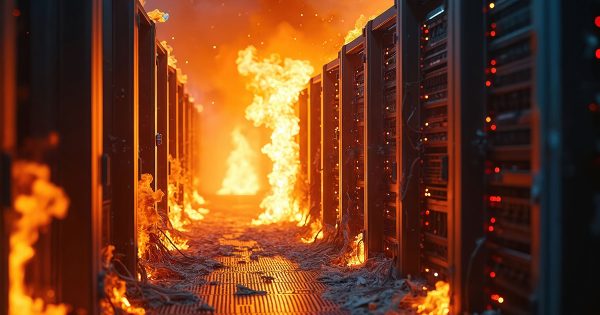
When the infrastructure of the future sits on the fault lines of the present


The Gulf’s Tech Gamble: From Oil to Algorithms 🛢️➡️🤖

The Persian Gulf states have spent over a decade executing one of the most ambitious economic pivots in modern history. Using enormous sovereign wealth funds, they have built:

Country Data Centers Key Advantage
🇸🇦 Saudi Arabia 61 Vast land, cheap power
🇦🇪 UAE 57 Global connectivity, tax incentives
🇶🇦 Qatar Growing LNG wealth, strategic positioning

These are not just office buildings. They are the physical backbone of the artificial intelligence revolution. Companies like Nvidia, Microsoft, and Oracle have poured billions into creating massive data centers in the region—facilities designed to power the next generation of AI services, which require enormous processing capacity, cheap electricity, and extensive physical space. 🏢⚡

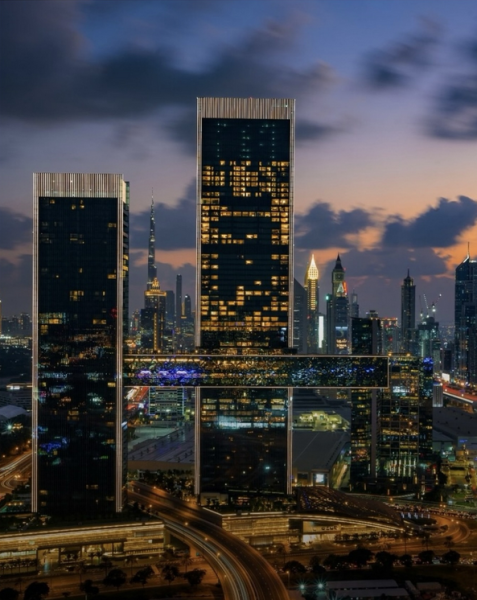
One standout project is the “Stargate Emirates” —a colossal data center operated by OpenAI and Oracle, using advanced Nvidia processors. Located in Abu Dhabi, it has been described as the largest data center outside the United States. 🚀🇦🇪

The glittering facade of the Gulf’s tech revolution

The Geopolitical Layer: Pax Silica and Digital Competition 🗺️🔌

In December 2024, the U.S. State Department announced an initiative called “Pax Silica” —an agreement signed by eleven nations, including the UAE, Qatar, and Israel. Its stated purpose: coordinate the development of artificial intelligence infrastructure. 📝🤝

This seemingly technical agreement reveals a deeper truth: digital infrastructure has become a battleground of geopolitical competition. The Persian Gulf’s unique geography—at the crossroads of Asia, Africa, and Europe, with proximity to major shipping lanes and cheap energy—has made it a focal point in the global race for AI dominance. 🌍⚔️

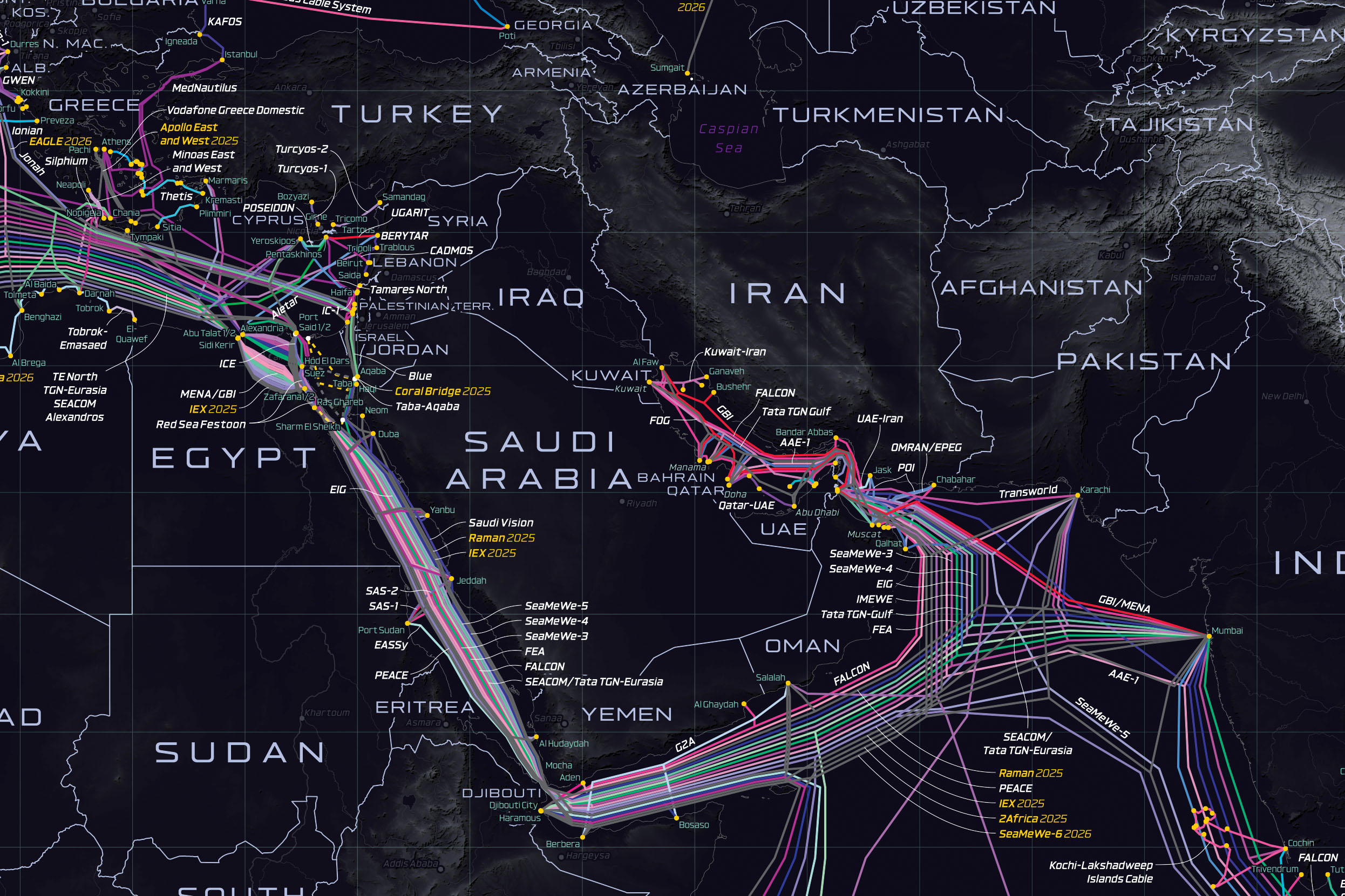
Submarine Cable Map 2025
The digital arteries of the global economy run through the world’s most volatile waters

When the War Came: Cables Under Fire 💥🌊

The optimistic vision of the Gulf as a “security bubble” insulated from regional turmoil has collided with reality. In 2024, as tensions escalated, four major submarine cables in the Red Sea were damaged. The result? Approximately one-quarter of all data traffic between Europe and Asia was disrupted. 📉💔

While backup routes were activated, full repairs took months. The incident was a wake-up call: the global internet, for all its complexity, still depends on bottlenecks—narrow passages like the Strait of Hormuz and the Red Sea—that can be severed by conflict. 🧠⚠️

International Cable Breaks in Red Sea Cause Latency Surge Across Asia and  Gulf - Subsea Cables
The hidden vulnerability: When fiber optics become military targets

The Security Illusion: Investors Wake Up 😨💼

Before the current escalation, many international investors operated under a comforting assumption: technology investments in the Gulf existed in a separate bubble, insulated from the region’s political instability. 🏝️💸 Cities like Dubai and Abu Dhabi marketed themselves as oases of calm—places where business transcended conflict.

But analysts like Matt Gertken of BCA Research had warned as early as 2023. In meetings with Western investors in the Gulf, he predicted precisely the scenario now unfolding: military escalation involving Iran, possible U.S. involvement, and the inevitable spillover into economic and technological infrastructure. 📉🗣️

At the time, many dismissed these warnings as overly pessimistic. The logic of global capital, they believed, would prevent major conflict. The billions poured into the region’s digital future seemed like a guarantee of stability. 💰🛡️

Recent events have shattered that illusion. When digital infrastructure becomes part of the geopolitical equation, it also becomes a target. The vulnerabilities are no longer just cyber—they are now physical. Missiles, drones, and naval mines pose as much threat to data centers as hackers do. 🚀💻

🚨BREAKING: An Iranian missile has struck a luxury skyscraper in Bahrain  reports suggest that this skyscraper is housing senior U.S. military  command personnel. Bahrain officials have not yet released any statements.
The illusion of immunity: High finance and high technology cannot escape low politics

📸 PHOTO 6 (after “The Security Illusion” section)

Image: A massive, fortified data center with visible security measures—barriers, cameras, and military-style protection—contrasting with the peaceful desert around it.

  • Search Term: “Fortified data center desert”

  • Caption: The new reality: Data centers must now defend against both cyber threats and cruise missiles.

Redefining Security in the AI Age 🔄🛡️

This new reality forces a fundamental rethinking of security in the Persian Gulf. Until now, protection focused on cyber layers: firewalls, intrusion detection, encryption. The assumption was that data centers faced their greatest threats in the digital realm. 💻🔒

But the calculus has changed. Physical threats—missile strikes, drone attacks, naval sabotage—are now equally pressing concerns. Technology infrastructure is no longer just economic assets; they are strategic assets, central to national power and global competition. 🌍⚖️

For Gulf governments, this means:

Challenge Implication
Physical security Data centers need military-grade protection
Geographic diversification Reduce concentration in vulnerable zones
Diplomatic hedging Balance relations with competing powers
Insurance costs Premiums will skyrocket
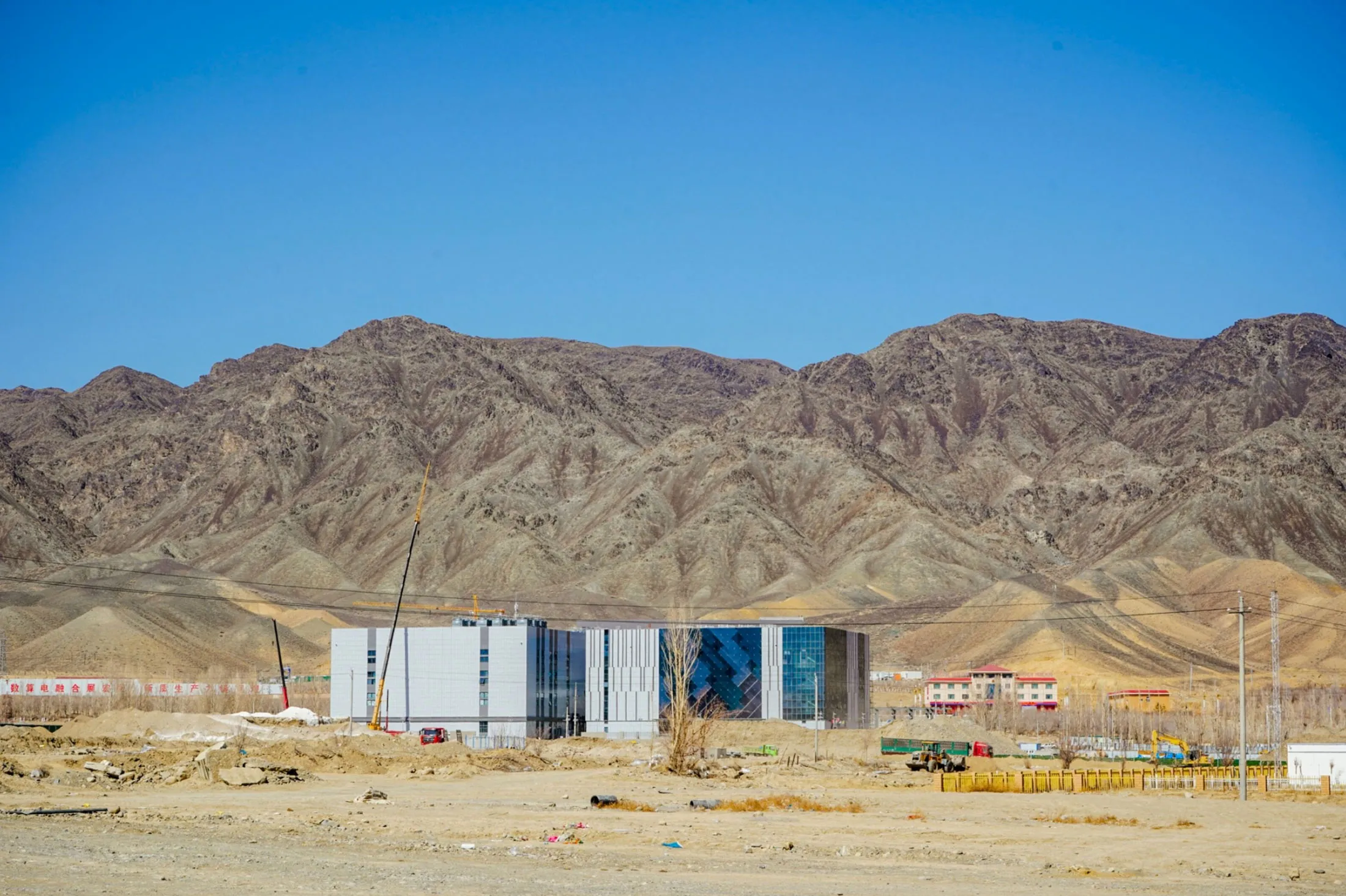
China Builds AI Dreams With Giant Data Centers in the Desert - Bloomberg
The new reality: Data centers must now defend against both cyber threats and cruise missiles

Conclusion: The Unanswered Question ❓🌐

The Persian Gulf stands at a pivotal moment. Years of strategic investment, billions of dollars, and the hopes of becoming a global AI hub now face an uncomfortable question:

Can a region become the heart of the world’s artificial intelligence infrastructure while sitting on one of the planet’s most volatile geopolitical fault lines? 🤔💥

The answer depends on forces beyond any single government’s control. It depends on:

  • Whether diplomacy can de-escalate the current crisis 🕊️

  • Whether regional powers can insulate technology infrastructure from conflict 🛡️

  • Whether international investors retain faith in the Gulf’s “security bubble” 💼

The coming months will reveal whether the glittering data centers of Abu Dhabi and Dubai represent the future of technology—or expensive monuments to a dream that war interrupted. ⏳👀

One thing is certain: the era when technology investment could ignore geopolitics is over. In the 21st century, bits and bytes travel the same routes as missiles and ships. And both can be intercepted. 🌍🔗

How to Effectively Change Career Paths - IQ PARTNERS
The Persian Gulf’s technology future hangs at a crossroads. Which path will prevail?
twitterlinkedininstagramflickrfoursquaremail
Posted on Leave a comment

Sleepwalking to War: Why Washington’s Pressure on Iran Is Failing 😴🇺🇸➡️🇮🇷

Introduction: 🌍⚠️

Over recent weeks, an ominous U.S. military buildup has accelerated across the waters and territories of West Asia. 🛳️✈️ Concurrently, Western-backed protests have raged with fluctuating intensity throughout major Iranian cities. President Trump has issued dire threats of impending “bad things” if Tehran refuses to curb its nuclear research and missile programs. 🗣️💥 But as the drums of war reach a belligerent crescendo, urgent warnings are being sounded—not from Tehran, but from within Washington’s own establishment. 🥁🔊

The question haunting the White House is simple yet profound: Why won’t Iran capitulate? 🇺🇸❓🇮🇷

How War Drums Changed the Course of History: The Psychology of Sound in Ancient Warfare | by Zacharias Hendrik | Medium
“Nobody wants this. We’re sleepwalking towards a war, in search of a strategy.” — Aaron David Miller

The Media’s Failure: Scenarios, Not Questions 📺🤐

The Western media has singularly failed to question the ultimate objectives—let alone the legality or morality—of U.S. military action against Iran. Instead, outlets have typically outlined the potential merits of “intervention.” 📰 The BBC has gone so far as to publish an explainer guide to different attack “scenarios.” 📋💥

On February 19th, the British state broadcaster expressed genuine bewilderment:

“Why do Iranian leaders, at least publicly, remain defiant in the face of the world’s most powerful military and its strongest regional ally in the Middle East?” 🤷‍♂️🇬🇧

The BBC attributed this intransigence to Iranian displeasure with Trump’s demands, noting that “from Tehran’s perspective, [U.S.] demands amount not to negotiation but to capitulation.” 🚫📝

All the firepower in the world cannot substitute for understanding the adversary

Hammer and the Anvil: Forging Resilience in Product ManagementHammer and the Anvil: Forging Resilience in Product ManagementCredit: DALL-E

The Confession: “Why Haven’t They Capitulated?” 🤔🇺🇸

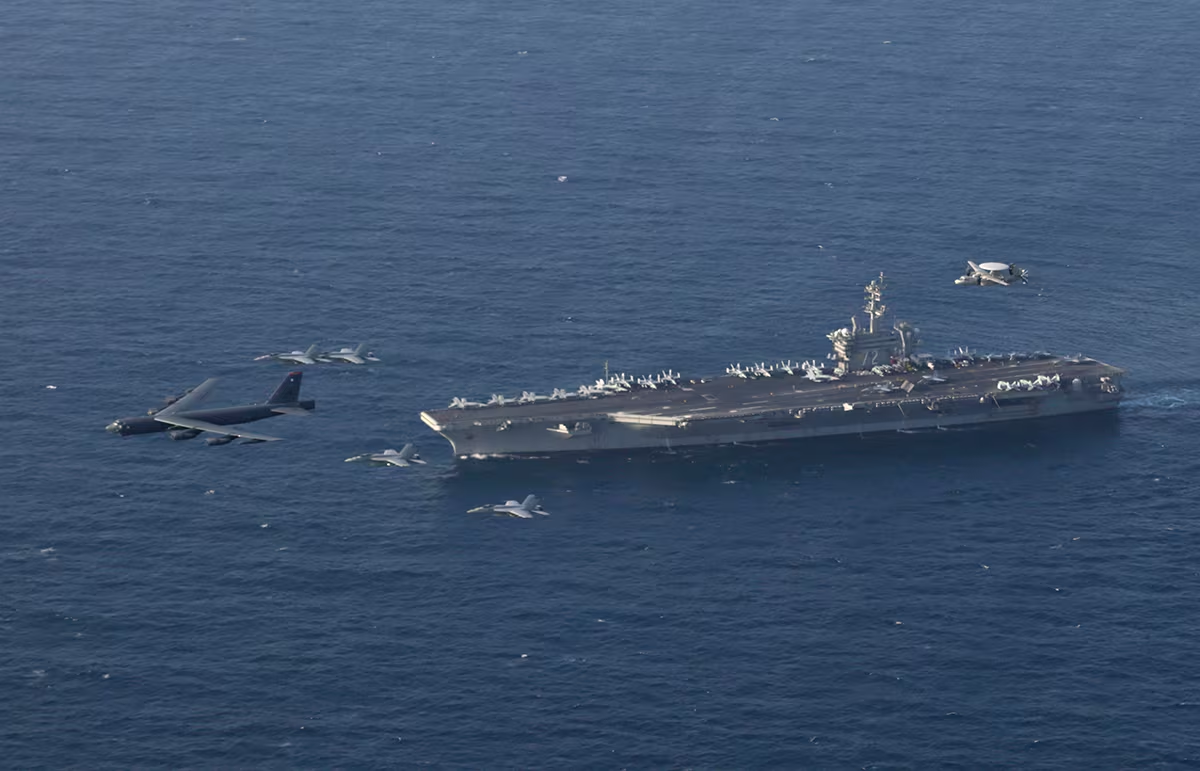
Remarkably, senior U.S. officials openly endorse this view. On February 21st, White House envoy Steve Witkoff spoke of how the President was “curious” as to “why, under this sort of pressure, with the amount of sea power and naval power” in West Asia, Iran’s leadership “haven’t capitulated.” 🧐🛳️

This curiosity is itself a confession. It reveals that Washington genuinely expected Tehran to behave like weaker states—bending under the weight of military intimidation and economic pressure. 💰💪 The assumption was that every nation has a breaking point, a price, a threshold beyond which surrender becomes rational.

But two days later, an answer to this apparent enigma was provided—not by Tehran, but by America’s own military leadership. 📢

The tool and the target: When maximum pressure meets maximum resistance

The Generals Speak: “Significant Risks” and “Prolonged Conflict” 🎖️⚠️

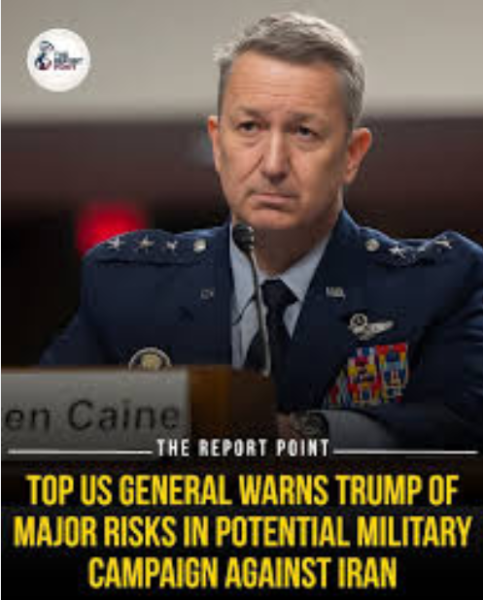
On February 23rd, Axios, the Wall Street Journal, and the Washington Post published virtually identical “exclusive” reports. 📰🔒 Top U.S. General Dan Caine had privately cautioned the Trump administration about the “significant risks” attached to military action against Tehran.

The warning was stark: even a “limited strike” would carry a very high prospect of producing prolonged conflict, deeply destructive for all concerned. 💥📉 The assumption that America could deliver a quick, surgical blow and be done with it is dangerously misguided.

A scathing February 24th Financial Times editorial echoed these admonitions. 💼📰 An unnamed “Israeli intelligence official” told the publication that despite the vast recent buildup, Washington only boasts military capacity to sustain:

  • four- to five-day “intense aerial assault” 🕒💥

  • Or a week of lower-intensity strikes 🕒🔽

This raises the risk of sizeable American casualties and resultant “domestic blowback.” 🇺🇸💔 Cited polling data indicates the overwhelming majority of U.S. citizens oppose conflict with Iran. 📊🚫

Top U.S. General Dan Caine’s private warning: “Significant risks” and “prolonged conflict.”

The Think Tank Warning: “A Crisis of His Own Making” 🏛️🔮

Think tank analyst Aaron David Miller offered perhaps the most damning assessment:

“Nobody wants this. We’re sleepwalking towards a war, in search of a strategy… The President has put himself in a box. He has put himself in a situation where unless he manages to extract a considerable concession from the Iranians to avoid a war he doesn’t want, he’s going to be forced into one. This is a crisis of his own making.” 🗣️📦

This is the voice of the Washington establishment—not criticizing from the outside, but warning from within. The message is clear: Trump’s maximalist approach has painted the administration into a corner with no easy exit. 🎨🚪

Nightmares in the Dream Sanctuary: War and the Animated Film, by Donna Kornhaber | Times Higher Education (THE)
Nobody wants this. We’re sleepwalking towards a war

Conclusion: The Gap Between Power and Understanding 🌉🧠

The accumulating evidence points to a single, uncomfortable truth for Washington: all the military power in the world cannot substitute for understanding the adversary. 🚫💪

Iran has demonstrated, across four decades of pressure, that it does not change course against threats. Its strategic decisions are rooted not in fear, but in security calculations, historical experience, and identity. 🇮🇷🧱 The more pressure is applied, the more the system consolidates around its core principles.

The White House now faces a choice: continue down a path that has yielded nothing but accumulated tension and strategic dead ends, or finally accept the complexity of the power structure it faces. 🔄🤔

As Aaron David Miller warned, the alternative is sleepwalking into a war nobody wants—a crisis entirely of Washington’s own making. The question is whether the administration will wake up before it’s too late. ⏰👀

The Forks in the Road, the Moments That Define Our Life. – HEAL YOUR LIFE (In Just 5 Minutes A Day)
The choice before Washington: continue the same failed path, or finally accept reality
twitterlinkedininstagramflickrfoursquaremail
Posted on Leave a comment

Vertigo in the White House: When Threats Against Iran Don’t Work 🤔🇺🇸➡️🇮🇷

Introduction: 🤯

Recently, in an interview with Fox News, Trump’s special envoy Steve Witkoff revealed something remarkable: the American president is genuinely confused. 😕 Despite unprecedented pressure—military shows of force, crippling sanctions, and relentless threats—Iran refuses to retreat. This “surprise” is itself a confession. It reveals that Washington expected Tehran to behave like weaker states, bending under the first wave of economic pain or military intimidation. But that assumption was flawed from the start. The real problem is not America’s lack of power, but its profound misunderstanding of who it is dealing with. 🇺🇸❌🇮🇷

The moment of realization: When the immovable object meets the unstoppable assumption

The Logic That Failed: Why “Maximum Pressure” Didn’t Work ⚙️💥

Washington built its strategy on a simple assumption: combine crippling economic sanctions with continuous military threats, and any country will eventually surrender. Send aircraft carriers, deploy advanced fighters, stage noisy exercises—all while tightening the economic noose. 🛳️✈️💰 The expectation was clear: Tehran would reach its “breakpoint” and accept unilateral demands.

Alongside this, a narrative war was waged. Western media spoke constantly of Iran’s “deadlock,” “internal turmoil,” and “economic erosion.” Terms like strategic vertigo were used to describe a decision-making structure supposedly collapsing under pressure. 📰💬 The picture was painted: Iran had no choice but to retreat.

But reality refused to follow the script. And now, Washington is the one experiencing vertigo. 😵

The pressure is max, but the result is zero. When the tool doesn’t match the task

Trump’s Transactional Trap: Why Not Everyone Has a Price 💼🤝🧱

Trump entered foreign policy with a businessman’s mindset. 🤵 He saw politics as a deal: increase pressure, and the other side will eventually give points to reach an agreement. In this framework, every actor has a price, every nation a breaking point.

But this analysis crashed against Iran. 🇮🇷🧱 As The Atlantic noted in a recent analysis, Trump cannot understand why pressure doesn’t force the Iranian leader to retreat. In his world, every person can be bought, every nation brought to the table with the right mix of threats and promises. 🛒💸

This view fails when confronted with a structure that bases its identity on independence and resistance. For four decades, Iran has made strategic decisions not based on fear, but on security, identity, and historical experience. In such a framework, submission to external pressure is not a tactical option—it is seen as undermining the very foundations of internal legitimacy. 🏛️⚔️

Two different logics: one sees everything as negotiable; the other sees principles as non-negotiable

The Power Beyond Missiles: Strategic Memory and Cohesion 🧠🔗

Iran’s power is not limited to its military capacity or missile technology—though those are part of the equation. 🚀 What truly frustrates Washington’s policy is the link between political will, structural cohesion, and historical experience.

Since its establishment, the Islamic Republic has faced a continuous array of pressures: an eight-year imposed war, decades of layered sanctions, constant military threats, and repeated attempts at internal destabilization. 🏛️🔥 This accumulated experience has created a kind of strategic memory that shapes every decision.

In this context, increasing pressure does not lead to behavior change. Paradoxically, it often strengthens internal cohesion. The more external threats intensify, the more the system consolidates around its core principles. 🛡️📈

Strategic memory: Four decades of pressure have created roots, not weakness

The Accumulation of Force That Changed Nothing 💪➡️😐

The massive buildup of American military equipment in the region—carriers, fighters, exercises—was designed with one purpose: to intimidate Iran into retreat. 🛳️⚔️ The White House believed that visible military power would complete the economic pressure, creating an unbearable situation.

But the result defied expectations. No surrender. No retreat from declared lines. No change in strategic direction. Instead, Iran maintained diplomatic calm while emphasizing its deterrent capabilities. The message was clear: threats are not an efficient tool in this equation. (Iraqchi, Iranian Foreign minister)📡🇮🇷

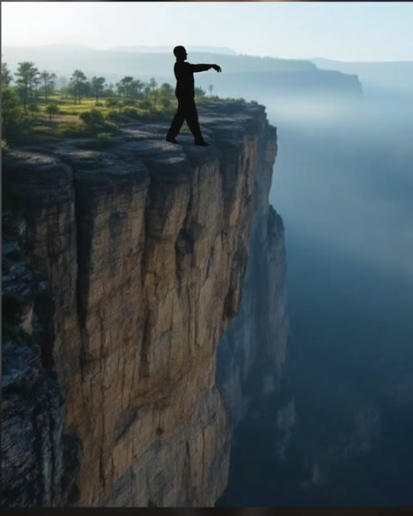
Ambiguous image - Wikipedia
The gap in perception: Washington sees pressure; Tehran sees a test of resolve

The Real Vertigo: Confusion in Washington, Not Tehran 😵🏛️

If the term “strategic vertigo” applies anywhere today, it is in Washington. A portion of America’s political elite still refuses to accept that the “maximum pressure” model may simply not work against a country with Iran’s characteristics. 🤷‍♂️🇺🇸

Continuing the same policy, hoping “it will work this time,” represents not strength but an inability to learn. This miscalculation becomes dangerous when combined with overconfidence in hard power. History shows that misunderstanding the will and capacity of an adversary leads to decisions with unforeseen and costly consequences. 📉💣

1,400+ Fork In The Road Sign Stock Illustrations, Royalty-Free Vector  Graphics & Clip Art - iStock | Directional sign, Crossroads, Choice
The choice before Washington: continue the illusion or accept reality

Conclusion: The Gap Between Imagination and Reality 🌊💡

What stands out most today is the widening gap between Washington’s expectations and the reality on the ground. The White House imagined that increasing pressure would bring quick, favorable results. Tehran has shown that equations are too complex for such simplistic formulas. 📊❌

Iran has demonstrated, repeatedly, that it does not change course against threats. Now the choice is Washington’s: continue down a path that has yielded nothing but accumulated tension, or revise the assumptions that see Iran through a distorted, simplistic lens. 👁️🔍

Accepting the complexity of Iran’s power structure does not mean agreeing with it. It is simply a necessary condition for any realistic policy. Without such a review, the cycle of pressure and resistance will continue—each time widening the distance between the two sides and increasing the risk of decisions no one can control. 🔄⚠️

The question is no longer about Iran. It is about whether Washington can overcome its own vertigo and see clearly at last. 🧠🇺🇸➡️🇮🇷

Ocean Waves Crashing near the Lighthouse · Free Stock Photo
The steadfast response: Storms may rage, but the light remains unmoved
twitterlinkedininstagramflickrfoursquaremail
Posted on Leave a comment

Ice, Minerals, and Power: What Trump Really Wants in Greenland

The sudden reappearance of Greenland on the U.S. foreign policy agenda is more than a bizarre headline. It is a stark symbol of the return of 19th-century expansionist logic to 21st-century geopolitics. Donald Trump’s revival of the idea to “purchase” or dominate the world’s largest island is not a personal whim, but a structural view that subordinates sovereignty and the foundational principles of the UN Charter to the interests of great powers. This move has triggered a transatlantic diplomatic crisis, revealing a deep clash between unilateral ambition and the established international legal order.

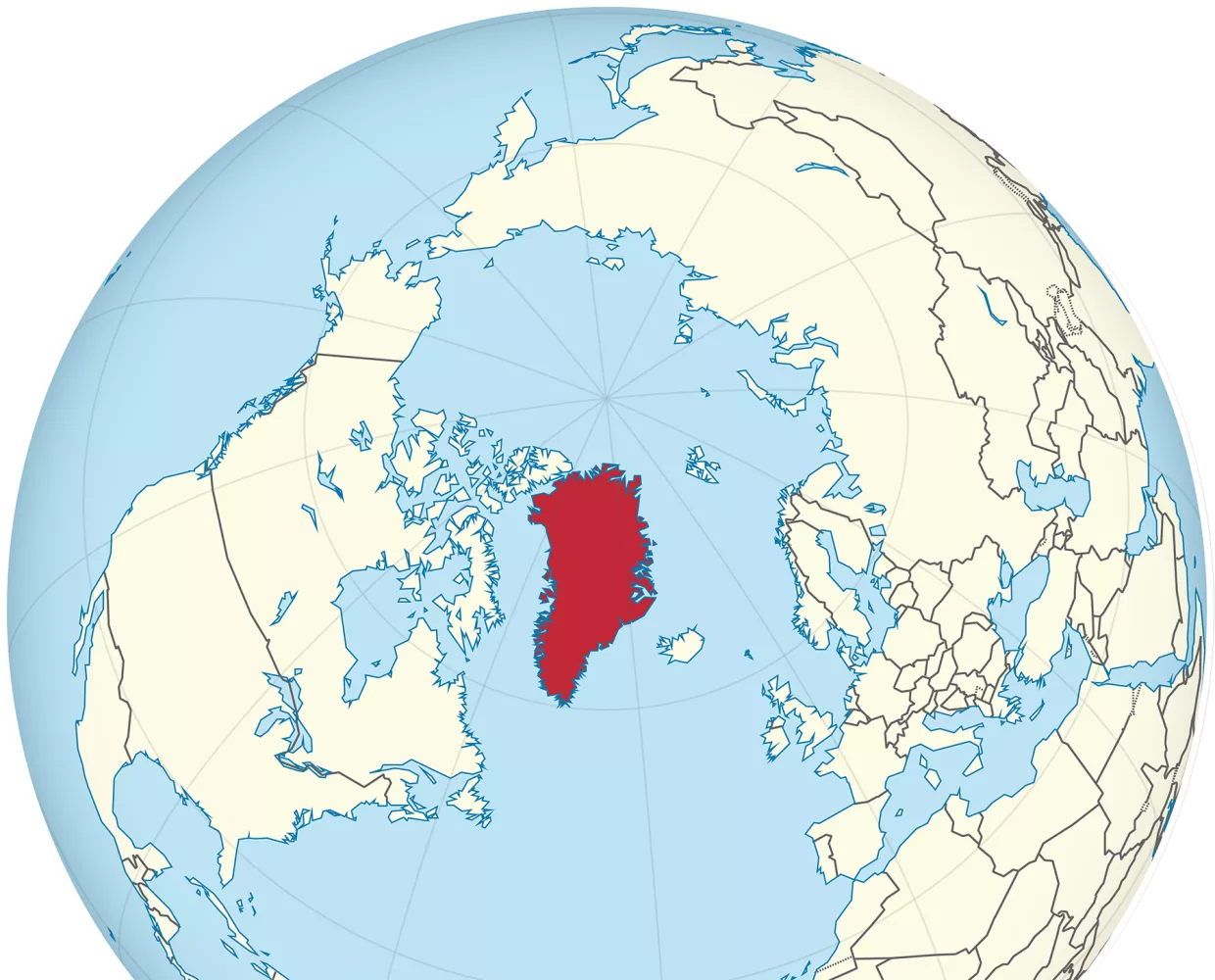
A map showing Greenland's location on the globe.
Greenland hosts Pituffik Space Base, formerly Thule Air Base, a U.S. military installation key to missile early warning and defense as well as space surveillance.

From Frozen Frontier to Geopolitical Prize
Once a remote, frozen periphery, Greenland has been thrust into the center of global power competition. Climate change is unlocking new shipping routes and, crucially, exposing vast reserves of rare earth elements and strategic minerals vital for advanced technology, renewable energy, and defense industries. This transformation has made the island a key geopolitical node, and the U.S., under Trump, is seeking to secure direct access, bypassing traditional diplomatic norms.

Geopolitical Interests Stock Photos - Free & Royalty-Free Stock Photos from Dreamstime
Trump, is seeking to secure direct access, bypassing traditional diplomatic norms.

The Tool: “Special Representative” or Agent of Pressure?
The appointment of a U.S. “Special Representative to Greenland”—a diplomatic tool typically reserved for crisis zones—was a provocative act. Denmark rightly condemned it as unacceptable intervention. Public musings about Greenland “joining” the U.S. stripped away any pretense, revealing an ambition that goes far beyond security cooperation. This move directly challenges Danish sovereignty and signals to allies and adversaries alike that Washington is willing to exert pressure wherever it identifies a strategic interest.

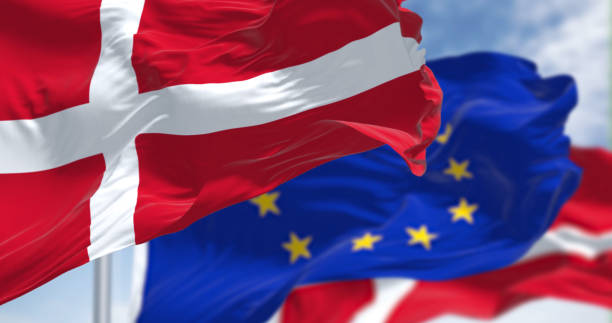
860+ Eu And Danish Flags Stock Photos, Pictures & Royalty-Free Images - iStock
Denmark alongside with the other EU countries shaping a united frontier.

Europe’s Response: A Line in the Ice
Denmark’s swift and firm response—”Greenland is not for sale”—represents a defense of a fundamental European principle: respect for territorial sovereignty. For the EU, this is a precedent-setting case. If pressure is accepted today on a European territory, it could target any member tomorrow. The Greenland crisis has thus become a rallying point for European resistance against a U.S. policy driven purely by a “power right” doctrine, reviving fears of a modern Monroe Doctrine applied to allies.

No photo description available.
Greenland holds vast, largely untapped mineral resources, including rare earth elements, graphite, lithium, and other critical minerals. 🪨⚡ These resources could play a key role in the future of green energy, technology, and global supply chains — making Greenland a potential hotspot for strategic development.  Source:https://www.facebook.com/groups/3623312684642776 Photo: Wall Street Journal

The True Prize and the Transatlantic Rift
Beyond the sensational headlines lies the cold reality: Greenland’s immense mineral wealth is the hidden driver of this crisis. Trump’s policy seeks a blend of resource dominance, strategic positioning, and political influence, treating an ally’s territory as a geopolitical chess piece.

This crisis exposes a foundational rift in transatlantic relations. Europe’s security is built on a framework of respected international law and multilateral cooperation, as embodied in the UN system, while Trump’s America operates on a logic of unilateral power and transactional gain. The aggressive pursuit of Greenland may offer Washington short-term strategic advantages, but it comes at a devastating long-term cost: eroding trust, fracturing alliances, and pushing Europe toward strategic independence. In the frozen waters of the Arctic, a new, colder chapter in U.S.-Europe relations is being written.

Crystal Clear Ice Cube Melting Dark Surface Water Droplets Stock Photos - Free & Royalty-Free Stock Photos from Dreamstime
The transient political cooperation is melting away to reveal hard, enduring interests. 
twitterlinkedininstagramflickrfoursquaremail
Posted on Leave a comment

Peace Through Power or Peace Through War? The Militarization of Trump’s Doctrine

Introduction: The doctrine of “peace through power” has been a cornerstone of statecraft since the Roman Empire. But under Donald Trump, this historical concept has been reshaped into a tool for aggressive, unilateral action. This analysis argues that Trump’s version of the doctrine has not guaranteed peace but has instead fueled instability, humanitarian crises, and the erosion of international institutions, effectively becoming a doctrine of “peace through war.”

Roman Legionary - World History Encyclopedia
Note: The Roman legionary was a well-trained and disciplined foot soldier, fighting as part of a professional well-organized unit, the legion (Latin: legio), established by the Marian Reforms. While major tactical changes appeared during the final days of the Roman Republic and the early days of the Roman Empire, Roman armor and weapons, albeit with minor adaptations, remained simple.

From Hadrian’s Wall to the Cold War
The roots of “peace through power” run deep. The Roman Emperor Hadrian operationalized it by building his famous wall—a symbol of military strength meant to deter attacks and secure the empire’s borders. In modern times, U.S. leaders like Dwight Eisenhower and Ronald Reagan adopted this logic. Reagan, in particular, brought it to a crescendo during the Cold War, using massive defense budgets and arms superiority as a deterrent against the Soviet Union. The goal was to prevent war through undeniable strength.

President Trump will kick off Army's 250th birthday celebrations Tuesday at Fort Bragg - ABC7 Los Angeles
Trump kicks off Army’s 250th birthday celebrations at Fort Bragg, says he’ll restore base names

The Trump Transformation: From Deterrence to Aggression
Donald Trump has co-opted the phrase “peace through power,” but his application marks a significant shift. His policies have moved beyond deterrence towards what can be called “peace through aggressive military power.” This approach relies on:

  • Maximum Pressure: Severe economic sanctions and embargoes.

  • Military Threats: Overt and covert threats against adversaries.

  • Unilateral Action: Drone strikes and assassinations of key figures, such as Qasem Soleimani.

As Trump himself implied in a speech to the Israeli Knesset, his administration believed that military action (or its threat) was a necessary tool to force outcomes, like a peace agreement. This represents a fundamental change: military power is no longer just a shield for defense, but a sword to impose will.

The Destructive Age of Urban Warfare; or, How to Kill a City and How to Protect It
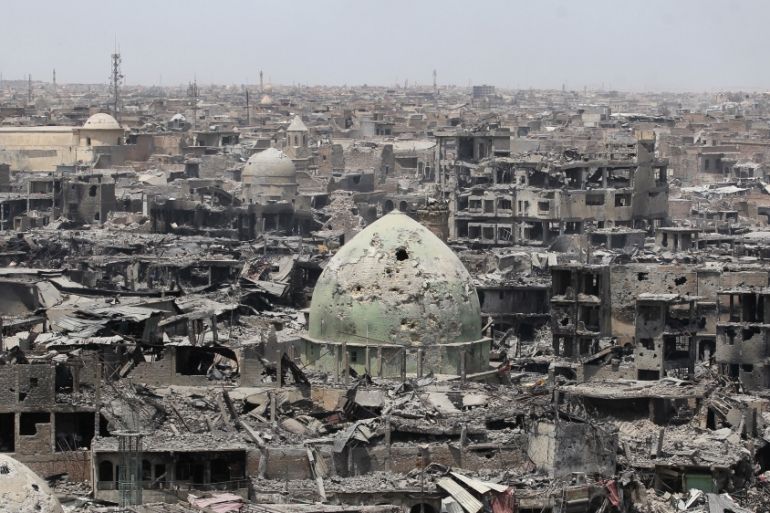
Note: Combat in urban areas is the most destructive type of warfare imaginable. Densely populated terrain, complex systems of systems that support human life, military weapons not optimized to these conditions, and asymmetric close-quarters battle tactics all make warfare in cities unforgiving for combatants, noncombatants, and cities alike. The unintentional—and at times intentional—destruction of the physical terrain, populations, and infrastructure of cities during combat leave effects that can be felt for generations.

The Cost of Militarism: Five Critical Failures
The real-world consequences of this aggressive doctrine reveal its profound flaws:

  1. It Fuels Instability, Not Security: Rather than preventing conflict, relentless threats and militarism spark arms races and regional tensions, creating a more volatile world.

  2. It Diverts Vital Resources: The trillions spent on expanding an already massive military budget are funds stripped from domestic needs like healthcare, education, and infrastructure, weakening the social fabric at home.

  3. It Erodes American Credibility: Unilateralism and constant threats have alienated traditional allies, weakened multilateral institutions like the UN, and driven some nations closer to America’s competitors.

  4. It Creates Humanitarian Crises: Airstrikes in Yemen, assassinations, and sanctions have resulted in thousands of civilian casualties, painting America as a nation that disregards international law and human rights.

  5. It Embraces Divisive Nationalism: The doctrine is often paired with a rhetoric of extreme nationalism, which deepens social divisions at home and exacerbates cultural and racial tensions abroad.

    Flags Handshake Stock Illustrations – 3,438 Flags Handshake Stock Illustrations, Vectors & Clipart - Dreamstime
    Note: A handshake between nations is a powerful symbol of peace and a commitment to cooperation, with its roots in showing peaceful intentions by demonstrating one is unarmed. While a handshake alone doesn’t guarantee peace, it is a crucial first step in a diplomatic process that can solidify agreements, build trust, and signify the end of conflict. It represents a mutual understanding and a desire for unity and collaboration.

Conclusion: The Need for a New Path
The “doctrine of peace through power” has been implemented under Trump in a way that guarantees the very opposite of peace. By choosing coercion over diplomacy and unilateral force over multilateral cooperation, this approach has damaged global stability and America’s moral standing. The world does not need more militarism. A secure and prosperous future must be built on the foundations of diplomacy, respect for international law, and genuine cooperation. The alternative—a path of endless conflict—is no path to peace at all.

Nationalism is blamed for this century’s wars, but nationalism need not mean militarism. And the nation-state has been the laboratory of liberty.

twitterlinkedininstagramflickrfoursquaremail

Posted on Leave a comment

The Philippines: Resilience and Resistance in an Archipelago of Contrasts

The Philippines: Where Western Legacy Meets Eastern Resilience

Nestled in the heart of Southeast Asia, the Philippines is more than an archipelago of over 7,000 islands; it is a nation of profound contrasts. It is a place where ancient Malay roots intertwine with centuries of colonial imposition, where deep-seated Catholic faith coexists with enduring animist traditions, and where a vibrant democracy is perpetually tested by the shadows of oligarchy and corruption. This is the story of a people whose famous resilience—lakas ng loob—has been forged through a history of resistance and adaptation.

Image 1: Courage


Cultural & Social Aspects: A Tapestry of Imposition and Adaptation

A blend of East and West is the cornerstone of Filipino identity. But to truly understand it, we must look deeper than just influence; we must see it as a layered history of resistance and assimilation.

  • The Spanish Imprint (1565-1898): The Spanish didn’t just influence religion; they systematically rebuilt society. They introduced the encomienda system, a precursor to feudal landownership that created a powerful landed elite class—the ilustrados and later, the oligarchs who still wield significant power today. Catholicism was a tool of pacification, but Filipinos syncretized it with pre-colonial beliefs, creating a unique folk Catholicism where church rituals blend with indigenous spirit-world traditions. This is evident in festivals like Pahiyos:
    Image 2: …at Lucban, Quezon Province.

    or the intense, sometimes bloody, devotion of Black Nazarene:

    Image 3: In a homily at Mass ushering the feast of the Black Nazarene, Cardinal Tagle urged devotees to distinguish between true devotion and fanaticism.
  • The American Alteration (1898-1946): Following the controversial Treaty of Paris (where Spain sold the Philippines to the U.S. for $20 million), American rule was framed as “benevolent assimilation.” This period was arguably more transformative in daily life than the Spanish era. The Americans established a universal public education system taught in English, effectively making the Philippines one of the largest Anglophone nations in the world. This created a cultural pipeline that persists today, fueling the massive Business Process Outsourcing (BPO) industry and the exodus of nurses, teachers, and seafarers (OFWs) to the West. The American model of government was also implanted, though it would be constantly manipulated by the local elite.

    Image 4: Ten days after Spain sold our country to the United States in the Treaty of Paris, another American invasion of The Philipines took place on this day in 1898. President William McKinley issued a proclamation, which he called “Benevolent Assimilation”, in which the United States declared that they would now subject The Philipines to their rule and that the military would carry out the scheduled annexation of The Philipines.
  • The Core Concept of “Kapwa”: Beyond the Western imports lies a core indigenous value: Kapwa. This is a profound concept of shared inner self, recognizing the fundamental interconnectedness of all people. It is the philosophical root of Filipino hospitality (pakikitungo), camaraderie (pakikisama), and the deep-seated sense of community and family (pamilya). This is why, despite the Western individualistic framework of their institutions, Filipino social life remains intensely communal and collectivist.

    Image 5: The concept of kapwa is not merely a cultural expression; it is a way of life for Filipinos. In a world often characterized by individualism and competition, the Filipino belief in interconnectedness offers a refreshing perspective on what it means to live in harmony with others.

Continue reading The Philippines: Resilience and Resistance in an Archipelago of Contrasts

twitterlinkedininstagramflickrfoursquaremail
Posted on Leave a comment

240 Journalists Executed: Israel’s 2-Year Assault on Truth in Gaza

How the West’s Silence Proves Journalists Are Targets, Not ‘Collateral Damage’

The Hard Truth

Over 240 journalists and media workers have been killed by Israeli forces in Gaza since 2022—one every 3 days for two straight years. The latest two were incinerated in their tents yesterday, their “PRESS” vests reduced to ash.

This isn’t “war.” It’s the deliberate silencing of witnesses to genocide.

Image 1: That’s what is left from the Press tent. the journalist from Aljazeera Anas Al-Sharif was killed yesterday by Israeli military attack

1. The Killing Machine: By the Numbers

  • 240+ journalists murdered (CPJ) — more than every global conflict since WWII combined.

  • 93% Palestinian (Al Jazeera, AJ+, local reporters).

  • 42 killed while live-streaming (direct targeting).

  • 0 convictions by Israel. 0 UN resolutions (US Vetoes).


1,400 healthcare workers killed in Israel’s systematic attacks on Gaza’s health system


Image 2: Al-Shifa Hospital in Gaza City, the largest hospital in the Gaza Strip, attacked by the Israeli military in November 2023, and, again in March 2024, when it was almost completely destroyed. (Photo: Omar al-Qattaa).

2. Intentional Targeting: The Smoking Guns

Evidence Israel Hunts Journalists

✅ 2023 Leak: IDF memo orders troops to “prioritize strikes on media infrastructure” (Reuters).

https://www.reuters.com/world/middle-east/israeli-military-tightens-media-rules-over-war-crimes-prosecution-concern-2025-01-08/

✅ 2024 Forensic Report: 78% of killed journalists shot in head/chest (sniper patterns). https://forensic-architecture.org/investigation/the-extrajudicial-killing-of-shireen-abu-akleh-extended-report

Image 3: killing of journalist Shireen Abu Akleh,, 2022

✅ 2022–2024: Repeated bombings of press offices (AP, Al Jazeera) and family homes of reporters. https://www.theguardian.com/world/2023/dec/21/israel-idf-accused-targeting-journalists-gaza

https://aje.io/v8v2ze

 Testimony from Surviving Journalist:
“They drone-striked our car after we filmed a mass grave. The message? ‘No evidence survives.’” https://forbiddenstories.org/en-journalists-drones-israeli-army-gaza/

3. Western Hypocrisy: Complicity in Real Time

Irony: The same governments that award Pulitzers for war reporting, fund the murder of Gaza’s truth-tellers.

4. From Victims to Perpetrators: Israel’s Nazi Parallels

  • 1940s: Zionists fled Hitler’s genocide, begged Palestinians for refuge.

  • 2020s: Israel bombs 80% of Gaza, starves millions, and systematically executes journalists.

Historical Mirror:

  • Nazi Germany: Burned books, banned free press.

  • Israel 2024: Burns press vests, murders reporters.

Image 5: 1945 Jewish ghetto survivor vs. 2024 Palestinian journalist in rubble

5. The Endgame: No Witnesses, No War Crimes

Israel knows: Dead journalists = No evidence for the ICC.

This isn’t chaos—it’s a cover-up. 

Image 6: Israel is occupying Gaza to clean up the crime scene

Call to Action

  1. Boycott Western media (BBC, CNN) complicit in silence.

  2. Flood the ICC with evidence (#ArrestNetanyahu).

  3. Share uncensored Palestinian journalists (@Motaz_Azaiza, @byplestia).

Image 6: Truth
twitterlinkedininstagramflickrfoursquaremail
Posted on Leave a comment

Moldova’s NATO Transformation: Europe’s Next Proxy War with Russia

EU arms flood in, defense budgets double, and Greece’s weapons factories gear up—as Moldova becomes NATO’s next Ukraine.

1. NATO’s Moldova Blueprint (2022-2030)

A. EU Militarization via the “European Peace Facility”

Image 1: European Union ambassadors will green-light the bloc’s biggest-ever lethal military aid package to Moldova, worth 20 million euros.

€60 Million Military Aid (2024):

    • Short-range air defense (to counter Russian drones) – “According to the proposal, seen by RFE/RL, some of the money will cover “eight short-range air-defense systems consisting of approximately eight launchers and approximately 24 missiles.”

    • Radar systems (surveillance of Transnistria)

    • French artillery + German armored vehicles (EU Commission Report)

  • 2030 Defense Strategy:

    • 1% GDP military spending (double 2023 levels)

    • Full NATO interoperability (joint drills, intel sharing)

B. U.S./NATO’s $1.5 Billion Arms Pipeline

  • Polish Piorun air defense systems (used in Ukraine) Piorun Missile (A Polish man-portable air-defense system, designed to destroy low-flying aircraft, airplanes, helicopters and unmanned aerial vehicles.)

    Image 2: Polish Piorun
  • Pirana armored vehicles + sniper kits

    Image 3: PIRANHA 8×8 APC
  • 2025 Plan: 50% increase in lethal aid (Modern Diplomacy)

2. Greece: NATO’s Balkan Arms Depot

A. Alexandroupolis Port: The New Ramstein

  • Current Role: 80% of Ukraine-bound arms transit here.

    Image 4: Providing military assistance to Ukraine and to counter malign actors and exercise and operate in the Balkans and eastern Mediterranean and the Black Sea region – Says former US def. minster Austin
  • Future Role: Moldova supply hub via Bulgaria-Romania rail lines. Quote from:Central European TimesRomania could also buy Moldovan port from EBRD

    The planned expansion of Constanta, along with Romania’s possible acquisition of Moldova’s River Danube port Giurgiulesti from the European Bank for Reconstruction and Development (EBRD), shows Romania’s long-term ambition to establish itself as a primary logistics node for CEE.

    The infrastructure upgrades could also establish CEE as a low-cost manufacturing hub, attracting companies who are seeking out shorter and more secure supply chains.

    The EU is meanwhile interested in strengthening CEE’s logistics capabilities and securing alternative trade routes. The transformation of Constanta into a hub would reshape trade dynamics in CEE and potentially draw more nations into EU-aligned economic initiatives.”

B. Hellenic Defense Systems (HDS)

  • Controlled by CSG Holdings (major Ukraine war supplier).

  • Production Surge:

    • Mortars for Moldova

    • Image 5: NATO’s military presence in the east of the Alliance – https://www.nato.int/cps/en/natohq/topics_136388.htm

      Ammo for NATO’s eastern flank

      3. The Transnistria Endgame

      Image 6: Industrial facilities have all been closed down in Transnistria since Gazprom cut off gas supplies. / bne IntelliNews
      A. Moldova’s Coming Offensive
      • Sandu’s 2024 Plan: “Reintegrate” Transnistria via:

        • Economic blockade (cutting Russian subsidies)

        • Hybrid warfare (cyberattacks, protests)

      • Russian Response: 10,000 troops will not evacuate (Crimea 2014 precedent).

      B. NATO’s Red Line

      • Article 5 Trap: If Moldova attacks Transnistria and Russia retaliates, NATO could be dragged in.

        Image 7: Russia says: Moldova’s alignment with NATO would “spell the beginning of the end” for the country, and accused Sandu of allowing Moldova to be used by the alliance in its standoff with Russia
      • Greek Targets: Russian strikes on Alexandroupolis would trigger NATO-Russia war.

      Visual: Map of Transnistria chokehold on Ukraine’s Odessa.

      Image 8: The tiny statelet of Transnistria is squeezed on all sides


      4. Global Implications

      A. BRICS Counter-Moves

      • Russia’s Warning: “Moldova will face ‘consequences’ like Ukraine.”

      • China’s Stance: Silent but monitoring NATO’s Balkan encirclement.

    • B. The Repeating Playbook

      1. Ukraine 2014: EU funds Maidan → War.

      2. Moldova 2024: EU arms Sandu → ?    “Moldova’s upcoming parliamentary elections, set for this September, are expected to be a defining moment for the country’s future — a choice between continuing on its path toward integration with the European Union or shifting back toward Moscow’s influence.”

This is Ukraine 2.0 in motion. Share everywhere. Demand:

  1. Halt EU arms to Moldova

  2. Expose NATO’s Greek arms factories

  3. Sanction CSG Holdings

Tag your MPs. #StopMoldovaWar

twitterlinkedininstagramflickrfoursquaremail