
With the resignation of Keir Starmer, British political circles are preparing to unveil the seventh Prime Minister of the country in the last 10 years. Seven leaders. One decade. A political system that devours its own. 😔📉
Starmer announced his resignation on Monday, and his rival Andy Burnham quickly announced his intention to succeed him as party leader. The Washington Post writes that Starmer’s withdrawal was not just the result of political scandals. It was primarily due to his structural failure to pull Britain out of recession and fulfill his major election promises. 📉❌
The question echoing through Westminster is simple but profound: Why does British politics swallow its leaders? 🏛️💀
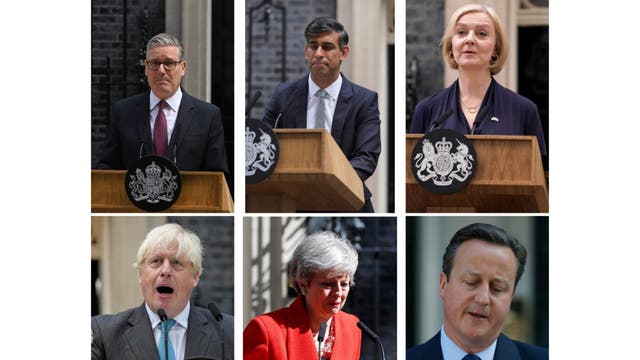
The Starmer Collapse: From Hero to Zero 📉😔
According to reports, Starmer’s popularity in the English domestic arena quickly fell to the lowest level among Western leaders after a historic and decisive victory. 🏆➡️📉
What caused this rapid decline?
First, Starmer retreated in less than three months from key commitments:
-
He promised not to increase national insurance tax—he did ❌
-
He promised not to impose value-added tax on private schools—he did ❌
These broken promises led to:
-
Government spending reaching unprecedented levels 📈
-
A severe budget deficit 💸
-
Widespread public disillusionment 😤
Instead of dismantling the bureaucracy hindering construction and investment, Starmer’s government turned to interventionist policies that the Washington Post described as “dubious government tricks to gain temporary popularity.” 🎭
The final blow came when it was revealed that Starmer ignored previous warnings about the role of British Ambassador to Washington Peter Mandelson in the Jeffrey Epstein case—a scandal involving convicted sexual crimes. ⚖️💔

The Next Chapter: Burnham’s Interventionist Gamble 🔄🏛️
The Washington Post warns that Starmer’s rival, Andy Burnham, is taking an even more government intervention-leaning approach through:
-
Calls for mandatory commodity pricing 🏷️
-
Nationalization of the energy sector ⚡
-
Nationalization of the water sector 💧
These policies could face a strong and decisive response from financial markets. 📉💥
Burnham has a unique personality—partly built through his social media posts about football ⚽📱—but whether that translates into successful governance remains to be seen. The pattern suggests that popularity alone is not enough to survive Britain’s brutal political environment. 🎭🔄
Why Does British Politics Swallow Its Leaders? The Four Factors 🔍📋
In response to the question of why British politics causes the rapid downfall of its leaders, the Financial Times identified four key factors.
A. Brexit: The Unrealizable Ceiling 🇪🇺➡️🇬🇧
Starmer’s resignation came one day before the 10th anniversary of Britain’s vote to leave the European Union. Brexit created a logistical nightmare and an unrealizable ceiling on public expectations. 📈❌
Instead of solving structural crises, successive governments have spent half a decade discussing the form of relations with Europe.
According to former Treasury Secretary Jeremy Hunt, Brexit’s impact is deeper than one might think:
-
It deprived Labour of its traditional base in northern regions 🏭
-
It deprived Conservatives of support in wealthy southern regions 🏡
-
It paved the way for populist currents led by Nigel Farage 🗣️
Expert Luke Trail emphasizes that Britain’s gap is no longer between right and left. It has become an interference of opinions that makes stable coalition-building nearly impossible. Society is divided between those who want maintenance and development of institutions and those who want to destroy traditional institutions. 🏛️💥

B. Individual Mistakes: A Catalogue of Failure 📜❌
Since 2016, no British Prime Minister has successfully managed the challenges they faced:
| Prime Minister | Downfall |
|---|---|
| David Cameron | Called a referendum he lost |
| Theresa May | Early elections and poor campaign eroded authority |
| Boris Johnson | Personal scandals and Covid-era parties |
| Liz Truss | Economic carelessness collapsed the market |
| Rishi Sunak | Failed to deliver a convincing vision |
| Keir Starmer | Broken promises and scandal |
The Financial Times notes that Starmer’s mistakes included unrealistic promises and an inability to make decisive, difficult political decisions—such as the defense spending case.
The current crisis is about leaders who have made fundamental and gross mistakes that would bring them down in any period. The pattern repeats. The names change. The result is the same. 🔄💔

C. Economic Recession: The Unforgiving Engine 📉💸
England has not recovered from the 2008 financial crisis. Its growth is slower than other rich countries due to the large size of its financial sector. 🏦📉
Paul Johnson, former director of the Institute for Financial Studies, believes that the economy is the main engine of politics. Voters are tired of their living conditions not improving for the last 20 years or so. 😔💷
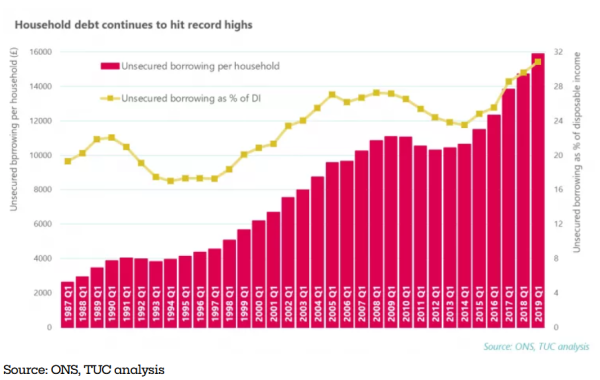
The numbers tell a grim story:
-
Since 2010, Britain’s public debt has increased at an unprecedented rate
-
The country’s share of GDP has tripled 📈
-
Taxes have reached record levels 💰
-
Despite this, £1 in every £12 of government revenue goes to paying interest on debts 💸
Successive Prime Ministers have focused on increasing costs to treat problems rather than dealing with their causes and enacting real reforms. This has led to stable incomes and exacerbated the livelihood crisis caused by severe inflation since 2022. 📉🔥
D. Virtual Dissatisfaction: The Netflix-ification of Politics 📱🎭
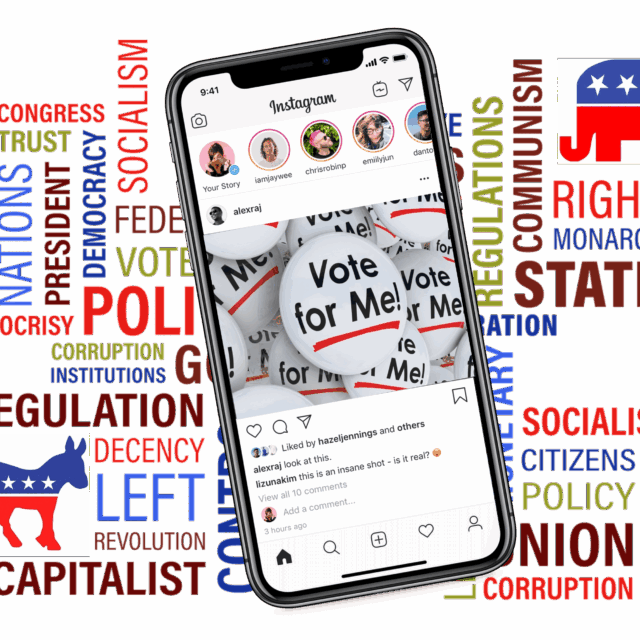
The rise of platforms like X and Facebook has brought fundamental changes to Britain. Politics has become a customized product based on voter demand—a phenomenon the Financial Times likened to “Netflix.” 🎬📱
The consequences:
-
The emergence of “personalization policy and digital charisma” 🎭
-
Political leaders lose popularity after the first day of power 📉
-
It is difficult to get people’s support based on popularity alone ❌
This creates a cycle: politicians rise on charisma, struggle to deliver in a complex reality, and are quickly discarded by a public that treats politics like entertainment. 🔄💻
A System in Crisis 🇬🇧💔🏛️
Seven Prime Ministers in ten years. A political system that devours its leaders. A public that has lost faith. An economy that refuses to recover. 🇬🇧😔
The underlying causes are structural:
| Factor | Impact |
|---|---|
| Brexit | Unrealistic expectations and endless negotiations |
| Individual failure | Leaders who make fundamental mistakes |
| Economic stagnation | Two decades without real improvement |
| Digital politics | Charisma without substance, quickly discarded |
Andy Burnham may be the next Prime Minister. But the pattern suggests he will face the same challenges—and perhaps the same fate—as his predecessors. 🔄
Britain is not just cycling through leaders. It is cycling through failed models of governance. The question is not “Who will be next?” but “How long before this system collapses entirely?” 🤔💥
When a nation cannot sustain its leaders, it cannot sustain its future. And Britain’s future remains uncertain—caught between nostalgia for its past and fear of its future. 🌅❓