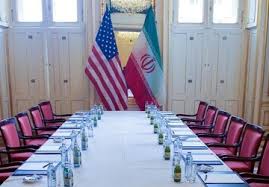
Posted on Leave a comment

The Suicide of a Superpower: How Iran Defeated the American Empire 🇺🇸💀🇮🇷

Introduction: 🌍💥

The decline of the American superpower is not unfolding on some distant, neutral battlefield. It is happening in Iran—a nation that refused to bend, refused to humiliate itself, and refused to surrender. 🇮🇷🛡️

The Americans invaded expecting a quick collapse. They expected the Iranian people to rise against their leaders. They expected missiles to fail and resistance to crumble. Instead, the opposite has happened. 💥🔄

Today, the footprints of Iran’s leadership are found not in hiding, but in universities, hospitals, schools, factories, and bridges—the living infrastructure of a nation that continues to function, to resist, and to build, even under the heaviest bombardment. 🏥🏫🏭🌉

Iran News: Official Reveals 25% of Professors Have Left Iran Amid Escalating Brain Drain Crisis - NCRI
The regime the Americans expected to collapse is still standing—and still serving its people

The Trap That Became a Swamp 🪤➡️🏞️

The architects of this war miscalculated catastrophically. They believed Iran was a “two-day job.” They were wrong. 🙅‍♂️💥

What the aggressors did not anticipate:

Expectation Reality
Quick Iranian collapse Steadfast resistance
Regime isolation National cohesion
Weak missile power Devastating precision strikes
Control of the Strait Iranian dominance

Iran’s missile power has not been silenced. Every day, it targets enemy bases and economic centers across the Persian Gulf with greater intensity than the day before. 🚀💥

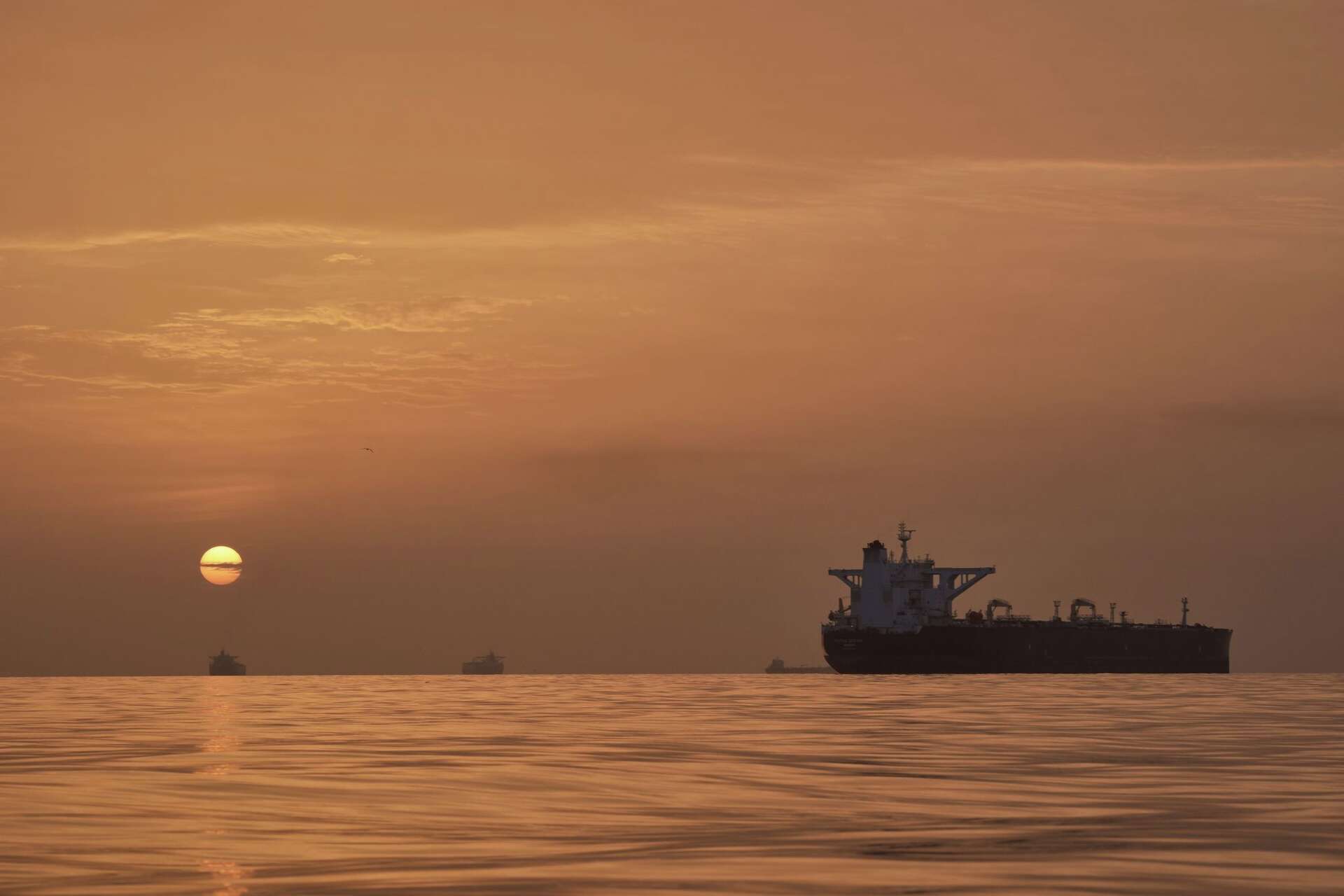
The Strait of Hormuz—the world’s most critical waterway—is no longer under American control. Iran holds the cards. And Washington has no answer. 🌊🔑

Missile Silhouette Stock Photos, Images and Backgrounds for Free Download
The Strait of Hormuz is no longer an American lake

The Fool and His Promise: “A Gift to the Iranian People” 🎁🤡

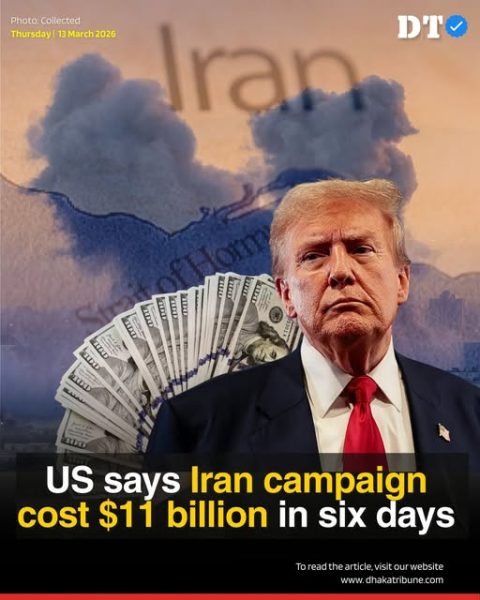
In a desperate attempt to project strength, Trump—whom the text describes as a fool deceived by Netanyahu’s false promises—announced he wanted to give the Iranian people a “gift.” 🎁

But why? Why now?

The reason is simple: The donkey is stuck in the swamp. 🐴🪤

  • America cannot win militarily

  • America cannot control the Strait

  • America cannot protect its bases

  • America cannot find an exit strategy

The promise of a “gift” is not generosity. It is the bargaining of a trapped man who does not know how to free himself. 😤🚪

During Netanyahu visit, Trump warns Iran of further US strikes if it reconstitutes nuclear program
The architects of a miscalculation that became a catastrophe

The Lie That Started It All: “Two Days of Work” 📅❌

Netanyahu sold Trump a fantasy: that Iran’s entire military power could be destroyed in two days of work. 🗓️⚡

Now, those same two criminals watch helplessly as:

  • Iran’s resistance hardens by the day

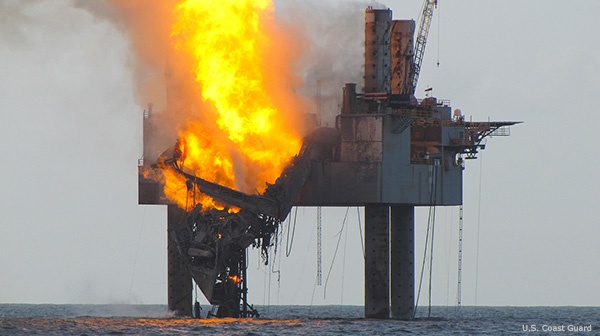
  • American bases burn

  • Economic centers crumble

  • The Strait of Hormuz becomes an Iranian fortress

The brutality of the American “Wild West”—the threats, the sanctions, the bombings—has failed. Iran has not landed at the command of these two criminals. It has stood firm. 🇮🇷✊

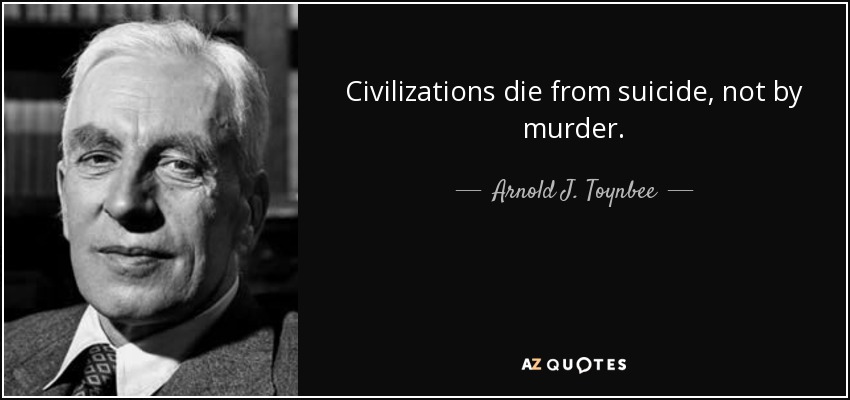
Toynbee’s Prophecy: The Suicide of a Superpower 📜💀

Arnold Toynbee, one of the most prestigious historians of the 20th century, famously wrote:

“Civilizations die of suicide, not murder.”

Today, in Iran, the world is witnessing the truth of those words. 🇮🇷👁️

The American superpower is not being “murdered” by a foreign enemy. It is committing suicide—through:

Act of Suicide Evidence
Arrogance Believing Iran would collapse quickly
Ignorance Misunderstanding Iranian resilience
Brutality Unrestrained violence without strategy
Stubbornness Refusing to accept defeat

Like Venezuela before it—another nation that refused to bend or humiliate itself—Iran is standing as a gravestone marking the end of American unipolar arrogance. 🪦🇺🇸

TOP 25 QUOTES BY ARNOLD J. TOYNBEE (of 53) | A-Z Quotes
“Civilizations die of suicide, not murder.” — Arnold Toynbee

Conclusion: Historicizing the Right to Defend 📖🇮🇷

The world has witnessed something remarkable. Through the mirror of American crimes and the hard, conscious resistance of the Iranian people, we have seen the decline of a superpower reduced to a fool at its helm—a president who gathers in Christian language, waiting for the return of Jesus Christ, while his bombs fall on Muslim lands. 🙏💣

Iran is not just surviving this war. Iran is historicizing its right to defend itself. 📜⚔️

The story of this conflict will be written not as an American victory, but as a chapter in the long, slow suicide of an empire that forgot its limits. Washington wanted to humiliate Tehran. Instead, Tehran has exposed Washington. 🌍💥

The superpower is stuck. The swamp is deep. And the donkey—for all its kicking and pushing—cannot find solid ground. 🐴🪤

Meanwhile, Iran builds universities, treats its sick, educates its children, and repairs its bridges. The resistance continues. And the world watches as history unfolds—not as the West predicted, but as the East endured. 🇮🇷❤️

Free Photos | Iran flag
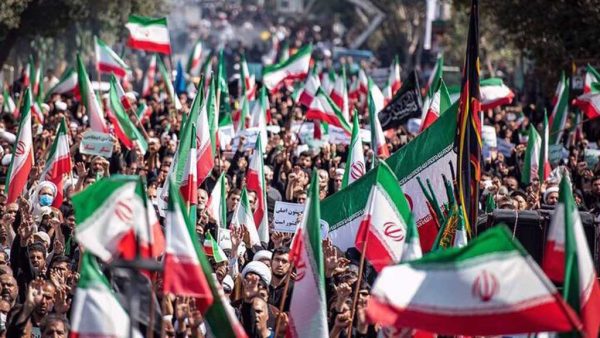
The flag still flies. The nation still stands
twitterlinkedininstagramflickrfoursquaremail
Posted on Leave a comment

The Strategic Impasse: How Iran’s Invasion Became America’s Nightmare 🇺🇸💥🇮🇷

Introduction: 🌍🔥

The military aggression of the United States and the Zionist regime(Israel) against Iran was meant to be a decisive blow—a swift operation to destabilize Tehran and reshape the Middle East. Instead, it has become the most complex global crisis of the 21st century. 💥

Contrary to Pentagon calculations, Iran’s power structure did not collapse. On March 17, the Assembly of Experts elected Ayatollah Mojtaba Khamenei as the third leader of the revolution with unprecedented speed and unity—a clear message to the world: the doctrine of resistance continues. 🏛️⚡

Now, the consequences of this American aggression have spiraled far beyond the battlefield. With oil prices soaring, global recession looming, and America’s diplomatic isolation deepening, Washington finds itself in a strategic deadlock—a trap of its own making. 🇺🇸🪤

The war that was supposed to be quick became a quagmire. Now Washington faces an impossible choice.

1. Global Shock to the Energy Market and International Economy 🛢️📉

The invasion targeted the beating heart of the world’s energy supply—and the global economy immediately entered a critical phase.

Impact Scale
Brent oil price surge 40% jump in 48 hours, past $140/barrel
Shipping insurance costs 500% increase in the Strait of Hormuz
Energy transit disruption Crippling delays to China and Europe

This is the heaviest price shock in decades. While Trump’s rhetorical interventions briefly eased prices, the underlying instability remains. Global inflation has been reignited, and supply chain stability in Western markets has plummeted to its lowest level this century. 📊💥

When the heart of global energy burns, the whole world feels the heat.

2. Domestic Political Crisis in America 🏛️😤

Donald Trump launched this military aggression without obtaining final permission from Congress—and that decision has now become a political fault line running through the heart of Washington. ⚖️💢

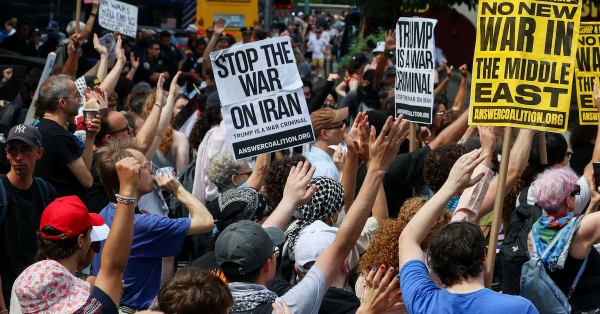
Gallup polls show the administration’s popularity in free fall, dipping below 30 percent. The American public, weary from decades of endless wars in the Middle East, is expressing its anger. Major cities have become centers of anti-war rallies, with protesters chanting: “No to another war in the Middle East!” 📢✌️

This gap between the White House and the people—combined with fractures within the power structure itself—has left Washington paralyzed: unable to either decisively continue the battle or accept a humiliating retreat. 🔄🚫

On the home front, the political price of war is soaring.

The Deal That Was: Oman’s Revelation 🇴🇲🤝🇮🇷🇺🇸

Before the bombs fell, there was progress—real progress. According to statements from Oman’s Prime Minister, who personally mediated the secret negotiations between Iran and the United States, the two sides were closer than ever to a historic breakthrough. 🕊️✨

What Oman revealed:

Point Detail
Iran’s commitment Accepted to stop all uranium enrichment
Reduction agreement Agreed to reduce existing enriched uranium stockpiles
The momentum “Huge progress” was being made
The shock “All of a sudden, they attacked the country”

This revelation shatters the official narrative that military action was necessary to prevent Iran from obtaining nuclear weapons. Iran was already stepping back. The bomb was not the threat—the negotiation’s success was. 💣🚫

The question now haunts diplomatic circles: Why attack when victory was already being achieved at the table? 🤔💥

For the global audience, Oman’s words confirm what critics suspected: this war was never about non-proliferation. It was about something else entirely. 🌍👀

What happened to the deal that was almost done?

3. Changing the Balance of Power and Stabilizing Iran’s Political Structure 🇮🇷📈

The Pentagon’s entire strategy rested on a single assumption: that military pressure would cause Iran’s power structure to collapse. This was a catastrophic miscalculation. 💥🤦

Instead of division, the invasion became a driver of national cohesion. The turning point came on March 9, when the Assembly of Experts elected Mojtaba Khamenei as the new leader with remarkable speed and determination. This was not a regime in chaos—it was a system demonstrating its resilience. 🏛️⚡

The message was unmistakable:

  • ✅ No power vacuum emerged

  • ✅ The doctrine of resistance continues

  • ✅ Domestic political currents unified around national defense

Washington’s dreams of regime change have transformed into a nightmare of military attrition. Its psychological operations? Rendered completely ineffective. 📉💔

The invasion that was supposed to divide Iran united it instead.

4. Imposing Exorbitant Financial and Logistics Costs on America 💰📉

This war is a financial catastrophe for an American economy already struggling with chronic inflation. According to analysis by the Center for Strategic and International Studies (CSIS) :

Timeframe Cost
Daily operational costs $1.8 – $2 billion
6 months of war Over $360 billion
Long-term (veterans + fleet) $2.5 trillion burden

These are not abstract numbers. They represent:

  • Taxpayer dollars diverted from domestic needs 🏥📚

  • Inflationary pressure that hits every American household 🏠

  • A debt burden that will constrain the economy for decades ⏳

The Pentagon, for all its power, cannot escape the brutal arithmetic of attrition. ✖️💥

The math of war: numbers so large they defy comprehension.

5. Diplomatic Isolation and Rifts in Traditional Coalitions 🌍💔

Washington now faces the most severe divergence among its allies in modern history. The cracks are visible everywhere:

Region Response
🇩🇪 Germany Closed airspace to US military flights
🇫🇷 France Refused overflight rights
🇪🇺 Europe NATO effectiveness at historic low
🇬🇧 UK Standing with US—creating EU bipolarity
🇦🇪 Gulf States Official neutrality declared

Logistics impact: The European airspace closures alone have increased Pentagon operational costs by 20 percent. ✈️💰

In the Persian Gulf, despite hosting American forces at their bases, Arab governments issued coordinated statements declaring neutrality, refusing to allow their “soil and airspace” to be used for offensive operations against Iran. 🛑🌍

This forced neutrality has:

  • Limited America’s strategic depth

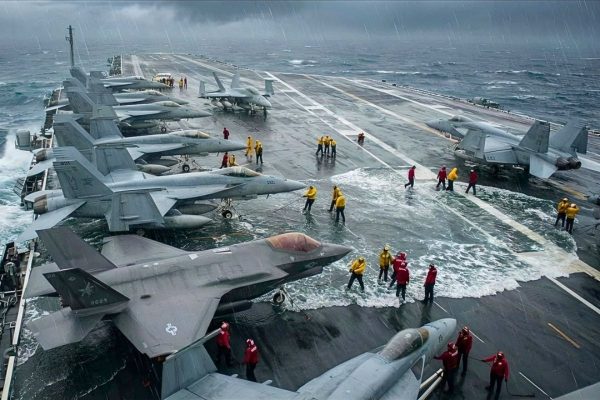
  • Pushed the operational burden onto distant aircraft carriers

  • Revealed the crumbling foundations of traditional US coalitions

    When allies become obstacles: the unprecedented rift in Western unity.

6. National Security and Stalemate in Symmetrical and Asymmetrical Battles ⚔️🔄

Iran operationalized its doctrine of “mosaic defense” —expanding the battlefield across the entire region. The results have shocked the Pentagon:

Asymmetric Impact Scale
US casualties (first 48h) 650 killed and wounded
Missile accuracy Fateh missiles challenged Patriot systems
Resistance coordination From Lebanon to Yemen, unified response
CENTCOM crisis Unprecedented personnel and infrastructure threat

Pentagon reports to Congress now acknowledge a terrifying reality: the US military can only sustain this level of asymmetric attack for a limited number of days due to logistical weaknesses. 📉💥

Washington has entered a “strategic impasse” —where the costs of staying in the region now exceed America’s military and political capacity to bear them. 🪤🇺🇸

Iran hits 6 US military sites across Gulf: Report
The mosaic defense: Iran’s answer to American firepower.

Conclusion: From Hegemony to Strategic Impasse 🏛️➡️🪤

America’s military aggression against Iran should not be viewed as just another regional conflict. It is a historical miscalculation that has fundamentally altered the power paradigm in the Middle East. 🌍💥

Washington entered this battle believing it could create a power vacuum in Tehran. Instead, it:

  • ✅ Cemented Iran’s internal cohesion around new leadership

  • ✅ Activated asymmetric defense capacities that trap the US in an “erosion cycle”

  • ✅ Triggered diplomatic isolation among traditional allies

  • ✅ Caused irreparable shocks to global energy markets

  • ✅ Revealed that the era of unilateral hegemony is over

The cost-benefit balance has shifted—decisively and permanently—against American national interests. 📉🇺🇸

Now, the United States faces an impossible choice:

Option Consequence
Continue the war Accelerated decline, dollar weakening, regional influence collapse
Accept new realities Return to diplomatic table before domestic crisis explodes

For its part, Iran has demonstrated something the Pentagon’s equations could never predict: strategic maturity. Not just in survival, but in crisis management and the imposition of mutual costs. 🧠🇮🇷

The question hovering over Washington is simple: How much more will America bleed before it accepts that the old rules no longer apply? ⏳👀

As Oman’s revelations confirm, this war was never necessary. Iran was already stepping back from the nuclear edge. The bombs that fell were not about preventing a threat—they were about something else entirely. And now, the entire world pays the price. 🌍💔

The choice before an empire: continue the bleed or accept a new balance.
twitterlinkedininstagramflickrfoursquaremail
Posted on Leave a comment

From Caracas to the Monroe Doctrine: State Kidnapping as Superpower Policy

The pre-dawn kidnapping of Venezuelan President Nicolás Maduro and his wife on January 3rd was not a covert “operation.” It was a state-sponsored terrorist act, a public demonstration of raw imperial power. This event marks the explicit return of the Monroe Doctrine as active U.S. policy, where the Western Hemisphere is treated as a backyard to be policed through militarism, disruption, and brute force. Framed within a fabricated “war on drugs,” this action reveals a superpower logic that has abandoned all pretense of international law, offering only the stark choice between obedience and destruction.

Power from the current American Administration rarely arrives empty handed.
Those who claim to help are often drawn by what lies beneath the soil, the water, the oil, the gold, the soul of a nation. History has taught us this lesson more than once.

The Blueprint of a Bully: From “Drug War” to State Kidnapping
The operation followed a familiar, sinister blueprint: electronic warfare, systemic paralysis, and a precision military strike—not on a battlefield, but in a private residence. This was the culmination of months of escalated U.S. military presence in the Caribbean, reconnaissance flights, and blockades, all laundered under the hollow label of “fighting drug trafficking.” As even U.S. congressional critics noted, the official narrative was a pretext. The real target was never drugs; it was sovereignty.

Following the kidnapping, Donald Trump spoke not as a head of state, but as a colonial proprietor. He declared Venezuela must be “governed” by the United States, its resources “used correctly” for America’s share. The Monroe Doctrine was invoked not as history, but as a program for today: a divided world where security is synonymous with submission, and humanity is eliminated by softened force.Cyber Warfare: How Nations Are Preparing for Digital BattlesCyber Warfare: How Nations Are Preparing for Digital BattlesExploration conducted for this edition was supported by web searches, insights from open-source papers, and assistance from AI language modelsExploration conducted for this edition was supported by web searches, insights from open-source papers, and assistance from AI language models

Cyber warfare can be state-sponsored or carried out by non-state actors, such as terrorists or hacktivist groups, and often aims to achieve political, economic, or military objectives. The ambiguity surrounding the attribution of such attacks complicates international relations and raises concerns about how to respond appropriately to cyber threats.

The Hollow Pretext: Security as a Synonym for Militarism
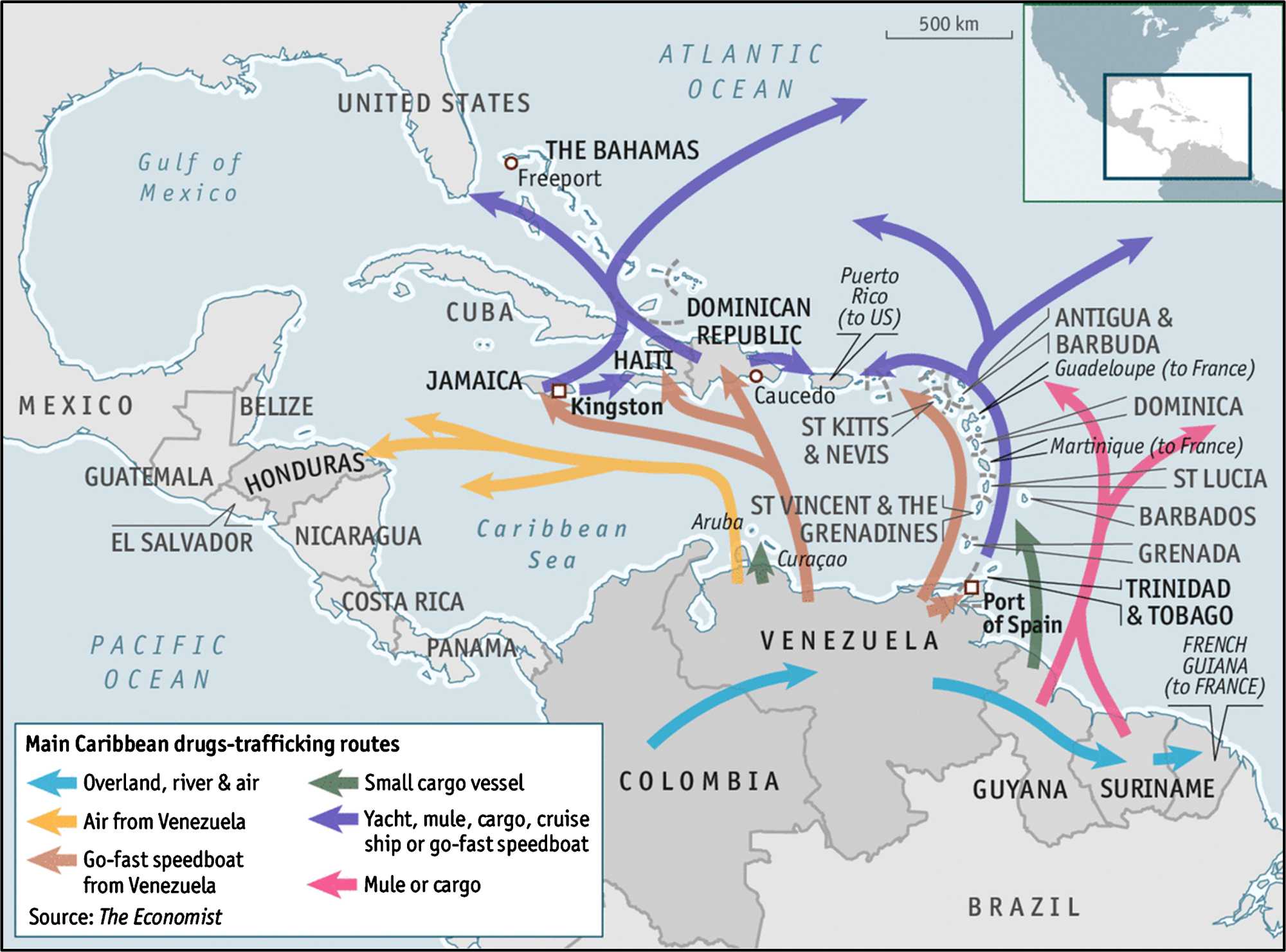
The advertised framework—narco-terrorism, security, limited operations—is a manufactured cover. U.S. data itself confirms the primary drug routes run through Mexico and Central America, not Venezuela. For Trumpism, reality is irrelevant; the political label is sufficient. “War on drugs” has become the ideological camouflage for state terrorism and kidnapping. In this logic, “security” is stripped of any meaning beyond the institutionalization of bullying and the right of a superpower to eliminate any society that is not aligned or obedient.

Drug Trafficking routes within the Caribbean. Source: The Economist (2014, 24th May. Full Circle—An Old Route Regains Popularity with Drug Gangs).

The Multipolar Trap: Desperation, Escalation, and the Crushing of Sovereignty
But this policy isn’t just simple, one-sided bullying. It is the desperate reaction of a fading hegemon in an emerging multipolar world. When the U.S., feeling its unilateral dominance slip, resorts to state kidnapping as a tool of politics, it does more than violate sovereignty—it lowers the threshold for global conflict and provides a template for other powers. In a world with multiple centers of power, every act of aggression by the American superpower creates a moral and political justification for rivals to ask: “If the hegemon can abandon all rules, why should we restrain ourselves?”

The reactions from Moscow, Beijing, and Tehran were predictable condemnations. But beyond the statements, a more dangerous dynamic is set in motion: competitive destabilization. Every military shock creates a counter-shock. Every normalization of state violence sets a new, brutal standard. The world is not simply splitting into two camps; it is fracturing into a volatile arena where multiple powers, including a rising Global South, may feel empowered or compelled to use force to secure their interests, sacrificing law and human security in the process.

Within Venezuela as well, the outcome is clear: the militarization of political space. External bullying becomes the fuel for internal repression. This is the enduring rule: militarism and external aggression serve to justify oppressive domestic governance, crushing society between the twin forces of foreign intervention and state crackdown.

The engine of escalation: one act of aggression justifies the next, locking the world in a cycle of mirrored militarism.

Against the Inhuman Blocs, For a Crushed Society
The kidnapping in Caracas brought no liberation, only a clearer exposure of the bullying empire’s face. It underscores a world where capital blocs harden, and war becomes a routine tool for adjusting power. The masses are crushed between sanctions, proxy wars, and normalized aggression.

This moment demands a clear stance: alignment with power blocs is a dead end. Not with the desperate, repressive American empire, nor with the authoritarian powers of Beijing or Moscow that pose as counter-hegemons while oppressing their own people. The promise of a multipolar world is hollow if it merely replaces one master with several. True emancipation will not come from state kidnapping, imperial bombings, or the cynical projects of competing powers. Our place is alongside the people and societies being crushed under the wheels of this transition—in the Global South and within the heart of the empires themselves. The path forward is built in opposition to a world order that sacrifices humanity on the altars of hegemony and multipolar rivalry.

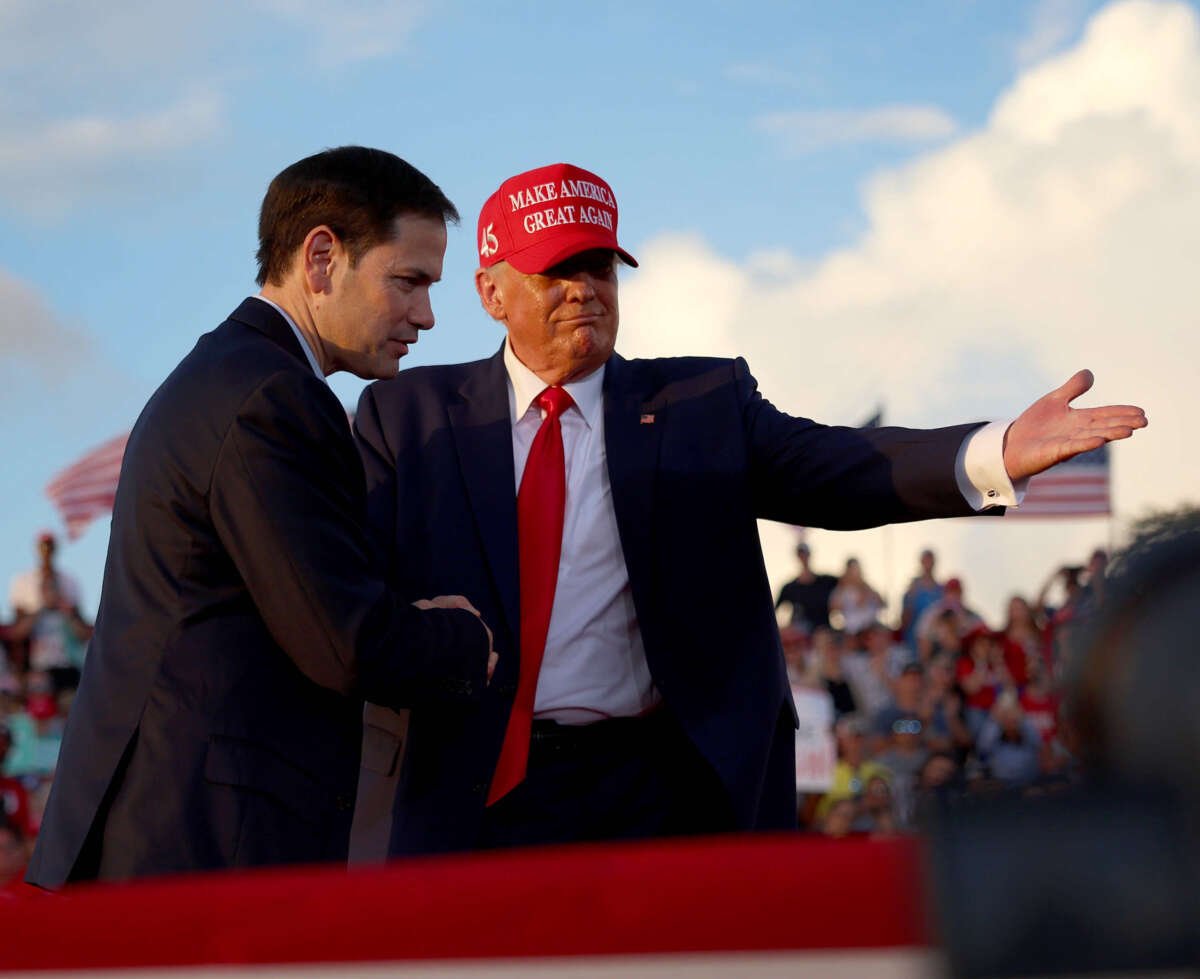
Trump's Appointments Reflect a More Openly Hawkish Face of US Empire | Truthout
Trump’s Appointments Reflect a More Openly Hawkish Face of US Empire | Source: Truthout
twitterlinkedininstagramflickrfoursquaremail
Posted on Leave a comment

“Drug War” or Oil War? The Real Reason US Warships Are Heading to Venezuela

Washington’s hypocrisy is on full display: sending destroyers to “fight drugs” while actively starving a nation and plotting regime change over the world’s largest oil reserves, this time Venezuela.

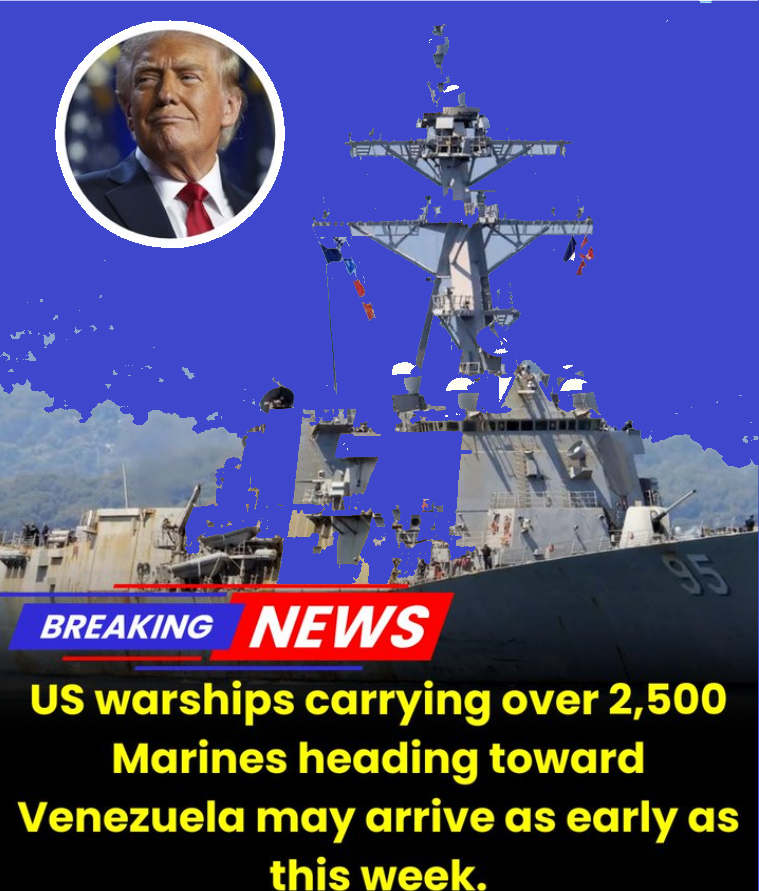
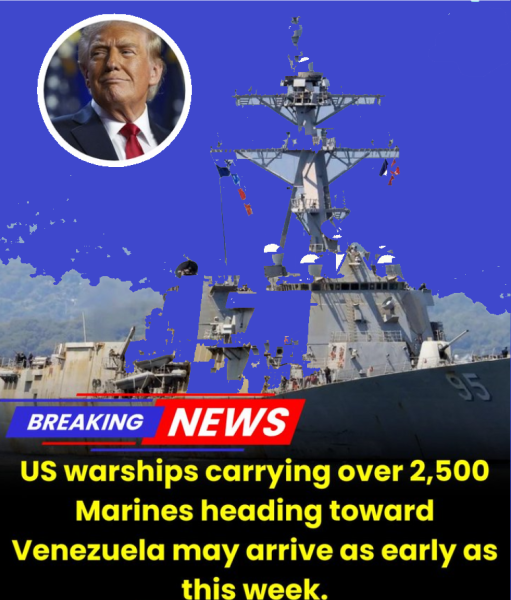
Image 1: US warships carrying over 2,500 Marines heading toward Venezuela may arrive as early as this week

1. The “Anti-Drug” Mission: A Classic US Pretext

The United States has announced it is sending three warships toward Venezuelan waters under the guise of combating “narco-terrorism.” This is not a new script.

We’ve seen this before:

  • Iraq 2003: “Weapons of Mass Destruction”

  • Libya 2011: “Protecting Civilians”

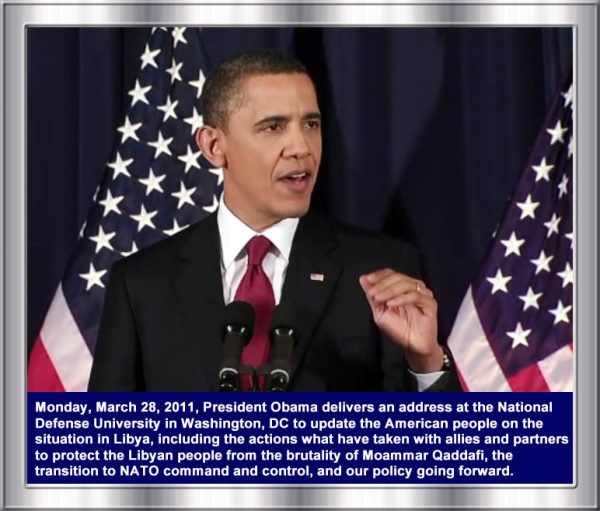
    Image 2: The United States has deployed to support for Libya’s people of freedom and their prosperity to continue in secure manner: a naval force of 11 ships, including the amphibious assault ship USS Kearsarge, the amphibious transport dock USS Ponce, the guided-missile destroyers USS Barry and USS Stout, the nuclear attack submarines USS Providence and USS Scranton, the cruise missile submarine USS Florida and the amphibious command ship USS Mount Whitney. Additionally, B-2 stealth bombers, AV-8B Harrier II ground-attack aircraft, EA-18 and F-15 and F-16 fighters have been involved in action over Libya.U-2 reconnaissance aircraft are stationed on Cyprus. On 18 March, two AC-130Us arrived at RAF Mildenhall as well as additional tanker aircraft. On 24 March 2 E-8Cs operated from Naval Station Rota Spain, which indicates an increase of ground attacks. The Following map shows where the location that Pro-Gaddafi forces controlled and where the place controled by anti-Gaddafi forces: Source: wikipedia
  • Syria: “Fighting Terrorism”

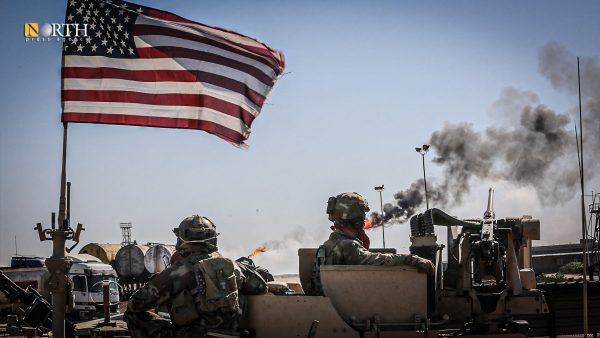
    Image 3: We will maintain our mission in northeast Syria: US – North press agency

Now, Venezuela is the next target—and the excuse is just as transparent.

The real goal? To destabilize the government of Nicolás Maduro, who Washington refuses to recognize because he dares to prioritize Venezuelan sovereignty over U.S. demands.

2. The Oil in the Room: Why Venezuela Really Matters

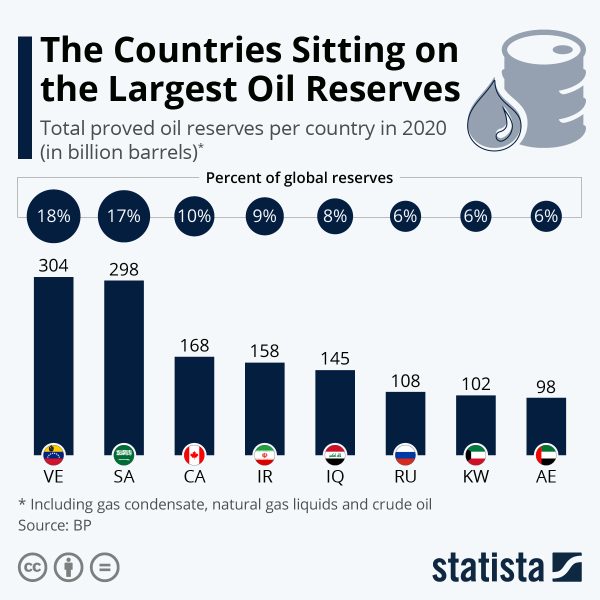
Venezuela holds the largest proven oil reserves on the planet. That is not a coincidence—it is the reason.

Image 4: Venezuela is the biggest oil reserves in the world with its 304 billion barrels.

The U.S. does not intervene in:

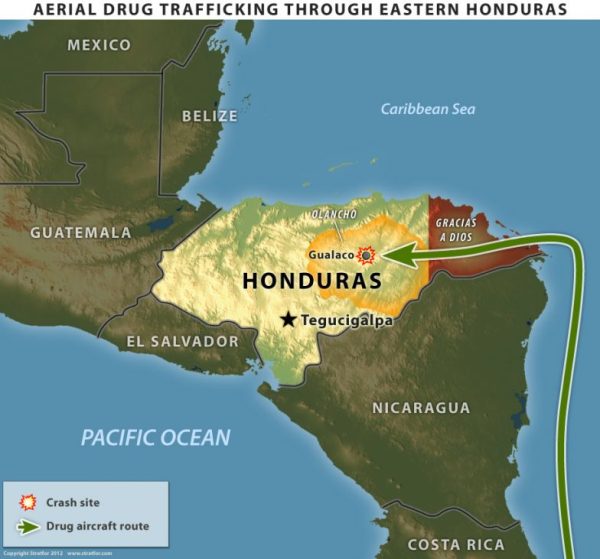
  • Real drug hubs in Honduras or Guatemala

    Image 5: Narcotrafficking network in Honduras
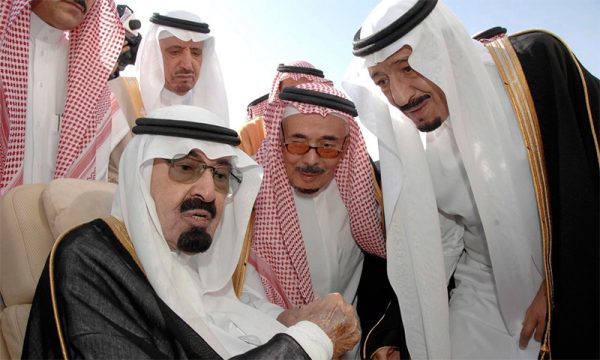
  • Actual dictatorships like Saudi Arabia

    Image 6: Call them ‘Dictators’, not ‘Kings’

It intervenes where strategic resources are at stake. The playbook is simple:

  1. Sanction the country into economic crisis.

  2. Fund opposition movements and call them “the real government.”

  3. Create humanitarian chaos.

  4. Invade or orchestrate coup under a “humanitarian” or “anti-drug” pretext.

It’s regime change 101.

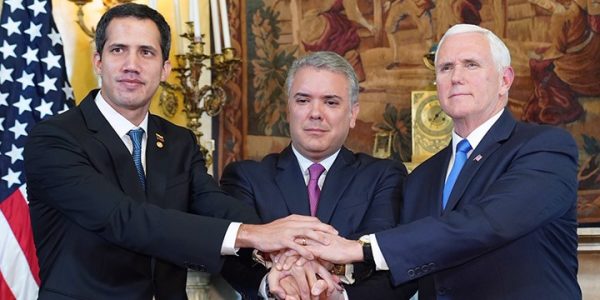
3. The “Guaidó Project”: A Failed Puppet

Image 6: Left to right: coup leader Juan Guaidó, Colombian President Iván Duque and Vice President Mike Pence

For years, the U.S. backed Juan Guaidó—a man who never won a national election—as the “legitimate” president of Venezuela. The goal was to create a parallel government willing to hand over Venezuela’s oil to U.S. corporations.

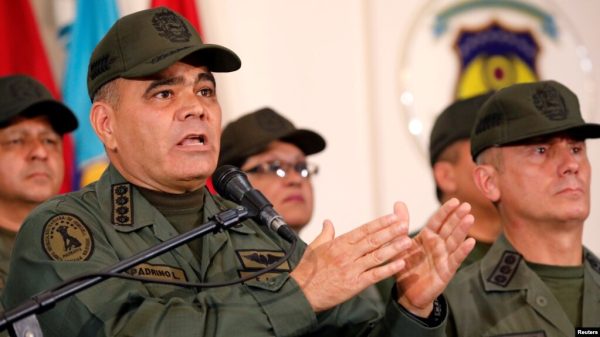
The plan failed. Guaidó had no real domestic support, and the Venezuelan military remained loyal to Maduro.

Image 7: Venezuela Defense Chief Says Troops to Remain Loyal to Maduro

Now, with diplomacy failing, the U.S. is escalating toward military intimidation.

4. Sanctions = Economic Warfare

The U.S. has imposed crushing sanctions on Venezuela:

  • Blocking oil exports

  • Freezing foreign assets

  • Limiting food and medicine imports

These are not “targeted” sanctions. They are collective punishment designed to make the population suffer until they overthrow their own government.

The result? The richest country in oil is now one of the poorest in stability—by U.S. design.

Image 8: Venezuela indeed should be paradise, but because of the US sanctions the total poverty exceeded 87% in 2017

5. What’s Next: Syria in Latin America?

If the U.S. succeeds in triggering unrest, Venezuela could descend into a proxy war:

  • US-backed factions vs. government loyalists

  • Destabilized region: Colombia and Brazil may be drawn in

  • Mass refugee crises

  • Another generation lost to war

All while the U.S. positions itself to control the oil.

Image 9: Why is oil in Venezuela a responsibility of USA

6. The Real Drug Lords

While the U.S. claims to fight drugs, it ignores that the largest drug consumer market is in the United States. The real “narco-terrorism” is fueled by American demand and American banks that launder drug money.

This isn’t about drugs. It’s about domination.


twitterlinkedininstagramflickrfoursquaremail
Posted on Leave a comment

Moldova’s NATO Transformation: Europe’s Next Proxy War with Russia

EU arms flood in, defense budgets double, and Greece’s weapons factories gear up—as Moldova becomes NATO’s next Ukraine.

1. NATO’s Moldova Blueprint (2022-2030)

A. EU Militarization via the “European Peace Facility”

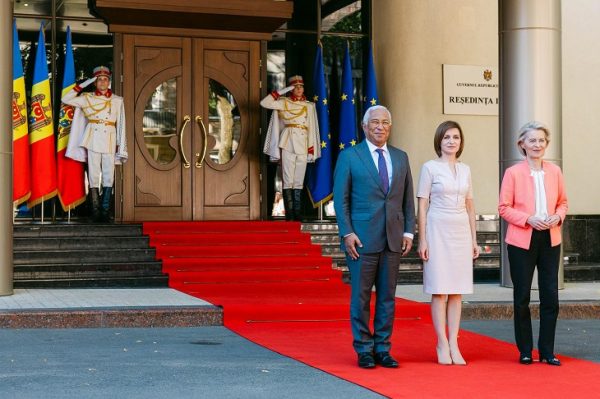
Image 1: European Union ambassadors will green-light the bloc’s biggest-ever lethal military aid package to Moldova, worth 20 million euros.

€60 Million Military Aid (2024):

    • Short-range air defense (to counter Russian drones) – “According to the proposal, seen by RFE/RL, some of the money will cover “eight short-range air-defense systems consisting of approximately eight launchers and approximately 24 missiles.”

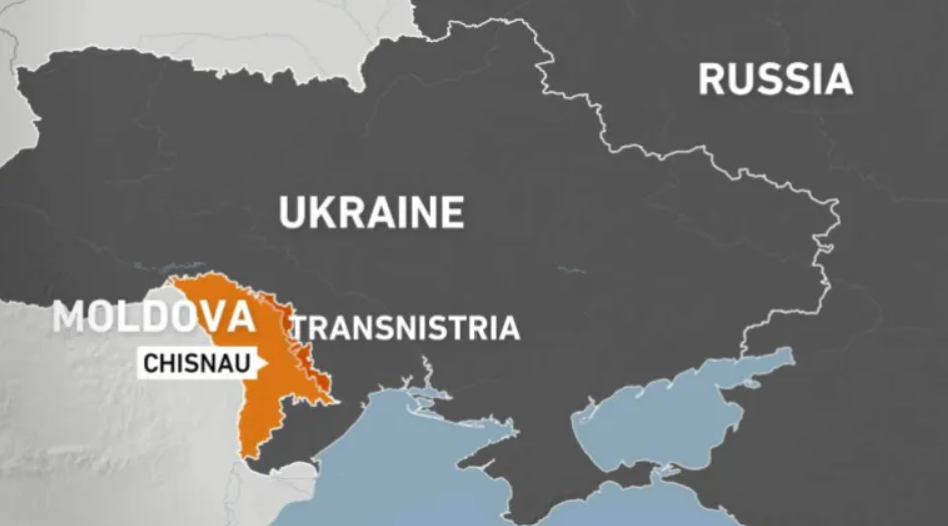
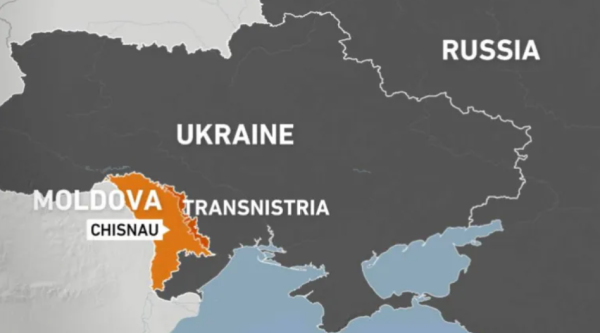
    • Radar systems (surveillance of Transnistria)

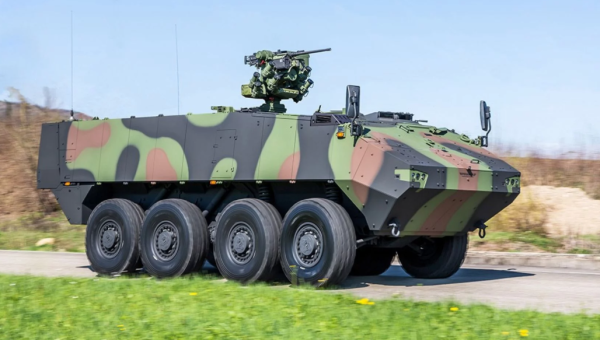
    • French artillery + German armored vehicles (EU Commission Report)

  • 2030 Defense Strategy:

    • 1% GDP military spending (double 2023 levels)

    • Full NATO interoperability (joint drills, intel sharing)

B. U.S./NATO’s $1.5 Billion Arms Pipeline

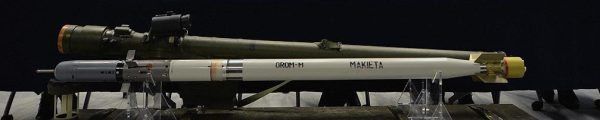
  • Polish Piorun air defense systems (used in Ukraine) Piorun Missile (A Polish man-portable air-defense system, designed to destroy low-flying aircraft, airplanes, helicopters and unmanned aerial vehicles.)

    Image 2: Polish Piorun
  • Pirana armored vehicles + sniper kits

    Image 3: PIRANHA 8×8 APC
  • 2025 Plan: 50% increase in lethal aid (Modern Diplomacy)

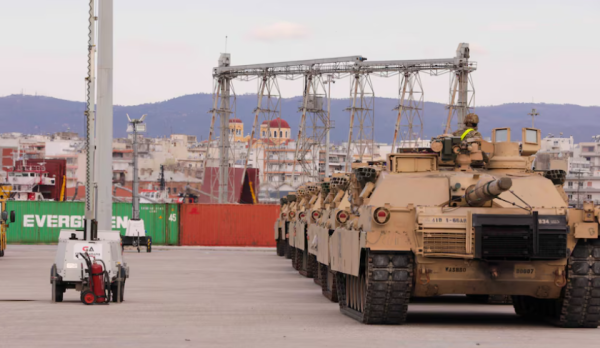
2. Greece: NATO’s Balkan Arms Depot

A. Alexandroupolis Port: The New Ramstein

  • Current Role: 80% of Ukraine-bound arms transit here.

    Image 4: Providing military assistance to Ukraine and to counter malign actors and exercise and operate in the Balkans and eastern Mediterranean and the Black Sea region – Says former US def. minster Austin
  • Future Role: Moldova supply hub via Bulgaria-Romania rail lines. Quote from:Central European TimesRomania could also buy Moldovan port from EBRD

    The planned expansion of Constanta, along with Romania’s possible acquisition of Moldova’s River Danube port Giurgiulesti from the European Bank for Reconstruction and Development (EBRD), shows Romania’s long-term ambition to establish itself as a primary logistics node for CEE.

    The infrastructure upgrades could also establish CEE as a low-cost manufacturing hub, attracting companies who are seeking out shorter and more secure supply chains.

    The EU is meanwhile interested in strengthening CEE’s logistics capabilities and securing alternative trade routes. The transformation of Constanta into a hub would reshape trade dynamics in CEE and potentially draw more nations into EU-aligned economic initiatives.”

B. Hellenic Defense Systems (HDS)

  • Controlled by CSG Holdings (major Ukraine war supplier).

  • Production Surge:

    • Mortars for Moldova

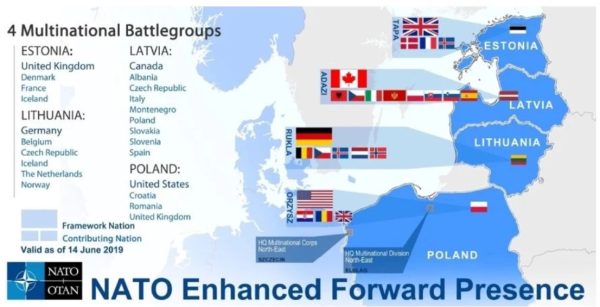
    • Image 5: NATO’s military presence in the east of the Alliance – https://www.nato.int/cps/en/natohq/topics_136388.htm

      Ammo for NATO’s eastern flank

      3. The Transnistria Endgame

      Image 6: Industrial facilities have all been closed down in Transnistria since Gazprom cut off gas supplies. / bne IntelliNews
      A. Moldova’s Coming Offensive
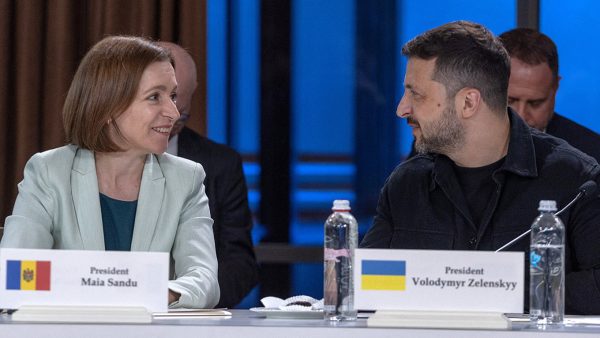
      • Sandu’s 2024 Plan: “Reintegrate” Transnistria via:

        • Economic blockade (cutting Russian subsidies)

        • Hybrid warfare (cyberattacks, protests)

      • Russian Response: 10,000 troops will not evacuate (Crimea 2014 precedent).

      B. NATO’s Red Line

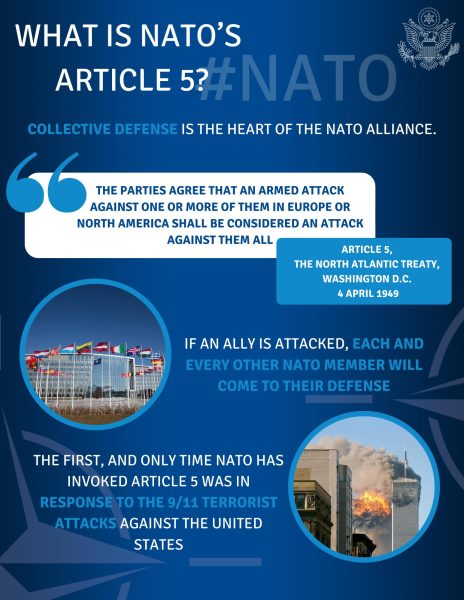
      • Article 5 Trap: If Moldova attacks Transnistria and Russia retaliates, NATO could be dragged in.

        Image 7: Russia says: Moldova’s alignment with NATO would “spell the beginning of the end” for the country, and accused Sandu of allowing Moldova to be used by the alliance in its standoff with Russia
      • Greek Targets: Russian strikes on Alexandroupolis would trigger NATO-Russia war.

      Visual: Map of Transnistria chokehold on Ukraine’s Odessa.

      Image 8: The tiny statelet of Transnistria is squeezed on all sides


      4. Global Implications

      A. BRICS Counter-Moves

      • Russia’s Warning: “Moldova will face ‘consequences’ like Ukraine.”

      • China’s Stance: Silent but monitoring NATO’s Balkan encirclement.

    • B. The Repeating Playbook

      1. Ukraine 2014: EU funds Maidan → War.

      2. Moldova 2024: EU arms Sandu → ?    “Moldova’s upcoming parliamentary elections, set for this September, are expected to be a defining moment for the country’s future — a choice between continuing on its path toward integration with the European Union or shifting back toward Moscow’s influence.”

This is Ukraine 2.0 in motion. Share everywhere. Demand:

  1. Halt EU arms to Moldova

  2. Expose NATO’s Greek arms factories

  3. Sanction CSG Holdings

Tag your MPs. #StopMoldovaWar

twitterlinkedininstagramflickrfoursquaremail
Posted on Leave a comment

NATO’s Bloody Empire: From Yugoslavia to Ukraine

 1: The Myth of NATO’s ‘Peacekeeping’

  • Hook: “In 1990, NATO promised no eastward expansion. Today, it’s at Russia’s border—surrounded by U.S. bases, hungry for Ukraine. This is how ‘defensive’ alliances start world wars.”

Not an inch of #NATO’s present military jurisdiction will spread in an eastern direction.” —Memorandum of conversation between Mikhail Gorbachev and James Baker in Moscow, 9 Feb 9 1990
Image 1: Not an inch of #NATO’s present military jurisdiction will spread in an eastern direction.” —Memorandum of conversation between Mikhail Gorbachev and James Baker in Moscow, 9 Feb 9 1990


  • Thesis: NATO is a post-WW2 relic that morphed into a global enforcer for Western capital and militarism.

2. NATO’s Original Sins: A Rogue Alliance

  • 1999: Yugoslavia (The ‘Humanitarian’ War Lie)

    • Image 2: On March 24, 1999, the NATO bloc led by the US commenced terror bombings of Yugoslavia, which lasted 78 days

      78-day bombing of Serbia (including hospitals, bridges, TV stations).

    • Result: 2,500+ civilians killed, Kosovo turned into a U.S. base (Camp Bondsteel).

      Image 3: Camp_bondsteel_kosovo


  • 2001: Afghanistan (Forever War)

    • NATO’s first “Article 5” invocation—used to justify 20 years of occupation.

      Image 4: attack against one Ally is an attack against all — is at the core of the NATO Alliance and remains an enduring principle binding all Allies together.
    • Result: $2T spent, 200,000+ dead, Taliban back in power.

  • 2011: Libya (Democracy = Oil Theft)

    • UN Resolution 1973 abused to bomb Libya (50,000+ dead).

      Image 5: The NATO bombing plunged Libya into a humanitarian disaster, killing thousands of people.
    • Result: Slave markets, chaos, and $200B in oil contracts for France/Italy.

3. NATO Expansion: The Road to Ukraine

  • Broken Promises: Declassified docs show NATO vowed “not one inch eastward” (1990). (Image 1)

  • Provoking Russia:

    • 2008: Bush pushes NATO membership for Ukraine/Georgia → Russia warns red line.

      Image 6: Ukrainian politicians hold banners as they stage a protest during the Russian State Duma lower house of parliament speaker Sergei Naryshkin’s speech in Bucharest, Romania in November 2015. Photo provided by Inquam Photos via Reuters
    • 2014: U.S.-backed coup in Ukraine → Crimea annexation.

    • Image 7: A protester sits on a monument in Kyiv during clashes with riot police in February 2014. Louisa Gouliamaki/AFP/Getty

      2022: NATO arms Ukraine → Proxy war begins.

  • Cold War 2.0: NATO now includes Finland, Sweden, encircling Russia.

    Image 9: Sweden(April 2024) & Finland(May 2022) join Nato


4. NATO’s Kill List: Syria, Iraq, and Beyond

  • Syria: NATO allies (Turkey, U.S.) fund jihadists to overthrow Assad → 500,000 dead.

    image 10: 2 Nato nations at war in Syria


  • Iraq: No NATO mandate, but key members (UK, Poland) join Bush’s WMD lies → 1M+ dead.

    Image 11: 2003: President Bush announces invasion of Iraq


  • Africa: AFRICOM (NATO’s cousin) fuels coups (Mali, Niger) to control resources.

    Image 12: The legacies of colonialism and the US War on Terror in West Africa

5. NATO’s Endgame: WW3 for Hegemony

  • Ukraine as Proxy: $200B in weapons prolongs war; NATO admits “weakening Russia” is the goal.

    Image 13: NATO Chief Says Weakening Russia Will Help US Focus on Challenging China – Newsweek


  • Asia Pivot: NATO now targets China (“global alliance”).

    Image 14: China promises ‘resolute response’ to any NATO expansion in Asia


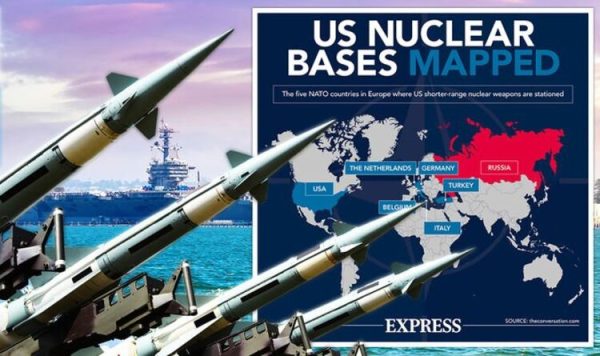
  • Nuclear Brinkmanship: NATO stations nukes in Belgium, Germany, Turkey → Russia responds.

    Image 15: NATO nuclear weapons mapped

6. Conclusion: Dismantle the War Machine

  • “NATO doesn’t ‘defend’—it conquers. It doesn’t ‘stabilize’—it loots. Until we abolish it, WW3 is a matter of time.”

  • Call to Action:

    • “Share this article. Protest NATO summits. Demand your country exit this death cult. #AbolishNATO”

twitterlinkedininstagramflickrfoursquaremail
Posted on Leave a comment

From Iraq to Iran: The Same Old Lies

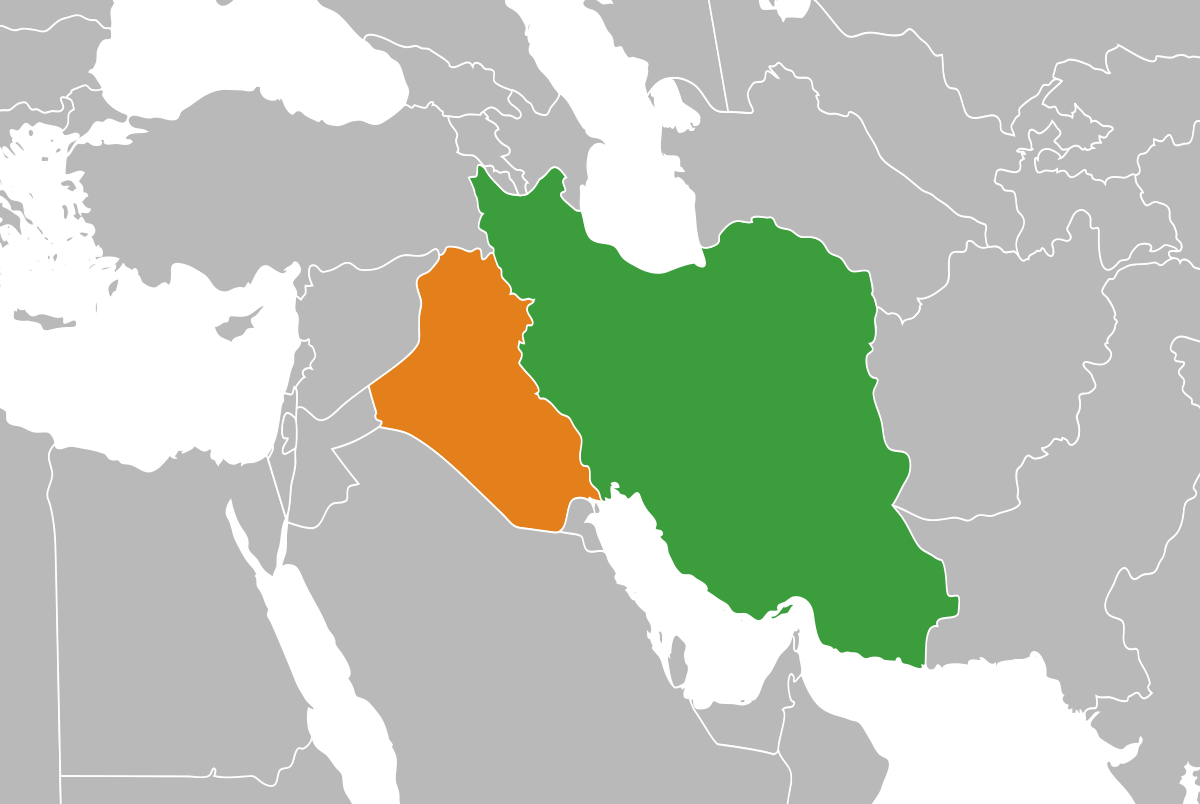
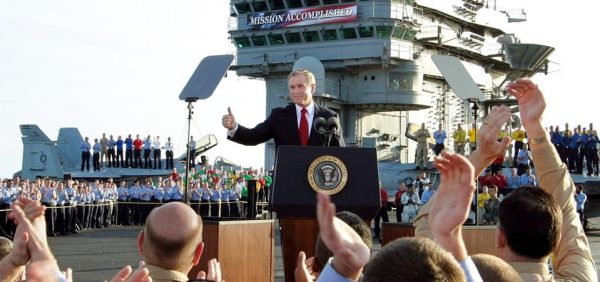
  1. Iraq (2003): The Original Sin

  2. Libya (2011): NATO’s Slave State

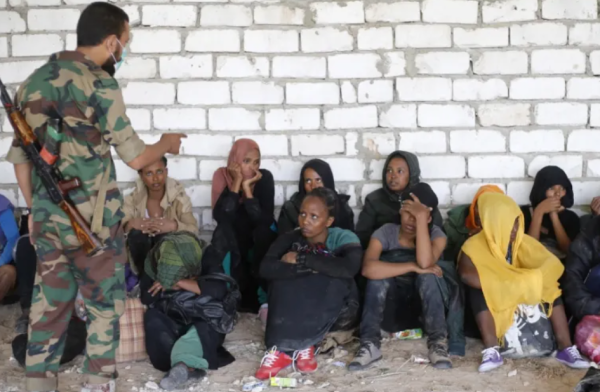
    • Hillary’s “We Came, We Saw, He Died” Gaddaffi’s death → Open-air slave markets by 2015 (UN Report).https://www.aljazeera.com/news/2018/1/26/slavery-in-libya-life-inside-a-container

      Image 2: Human trafficking networks have prospered amid lawlessness, created by the warring militias that have been fighting for control of territories since the toppling of Muammar Gaddafi in 2011
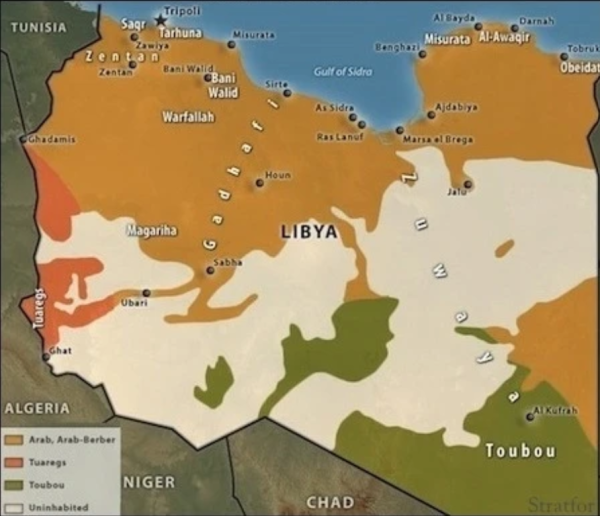
    • Visual: Libya chaos map vs. pre-2011 GDP.

      Image 3: Contemporary Libya is less a nation than a geographical construct populated by competing and often interlocking tribes and clans. The Zintan (here Zentan) of the western regions and the Misrata (here Misurata) are perhaps the most prominent today locked in a deadly battle for control of the country and its resources.
  3. Iran (2024): Sanctions = War Crimes

  4. The BRICS Escape Plan


In 2003, the U.S. invaded Iraq based on fabricated evidence of ‘weapons of mass destruction.’ Today, we hear identical rhetoric about Iran’s nuclear program—despite the IAEA’s repeated confirmations that no evidence of weaponization exists. The parallels are chilling:


  • Then: Colin Powell’s infamous UN speech waving a fake vial of anthrax.
  • Now: Netanyahu’s cartoon bomb theatrics at the UN (2012) and recycled ‘imminent threat’ claims.
    The lesson? When governments cry ‘WMDs,’ always ask: Where’s the proof? And why does Israel—with 600+ undeclared warheads—get a free pass while Iran faces bombs and sanctions?


Israel’s Dimona nuclear facility (600+ warheads) vs. IAEA-monitored Iranian sites. Who’s the real threat?


1. For Citizens of NATO States:

STOP FUNDING THIS MADNESS.

  • Boycott war corporations (Lockheed Martin, Raytheon, BlackRock).

  • Flood your MP with this article (+ use #AskYourPM).

  • Convert $ to gold/crypto—starve the war machine.


2. For Global South Audiences:

JOIN THE REVOLUTION.

  • Demand your govt fast-tracks BRICS membership.

  • Share this article with #WestInDecline.

  • Learn yuan/ruble trades—be sanctions-proof.

    Image 6: revolution


twitterlinkedininstagramflickrfoursquaremail