Posted on Leave a comment

Silicon Valley Meets the Crossfire: Tech Giants’ Billions Caught in West Asia’s War Zone 💻💥🌍

Introduction: 🌐💣

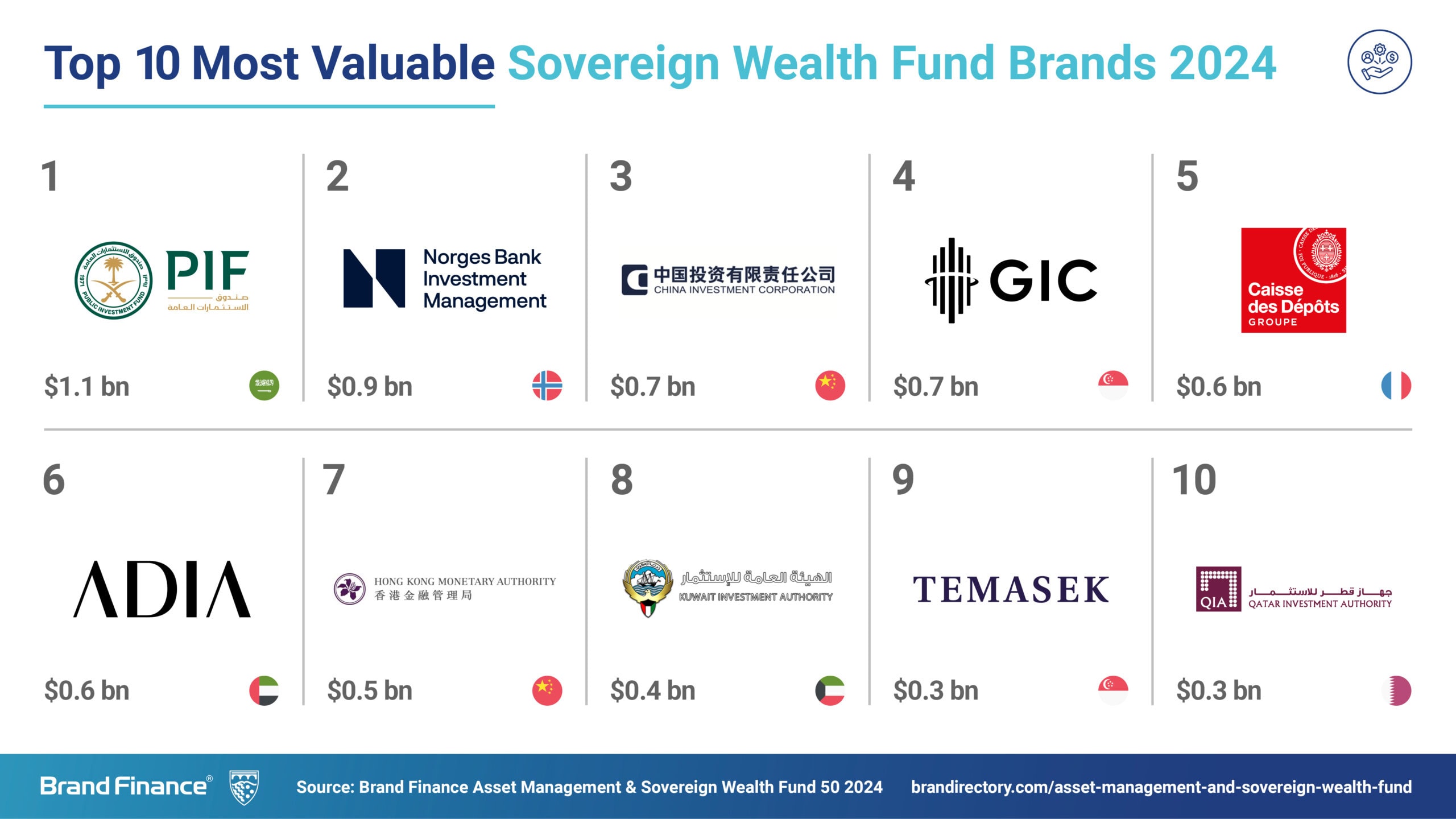
For more than a decade, the Persian Gulf kingdoms have poured billions into a grand transformation: from oil-based economies to knowledge-based technological powerhouses. 🏜️➡️💻 The United Arab Emirates, Qatar, and Bahrain have lured Silicon Valley’s biggest names—Nvidia, Microsoft, Oracle—with sovereign wealth funds, luxury infrastructure, and irresistible tax policies. The result? A multi-trillion-dollar bet on the region becoming a global hub for artificial intelligence and data processing. 📈

But now, that bet is under fire. 🔥 The recent escalation of military tensions between Iran and the United States has thrown the future of these investments into serious doubt. As missiles fly and naval forces gather, the gleaming data centers of the Gulf suddenly look less like sanctuaries of innovation and more like potential targets in a widening conflict. 🎯

When the infrastructure of the future sits on the fault lines of the present


The Gulf’s Tech Gamble: From Oil to Algorithms 🛢️➡️🤖

The Persian Gulf states have spent over a decade executing one of the most ambitious economic pivots in modern history. Using enormous sovereign wealth funds, they have built:

Country Data Centers Key Advantage
🇸🇦 Saudi Arabia 61 Vast land, cheap power
🇦🇪 UAE 57 Global connectivity, tax incentives
🇶🇦 Qatar Growing LNG wealth, strategic positioning

These are not just office buildings. They are the physical backbone of the artificial intelligence revolution. Companies like Nvidia, Microsoft, and Oracle have poured billions into creating massive data centers in the region—facilities designed to power the next generation of AI services, which require enormous processing capacity, cheap electricity, and extensive physical space. 🏢⚡

One standout project is the “Stargate Emirates” —a colossal data center operated by OpenAI and Oracle, using advanced Nvidia processors. Located in Abu Dhabi, it has been described as the largest data center outside the United States. 🚀🇦🇪

The glittering facade of the Gulf’s tech revolution

The Geopolitical Layer: Pax Silica and Digital Competition 🗺️🔌

In December 2024, the U.S. State Department announced an initiative called “Pax Silica” —an agreement signed by eleven nations, including the UAE, Qatar, and Israel. Its stated purpose: coordinate the development of artificial intelligence infrastructure. 📝🤝

This seemingly technical agreement reveals a deeper truth: digital infrastructure has become a battleground of geopolitical competition. The Persian Gulf’s unique geography—at the crossroads of Asia, Africa, and Europe, with proximity to major shipping lanes and cheap energy—has made it a focal point in the global race for AI dominance. 🌍⚔️

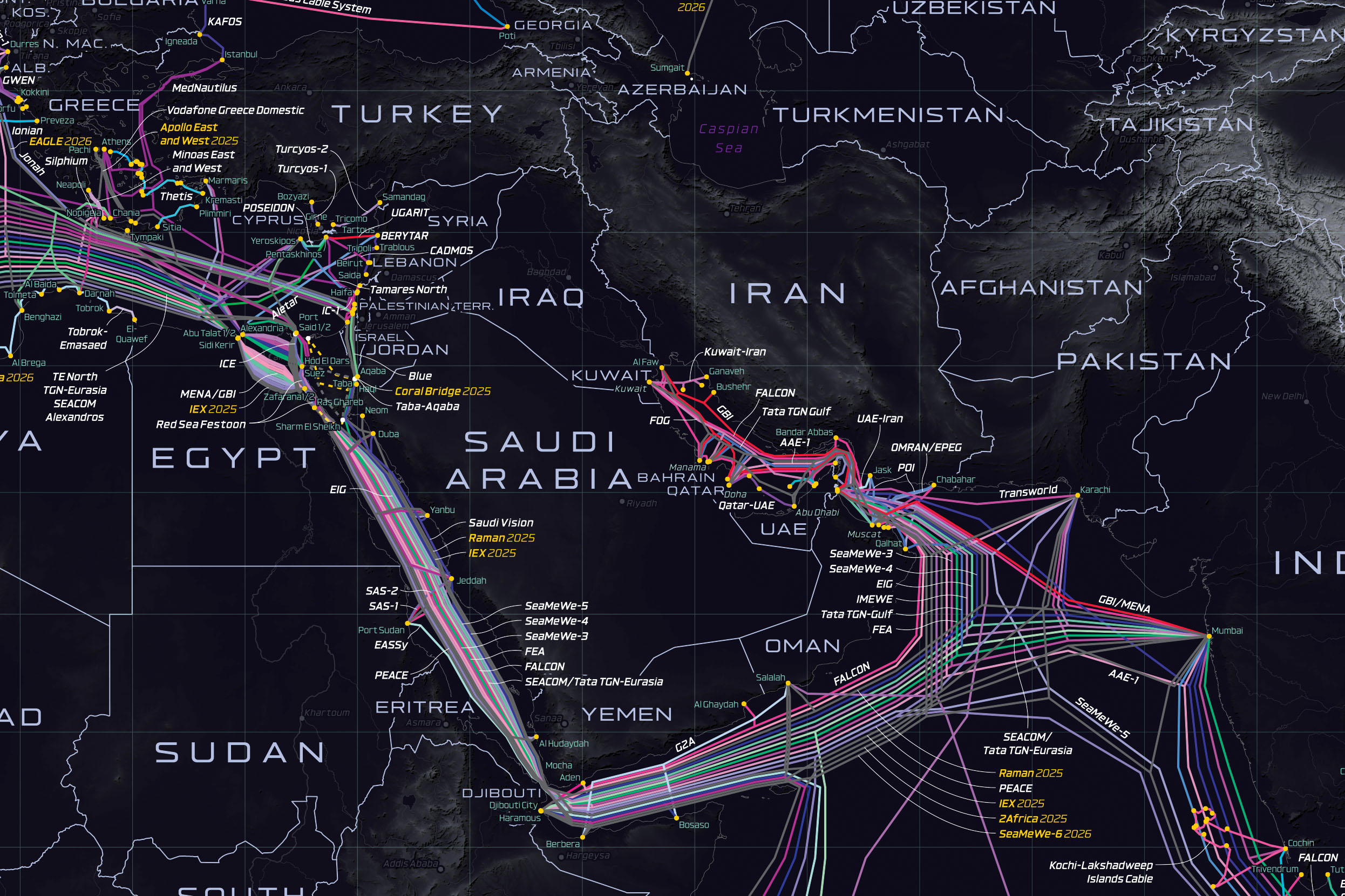
Submarine Cable Map 2025
The digital arteries of the global economy run through the world’s most volatile waters

When the War Came: Cables Under Fire 💥🌊

The optimistic vision of the Gulf as a “security bubble” insulated from regional turmoil has collided with reality. In 2024, as tensions escalated, four major submarine cables in the Red Sea were damaged. The result? Approximately one-quarter of all data traffic between Europe and Asia was disrupted. 📉💔

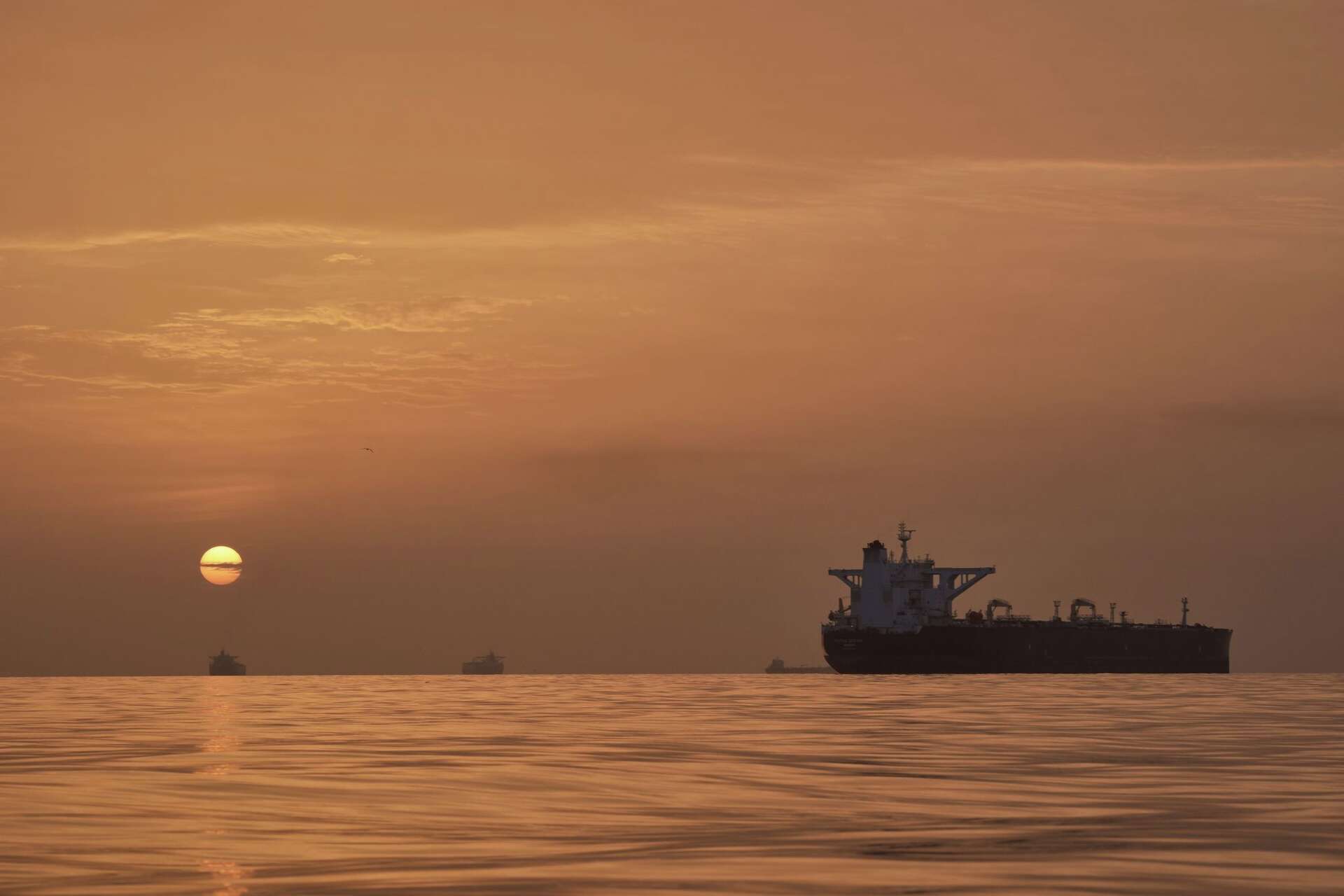
While backup routes were activated, full repairs took months. The incident was a wake-up call: the global internet, for all its complexity, still depends on bottlenecks—narrow passages like the Strait of Hormuz and the Red Sea—that can be severed by conflict. 🧠⚠️

International Cable Breaks in Red Sea Cause Latency Surge Across Asia and  Gulf - Subsea Cables
The hidden vulnerability: When fiber optics become military targets

The Security Illusion: Investors Wake Up 😨💼

Before the current escalation, many international investors operated under a comforting assumption: technology investments in the Gulf existed in a separate bubble, insulated from the region’s political instability. 🏝️💸 Cities like Dubai and Abu Dhabi marketed themselves as oases of calm—places where business transcended conflict.

But analysts like Matt Gertken of BCA Research had warned as early as 2023. In meetings with Western investors in the Gulf, he predicted precisely the scenario now unfolding: military escalation involving Iran, possible U.S. involvement, and the inevitable spillover into economic and technological infrastructure. 📉🗣️

At the time, many dismissed these warnings as overly pessimistic. The logic of global capital, they believed, would prevent major conflict. The billions poured into the region’s digital future seemed like a guarantee of stability. 💰🛡️

Recent events have shattered that illusion. When digital infrastructure becomes part of the geopolitical equation, it also becomes a target. The vulnerabilities are no longer just cyber—they are now physical. Missiles, drones, and naval mines pose as much threat to data centers as hackers do. 🚀💻

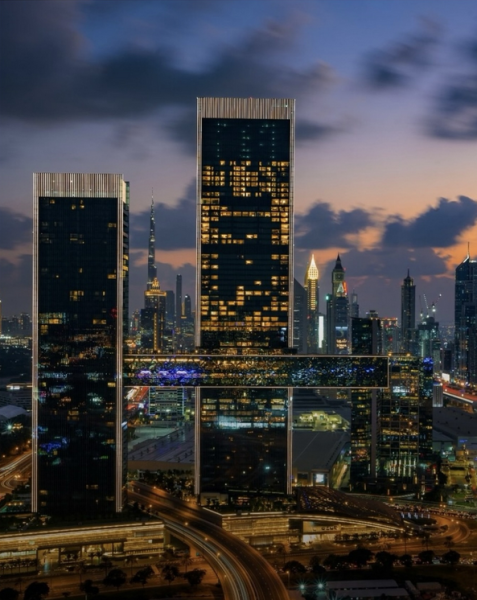
🚨BREAKING: An Iranian missile has struck a luxury skyscraper in Bahrain  reports suggest that this skyscraper is housing senior U.S. military  command personnel. Bahrain officials have not yet released any statements.
The illusion of immunity: High finance and high technology cannot escape low politics

📸 PHOTO 6 (after “The Security Illusion” section)

Image: A massive, fortified data center with visible security measures—barriers, cameras, and military-style protection—contrasting with the peaceful desert around it.

  • Search Term: “Fortified data center desert”

  • Caption: The new reality: Data centers must now defend against both cyber threats and cruise missiles.

Redefining Security in the AI Age 🔄🛡️

This new reality forces a fundamental rethinking of security in the Persian Gulf. Until now, protection focused on cyber layers: firewalls, intrusion detection, encryption. The assumption was that data centers faced their greatest threats in the digital realm. 💻🔒

But the calculus has changed. Physical threats—missile strikes, drone attacks, naval sabotage—are now equally pressing concerns. Technology infrastructure is no longer just economic assets; they are strategic assets, central to national power and global competition. 🌍⚖️

For Gulf governments, this means:

Challenge Implication
Physical security Data centers need military-grade protection
Geographic diversification Reduce concentration in vulnerable zones
Diplomatic hedging Balance relations with competing powers
Insurance costs Premiums will skyrocket
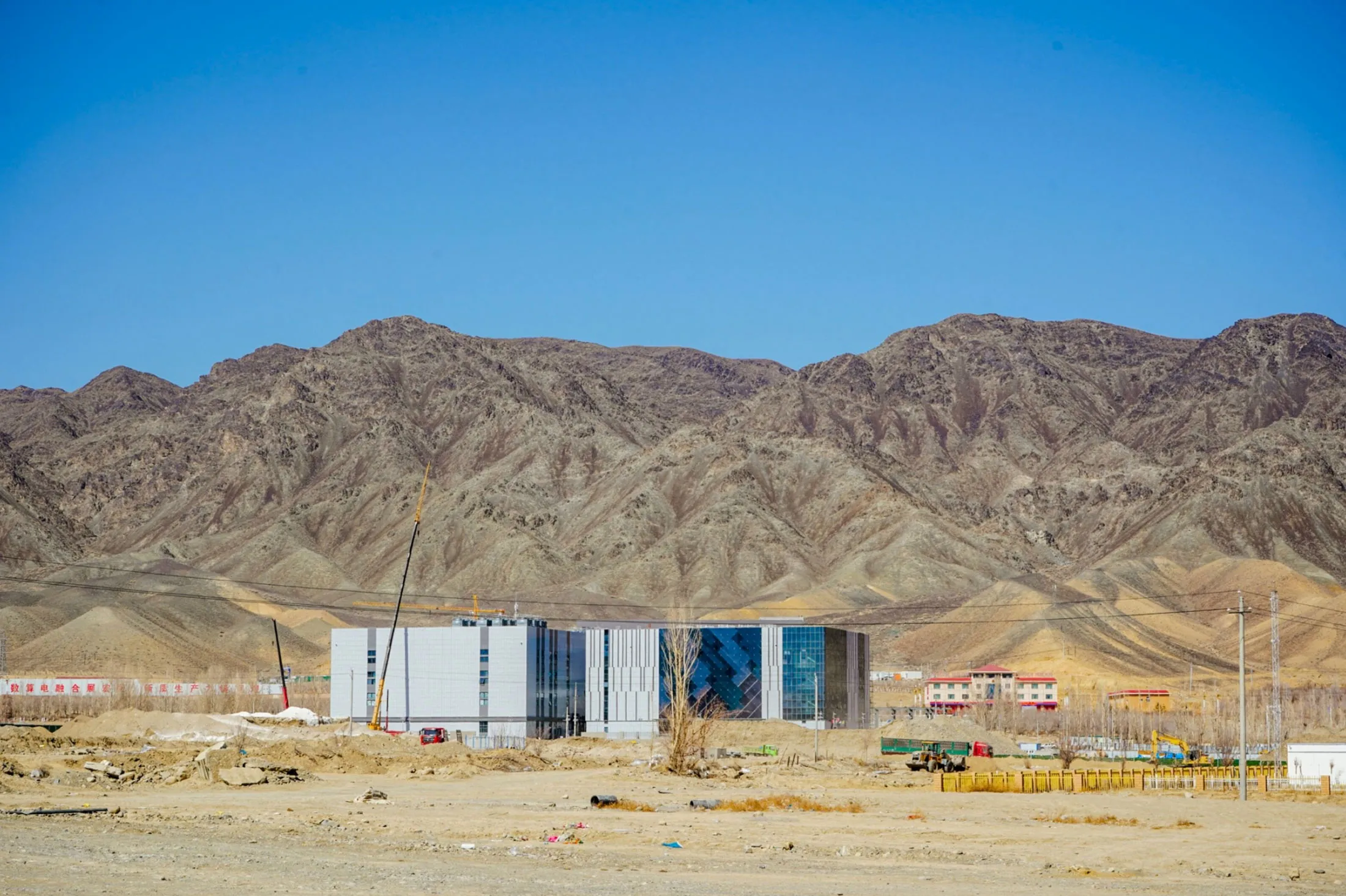
China Builds AI Dreams With Giant Data Centers in the Desert - Bloomberg
The new reality: Data centers must now defend against both cyber threats and cruise missiles

Conclusion: The Unanswered Question ❓🌐

The Persian Gulf stands at a pivotal moment. Years of strategic investment, billions of dollars, and the hopes of becoming a global AI hub now face an uncomfortable question:

Can a region become the heart of the world’s artificial intelligence infrastructure while sitting on one of the planet’s most volatile geopolitical fault lines? 🤔💥

The answer depends on forces beyond any single government’s control. It depends on:

  • Whether diplomacy can de-escalate the current crisis 🕊️

  • Whether regional powers can insulate technology infrastructure from conflict 🛡️

  • Whether international investors retain faith in the Gulf’s “security bubble” 💼

The coming months will reveal whether the glittering data centers of Abu Dhabi and Dubai represent the future of technology—or expensive monuments to a dream that war interrupted. ⏳👀

One thing is certain: the era when technology investment could ignore geopolitics is over. In the 21st century, bits and bytes travel the same routes as missiles and ships. And both can be intercepted. 🌍🔗

How to Effectively Change Career Paths - IQ PARTNERS
The Persian Gulf’s technology future hangs at a crossroads. Which path will prevail?
twitterlinkedininstagramflickrfoursquaremail
Posted on Leave a comment

Ports, Proxies & Partition: Decoding the UAE’s Long Game in Yemen

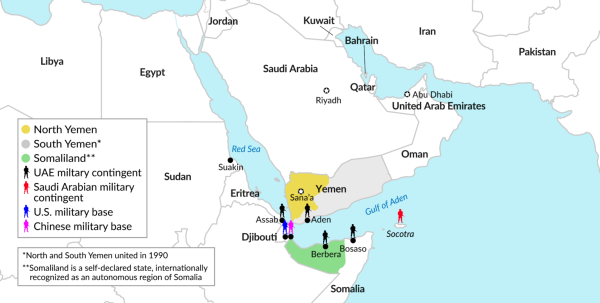
For nearly a decade, the war in Yemen has been framed as a Saudi-led campaign to restore a government and counter the Houthis (Ansarullah). However, a closer look reveals a more complex story. The United Arab Emirates (UAE), while part of the original coalition, has pursued a distinct, long-term geopolitical strategy. Moving beyond the initial objectives, the UAE has focused on controlling Yemen’s coastline, engineering local power through proxy forces, and subtly shifting regional balances, all while laying the groundwork for a potential soft partition of the country.

undefined
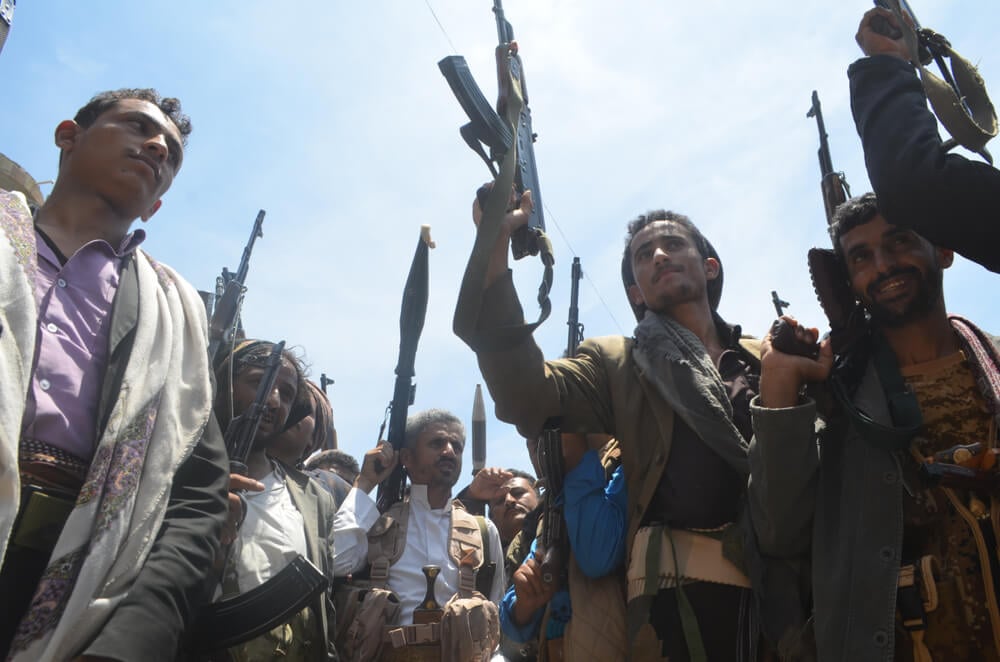
UAE and STC-operated roadblock in Socotra. Source: Wikipedia(https://en.wikipedia.org/wiki/Southern_Transitional_Council)

A Divergent Strategy from the Start
When the Arab coalition launched Operation Decisive Storm in 2015, Saudi Arabia and the UAE had different priorities. Riyadh focused on defeating the Houthis and reinstating the government of President Hadi. Abu Dhabi, recognizing the quagmire of a direct military victory, took a more calculated view. It saw Yemen through the lens of maritime security, global trade routes, and long-term regional influence, adopting a strategy of gradual infiltration and proxy warfare to secure its interests at a lower cost.

2016-05-09 00:00:00
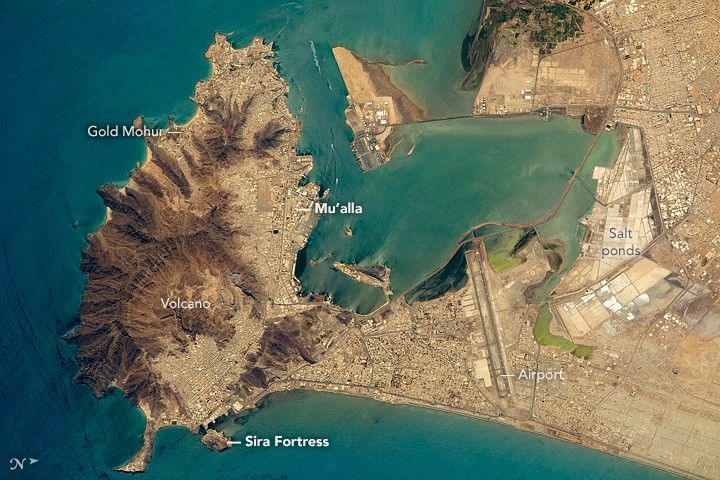
Port of Aden

The Core Objective: Control the Coastline
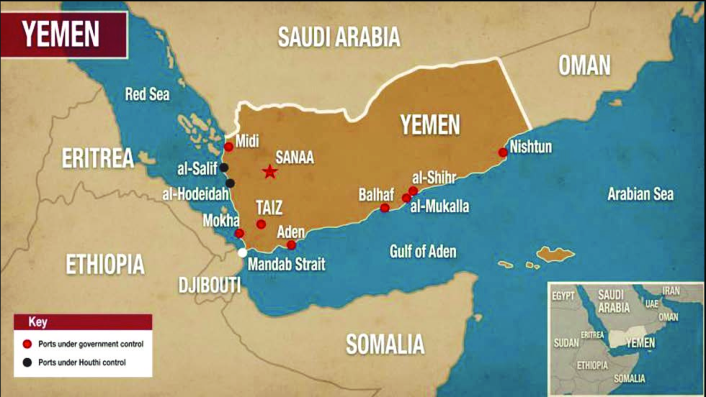
The centerpiece of the UAE’s strategy is the control of Yemen’s strategic ports and coastline. From Aden and Al-Mukalla in the south to Al-Mukha and the critical Bab al-Mandab Strait in the west, the UAE has sought dominance. This is not incidental; it’s a calculated move to secure its own trade routes, prevent the emergence of competing regional ports, and establish itself as the indispensable power over the Red Sea and Indian Ocean shipping lanes. This constitutes a “soft occupation” using investment, cover companies, and local partnerships.

The UAE is using troop deployments and development funding to gain influence around the Red Sea. It also wants to create a quasi-independent state in southern Yemen

The Method: Proxy Forces and Political Re-Engineering
To avoid the pitfalls of direct occupation, the UAE masterfully built a network of local armed groups outside the control of Yemen’s official government. Forces like the Security Belt, the Shabwani Elite, and the Hadrami Elite were created, trained, and armed by the UAE. These proxies allow Abu Dhabi to control territory, fight its battles, and exert decisive influence—particularly in southern Yemen—without deploying large numbers of its own troops. This model has proven resilient, even after the UAE announced a drawdown of its direct forces.

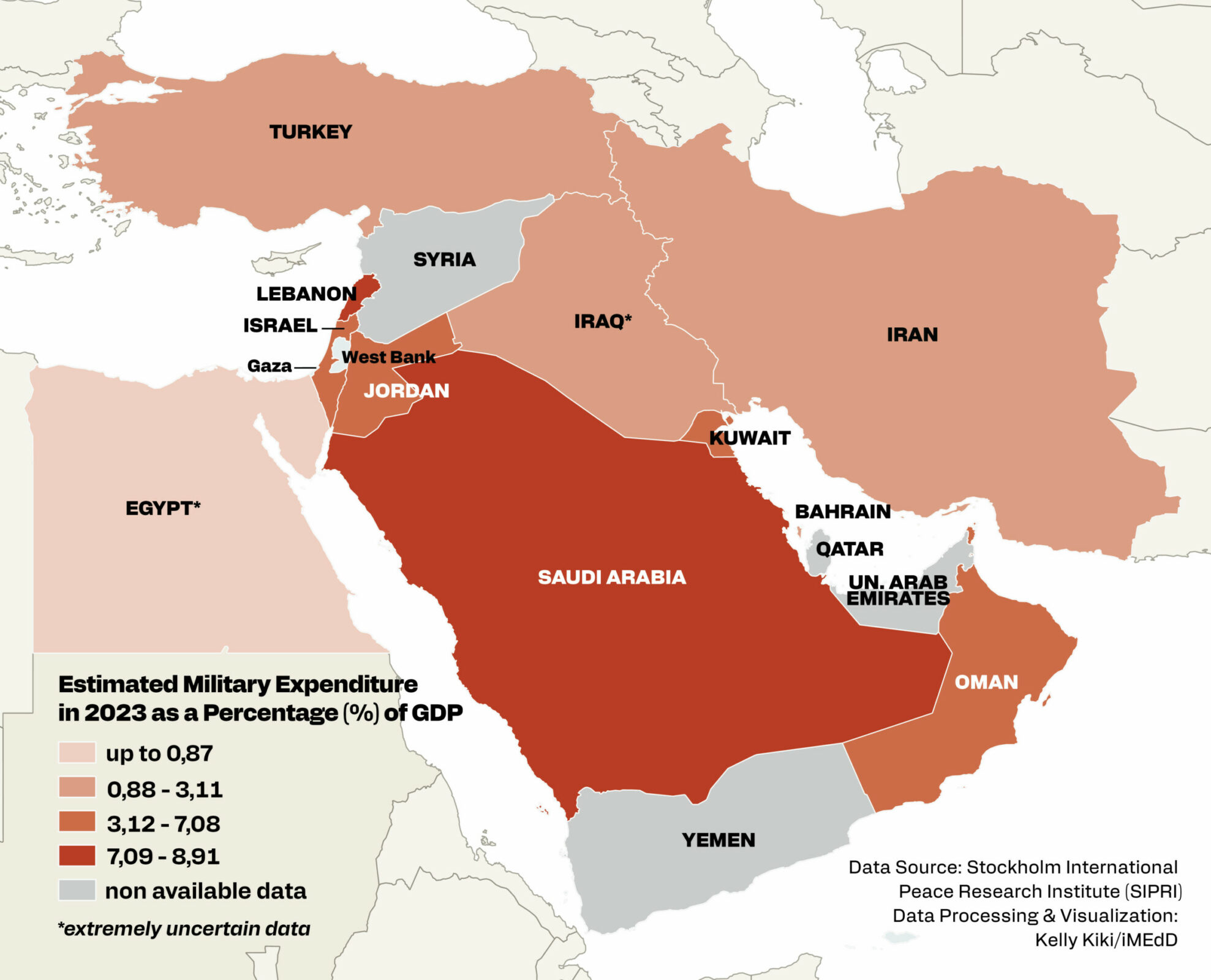
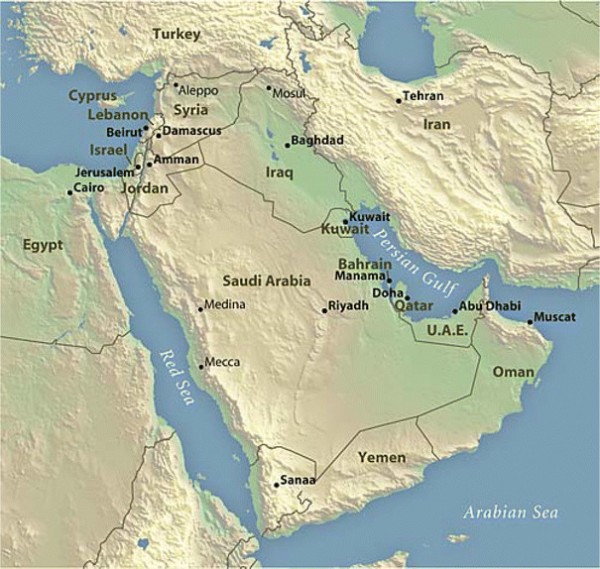
Map of the Arabian Peninsula

The Geopolitical Payoff: Rivalries and Realignments
This strategy has led to several critical outcomes:

  • Competition with Saudi Arabia: The UAE’s tangible gains in controlling resource-rich regions like Hadramawt and Shabwah, once under Saudi influence, reveal a growing quiet rivalry between the allies. The UAE is effectively pushing Riyadh out of key areas.

  • Confronting the Muslim Brotherhood: The UAE’s deep opposition to the Islah party (the Yemeni Muslim Brotherhood) drove a wedge between it and the Hadi government, leading Abu Dhabi to back alternative southern factions, culminating in its support for the secessionist Southern Transitional Council (STC).

  • Alignment with U.S. & Israeli Interests: With the Houthi threat to Red Sea shipping, the UAE’s control of the Yemeni coast aligns with American and Israeli security interests. The UAE positions itself as a crucial infrastructure and intelligence partner in containing this threat, increasing its geopolitical value.

Risk of renewed violence and even partition of Yemen rises after southern offensive

Conclusion: The Path to Soft Partition
The UAE’s role in Yemen is not that of a mere military partner but of a strategic architect. Its long-term project—centered on coastal control, proxy power, and balancing rivals—has been alarmingly successful. However, the consequence is the deliberate weakening of Yemen’s central government and the acceleration of its de facto fragmentation. By empowering separatist entities and creating parallel power structures, the UAE has paved the path for Yemen’s soft partition. The future stability of Yemen, and of the region, now hinges on whether these projects of influence can be reconciled with the urgent need for a unified national will and inclusive peace.

https://www.travelthewholeworld.com/wp-content/uploads/2013/12/Yemen-Mukalla-Night.jpg
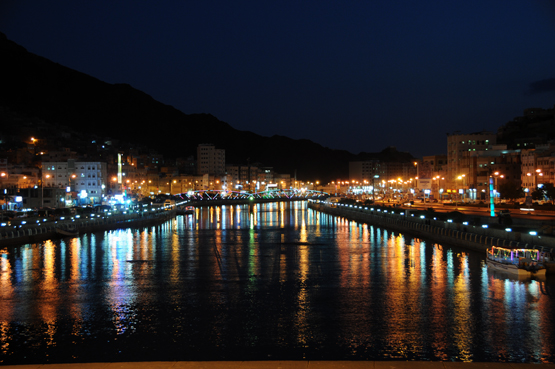
Central part of Yemen, the costal city known as Mukalla
twitterlinkedininstagramflickrfoursquaremail