Posted on Leave a comment

The End of the American Sheriff: Why the US Stands Alone in the Strait 💥🇺🇸🌊

Introduction: 🌍💥

In the theory of international relations, “hegemony” is a situation where a great power manages the world order through its own force or influence. After World War II—and especially after the collapse of the Soviet Union—America embraced this role. It became the world’s policeman. 👮‍♂️🇺🇸

But recent events in the Strait of Hormuz suggest that this era is ending.

The US Secretary of War told European allies: “Maybe it’s better to stop talking and get on the boat.” He emphasized that being united is a “two-way road.” 🗣️⚓

And then came Trump’s tweet: stopping operations in the Strait of Hormuz.

These are not random statements. They represent a fundamental theoretical shift: the transition from hegemony to threat balance. 📚🔄

Forcing Open the Strait of Hormuz
* The sheriff just realized: no one is riding with him anymore

From Hegemony to Threat Balance: Why Europe Stayed Out 📖⚖️

According to international relations theory, countries do not unite against absolute power. They unite against a direct threat to their interests. 🎯

From Europe’s perspective, the Iran-US war was not a threat to their vital interests. So they did not enter it. 🚫🇪🇺

Old Order (Hegemony) New Reality (Threat Balance)
US provides security as “free public goods” Security is not free anymore
Allies follow automatically Allies assess their own interests
US acts as world policeman No one joins without reason

The result? America can no longer offer maritime security to others as “free public goods.” The era of free protection is over. 💰🚫

Aggressive Realism: Trump’s Theoretical Playbook 📘🎯

Trump’s approach in this period is rooted in another famous theory: “aggressive realism.” According to this view:

Core Belief Implication
Great powers are never satisfied Always seek to maximize power
Old coalitions are not a priority Allies are tools, not partners
Interests come first Everything else is secondary

Trump’s message to Europe is blunt and clear:

“An order in which one country becomes a policeman and the rest only benefit no longer works.” 🗣️❌

In simpler words: Pay ransom. Either bring military force, or give political and commercial concessions to Washington. 🏦💸
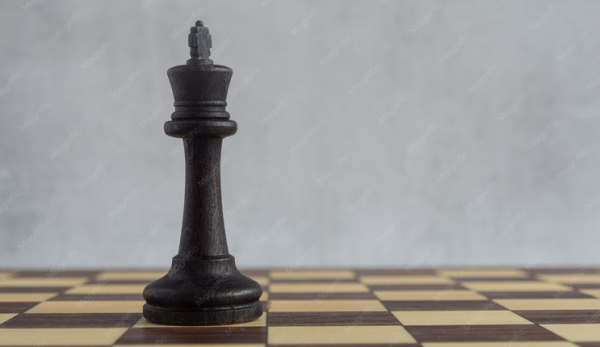
* In the game of global power, America is playing alone

The Battlefield Verdict: A Retreat Without Achievements 🏃‍♂️❌

All these theoretical analyses had an objective conclusion on the battlefield: the American retreat. Again. 🔄

Trump entered the military phase in the Strait of Hormuz while claiming to have completely destroyed the Iranian Navy. But in practice:

Expectation Reality
Europeans would join They stayed out
Regional allies would pay They refused
US would control the Strait US was forced to retreat

This is what is called “signaling failure” in game theory—the inability of an actor to make its threats believable. 📉🎭

Stopping operations under the pretext of diplomatic negotiations was actually an acknowledgment of strategic loneliness. The US could not find willing partners. It could not force compliance. It could not sustain the cost alone. 🇺🇸💔


📸 PHOTO 5 (after Battlefield Verdict section, before next section)

Image: A long, empty table with only one chair at the head—representing the US sitting alone while other seats remain vacant.

  • Search Term: “Long empty table one chair”

  • Caption:* Where are the allies? They chose not to come.


The Lesson: The Old Order No Longer Prevails 📚🌍

The era of order in which America alone is the world’s policeman is practically over.

What Europe Showed What It Means
The Middle East war is their red line They will not join
Washington’s blackmail failed Bullying does not work anymore
US incurred exorbitant costs Without allies, war is too expensive
Forced retreat No strategic achievements

The message to all countries is the classic lesson of international relations: in today’s system, everyone has to pay the price of the desired order. 💰🌐

The old order no longer prevails. Free security is a thing of the past. What matters now is the power of individual countries to secure their own interests. 💪🏛️

Conclusion: The 40-Day War That Changed Everything ⏳🔥

In the world after the 40-day war between the United States and Israel with the Iran, one truth stands out more clearly than ever: the component of power shows its importance.

The key takeaways:

Lesson Implication
Hegemony is ending No more free security
Allies will not follow automatically Every nation judges its own interest
Threat perception matters more than power Europe stayed out because it felt no threat
Signaling failure is dangerous Empty threats undermine credibility
National strength is essential Countries must be strong to gain their share

America wanted to be the sheriff. But the sheriff discovered that no one wanted to ride with him. 🏇❌

The world is changing. The old order is crumbling. And in this new era, every nation must pay its own way—or be left behind. 🌍🔑

The transition from the hegemonic order to the mystery of collective security has begun. And the first chapter was written in the waters of the Strait of Hormuz. 🌊📖

Free Gripping the Chain Image - Strength, Determination, Storm | Download  at StockCake
* In the new world, strength is not borrowed. It is built
twitterlinkedininstagramflickrfoursquaremail
Posted on Leave a comment

Oil Wealth Under Fire: How Regional Wars Are Reshaping Gulf Sovereign Funds 💰💥🌍

Introduction: 💰🌍🔥

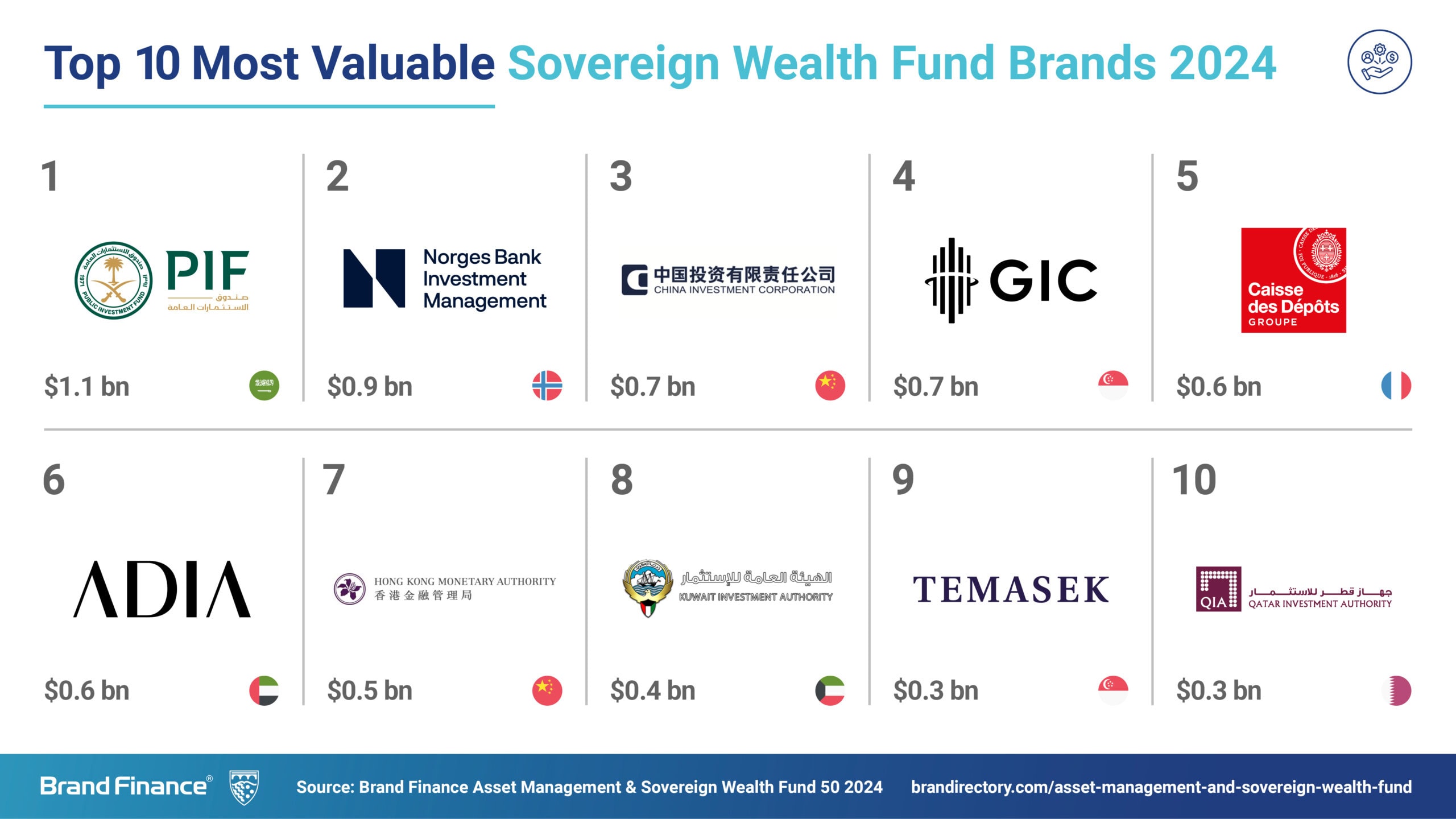
For years, the sovereign wealth funds of the Persian Gulf have been the silent giants of global finance. With over $5 trillion in combined assets, they have bought into AI startups, English football clubs, social media platforms, and futuristic cities. 🏙️⚽🤖

But regional wars and escalating tensions are now threatening this financial empire. Iranian retaliatory attacks have already caused $25 billion in damage to oil and gas infrastructure. Defense costs are soaring. And the strategic Strait of Hormuz—the world’s most critical energy chokepoint—remains under constant pressure. 🚢💥

The question haunting Gulf capitals: How long can the wealth last when the region is on fire? 🔥❓

* When the region burns, so does the wealth

The Giants: $430 Billion Injected Since 2021 📈💰

The six members of the Gulf Cooperation Council (GCC)—Bahrain, Kuwait, Oman, Qatar, Saudi Arabia, and the UAE—have become major players in global investment.

Statistic Amount
Total assets Over $5 trillion
Capital injected since 2021 $430 billion
Share invested outside the region 75 cents of every oil dollar

Where the money went:

  • 🤖 AI startups and data centers

  • 🏢 Private companies

  • ⚽ UK Premier League clubs

  • 📱 Major media outlets (including TikTok)

But this aggressive global expansion is now colliding with a harsh regional reality. 🌍💥

* $5 trillion in assets. But wealth does not guarantee safety

The Cost of War: $25 Billion in Damages 💣🛢️

According to The Economist, Iranian retaliatory attacks on oil and gas facilities in the region have already caused significant damage:

Damage Type Cost
Oil and gas infrastructure damage $25 billion
New pipelines to bypass Strait of Hormuz $30-50 billion (additional)

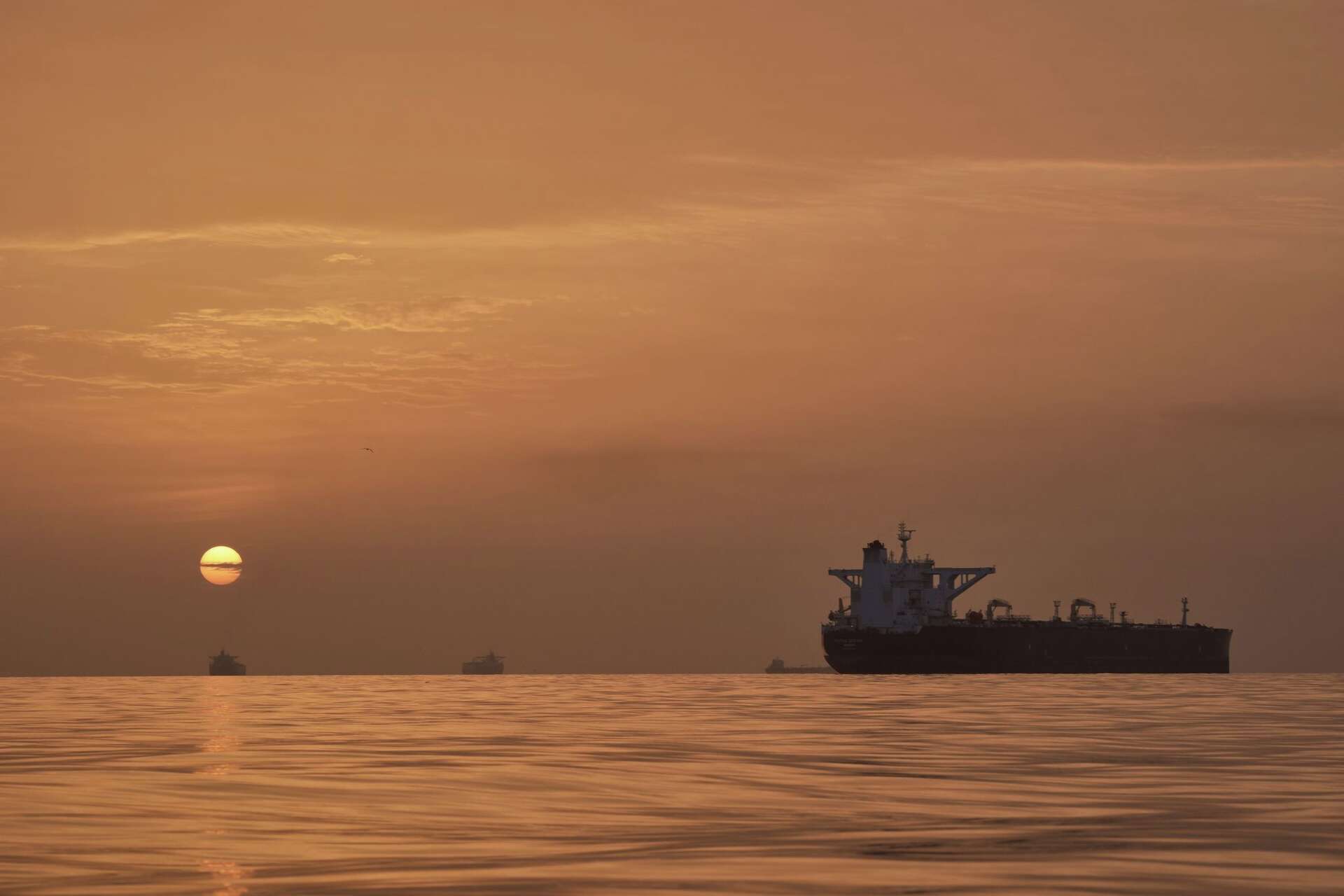
The Strait of Hormuz—through which nearly 20% of global oil passes—remains under constant pressure. Every tanker that transits is a potential target. Every day of instability adds to the economic toll. 🚢⚠️

Chevron refinery fire expected to drive up gas prices in SoCal
* $25 billion in damage—and counting

Defense Costs: Protecting Wealth at Any Price 🛡️💰

War and regional tensions have forced GCC countries to dramatically increase their defense spending.

Pressure Point Consequence
Replenishing missiles Massive military budgets
Replenishing ammunition Ongoing supply chain costs
Slowing economies Disrupted commercial activity
Energy export disruptions Lost revenue

Dubai has already announced support packages for businesses to cope with the slowdown. And the expectation is clear: sovereign wealth funds will bear part of these costs. 📉

Historical precedent:

  • During COVID-19, Abu Dhabi Investment Authority withdrew $24 billion

  • Kuwait Investment Authority withdrew $25 billion

If past crises are any guide, the current war will trigger similar—or larger—withdrawals. 🏦💸

* The price of security is skyrocketing

The Liquidity Trap: When Assets Cannot Be Sold 🔒💔

Recent crises have changed how Gulf funds invest. Over the past five years, many have moved into private, less liquid assets.

Fund Type Investment Amount
UAE funds AI startups & data centers $100 billion
Saudi PIF AI startups & data centers $40 billion
Gulf funds (2021-2025) Real estate & infrastructure $140 billion

The problem: These assets cannot be easily liquidated in an emergency. Some can only be sold at heavy losses. 📉

Additionally, Gulf funds have invested in ambitious projects tied to national goals:

  • 🇦🇪 UAE funds: Mines and farms in African countries

  • 🇸🇦 Saudi PIF: Brazilian mining and agricultural projects in Southeast Asia

These are long-term plays. But war demands short-term liquidity. The mismatch is dangerous. ⚠️

The AI Paradox |
* The problem with AI investments? You cannot sell them quickly when a war starts

Domestic Attractivity Declining: Projects on Hold 🏗️❌

With intensifying threats, foreign investment in the Gulf is decreasing. The signs are everywhere:

Indicator Impact
Air traffic Sharp decline
Tourism activity Severe pressure on airports and airlines
Mega-projects Many halted or facing serious problems

Examples of affected projects in Saudi Arabia:

  • 🧊 The Cube in Riyadh

  • 🌿 The Line (futuristic linear city)

These ambitious projects, once symbols of a bold future, are now caught in the crossfire of regional conflict. 💥🏜️

Saudi Arabia halts construction of the Mukaab cube skyscraper: Background and economic analysis
…Saudi Arabia halts construction of the Mukaab cube skyscraper!

* The dream cities of tomorrow are colliding with the wars of today


The Future: Toward Safer, More Stable Assets 🔮📊

While Gulf sovereign wealth funds are not expected to auction off their assets immediately, the direction of travel is clear.

Trend Implication
Lower domestic profitability Turn to more stable foreign assets
From risky to less risky Shift away from volatile investments
Rebuilding old economies Less spending on futuristic projects
More withdrawals Funds may need to liquidate holdings

Experts believe that as crises continue and wars drag on, these funds will face complex challenges in resource management and investment. They may need to fundamentally revise their investment strategies to maintain economic and financial stability. 📉🔄

180+ Failure Choice Success Crossroads Sign Stock Photos, Pictures & Royalty-Free Images - iStock
* Where will the money go next?

Conclusion: The $5 Trillion Question ❓💰

The sovereign wealth funds of the Persian Gulf have been engines of global investment, transforming oil wealth into a diversified portfolio spanning AI, real estate, sports, and media. 🌍📈

But war changes everything.

Challenge Impact
$25 billion in damage Direct infrastructure losses
$30-50 billion for new pipelines Massive additional costs
Defense spending surge Draining national budgets
Liquidity trap Assets that cannot be sold
Declining domestic attractiveness Fewer foreign investors

The funds may survive. But their strategy will have to change. From aggressive expansion to careful preservation. From futuristic dreams to rebuilding realities. 🔄🏗️

The $5 trillion question is simple: Can the wealth of the Gulf withstand the fires of war? 🔥❓

Only time—and the duration of the conflict—will tell. ⏳👀

Oil prices rise anew after a US-Iran standoff in the Strait of Hormuz strands tankers

* The wealth is still there. But for how long?

twitterlinkedininstagramflickrfoursquaremail
Posted on Leave a comment

The Suicide of a Superpower: How Iran Defeated the American Empire 🇺🇸💀🇮🇷

Introduction: 🌍💥

The decline of the American superpower is not unfolding on some distant, neutral battlefield. It is happening in Iran—a nation that refused to bend, refused to humiliate itself, and refused to surrender. 🇮🇷🛡️

The Americans invaded expecting a quick collapse. They expected the Iranian people to rise against their leaders. They expected missiles to fail and resistance to crumble. Instead, the opposite has happened. 💥🔄

Today, the footprints of Iran’s leadership are found not in hiding, but in universities, hospitals, schools, factories, and bridges—the living infrastructure of a nation that continues to function, to resist, and to build, even under the heaviest bombardment. 🏥🏫🏭🌉

Iran News: Official Reveals 25% of Professors Have Left Iran Amid Escalating Brain Drain Crisis - NCRI
The regime the Americans expected to collapse is still standing—and still serving its people

The Trap That Became a Swamp 🪤➡️🏞️

The architects of this war miscalculated catastrophically. They believed Iran was a “two-day job.” They were wrong. 🙅‍♂️💥

What the aggressors did not anticipate:

Expectation Reality
Quick Iranian collapse Steadfast resistance
Regime isolation National cohesion
Weak missile power Devastating precision strikes
Control of the Strait Iranian dominance

Iran’s missile power has not been silenced. Every day, it targets enemy bases and economic centers across the Persian Gulf with greater intensity than the day before. 🚀💥

The Strait of Hormuz—the world’s most critical waterway—is no longer under American control. Iran holds the cards. And Washington has no answer. 🌊🔑

Missile Silhouette Stock Photos, Images and Backgrounds for Free Download
The Strait of Hormuz is no longer an American lake

The Fool and His Promise: “A Gift to the Iranian People” 🎁🤡

In a desperate attempt to project strength, Trump—whom the text describes as a fool deceived by Netanyahu’s false promises—announced he wanted to give the Iranian people a “gift.” 🎁

But why? Why now?

The reason is simple: The donkey is stuck in the swamp. 🐴🪤

  • America cannot win militarily

  • America cannot control the Strait

  • America cannot protect its bases

  • America cannot find an exit strategy

The promise of a “gift” is not generosity. It is the bargaining of a trapped man who does not know how to free himself. 😤🚪

During Netanyahu visit, Trump warns Iran of further US strikes if it reconstitutes nuclear program
The architects of a miscalculation that became a catastrophe

The Lie That Started It All: “Two Days of Work” 📅❌

Netanyahu sold Trump a fantasy: that Iran’s entire military power could be destroyed in two days of work. 🗓️⚡

Now, those same two criminals watch helplessly as:

  • Iran’s resistance hardens by the day

  • American bases burn

  • Economic centers crumble

  • The Strait of Hormuz becomes an Iranian fortress

The brutality of the American “Wild West”—the threats, the sanctions, the bombings—has failed. Iran has not landed at the command of these two criminals. It has stood firm. 🇮🇷✊

Toynbee’s Prophecy: The Suicide of a Superpower 📜💀

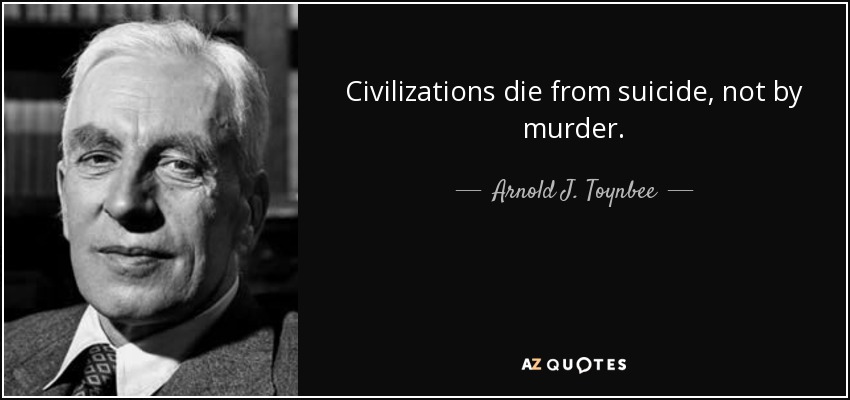
Arnold Toynbee, one of the most prestigious historians of the 20th century, famously wrote:

“Civilizations die of suicide, not murder.”

Today, in Iran, the world is witnessing the truth of those words. 🇮🇷👁️

The American superpower is not being “murdered” by a foreign enemy. It is committing suicide—through:

Act of Suicide Evidence
Arrogance Believing Iran would collapse quickly
Ignorance Misunderstanding Iranian resilience
Brutality Unrestrained violence without strategy
Stubbornness Refusing to accept defeat

Like Venezuela before it—another nation that refused to bend or humiliate itself—Iran is standing as a gravestone marking the end of American unipolar arrogance. 🪦🇺🇸

TOP 25 QUOTES BY ARNOLD J. TOYNBEE (of 53) | A-Z Quotes
“Civilizations die of suicide, not murder.” — Arnold Toynbee

Conclusion: Historicizing the Right to Defend 📖🇮🇷

The world has witnessed something remarkable. Through the mirror of American crimes and the hard, conscious resistance of the Iranian people, we have seen the decline of a superpower reduced to a fool at its helm—a president who gathers in Christian language, waiting for the return of Jesus Christ, while his bombs fall on Muslim lands. 🙏💣

Iran is not just surviving this war. Iran is historicizing its right to defend itself. 📜⚔️

The story of this conflict will be written not as an American victory, but as a chapter in the long, slow suicide of an empire that forgot its limits. Washington wanted to humiliate Tehran. Instead, Tehran has exposed Washington. 🌍💥

The superpower is stuck. The swamp is deep. And the donkey—for all its kicking and pushing—cannot find solid ground. 🐴🪤

Meanwhile, Iran builds universities, treats its sick, educates its children, and repairs its bridges. The resistance continues. And the world watches as history unfolds—not as the West predicted, but as the East endured. 🇮🇷❤️

Free Photos | Iran flag
The flag still flies. The nation still stands
twitterlinkedininstagramflickrfoursquaremail