Posted on Leave a comment

Oil Wealth Under Fire: How Regional Wars Are Reshaping Gulf Sovereign Funds 💰💥🌍

Introduction: 💰🌍🔥

For years, the sovereign wealth funds of the Persian Gulf have been the silent giants of global finance. With over $5 trillion in combined assets, they have bought into AI startups, English football clubs, social media platforms, and futuristic cities. 🏙️⚽🤖

But regional wars and escalating tensions are now threatening this financial empire. Iranian retaliatory attacks have already caused $25 billion in damage to oil and gas infrastructure. Defense costs are soaring. And the strategic Strait of Hormuz—the world’s most critical energy chokepoint—remains under constant pressure. 🚢💥

The question haunting Gulf capitals: How long can the wealth last when the region is on fire? 🔥❓
* When the region burns, so does the wealth

The Giants: $430 Billion Injected Since 2021 📈💰

The six members of the Gulf Cooperation Council (GCC)—Bahrain, Kuwait, Oman, Qatar, Saudi Arabia, and the UAE—have become major players in global investment.

Statistic Amount
Total assets Over $5 trillion
Capital injected since 2021 $430 billion
Share invested outside the region 75 cents of every oil dollar

Where the money went:

  • 🤖 AI startups and data centers

  • 🏢 Private companies

  • ⚽ UK Premier League clubs

  • 📱 Major media outlets (including TikTok)

But this aggressive global expansion is now colliding with a harsh regional reality. 🌍💥
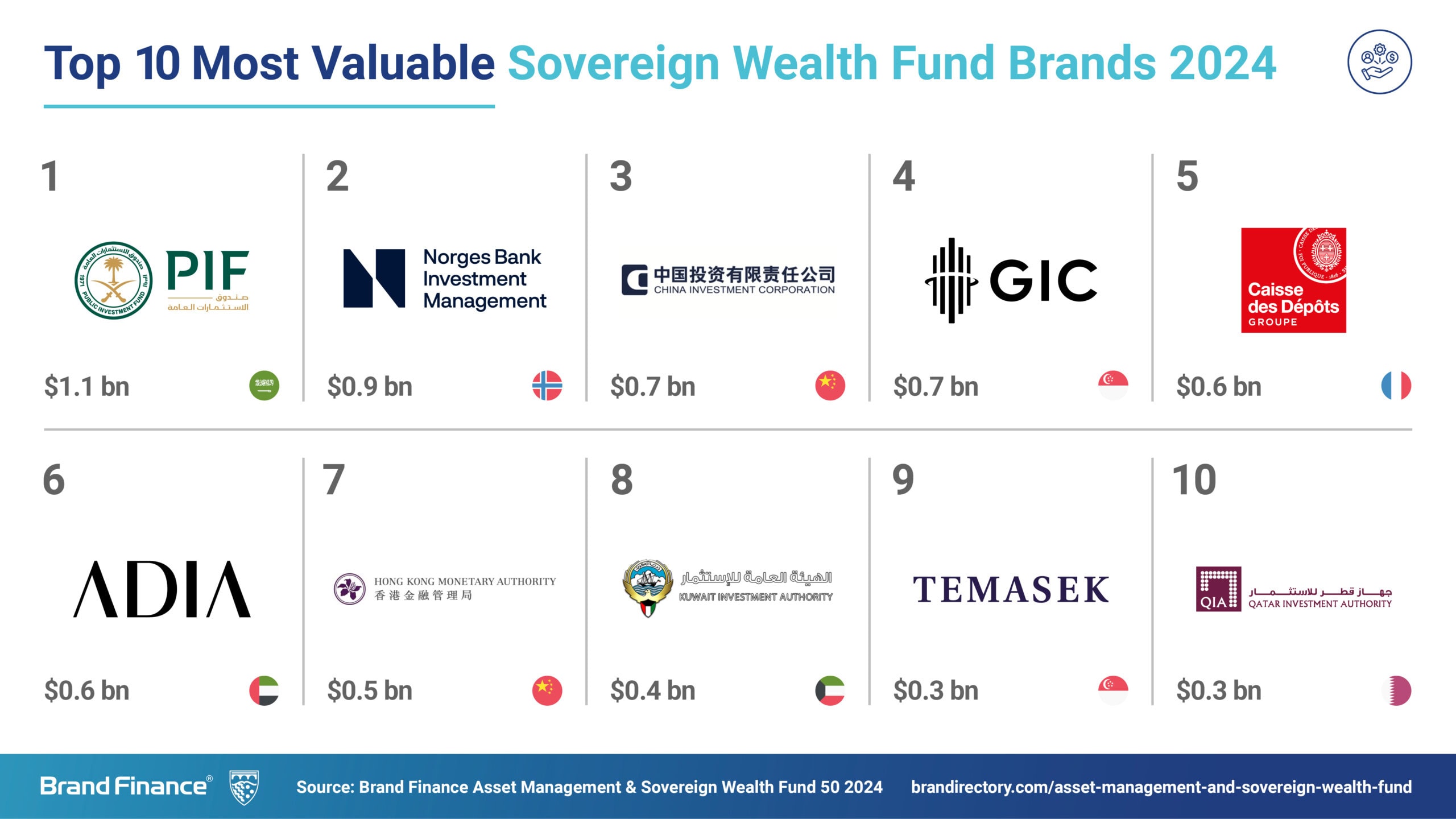
* $5 trillion in assets. But wealth does not guarantee safety

The Cost of War: $25 Billion in Damages 💣🛢️

According to The Economist, Iranian retaliatory attacks on oil and gas facilities in the region have already caused significant damage:

Damage Type Cost
Oil and gas infrastructure damage $25 billion
New pipelines to bypass Strait of Hormuz $30-50 billion (additional)

The Strait of Hormuz—through which nearly 20% of global oil passes—remains under constant pressure. Every tanker that transits is a potential target. Every day of instability adds to the economic toll. 🚢⚠️

Chevron refinery fire expected to drive up gas prices in SoCal
* $25 billion in damage—and counting

Defense Costs: Protecting Wealth at Any Price 🛡️💰

War and regional tensions have forced GCC countries to dramatically increase their defense spending.

Pressure Point Consequence
Replenishing missiles Massive military budgets
Replenishing ammunition Ongoing supply chain costs
Slowing economies Disrupted commercial activity
Energy export disruptions Lost revenue

Dubai has already announced support packages for businesses to cope with the slowdown. And the expectation is clear: sovereign wealth funds will bear part of these costs. 📉

Historical precedent:

  • During COVID-19, Abu Dhabi Investment Authority withdrew $24 billion

  • Kuwait Investment Authority withdrew $25 billion

If past crises are any guide, the current war will trigger similar—or larger—withdrawals. 🏦💸
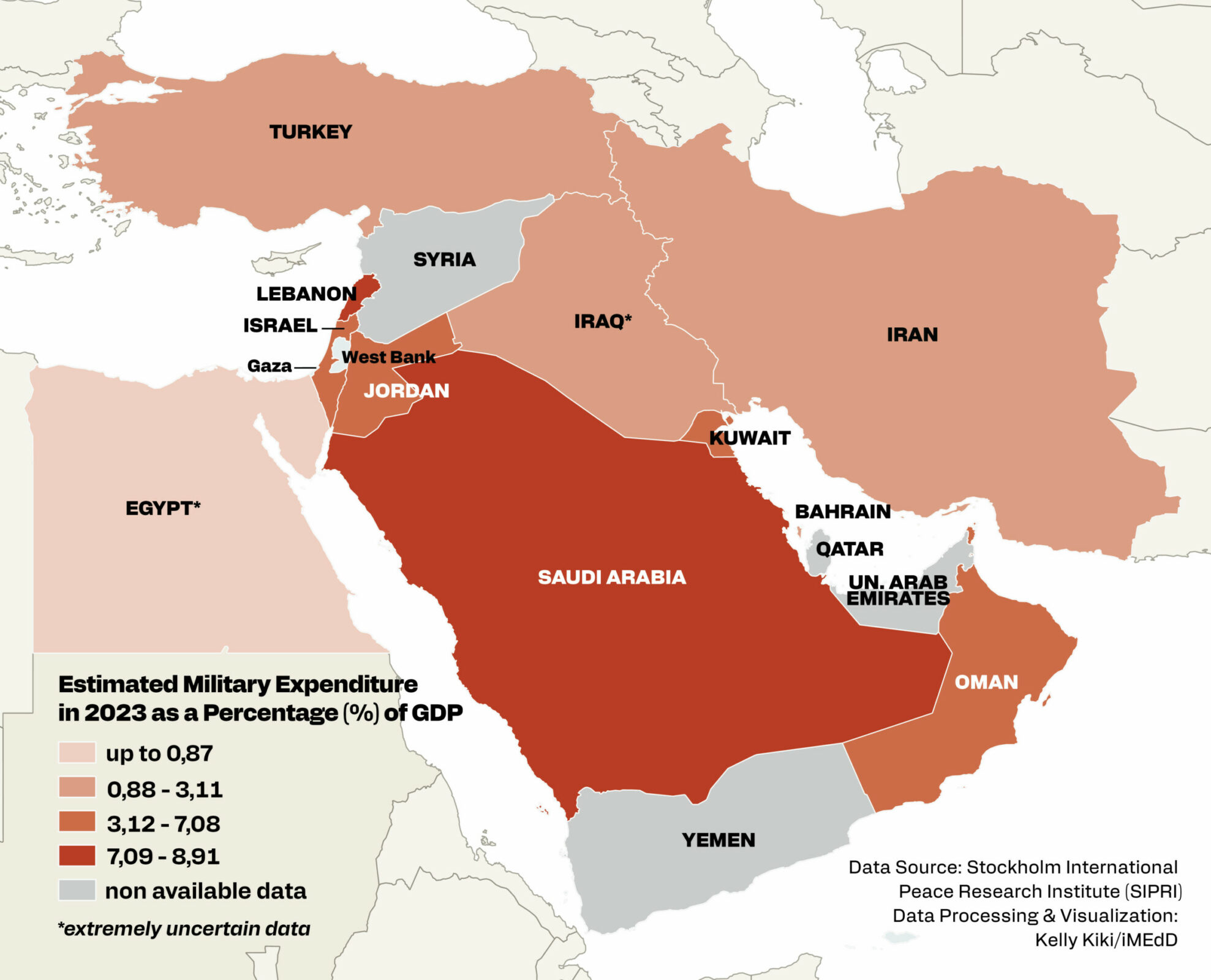
* The price of security is skyrocketing

The Liquidity Trap: When Assets Cannot Be Sold 🔒💔

Recent crises have changed how Gulf funds invest. Over the past five years, many have moved into private, less liquid assets.

Fund Type Investment Amount
UAE funds AI startups & data centers $100 billion
Saudi PIF AI startups & data centers $40 billion
Gulf funds (2021-2025) Real estate & infrastructure $140 billion

The problem: These assets cannot be easily liquidated in an emergency. Some can only be sold at heavy losses. 📉

Additionally, Gulf funds have invested in ambitious projects tied to national goals:

  • 🇦🇪 UAE funds: Mines and farms in African countries

  • 🇸🇦 Saudi PIF: Brazilian mining and agricultural projects in Southeast Asia

These are long-term plays. But war demands short-term liquidity. The mismatch is dangerous. ⚠️

The AI Paradox |
* The problem with AI investments? You cannot sell them quickly when a war starts

Domestic Attractivity Declining: Projects on Hold 🏗️❌

With intensifying threats, foreign investment in the Gulf is decreasing. The signs are everywhere:

Indicator Impact
Air traffic Sharp decline
Tourism activity Severe pressure on airports and airlines
Mega-projects Many halted or facing serious problems

Examples of affected projects in Saudi Arabia:

  • 🧊 The Cube in Riyadh

  • 🌿 The Line (futuristic linear city)

These ambitious projects, once symbols of a bold future, are now caught in the crossfire of regional conflict. 💥🏜️

Saudi Arabia halts construction of the Mukaab cube skyscraper: Background and economic analysis
…Saudi Arabia halts construction of the Mukaab cube skyscraper!

* The dream cities of tomorrow are colliding with the wars of today


The Future: Toward Safer, More Stable Assets 🔮📊

While Gulf sovereign wealth funds are not expected to auction off their assets immediately, the direction of travel is clear.

Trend Implication
Lower domestic profitability Turn to more stable foreign assets
From risky to less risky Shift away from volatile investments
Rebuilding old economies Less spending on futuristic projects
More withdrawals Funds may need to liquidate holdings

Experts believe that as crises continue and wars drag on, these funds will face complex challenges in resource management and investment. They may need to fundamentally revise their investment strategies to maintain economic and financial stability. 📉🔄

180+ Failure Choice Success Crossroads Sign Stock Photos, Pictures & Royalty-Free Images - iStock
* Where will the money go next?

Conclusion: The $5 Trillion Question ❓💰

The sovereign wealth funds of the Persian Gulf have been engines of global investment, transforming oil wealth into a diversified portfolio spanning AI, real estate, sports, and media. 🌍📈

But war changes everything.

Challenge Impact
$25 billion in damage Direct infrastructure losses
$30-50 billion for new pipelines Massive additional costs
Defense spending surge Draining national budgets
Liquidity trap Assets that cannot be sold
Declining domestic attractiveness Fewer foreign investors

The funds may survive. But their strategy will have to change. From aggressive expansion to careful preservation. From futuristic dreams to rebuilding realities. 🔄🏗️

The $5 trillion question is simple: Can the wealth of the Gulf withstand the fires of war? 🔥❓

Only time—and the duration of the conflict—will tell. ⏳👀
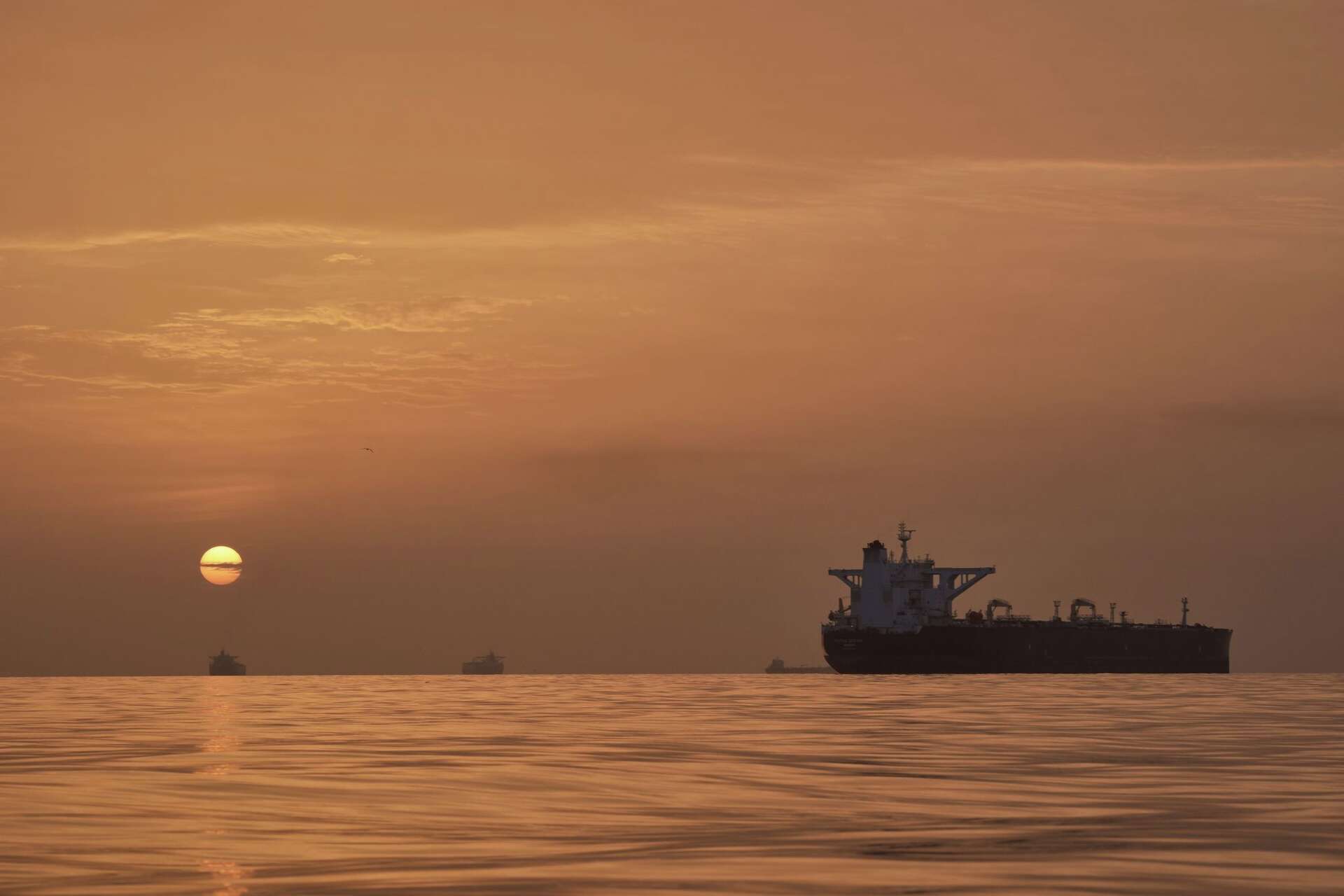
Oil prices rise anew after a US-Iran standoff in the Strait of Hormuz strands tankers

* The wealth is still there. But for how long?

twitterlinkedininstagramflickrfoursquaremail
Posted on Leave a comment

Silicon Valley Meets the Crossfire: Tech Giants’ Billions Caught in West Asia’s War Zone 💻💥🌍

Introduction: 🌐💣

For more than a decade, the Persian Gulf kingdoms have poured billions into a grand transformation: from oil-based economies to knowledge-based technological powerhouses. 🏜️➡️💻 The United Arab Emirates, Qatar, and Bahrain have lured Silicon Valley’s biggest names—Nvidia, Microsoft, Oracle—with sovereign wealth funds, luxury infrastructure, and irresistible tax policies. The result? A multi-trillion-dollar bet on the region becoming a global hub for artificial intelligence and data processing. 📈

But now, that bet is under fire. 🔥 The recent escalation of military tensions between Iran and the United States has thrown the future of these investments into serious doubt. As missiles fly and naval forces gather, the gleaming data centers of the Gulf suddenly look less like sanctuaries of innovation and more like potential targets in a widening conflict. 🎯

When the infrastructure of the future sits on the fault lines of the present


The Gulf’s Tech Gamble: From Oil to Algorithms 🛢️➡️🤖

The Persian Gulf states have spent over a decade executing one of the most ambitious economic pivots in modern history. Using enormous sovereign wealth funds, they have built:

Country Data Centers Key Advantage
🇸🇦 Saudi Arabia 61 Vast land, cheap power
🇦🇪 UAE 57 Global connectivity, tax incentives
🇶🇦 Qatar Growing LNG wealth, strategic positioning

These are not just office buildings. They are the physical backbone of the artificial intelligence revolution. Companies like Nvidia, Microsoft, and Oracle have poured billions into creating massive data centers in the region—facilities designed to power the next generation of AI services, which require enormous processing capacity, cheap electricity, and extensive physical space. 🏢⚡

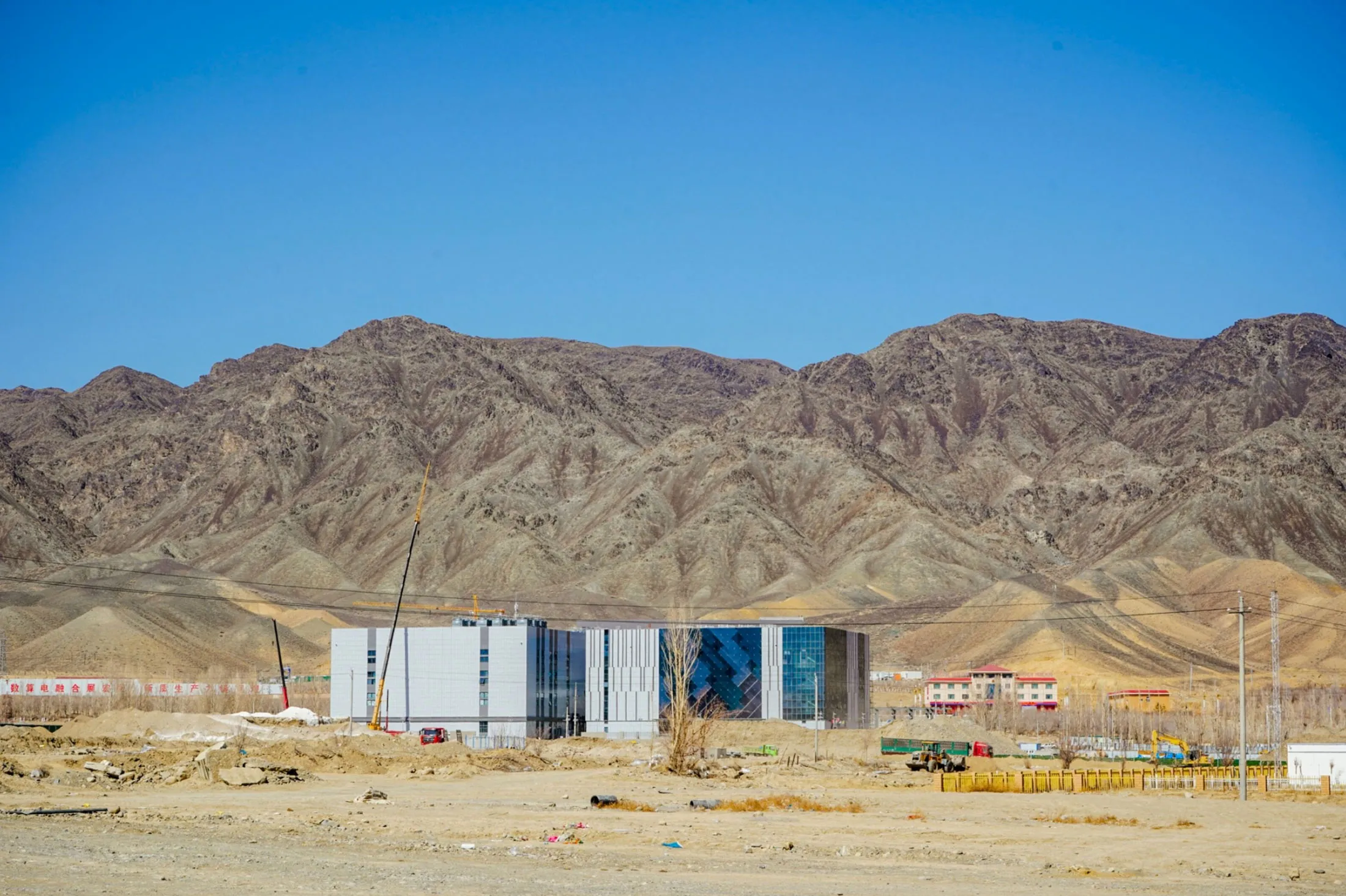
One standout project is the “Stargate Emirates” —a colossal data center operated by OpenAI and Oracle, using advanced Nvidia processors. Located in Abu Dhabi, it has been described as the largest data center outside the United States. 🚀🇦🇪

The glittering facade of the Gulf’s tech revolution

The Geopolitical Layer: Pax Silica and Digital Competition 🗺️🔌

In December 2024, the U.S. State Department announced an initiative called “Pax Silica” —an agreement signed by eleven nations, including the UAE, Qatar, and Israel. Its stated purpose: coordinate the development of artificial intelligence infrastructure. 📝🤝

This seemingly technical agreement reveals a deeper truth: digital infrastructure has become a battleground of geopolitical competition. The Persian Gulf’s unique geography—at the crossroads of Asia, Africa, and Europe, with proximity to major shipping lanes and cheap energy—has made it a focal point in the global race for AI dominance. 🌍⚔️

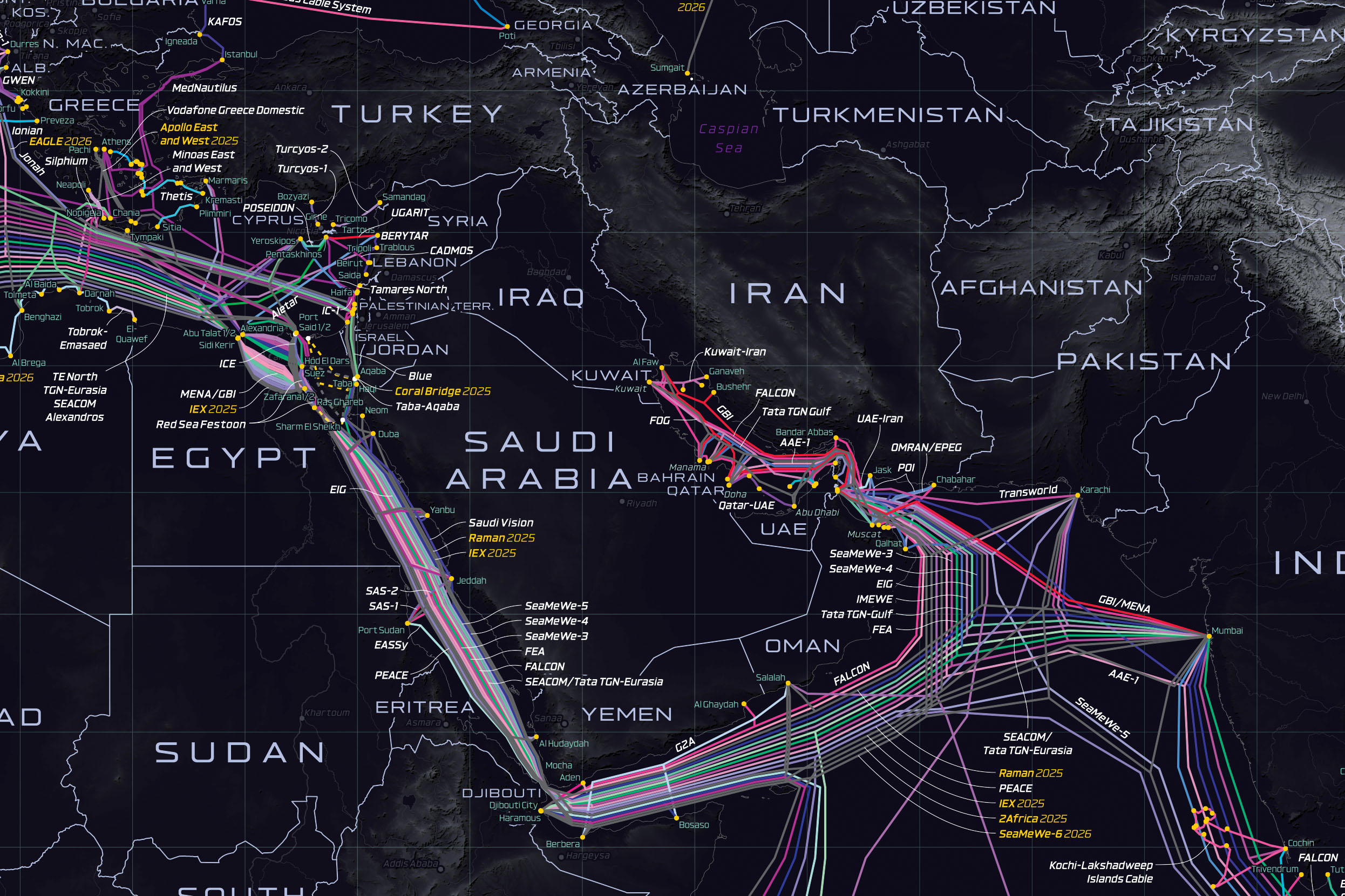
Submarine Cable Map 2025
The digital arteries of the global economy run through the world’s most volatile waters

When the War Came: Cables Under Fire 💥🌊

The optimistic vision of the Gulf as a “security bubble” insulated from regional turmoil has collided with reality. In 2024, as tensions escalated, four major submarine cables in the Red Sea were damaged. The result? Approximately one-quarter of all data traffic between Europe and Asia was disrupted. 📉💔

While backup routes were activated, full repairs took months. The incident was a wake-up call: the global internet, for all its complexity, still depends on bottlenecks—narrow passages like the Strait of Hormuz and the Red Sea—that can be severed by conflict. 🧠⚠️

International Cable Breaks in Red Sea Cause Latency Surge Across Asia and  Gulf - Subsea Cables
The hidden vulnerability: When fiber optics become military targets

The Security Illusion: Investors Wake Up 😨💼

Before the current escalation, many international investors operated under a comforting assumption: technology investments in the Gulf existed in a separate bubble, insulated from the region’s political instability. 🏝️💸 Cities like Dubai and Abu Dhabi marketed themselves as oases of calm—places where business transcended conflict.

But analysts like Matt Gertken of BCA Research had warned as early as 2023. In meetings with Western investors in the Gulf, he predicted precisely the scenario now unfolding: military escalation involving Iran, possible U.S. involvement, and the inevitable spillover into economic and technological infrastructure. 📉🗣️

At the time, many dismissed these warnings as overly pessimistic. The logic of global capital, they believed, would prevent major conflict. The billions poured into the region’s digital future seemed like a guarantee of stability. 💰🛡️

Recent events have shattered that illusion. When digital infrastructure becomes part of the geopolitical equation, it also becomes a target. The vulnerabilities are no longer just cyber—they are now physical. Missiles, drones, and naval mines pose as much threat to data centers as hackers do. 🚀💻

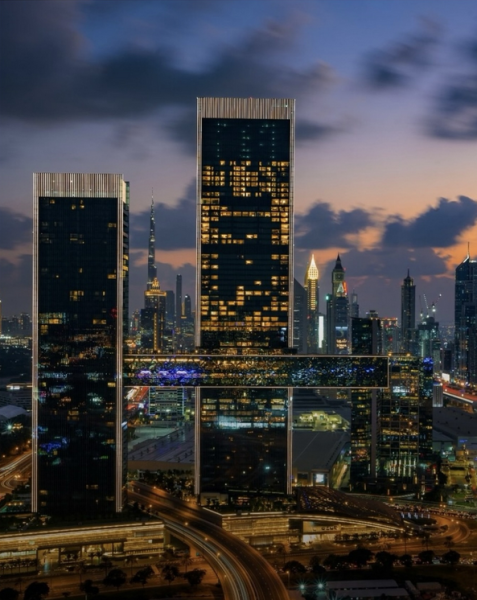
🚨BREAKING: An Iranian missile has struck a luxury skyscraper in Bahrain  reports suggest that this skyscraper is housing senior U.S. military  command personnel. Bahrain officials have not yet released any statements.
The illusion of immunity: High finance and high technology cannot escape low politics

📸 PHOTO 6 (after “The Security Illusion” section)

Image: A massive, fortified data center with visible security measures—barriers, cameras, and military-style protection—contrasting with the peaceful desert around it.

  • Search Term: “Fortified data center desert”

  • Caption: The new reality: Data centers must now defend against both cyber threats and cruise missiles.

Redefining Security in the AI Age 🔄🛡️

This new reality forces a fundamental rethinking of security in the Persian Gulf. Until now, protection focused on cyber layers: firewalls, intrusion detection, encryption. The assumption was that data centers faced their greatest threats in the digital realm. 💻🔒

But the calculus has changed. Physical threats—missile strikes, drone attacks, naval sabotage—are now equally pressing concerns. Technology infrastructure is no longer just economic assets; they are strategic assets, central to national power and global competition. 🌍⚖️

For Gulf governments, this means:

Challenge Implication
Physical security Data centers need military-grade protection
Geographic diversification Reduce concentration in vulnerable zones
Diplomatic hedging Balance relations with competing powers
Insurance costs Premiums will skyrocket
China Builds AI Dreams With Giant Data Centers in the Desert - Bloomberg
The new reality: Data centers must now defend against both cyber threats and cruise missiles

Conclusion: The Unanswered Question ❓🌐

The Persian Gulf stands at a pivotal moment. Years of strategic investment, billions of dollars, and the hopes of becoming a global AI hub now face an uncomfortable question:

Can a region become the heart of the world’s artificial intelligence infrastructure while sitting on one of the planet’s most volatile geopolitical fault lines? 🤔💥

The answer depends on forces beyond any single government’s control. It depends on:

  • Whether diplomacy can de-escalate the current crisis 🕊️

  • Whether regional powers can insulate technology infrastructure from conflict 🛡️

  • Whether international investors retain faith in the Gulf’s “security bubble” 💼

The coming months will reveal whether the glittering data centers of Abu Dhabi and Dubai represent the future of technology—or expensive monuments to a dream that war interrupted. ⏳👀

One thing is certain: the era when technology investment could ignore geopolitics is over. In the 21st century, bits and bytes travel the same routes as missiles and ships. And both can be intercepted. 🌍🔗

How to Effectively Change Career Paths - IQ PARTNERS
The Persian Gulf’s technology future hangs at a crossroads. Which path will prevail?
twitterlinkedininstagramflickrfoursquaremail