Posted on Leave a comment

The Suicide of a Superpower: How Iran Defeated the American Empire 🇺🇸💀🇮🇷

Introduction: 🌍💥

The decline of the American superpower is not unfolding on some distant, neutral battlefield. It is happening in Iran—a nation that refused to bend, refused to humiliate itself, and refused to surrender. 🇮🇷🛡️

The Americans invaded expecting a quick collapse. They expected the Iranian people to rise against their leaders. They expected missiles to fail and resistance to crumble. Instead, the opposite has happened. 💥🔄

Today, the footprints of Iran’s leadership are found not in hiding, but in universities, hospitals, schools, factories, and bridges—the living infrastructure of a nation that continues to function, to resist, and to build, even under the heaviest bombardment. 🏥🏫🏭🌉

Iran News: Official Reveals 25% of Professors Have Left Iran Amid Escalating Brain Drain Crisis - NCRI
The regime the Americans expected to collapse is still standing—and still serving its people

The Trap That Became a Swamp 🪤➡️🏞️

The architects of this war miscalculated catastrophically. They believed Iran was a “two-day job.” They were wrong. 🙅‍♂️💥

What the aggressors did not anticipate:

Expectation Reality
Quick Iranian collapse Steadfast resistance
Regime isolation National cohesion
Weak missile power Devastating precision strikes
Control of the Strait Iranian dominance

Iran’s missile power has not been silenced. Every day, it targets enemy bases and economic centers across the Persian Gulf with greater intensity than the day before. 🚀💥

The Strait of Hormuz—the world’s most critical waterway—is no longer under American control. Iran holds the cards. And Washington has no answer. 🌊🔑

Missile Silhouette Stock Photos, Images and Backgrounds for Free Download
The Strait of Hormuz is no longer an American lake

The Fool and His Promise: “A Gift to the Iranian People” 🎁🤡

In a desperate attempt to project strength, Trump—whom the text describes as a fool deceived by Netanyahu’s false promises—announced he wanted to give the Iranian people a “gift.” 🎁

But why? Why now?

The reason is simple: The donkey is stuck in the swamp. 🐴🪤

  • America cannot win militarily

  • America cannot control the Strait

  • America cannot protect its bases

  • America cannot find an exit strategy

The promise of a “gift” is not generosity. It is the bargaining of a trapped man who does not know how to free himself. 😤🚪

During Netanyahu visit, Trump warns Iran of further US strikes if it reconstitutes nuclear program
The architects of a miscalculation that became a catastrophe

The Lie That Started It All: “Two Days of Work” 📅❌

Netanyahu sold Trump a fantasy: that Iran’s entire military power could be destroyed in two days of work. 🗓️⚡

Now, those same two criminals watch helplessly as:

  • Iran’s resistance hardens by the day

  • American bases burn

  • Economic centers crumble

  • The Strait of Hormuz becomes an Iranian fortress

The brutality of the American “Wild West”—the threats, the sanctions, the bombings—has failed. Iran has not landed at the command of these two criminals. It has stood firm. 🇮🇷✊

Toynbee’s Prophecy: The Suicide of a Superpower 📜💀

Arnold Toynbee, one of the most prestigious historians of the 20th century, famously wrote:

“Civilizations die of suicide, not murder.”

Today, in Iran, the world is witnessing the truth of those words. 🇮🇷👁️

The American superpower is not being “murdered” by a foreign enemy. It is committing suicide—through:

Act of Suicide Evidence
Arrogance Believing Iran would collapse quickly
Ignorance Misunderstanding Iranian resilience
Brutality Unrestrained violence without strategy
Stubbornness Refusing to accept defeat

Like Venezuela before it—another nation that refused to bend or humiliate itself—Iran is standing as a gravestone marking the end of American unipolar arrogance. 🪦🇺🇸
TOP 25 QUOTES BY ARNOLD J. TOYNBEE (of 53) | A-Z Quotes
“Civilizations die of suicide, not murder.” — Arnold Toynbee

Conclusion: Historicizing the Right to Defend 📖🇮🇷

The world has witnessed something remarkable. Through the mirror of American crimes and the hard, conscious resistance of the Iranian people, we have seen the decline of a superpower reduced to a fool at its helm—a president who gathers in Christian language, waiting for the return of Jesus Christ, while his bombs fall on Muslim lands. 🙏💣

Iran is not just surviving this war. Iran is historicizing its right to defend itself. 📜⚔️

The story of this conflict will be written not as an American victory, but as a chapter in the long, slow suicide of an empire that forgot its limits. Washington wanted to humiliate Tehran. Instead, Tehran has exposed Washington. 🌍💥

The superpower is stuck. The swamp is deep. And the donkey—for all its kicking and pushing—cannot find solid ground. 🐴🪤

Meanwhile, Iran builds universities, treats its sick, educates its children, and repairs its bridges. The resistance continues. And the world watches as history unfolds—not as the West predicted, but as the East endured. 🇮🇷❤️


Free Photos | Iran flag
The flag still flies. The nation still stands
twitterlinkedininstagramflickrfoursquaremail
Posted on Leave a comment

Day 29:The War Has Changed — Yemen Joins, Iran Strikes Back, and America’s Impasse Deepens 💥🇾🇪🇮🇷🇺🇸

Introduction: 🌍💥

Twenty-nine days ago(February 28), the war began with the promise of a quick American victory. Today, that promise lies in ruins. 🏛️💔

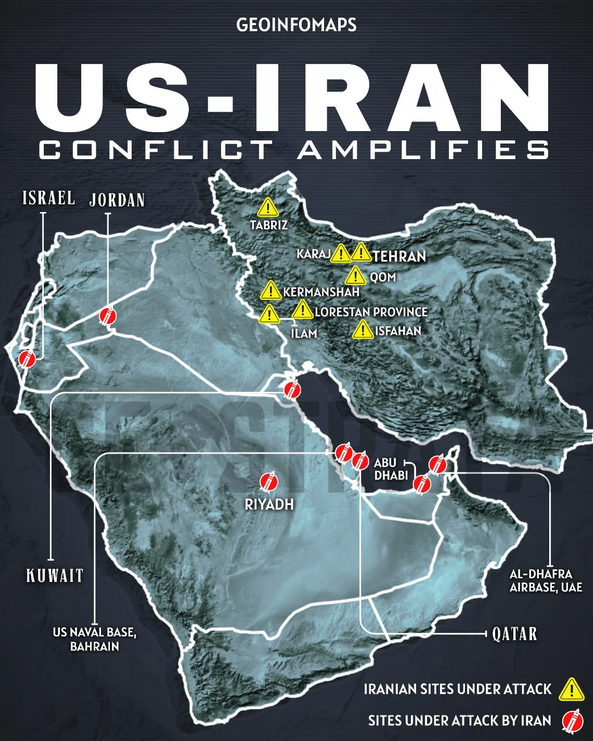
In a dramatic escalation, Iran’s Armed Forces have followed through on their warnings—launching precision drone and missile attacks on American-linked industrial infrastructure across the Persian Gulf. Simultaneously, Yemen’s Ansarullah has officially declared war on the United States and its allies, opening a new southern front that is reshaping the entire conflict. 🇾🇪⚡

As the 29th day dawns, a rare consensus has emerged across Western strategic analysis centers: This war is progressing to America’s detriment. From the Council on Foreign Relations to CSIS, the verdict is clear—Washington is trapped in a strategic impasse with no winning option in sight. 📉🇺🇸

Iran’s Promise Kept: Precision Strikes on American Infrastructure 🎯🔥

Days ago, Iran’s Armed Forces warned that any aggression against Iranian industrial sites—specifically Mobarakeh Steel and Khuzestan Steel—would be met with direct retaliation against American interests in the region. That warning has now been executed. 💣

What was targeted:

  • Critical facilities affiliated with American companies across several Persian Gulf countries

  • Precision drone and missile strikes conducted day and night

  • Infrastructure linked to the U.S. military-industrial complex

The message from Tehran is unmistakable: Iran will not limit the battlefield to its own soil. The reach of its retaliation extends across the region, and American assets are now directly in the line of fire. 🎯🌊

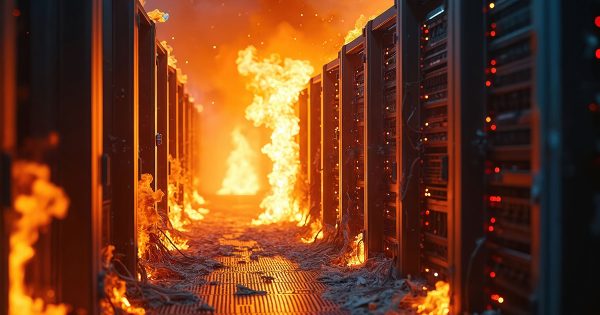
Nighttime photo of a fire at an industrial facility.
Iran’s warning was obviously not a bluff. American-linked infrastructure is now in the crosshairs

Yemen Enters the War: The Southern Front Opens 🇾🇪⚔️

In a strategic development that has sent shockwaves through Western capitals, Yemen’s Ansarullah issued an official statement: they have formally entered the war alongside Iran against the United States and its allies. 📜💥

Immediately following the announcement:

  • Massive missile barrages targeted areas in the southern occupied Palestinian territories

  • Security equations for the Zionist regime have been fundamentally altered

  • A new southern front now stretches from Yemen to Palestine

Military analysts are calling this a “turning point.” The conflict is no longer contained. It has expanded geographically, stretching American and allied forces across multiple battlefields simultaneously. 🌍🔄

Houthi sea drone badly damages ship in Red Sea; U.S. destroys missile launchers - UPI.com
 A new front opens. Yemen’s entry changes the game

The Consensus: America Is Losing 📊🧠

Twenty-nine days into a war that was supposed to be a “quick victory,” the verdict from America’s own strategic establishment is devastating.

Think Tank Assessment
Council on Foreign Relations War progressing to US detriment
CSIS (Center for Strategic & International Studies) Military stalemate, economic losses mounting
Atlantic Council Ground war would be “strategic suicide”

Key findings from experts:

  • ❌ Military stalemate: No decisive gains achieved

  • ❌ Economic losses: Mounting by the day

  • ❌ New fronts: Yemen’s entry multiplies complexity

  • ❌ Diplomatic isolation: Allies distancing themselves

A senior analyst at the Atlantic Council delivered the starkest warning: any U.S. entry into a ground war with Iran would lead Washington into an “inexhaustible quagmire”—more disastrous than Afghanistan and Vietnam combined. 🇺🇸💀

Think Tank (@thinktankenterprise) • Facebook
When the analysts agree, Washington should listen

The Ground War Trap: A Warning No One Should Ignore 🚫🪤

Among Western analysts, one scenario is met with near-universal alarm: a ground invasion.

The warnings are brutal:

Analyst Warning
Atlantic Council “Strategic suicide”
CSIS “Inexhaustible quagmire”
CFR “More disastrous than Afghanistan and Vietnam combined”

The calculus is simple: Iran is not Iraq or Afghanistan. Its geography, population, military capacity, and regional alliances make it a country that cannot be occupied. Any attempt to do so would bleed American forces for years, if not decades. 📉🩸

Free Through War's Fog Image - Battlefield, War, Smoke | Download at StockCake
The path ahead offers no honorable exit

Conclusion: The Twenty-Ninth Day — A Turning Point 🔄🌍

Day 29 of this conflict marks a decisive moment. The war is no longer what it was when it began.

What has changed:

  • ✅ Iran has proven it will strike American infrastructure region-wide

  • ✅ Yemen has formally joined the war, opening a southern front

  • ✅ Western analysts now openly acknowledge America’s strategic decline

  • ✅ The White House faces a crisis with no clear exit

Donald Trump promised a quick victory. Instead, he finds himself trapped—militarily, economically, and diplomatically—in a conflict that offers no honorable way out. 🪤🇺🇸

The question now is not whether America can “win” this war. The question is: How much more will it lose before accepting that the old rules of engagement no longer apply? ⏳👀

As the days accumulate, one truth becomes increasingly clear: the war that was supposed to demonstrate American strength is instead exposing its limits—to the world, to its allies, and perhaps even to itself. 🌍💔

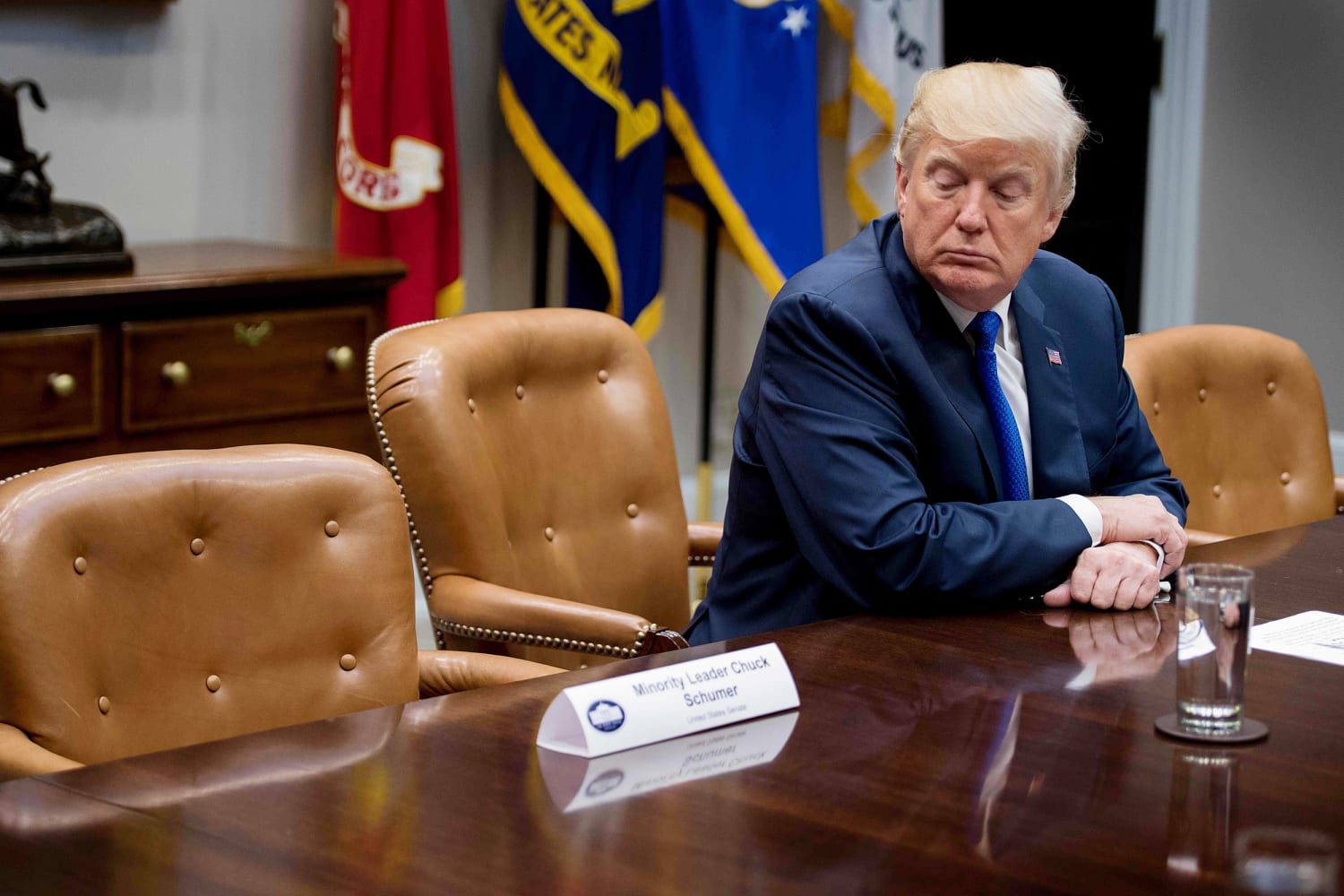
Trump rips 'weak' no-show Democratic leaders for standing him up
The man who promised a quick victory now sees no way out
twitterlinkedininstagramflickrfoursquaremail
Posted on Leave a comment

Silicon Valley Meets the Crossfire: Tech Giants’ Billions Caught in West Asia’s War Zone 💻💥🌍

Introduction: 🌐💣

For more than a decade, the Persian Gulf kingdoms have poured billions into a grand transformation: from oil-based economies to knowledge-based technological powerhouses. 🏜️➡️💻 The United Arab Emirates, Qatar, and Bahrain have lured Silicon Valley’s biggest names—Nvidia, Microsoft, Oracle—with sovereign wealth funds, luxury infrastructure, and irresistible tax policies. The result? A multi-trillion-dollar bet on the region becoming a global hub for artificial intelligence and data processing. 📈

But now, that bet is under fire. 🔥 The recent escalation of military tensions between Iran and the United States has thrown the future of these investments into serious doubt. As missiles fly and naval forces gather, the gleaming data centers of the Gulf suddenly look less like sanctuaries of innovation and more like potential targets in a widening conflict. 🎯

When the infrastructure of the future sits on the fault lines of the present


The Gulf’s Tech Gamble: From Oil to Algorithms 🛢️➡️🤖

The Persian Gulf states have spent over a decade executing one of the most ambitious economic pivots in modern history. Using enormous sovereign wealth funds, they have built:

Country Data Centers Key Advantage
🇸🇦 Saudi Arabia 61 Vast land, cheap power
🇦🇪 UAE 57 Global connectivity, tax incentives
🇶🇦 Qatar Growing LNG wealth, strategic positioning

These are not just office buildings. They are the physical backbone of the artificial intelligence revolution. Companies like Nvidia, Microsoft, and Oracle have poured billions into creating massive data centers in the region—facilities designed to power the next generation of AI services, which require enormous processing capacity, cheap electricity, and extensive physical space. 🏢⚡

One standout project is the “Stargate Emirates” —a colossal data center operated by OpenAI and Oracle, using advanced Nvidia processors. Located in Abu Dhabi, it has been described as the largest data center outside the United States. 🚀🇦🇪

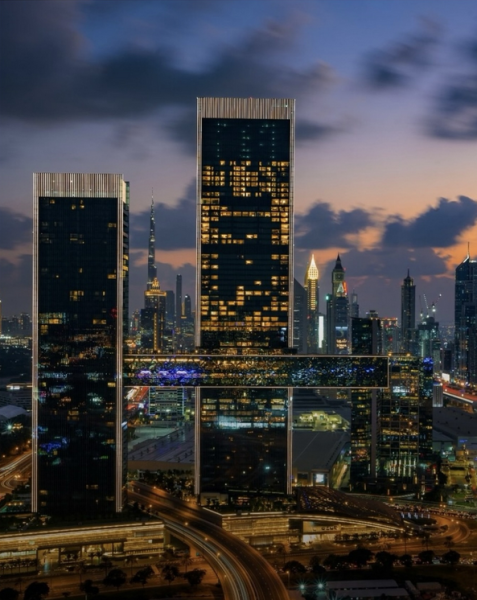
The glittering facade of the Gulf’s tech revolution

The Geopolitical Layer: Pax Silica and Digital Competition 🗺️🔌

In December 2024, the U.S. State Department announced an initiative called “Pax Silica” —an agreement signed by eleven nations, including the UAE, Qatar, and Israel. Its stated purpose: coordinate the development of artificial intelligence infrastructure. 📝🤝

This seemingly technical agreement reveals a deeper truth: digital infrastructure has become a battleground of geopolitical competition. The Persian Gulf’s unique geography—at the crossroads of Asia, Africa, and Europe, with proximity to major shipping lanes and cheap energy—has made it a focal point in the global race for AI dominance. 🌍⚔️

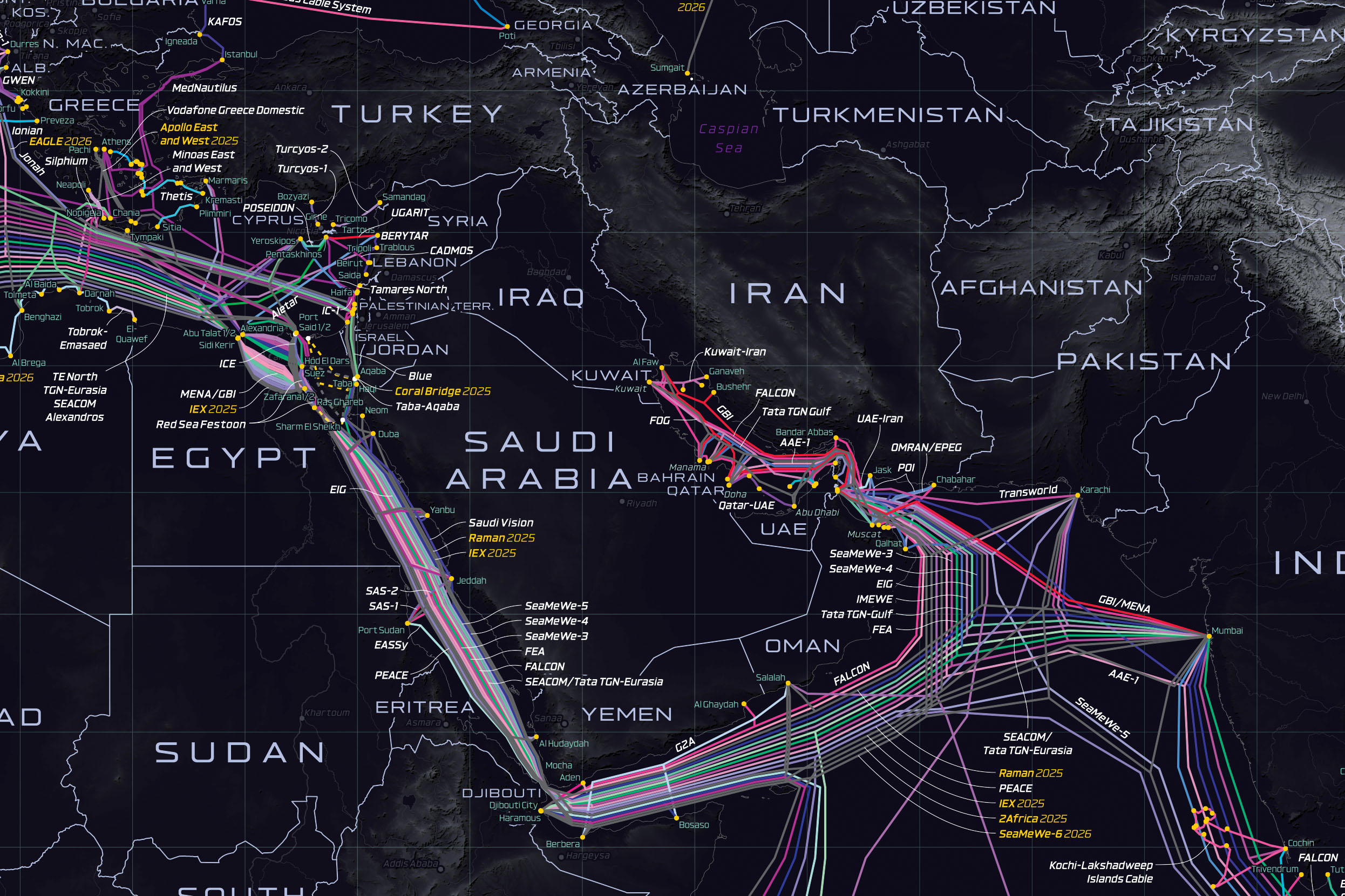
Submarine Cable Map 2025
The digital arteries of the global economy run through the world’s most volatile waters

When the War Came: Cables Under Fire 💥🌊

The optimistic vision of the Gulf as a “security bubble” insulated from regional turmoil has collided with reality. In 2024, as tensions escalated, four major submarine cables in the Red Sea were damaged. The result? Approximately one-quarter of all data traffic between Europe and Asia was disrupted. 📉💔

While backup routes were activated, full repairs took months. The incident was a wake-up call: the global internet, for all its complexity, still depends on bottlenecks—narrow passages like the Strait of Hormuz and the Red Sea—that can be severed by conflict. 🧠⚠️

International Cable Breaks in Red Sea Cause Latency Surge Across Asia and  Gulf - Subsea Cables
The hidden vulnerability: When fiber optics become military targets

The Security Illusion: Investors Wake Up 😨💼

Before the current escalation, many international investors operated under a comforting assumption: technology investments in the Gulf existed in a separate bubble, insulated from the region’s political instability. 🏝️💸 Cities like Dubai and Abu Dhabi marketed themselves as oases of calm—places where business transcended conflict.

But analysts like Matt Gertken of BCA Research had warned as early as 2023. In meetings with Western investors in the Gulf, he predicted precisely the scenario now unfolding: military escalation involving Iran, possible U.S. involvement, and the inevitable spillover into economic and technological infrastructure. 📉🗣️

At the time, many dismissed these warnings as overly pessimistic. The logic of global capital, they believed, would prevent major conflict. The billions poured into the region’s digital future seemed like a guarantee of stability. 💰🛡️

Recent events have shattered that illusion. When digital infrastructure becomes part of the geopolitical equation, it also becomes a target. The vulnerabilities are no longer just cyber—they are now physical. Missiles, drones, and naval mines pose as much threat to data centers as hackers do. 🚀💻

🚨BREAKING: An Iranian missile has struck a luxury skyscraper in Bahrain  reports suggest that this skyscraper is housing senior U.S. military  command personnel. Bahrain officials have not yet released any statements.
The illusion of immunity: High finance and high technology cannot escape low politics

📸 PHOTO 6 (after “The Security Illusion” section)

Image: A massive, fortified data center with visible security measures—barriers, cameras, and military-style protection—contrasting with the peaceful desert around it.

  • Search Term: “Fortified data center desert”

  • Caption: The new reality: Data centers must now defend against both cyber threats and cruise missiles.

Redefining Security in the AI Age 🔄🛡️

This new reality forces a fundamental rethinking of security in the Persian Gulf. Until now, protection focused on cyber layers: firewalls, intrusion detection, encryption. The assumption was that data centers faced their greatest threats in the digital realm. 💻🔒

But the calculus has changed. Physical threats—missile strikes, drone attacks, naval sabotage—are now equally pressing concerns. Technology infrastructure is no longer just economic assets; they are strategic assets, central to national power and global competition. 🌍⚖️

For Gulf governments, this means:

Challenge Implication
Physical security Data centers need military-grade protection
Geographic diversification Reduce concentration in vulnerable zones
Diplomatic hedging Balance relations with competing powers
Insurance costs Premiums will skyrocket
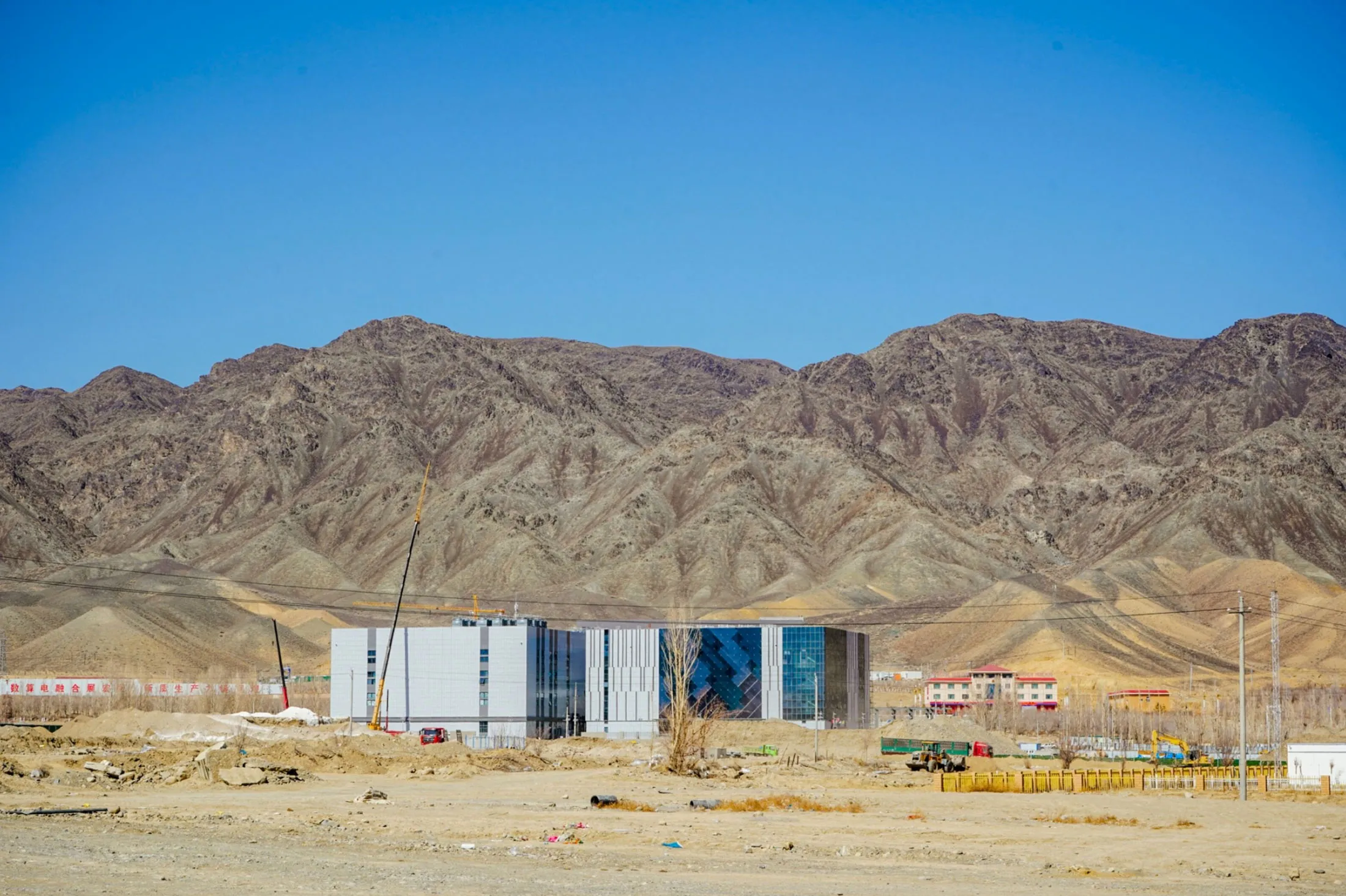
China Builds AI Dreams With Giant Data Centers in the Desert - Bloomberg
The new reality: Data centers must now defend against both cyber threats and cruise missiles

Conclusion: The Unanswered Question ❓🌐

The Persian Gulf stands at a pivotal moment. Years of strategic investment, billions of dollars, and the hopes of becoming a global AI hub now face an uncomfortable question:

Can a region become the heart of the world’s artificial intelligence infrastructure while sitting on one of the planet’s most volatile geopolitical fault lines? 🤔💥

The answer depends on forces beyond any single government’s control. It depends on:

  • Whether diplomacy can de-escalate the current crisis 🕊️

  • Whether regional powers can insulate technology infrastructure from conflict 🛡️

  • Whether international investors retain faith in the Gulf’s “security bubble” 💼

The coming months will reveal whether the glittering data centers of Abu Dhabi and Dubai represent the future of technology—or expensive monuments to a dream that war interrupted. ⏳👀

One thing is certain: the era when technology investment could ignore geopolitics is over. In the 21st century, bits and bytes travel the same routes as missiles and ships. And both can be intercepted. 🌍🔗

How to Effectively Change Career Paths - IQ PARTNERS
The Persian Gulf’s technology future hangs at a crossroads. Which path will prevail?
twitterlinkedininstagramflickrfoursquaremail