Posted on Leave a comment

Day 29:The War Has Changed — Yemen Joins, Iran Strikes Back, and America’s Impasse Deepens 💥🇾🇪🇮🇷🇺🇸

Introduction: 🌍💥

Twenty-nine days ago(February 28), the war began with the promise of a quick American victory. Today, that promise lies in ruins. 🏛️💔

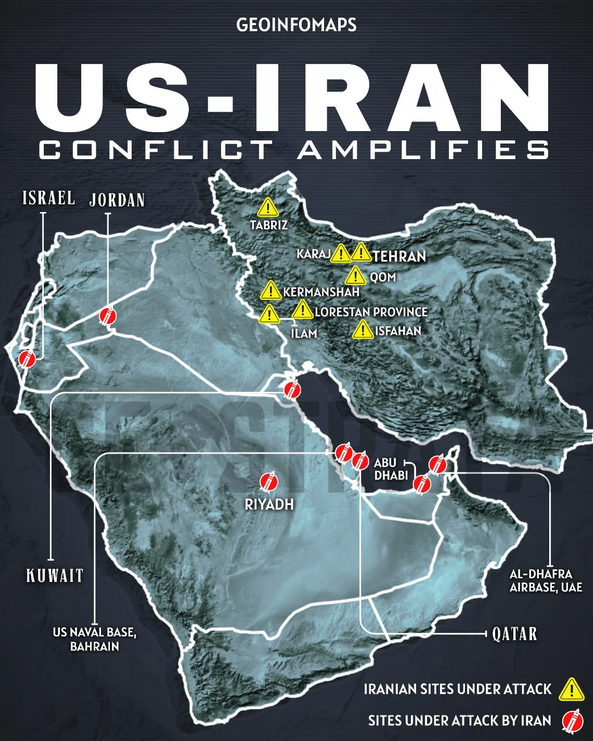
In a dramatic escalation, Iran’s Armed Forces have followed through on their warnings—launching precision drone and missile attacks on American-linked industrial infrastructure across the Persian Gulf. Simultaneously, Yemen’s Ansarullah has officially declared war on the United States and its allies, opening a new southern front that is reshaping the entire conflict. 🇾🇪⚡

As the 29th day dawns, a rare consensus has emerged across Western strategic analysis centers: This war is progressing to America’s detriment. From the Council on Foreign Relations to CSIS, the verdict is clear—Washington is trapped in a strategic impasse with no winning option in sight. 📉🇺🇸

Iran’s Promise Kept: Precision Strikes on American Infrastructure 🎯🔥

Days ago, Iran’s Armed Forces warned that any aggression against Iranian industrial sites—specifically Mobarakeh Steel and Khuzestan Steel—would be met with direct retaliation against American interests in the region. That warning has now been executed. 💣

What was targeted:

  • Critical facilities affiliated with American companies across several Persian Gulf countries

  • Precision drone and missile strikes conducted day and night

  • Infrastructure linked to the U.S. military-industrial complex

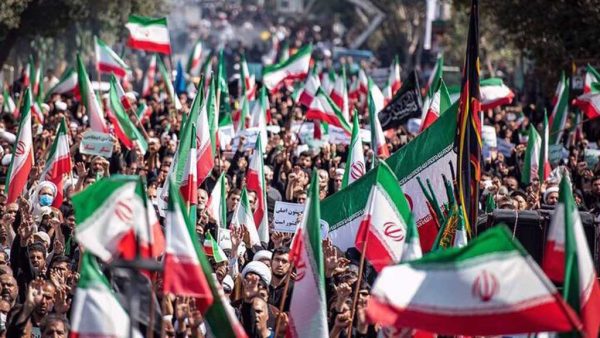
The message from Tehran is unmistakable: Iran will not limit the battlefield to its own soil. The reach of its retaliation extends across the region, and American assets are now directly in the line of fire. 🎯🌊

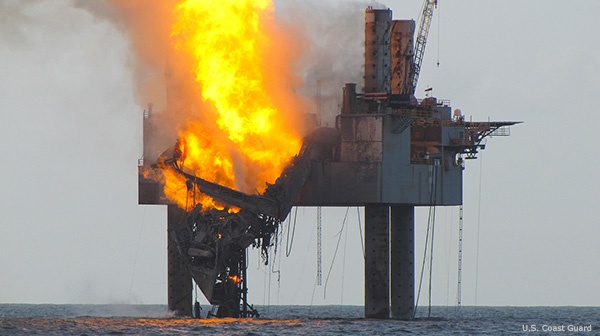
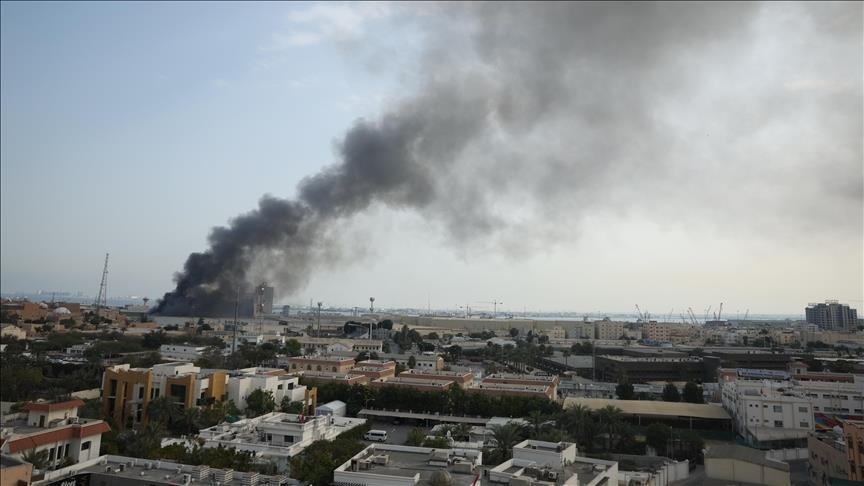
Nighttime photo of a fire at an industrial facility.
Iran’s warning was obviously not a bluff. American-linked infrastructure is now in the crosshairs

Yemen Enters the War: The Southern Front Opens 🇾🇪⚔️

In a strategic development that has sent shockwaves through Western capitals, Yemen’s Ansarullah issued an official statement: they have formally entered the war alongside Iran against the United States and its allies. 📜💥

Immediately following the announcement:

  • Massive missile barrages targeted areas in the southern occupied Palestinian territories

  • Security equations for the Zionist regime have been fundamentally altered

  • A new southern front now stretches from Yemen to Palestine

Military analysts are calling this a “turning point.” The conflict is no longer contained. It has expanded geographically, stretching American and allied forces across multiple battlefields simultaneously. 🌍🔄

Houthi sea drone badly damages ship in Red Sea; U.S. destroys missile launchers - UPI.com
 A new front opens. Yemen’s entry changes the game

The Consensus: America Is Losing 📊🧠

Twenty-nine days into a war that was supposed to be a “quick victory,” the verdict from America’s own strategic establishment is devastating.

Think Tank Assessment
Council on Foreign Relations War progressing to US detriment
CSIS (Center for Strategic & International Studies) Military stalemate, economic losses mounting
Atlantic Council Ground war would be “strategic suicide”

Key findings from experts:

  • ❌ Military stalemate: No decisive gains achieved

  • ❌ Economic losses: Mounting by the day

  • ❌ New fronts: Yemen’s entry multiplies complexity

  • ❌ Diplomatic isolation: Allies distancing themselves

A senior analyst at the Atlantic Council delivered the starkest warning: any U.S. entry into a ground war with Iran would lead Washington into an “inexhaustible quagmire”—more disastrous than Afghanistan and Vietnam combined. 🇺🇸💀

Think Tank (@thinktankenterprise) • Facebook
When the analysts agree, Washington should listen

The Ground War Trap: A Warning No One Should Ignore 🚫🪤

Among Western analysts, one scenario is met with near-universal alarm: a ground invasion.

The warnings are brutal:

Analyst Warning
Atlantic Council “Strategic suicide”
CSIS “Inexhaustible quagmire”
CFR “More disastrous than Afghanistan and Vietnam combined”

The calculus is simple: Iran is not Iraq or Afghanistan. Its geography, population, military capacity, and regional alliances make it a country that cannot be occupied. Any attempt to do so would bleed American forces for years, if not decades. 📉🩸

Free Through War's Fog Image - Battlefield, War, Smoke | Download at StockCake
The path ahead offers no honorable exit

Conclusion: The Twenty-Ninth Day — A Turning Point 🔄🌍

Day 29 of this conflict marks a decisive moment. The war is no longer what it was when it began.

What has changed:

  • ✅ Iran has proven it will strike American infrastructure region-wide

  • ✅ Yemen has formally joined the war, opening a southern front

  • ✅ Western analysts now openly acknowledge America’s strategic decline

  • ✅ The White House faces a crisis with no clear exit

Donald Trump promised a quick victory. Instead, he finds himself trapped—militarily, economically, and diplomatically—in a conflict that offers no honorable way out. 🪤🇺🇸

The question now is not whether America can “win” this war. The question is: How much more will it lose before accepting that the old rules of engagement no longer apply? ⏳👀

As the days accumulate, one truth becomes increasingly clear: the war that was supposed to demonstrate American strength is instead exposing its limits—to the world, to its allies, and perhaps even to itself. 🌍💔
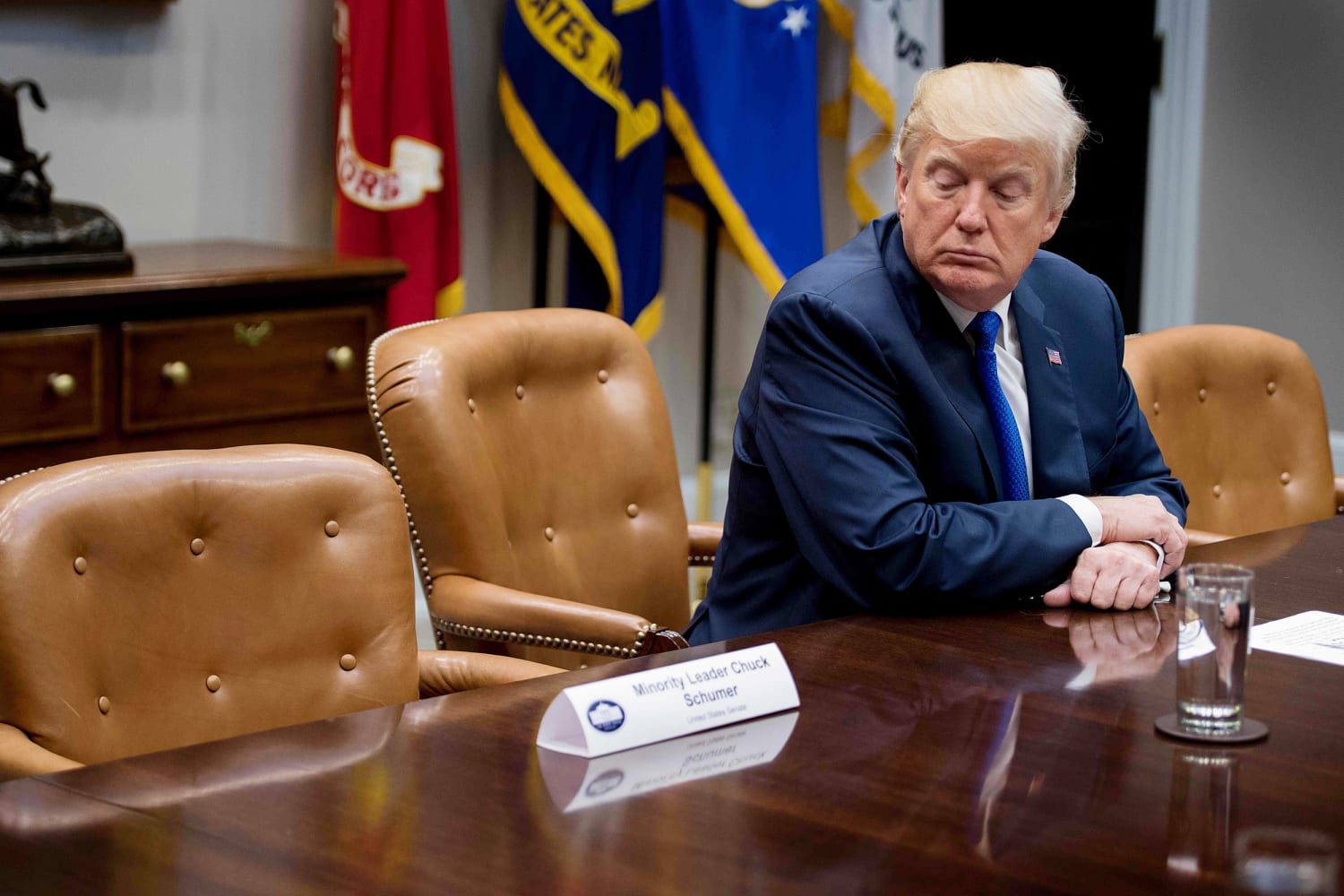

Trump rips 'weak' no-show Democratic leaders for standing him up
The man who promised a quick victory now sees no way out
twitterlinkedininstagramflickrfoursquaremail
Posted on Leave a comment

The Strategic Impasse: How Iran’s Invasion Became America’s Nightmare 🇺🇸💥🇮🇷

Introduction: 🌍🔥

The military aggression of the United States and the Zionist regime(Israel) against Iran was meant to be a decisive blow—a swift operation to destabilize Tehran and reshape the Middle East. Instead, it has become the most complex global crisis of the 21st century. 💥

Contrary to Pentagon calculations, Iran’s power structure did not collapse. On March 17, the Assembly of Experts elected Ayatollah Mojtaba Khamenei as the third leader of the revolution with unprecedented speed and unity—a clear message to the world: the doctrine of resistance continues. 🏛️⚡

Now, the consequences of this American aggression have spiraled far beyond the battlefield. With oil prices soaring, global recession looming, and America’s diplomatic isolation deepening, Washington finds itself in a strategic deadlock—a trap of its own making. 🇺🇸🪤

The war that was supposed to be quick became a quagmire. Now Washington faces an impossible choice.

1. Global Shock to the Energy Market and International Economy 🛢️📉

The invasion targeted the beating heart of the world’s energy supply—and the global economy immediately entered a critical phase.

Impact Scale
Brent oil price surge 40% jump in 48 hours, past $140/barrel
Shipping insurance costs 500% increase in the Strait of Hormuz
Energy transit disruption Crippling delays to China and Europe

This is the heaviest price shock in decades. While Trump’s rhetorical interventions briefly eased prices, the underlying instability remains. Global inflation has been reignited, and supply chain stability in Western markets has plummeted to its lowest level this century. 📊💥

When the heart of global energy burns, the whole world feels the heat.

2. Domestic Political Crisis in America 🏛️😤

Donald Trump launched this military aggression without obtaining final permission from Congress—and that decision has now become a political fault line running through the heart of Washington. ⚖️💢

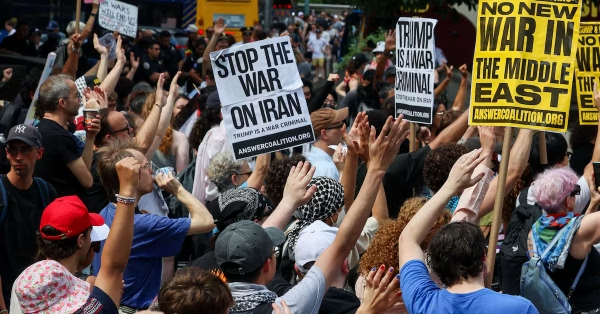
Gallup polls show the administration’s popularity in free fall, dipping below 30 percent. The American public, weary from decades of endless wars in the Middle East, is expressing its anger. Major cities have become centers of anti-war rallies, with protesters chanting: “No to another war in the Middle East!” 📢✌️

This gap between the White House and the people—combined with fractures within the power structure itself—has left Washington paralyzed: unable to either decisively continue the battle or accept a humiliating retreat. 🔄🚫

On the home front, the political price of war is soaring.

The Deal That Was: Oman’s Revelation 🇴🇲🤝🇮🇷🇺🇸

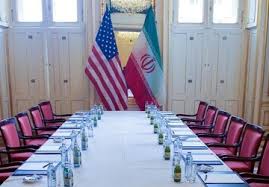
Before the bombs fell, there was progress—real progress. According to statements from Oman’s Prime Minister, who personally mediated the secret negotiations between Iran and the United States, the two sides were closer than ever to a historic breakthrough. 🕊️✨

What Oman revealed:

Point Detail
Iran’s commitment Accepted to stop all uranium enrichment
Reduction agreement Agreed to reduce existing enriched uranium stockpiles
The momentum “Huge progress” was being made
The shock “All of a sudden, they attacked the country”

This revelation shatters the official narrative that military action was necessary to prevent Iran from obtaining nuclear weapons. Iran was already stepping back. The bomb was not the threat—the negotiation’s success was. 💣🚫

The question now haunts diplomatic circles: Why attack when victory was already being achieved at the table? 🤔💥

For the global audience, Oman’s words confirm what critics suspected: this war was never about non-proliferation. It was about something else entirely. 🌍👀

What happened to the deal that was almost done?

3. Changing the Balance of Power and Stabilizing Iran’s Political Structure 🇮🇷📈

The Pentagon’s entire strategy rested on a single assumption: that military pressure would cause Iran’s power structure to collapse. This was a catastrophic miscalculation. 💥🤦

Instead of division, the invasion became a driver of national cohesion. The turning point came on March 9, when the Assembly of Experts elected Mojtaba Khamenei as the new leader with remarkable speed and determination. This was not a regime in chaos—it was a system demonstrating its resilience. 🏛️⚡

The message was unmistakable:

  • ✅ No power vacuum emerged

  • ✅ The doctrine of resistance continues

  • ✅ Domestic political currents unified around national defense

Washington’s dreams of regime change have transformed into a nightmare of military attrition. Its psychological operations? Rendered completely ineffective. 📉💔

The invasion that was supposed to divide Iran united it instead.

4. Imposing Exorbitant Financial and Logistics Costs on America 💰📉

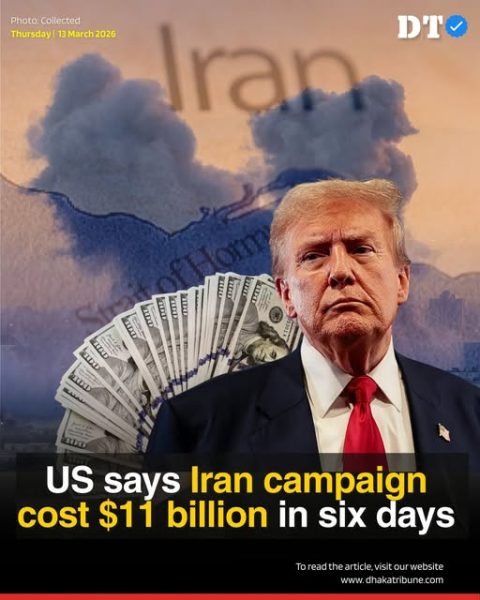
This war is a financial catastrophe for an American economy already struggling with chronic inflation. According to analysis by the Center for Strategic and International Studies (CSIS) :

Timeframe Cost
Daily operational costs $1.8 – $2 billion
6 months of war Over $360 billion
Long-term (veterans + fleet) $2.5 trillion burden

These are not abstract numbers. They represent:

  • Taxpayer dollars diverted from domestic needs 🏥📚

  • Inflationary pressure that hits every American household 🏠

  • A debt burden that will constrain the economy for decades ⏳

The Pentagon, for all its power, cannot escape the brutal arithmetic of attrition. ✖️💥

The math of war: numbers so large they defy comprehension.

5. Diplomatic Isolation and Rifts in Traditional Coalitions 🌍💔

Washington now faces the most severe divergence among its allies in modern history. The cracks are visible everywhere:

Region Response
🇩🇪 Germany Closed airspace to US military flights
🇫🇷 France Refused overflight rights
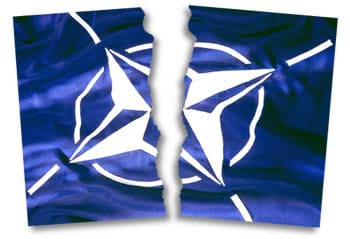
🇪🇺 Europe NATO effectiveness at historic low
🇬🇧 UK Standing with US—creating EU bipolarity
🇦🇪 Gulf States Official neutrality declared

Logistics impact: The European airspace closures alone have increased Pentagon operational costs by 20 percent. ✈️💰

In the Persian Gulf, despite hosting American forces at their bases, Arab governments issued coordinated statements declaring neutrality, refusing to allow their “soil and airspace” to be used for offensive operations against Iran. 🛑🌍

This forced neutrality has:

  • Limited America’s strategic depth

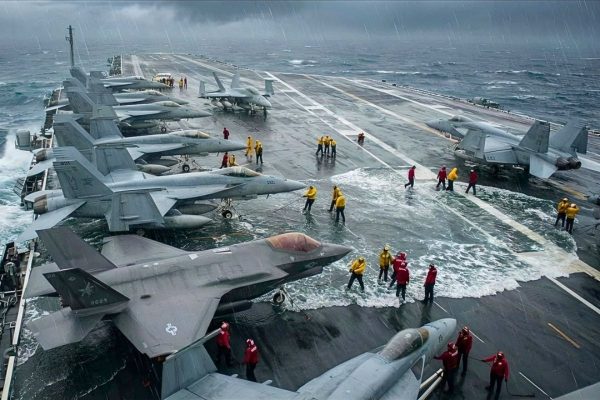
  • Pushed the operational burden onto distant aircraft carriers

  • Revealed the crumbling foundations of traditional US coalitions

    When allies become obstacles: the unprecedented rift in Western unity.

6. National Security and Stalemate in Symmetrical and Asymmetrical Battles ⚔️🔄

Iran operationalized its doctrine of “mosaic defense” —expanding the battlefield across the entire region. The results have shocked the Pentagon:

Asymmetric Impact Scale
US casualties (first 48h) 650 killed and wounded
Missile accuracy Fateh missiles challenged Patriot systems
Resistance coordination From Lebanon to Yemen, unified response
CENTCOM crisis Unprecedented personnel and infrastructure threat

Pentagon reports to Congress now acknowledge a terrifying reality: the US military can only sustain this level of asymmetric attack for a limited number of days due to logistical weaknesses. 📉💥

Washington has entered a “strategic impasse” —where the costs of staying in the region now exceed America’s military and political capacity to bear them. 🪤🇺🇸

Iran hits 6 US military sites across Gulf: Report
The mosaic defense: Iran’s answer to American firepower.

Conclusion: From Hegemony to Strategic Impasse 🏛️➡️🪤

America’s military aggression against Iran should not be viewed as just another regional conflict. It is a historical miscalculation that has fundamentally altered the power paradigm in the Middle East. 🌍💥

Washington entered this battle believing it could create a power vacuum in Tehran. Instead, it:

  • ✅ Cemented Iran’s internal cohesion around new leadership

  • ✅ Activated asymmetric defense capacities that trap the US in an “erosion cycle”

  • ✅ Triggered diplomatic isolation among traditional allies

  • ✅ Caused irreparable shocks to global energy markets

  • ✅ Revealed that the era of unilateral hegemony is over

The cost-benefit balance has shifted—decisively and permanently—against American national interests. 📉🇺🇸

Now, the United States faces an impossible choice:

Option Consequence
Continue the war Accelerated decline, dollar weakening, regional influence collapse
Accept new realities Return to diplomatic table before domestic crisis explodes

For its part, Iran has demonstrated something the Pentagon’s equations could never predict: strategic maturity. Not just in survival, but in crisis management and the imposition of mutual costs. 🧠🇮🇷

The question hovering over Washington is simple: How much more will America bleed before it accepts that the old rules no longer apply? ⏳👀

As Oman’s revelations confirm, this war was never necessary. Iran was already stepping back from the nuclear edge. The bombs that fell were not about preventing a threat—they were about something else entirely. And now, the entire world pays the price. 🌍💔

The choice before an empire: continue the bleed or accept a new balance.
twitterlinkedininstagramflickrfoursquaremail
Posted on Leave a comment

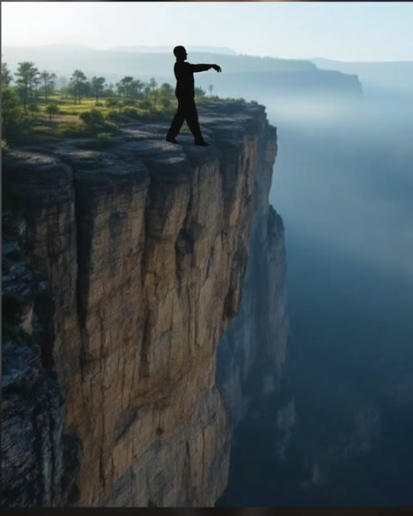
Sleepwalking to War: Why Washington’s Pressure on Iran Is Failing 😴🇺🇸➡️🇮🇷

Introduction: 🌍⚠️

Over recent weeks, an ominous U.S. military buildup has accelerated across the waters and territories of West Asia. 🛳️✈️ Concurrently, Western-backed protests have raged with fluctuating intensity throughout major Iranian cities. President Trump has issued dire threats of impending “bad things” if Tehran refuses to curb its nuclear research and missile programs. 🗣️💥 But as the drums of war reach a belligerent crescendo, urgent warnings are being sounded—not from Tehran, but from within Washington’s own establishment. 🥁🔊

The question haunting the White House is simple yet profound: Why won’t Iran capitulate? 🇺🇸❓🇮🇷

How War Drums Changed the Course of History: The Psychology of Sound in Ancient Warfare | by Zacharias Hendrik | Medium
“Nobody wants this. We’re sleepwalking towards a war, in search of a strategy.” — Aaron David Miller

The Media’s Failure: Scenarios, Not Questions 📺🤐

The Western media has singularly failed to question the ultimate objectives—let alone the legality or morality—of U.S. military action against Iran. Instead, outlets have typically outlined the potential merits of “intervention.” 📰 The BBC has gone so far as to publish an explainer guide to different attack “scenarios.” 📋💥

On February 19th, the British state broadcaster expressed genuine bewilderment:

“Why do Iranian leaders, at least publicly, remain defiant in the face of the world’s most powerful military and its strongest regional ally in the Middle East?” 🤷‍♂️🇬🇧

The BBC attributed this intransigence to Iranian displeasure with Trump’s demands, noting that “from Tehran’s perspective, [U.S.] demands amount not to negotiation but to capitulation.” 🚫📝

All the firepower in the world cannot substitute for understanding the adversary

Hammer and the Anvil: Forging Resilience in Product ManagementHammer and the Anvil: Forging Resilience in Product ManagementCredit: DALL-E

The Confession: “Why Haven’t They Capitulated?” 🤔🇺🇸

Remarkably, senior U.S. officials openly endorse this view. On February 21st, White House envoy Steve Witkoff spoke of how the President was “curious” as to “why, under this sort of pressure, with the amount of sea power and naval power” in West Asia, Iran’s leadership “haven’t capitulated.” 🧐🛳️

This curiosity is itself a confession. It reveals that Washington genuinely expected Tehran to behave like weaker states—bending under the weight of military intimidation and economic pressure. 💰💪 The assumption was that every nation has a breaking point, a price, a threshold beyond which surrender becomes rational.

But two days later, an answer to this apparent enigma was provided—not by Tehran, but by America’s own military leadership. 📢

The tool and the target: When maximum pressure meets maximum resistance

The Generals Speak: “Significant Risks” and “Prolonged Conflict” 🎖️⚠️

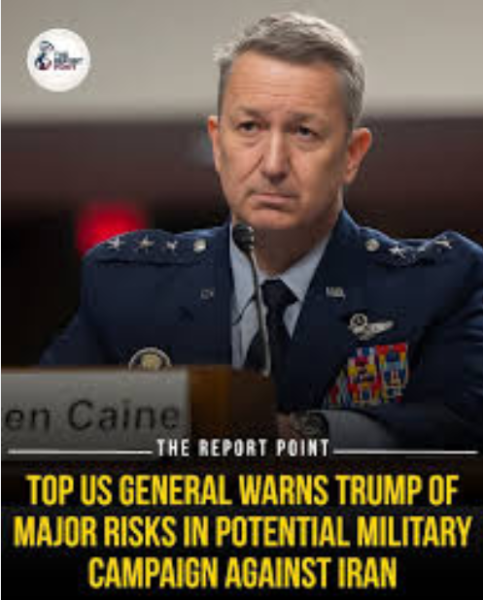
On February 23rd, Axios, the Wall Street Journal, and the Washington Post published virtually identical “exclusive” reports. 📰🔒 Top U.S. General Dan Caine had privately cautioned the Trump administration about the “significant risks” attached to military action against Tehran.

The warning was stark: even a “limited strike” would carry a very high prospect of producing prolonged conflict, deeply destructive for all concerned. 💥📉 The assumption that America could deliver a quick, surgical blow and be done with it is dangerously misguided.

A scathing February 24th Financial Times editorial echoed these admonitions. 💼📰 An unnamed “Israeli intelligence official” told the publication that despite the vast recent buildup, Washington only boasts military capacity to sustain:

  • four- to five-day “intense aerial assault” 🕒💥

  • Or a week of lower-intensity strikes 🕒🔽

This raises the risk of sizeable American casualties and resultant “domestic blowback.” 🇺🇸💔 Cited polling data indicates the overwhelming majority of U.S. citizens oppose conflict with Iran. 📊🚫

Top U.S. General Dan Caine’s private warning: “Significant risks” and “prolonged conflict.”

The Think Tank Warning: “A Crisis of His Own Making” 🏛️🔮

Think tank analyst Aaron David Miller offered perhaps the most damning assessment:

“Nobody wants this. We’re sleepwalking towards a war, in search of a strategy… The President has put himself in a box. He has put himself in a situation where unless he manages to extract a considerable concession from the Iranians to avoid a war he doesn’t want, he’s going to be forced into one. This is a crisis of his own making.” 🗣️📦

This is the voice of the Washington establishment—not criticizing from the outside, but warning from within. The message is clear: Trump’s maximalist approach has painted the administration into a corner with no easy exit. 🎨🚪

Nightmares in the Dream Sanctuary: War and the Animated Film, by Donna Kornhaber | Times Higher Education (THE)
Nobody wants this. We’re sleepwalking towards a war

Conclusion: The Gap Between Power and Understanding 🌉🧠

The accumulating evidence points to a single, uncomfortable truth for Washington: all the military power in the world cannot substitute for understanding the adversary. 🚫💪

Iran has demonstrated, across four decades of pressure, that it does not change course against threats. Its strategic decisions are rooted not in fear, but in security calculations, historical experience, and identity. 🇮🇷🧱 The more pressure is applied, the more the system consolidates around its core principles.

The White House now faces a choice: continue down a path that has yielded nothing but accumulated tension and strategic dead ends, or finally accept the complexity of the power structure it faces. 🔄🤔

As Aaron David Miller warned, the alternative is sleepwalking into a war nobody wants—a crisis entirely of Washington’s own making. The question is whether the administration will wake up before it’s too late. ⏰👀

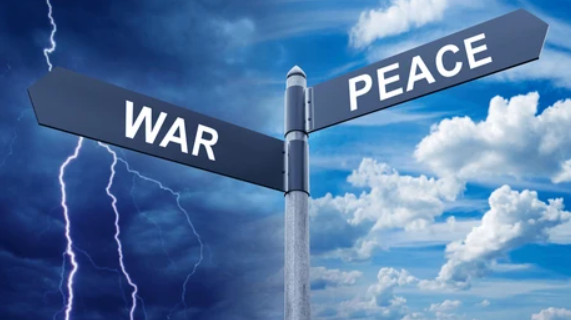
The Forks in the Road, the Moments That Define Our Life. – HEAL YOUR LIFE (In Just 5 Minutes A Day)
The choice before Washington: continue the same failed path, or finally accept reality
twitterlinkedininstagramflickrfoursquaremail