Posted on Leave a comment

America’s Secret Biological Arsenal: What Lies Beneath the Caucasus and Central Asia? 🧬🔬🇺🇸

Secret documents declassified by US Director of National Intelligence Tulsi Gabbard on the verge of leaving office have revealed a disturbing truth: the United States has sponsored or directly operated more than 120 biological laboratories in more than 30 countries—including 46 laboratories in Ukraine. 🏛️🧪

For years, Russia, China, and Iran warned about the existence of such centers. Every time, the United States and host countries firmly denied it. Now, with America’s own declassification, there is nothing left to hide. 📜❌

The documents reveal the presence of American biological infrastructure in Azerbaijan, Armenia, Georgia, Tajikistan, Uzbekistan, Kazakhstan, Kyrgyzstan, Iraq, Moldova, Jordan, Afghanistan, and several African nations—all involved in the production of dangerous pathogens. 🌍⚠️
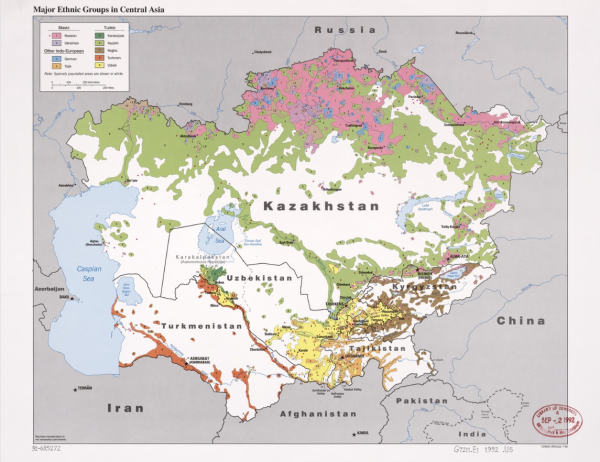
* The secret is out. But the truth may be even more disturbing

The Hidden Network: Labs Without Oversight 🧬🔒

Some experts believe that the high number of cancer infections and deaths in some of these countries, and the frequent spread of human and animal epidemics in areas close to these laboratories, are directly related to this issue. ☣️💀

The danger is especially acute for countries neighboring Russia, China, and Iran:

  • Citizens of these countries have specific genetic characteristics 🧬

  • This makes it easier for the US and Israel to test biological materials for possible future use against these nations 🎯

  • People in cities near these labs have repeatedly been victims of leakage or controlled release of dangerous American biological substances 🩸

The consequences are chilling:

  • Assassination of scientific and political figures 🎯

  • Contamination of agricultural and horticultural products 🌾

  • Implementation of migration policies and population reduction in target areas 🏠

  • Use of deadly pathogens like anthrax, Ebola, coronaviruses, and others ☣️
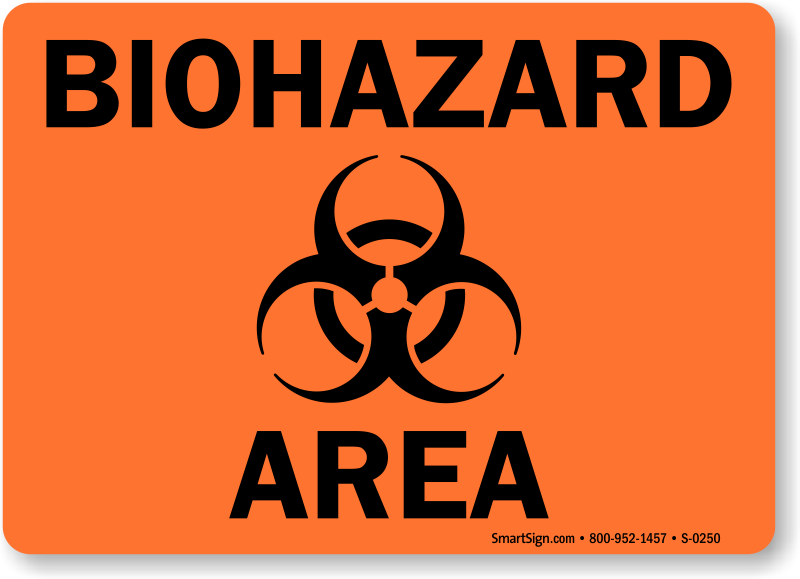
Biohazard Area Sign
* Behind closed doors. What are they really studying?

Ukraine, Georgia, and Kazakhstan: The Known Cases 🗺️🔬

Georgia: The Lugar Center 🇬🇪

A research center known as the Richard Lugar Center for Public Health Research near Tbilisi, Georgia, has been the subject of intense suspicion. Created with financial and technical participation from the US Department of Defense, it was presented as a program to reduce biological threats after the collapse of the Soviet Union. 🏛️💉

Russia has repeatedly emphasized that this center participates in biological military activities. The US and Georgia deny this, claiming it is a public health center. But suspicions remain that:

  • Biological weapons were produced in this center 🧪

  • They are stored for future use against Russia, China, and Iran 🎯

  • The facility has underground floors hidden from public view 🕳️

  • No independent inspection has ever been allowed 🚫

Ukraine: The Pentagon’s Largest Network 🇺🇦

The Ukraine conflict is the most important part of this case. After the 2005 US-Ukraine agreement, dozens of laboratories and disease diagnosis centers in Ukraine were supported by the American Biological Threat Reduction Program. 🏛️🔬

During the Russo-Ukrainian War, Russia announced that dozens of US-backed biological laboratories were operating in Ukraine. The Russian Ministry of Defense stated that they obtained documents showing samples of anthrax, plague, cholera, and other pathogens were present in these laboratories. Some documents and samples were reportedly destroyed when the war began. 🔥📄

Despite US claims that these centers are “owned by Ukraine and operate to control diseases,” even American officials have now admitted that dangerous pathogens were kept in some Ukrainian centers—and these activities were not just defensive and research-based, but of a military nature. ⚔️🧪

Kazakhstan: A Pattern of Denial 🇰🇿

In Kazakhstan, the central reference laboratory known as CRL was opened in 2016 in Almaty. Though officially owned by Kazakhstan, it received $108 million from the Pentagon for construction. 🏗️💰

Additionally, construction of another similar facility began in Jambyl province in the south.

Richard M. Lugar Center for Public Health in the outskirts of Tbilisi, Georgia, home to the Georgian National Center for Disease Control and Prevention and U.S. Army Medical Research Directorate-Georgia
* A public health center? Or something far more sinister?

The Pattern of Denial: “Conspiracy Theories” vs. Reality 🙅‍♂️📜

Authorities in Kazakhstan, Ukraine, and Georgia repeat the same message: these facilities serve only peaceful purposes and protect populations against dangerous infections. 🛡️🤝

But the facts tell a different story:

International standards require maximum transparency from member states of the Biological Weapons Convention. In the case of the Pentagon, however, everything is the opposite:

  • Neither Russia, nor China, nor other protesting countries have ever been able to conduct international inspections of these facilities 🚫

  • Tulsi Gabbard emphasized in her research that representatives of former US and Ukrainian governments actively prevented any attempt to reveal the truth 📜🔒

  • Vladimir Zelensky called talks about biological laboratories jokes and Kremlin legends 🃏

  • Today, with US declassification, it is clear that Ukrainian leaders misled their nations on US orders 🤥

A similar situation exists in Kazakhstan. Every time the issue is raised, the answer is: “These are all illusions and propaganda.” But the facts suggest otherwise. 📰❌
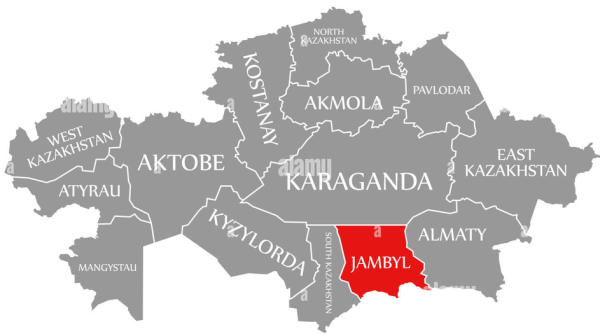
* Two labs. $108 million from the Pentagon. And no international inspections


The Human Cost: Sudden Outbreaks and Unanswered Questions ☣️💀

The most worrying impact of these laboratories has been the growing epidemics of dangerous viruses and the sharp increase in the incidence of certain diseases.

Kazakhstan: The Almaty Pattern 🇰🇿

Since the launch of the American Biological Laboratory in Almaty in 2016, sudden epidemics of some diseases have been recorded that were rare before:

  • In 2018, the number of people with an unknown type of meningitis increased sharply in Almaty 🧠⚠️

  • The hypothesis of “accidental or intentional leakage” from the center was widely discussed 💬

  • The Ministry of Health quickly announced that infection statistics do not exceed WHO limits 📊

  • But the date and place of the outbreak were too consistent to be coincidence 🎯
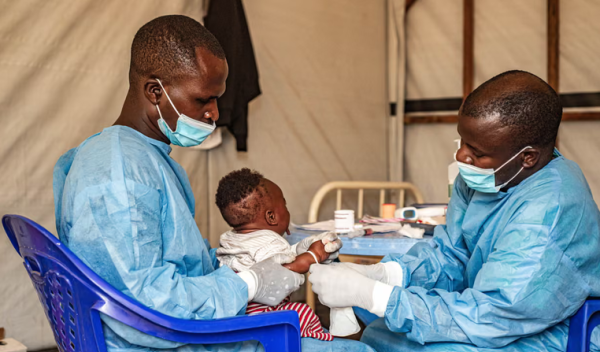
* Are these outbreaks natural—or manufactured?

The Gain-of-Function Controversy: Playing with Fire 🔬🔥

Another controversial issue in these mysterious laboratories is the so-called “Gain-of-Function” research. This involves studying the behavior of viruses and potentially:

  • Changing characteristics such as transmission intensity 🦠

  • Altering pathogenicity for specific target countries 🎯

The performance during COVID-19 is also worthy of reflection:

  • The centers were supposed to be a bastion of the fight against coronavirus 🏛️

  • In practice, the facilities behaved passively ⏸️

  • None of the scientific advances expected from the Pentagon occurred ❌

  • Question: What have the scientists in these laboratories been doing all this time? 🤔

Scientist in hazmat suit working with chemicals in a laboratory | Premium  AI-generated image
* Gain-of-function research. What happens when it goes wrong?

A Strategic Challenge for the Caucasus and Central Asian Countries 🏛️⚠️

For the countries of Central Asia and the Caucasus, this situation is contradictory and dangerous.

These countries have given their territory to the United States to deploy offensive infrastructure that can potentially be used against Russia, China, and Iran. 🎯💥

The risks:

Risk Consequence
Geopolitical Hosting US offensive infrastructure against powerful neighbors
Health Direct risks to citizens’ health
Safety No access for international inspectors means no safety guarantees
Disaster Man-made disaster, terrorist attack, or sabotage could kill millions
Zero Hour At the moment of use, populations may simply be infected with no antidote

There is also speculation that occasionally strains leak out “in small amounts and intentionally” by Americans to measure efficiency and work results. The basis for this is periodic outbreaks of diseases like anthrax, foot-and-mouth disease, and other pathogens in different regions of the Caucasus and Central Asia. ☣️📊

20+ Russia Iran China Flags Stock Photos, Pictures & Royalty-Free Images -  iStock
* Three nations. One shared threat. And silence from the West


Conclusion: An Unjustifiable Crime ⚖️💀

Tulsi Gabbard’s declassification revealed what was called “conspiracy theory” for years. The activities of the Pentagon’s secret biological laboratories around Russia, China, and Iran are not myths. They are facts—now confirmed even by the US intelligence agency itself. 📜✅

The unanswered questions remain:

If these facilities are really as safe and transparent as claimed:

  1. Why has no group other than Americans ever had access? 🔒

  2. Neither the Collective Security Treaty Organization (CSTO) 🤝

  3. Nor the Shanghai Cooperation Organization (SCO) 🤝

  4. Nor the United Nations 🌍

The answer to this question will be a good test:

Are the governments hosting these laboratories really independent governments concerned about the condition of their people?

Or are they the raw sales colony of the West—a test field for the realization of scientific ambitions that could one day turn against their own populations? 🧪💀

As the investigation into the disappearance of billions of dollars from the budget of biological research programs has now begun in the United States, the international community has the right to ask host countries to finally open the doors of these laboratories to the public. 🚪🔓

The secret is out. Now, the world must demand the truth. 🌍👁️

Inflatable Sealing Airtight Door
* The doors remain closed. But the truth is beginning to seep out
twitterlinkedininstagramflickrfoursquaremail
Posted on Leave a comment

The Strategic Impasse: How Iran’s Invasion Became America’s Nightmare 🇺🇸💥🇮🇷

Introduction: 🌍🔥

The military aggression of the United States and the Zionist regime(Israel) against Iran was meant to be a decisive blow—a swift operation to destabilize Tehran and reshape the Middle East. Instead, it has become the most complex global crisis of the 21st century. 💥

Contrary to Pentagon calculations, Iran’s power structure did not collapse. On March 17, the Assembly of Experts elected Ayatollah Mojtaba Khamenei as the third leader of the revolution with unprecedented speed and unity—a clear message to the world: the doctrine of resistance continues. 🏛️⚡

Now, the consequences of this American aggression have spiraled far beyond the battlefield. With oil prices soaring, global recession looming, and America’s diplomatic isolation deepening, Washington finds itself in a strategic deadlock—a trap of its own making. 🇺🇸🪤

The war that was supposed to be quick became a quagmire. Now Washington faces an impossible choice.

1. Global Shock to the Energy Market and International Economy 🛢️📉

The invasion targeted the beating heart of the world’s energy supply—and the global economy immediately entered a critical phase.

Impact Scale
Brent oil price surge 40% jump in 48 hours, past $140/barrel
Shipping insurance costs 500% increase in the Strait of Hormuz
Energy transit disruption Crippling delays to China and Europe

This is the heaviest price shock in decades. While Trump’s rhetorical interventions briefly eased prices, the underlying instability remains. Global inflation has been reignited, and supply chain stability in Western markets has plummeted to its lowest level this century. 📊💥

When the heart of global energy burns, the whole world feels the heat.

2. Domestic Political Crisis in America 🏛️😤

Donald Trump launched this military aggression without obtaining final permission from Congress—and that decision has now become a political fault line running through the heart of Washington. ⚖️💢

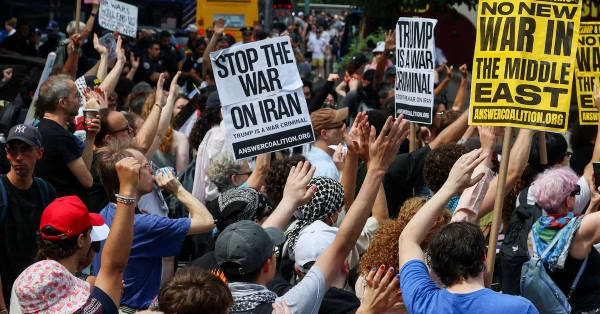
Gallup polls show the administration’s popularity in free fall, dipping below 30 percent. The American public, weary from decades of endless wars in the Middle East, is expressing its anger. Major cities have become centers of anti-war rallies, with protesters chanting: “No to another war in the Middle East!” 📢✌️

This gap between the White House and the people—combined with fractures within the power structure itself—has left Washington paralyzed: unable to either decisively continue the battle or accept a humiliating retreat. 🔄🚫

On the home front, the political price of war is soaring.

The Deal That Was: Oman’s Revelation 🇴🇲🤝🇮🇷🇺🇸

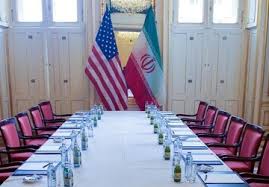
Before the bombs fell, there was progress—real progress. According to statements from Oman’s Prime Minister, who personally mediated the secret negotiations between Iran and the United States, the two sides were closer than ever to a historic breakthrough. 🕊️✨

What Oman revealed:

Point Detail
Iran’s commitment Accepted to stop all uranium enrichment
Reduction agreement Agreed to reduce existing enriched uranium stockpiles
The momentum “Huge progress” was being made
The shock “All of a sudden, they attacked the country”

This revelation shatters the official narrative that military action was necessary to prevent Iran from obtaining nuclear weapons. Iran was already stepping back. The bomb was not the threat—the negotiation’s success was. 💣🚫

The question now haunts diplomatic circles: Why attack when victory was already being achieved at the table? 🤔💥

For the global audience, Oman’s words confirm what critics suspected: this war was never about non-proliferation. It was about something else entirely. 🌍👀

What happened to the deal that was almost done?

3. Changing the Balance of Power and Stabilizing Iran’s Political Structure 🇮🇷📈

The Pentagon’s entire strategy rested on a single assumption: that military pressure would cause Iran’s power structure to collapse. This was a catastrophic miscalculation. 💥🤦

Instead of division, the invasion became a driver of national cohesion. The turning point came on March 9, when the Assembly of Experts elected Mojtaba Khamenei as the new leader with remarkable speed and determination. This was not a regime in chaos—it was a system demonstrating its resilience. 🏛️⚡

The message was unmistakable:

  • ✅ No power vacuum emerged

  • ✅ The doctrine of resistance continues

  • ✅ Domestic political currents unified around national defense

Washington’s dreams of regime change have transformed into a nightmare of military attrition. Its psychological operations? Rendered completely ineffective. 📉💔

The invasion that was supposed to divide Iran united it instead.

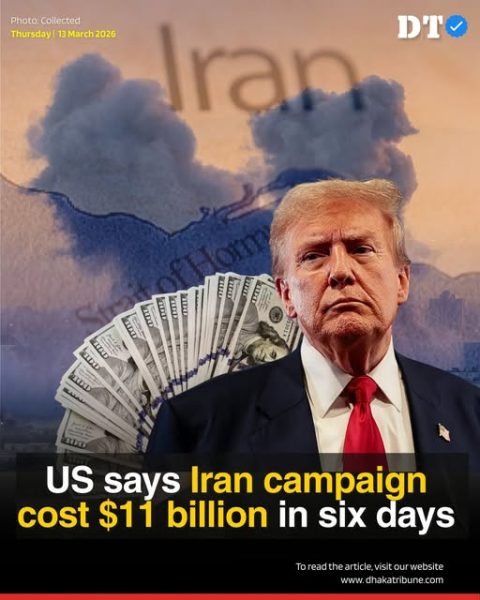
4. Imposing Exorbitant Financial and Logistics Costs on America 💰📉

This war is a financial catastrophe for an American economy already struggling with chronic inflation. According to analysis by the Center for Strategic and International Studies (CSIS) :

Timeframe Cost
Daily operational costs $1.8 – $2 billion
6 months of war Over $360 billion
Long-term (veterans + fleet) $2.5 trillion burden

These are not abstract numbers. They represent:

  • Taxpayer dollars diverted from domestic needs 🏥📚

  • Inflationary pressure that hits every American household 🏠

  • A debt burden that will constrain the economy for decades ⏳

The Pentagon, for all its power, cannot escape the brutal arithmetic of attrition. ✖️💥

The math of war: numbers so large they defy comprehension.

5. Diplomatic Isolation and Rifts in Traditional Coalitions 🌍💔

Washington now faces the most severe divergence among its allies in modern history. The cracks are visible everywhere:

Region Response
🇩🇪 Germany Closed airspace to US military flights
🇫🇷 France Refused overflight rights
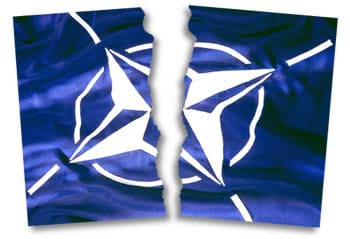
🇪🇺 Europe NATO effectiveness at historic low
🇬🇧 UK Standing with US—creating EU bipolarity
🇦🇪 Gulf States Official neutrality declared

Logistics impact: The European airspace closures alone have increased Pentagon operational costs by 20 percent. ✈️💰

In the Persian Gulf, despite hosting American forces at their bases, Arab governments issued coordinated statements declaring neutrality, refusing to allow their “soil and airspace” to be used for offensive operations against Iran. 🛑🌍

This forced neutrality has:

  • Limited America’s strategic depth

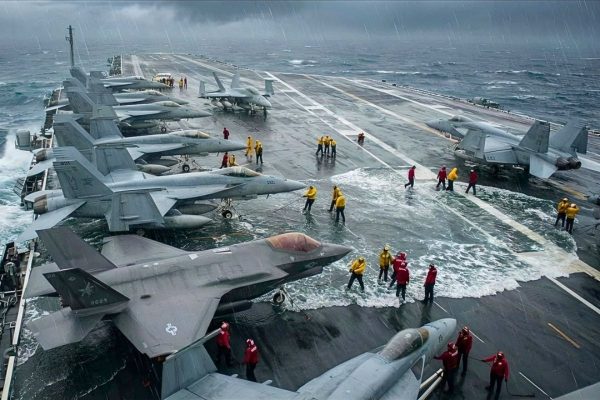
  • Pushed the operational burden onto distant aircraft carriers

  • Revealed the crumbling foundations of traditional US coalitions

    When allies become obstacles: the unprecedented rift in Western unity.

6. National Security and Stalemate in Symmetrical and Asymmetrical Battles ⚔️🔄

Iran operationalized its doctrine of “mosaic defense” —expanding the battlefield across the entire region. The results have shocked the Pentagon:

Asymmetric Impact Scale
US casualties (first 48h) 650 killed and wounded
Missile accuracy Fateh missiles challenged Patriot systems
Resistance coordination From Lebanon to Yemen, unified response
CENTCOM crisis Unprecedented personnel and infrastructure threat

Pentagon reports to Congress now acknowledge a terrifying reality: the US military can only sustain this level of asymmetric attack for a limited number of days due to logistical weaknesses. 📉💥

Washington has entered a “strategic impasse” —where the costs of staying in the region now exceed America’s military and political capacity to bear them. 🪤🇺🇸

Iran hits 6 US military sites across Gulf: Report
The mosaic defense: Iran’s answer to American firepower.

Conclusion: From Hegemony to Strategic Impasse 🏛️➡️🪤

America’s military aggression against Iran should not be viewed as just another regional conflict. It is a historical miscalculation that has fundamentally altered the power paradigm in the Middle East. 🌍💥

Washington entered this battle believing it could create a power vacuum in Tehran. Instead, it:

  • ✅ Cemented Iran’s internal cohesion around new leadership

  • ✅ Activated asymmetric defense capacities that trap the US in an “erosion cycle”

  • ✅ Triggered diplomatic isolation among traditional allies

  • ✅ Caused irreparable shocks to global energy markets

  • ✅ Revealed that the era of unilateral hegemony is over

The cost-benefit balance has shifted—decisively and permanently—against American national interests. 📉🇺🇸

Now, the United States faces an impossible choice:

Option Consequence
Continue the war Accelerated decline, dollar weakening, regional influence collapse
Accept new realities Return to diplomatic table before domestic crisis explodes

For its part, Iran has demonstrated something the Pentagon’s equations could never predict: strategic maturity. Not just in survival, but in crisis management and the imposition of mutual costs. 🧠🇮🇷

The question hovering over Washington is simple: How much more will America bleed before it accepts that the old rules no longer apply? ⏳👀

As Oman’s revelations confirm, this war was never necessary. Iran was already stepping back from the nuclear edge. The bombs that fell were not about preventing a threat—they were about something else entirely. And now, the entire world pays the price. 🌍💔

The choice before an empire: continue the bleed or accept a new balance.
twitterlinkedininstagramflickrfoursquaremail
Posted on Leave a comment

Ministry of War: Trump’s ‘Peace’ Mask Slips in Symbolic Return to Aggression

Rebranding the Pentagon as ‘War Department’ exposes the true face of US foreign policy—contradictions, crises, and a dangerous new era of militarism.


1. The Symbolic Declaration of War

  • Friday, September 14: Trump officially reinstates the title “Ministry of War” for the Pentagon.

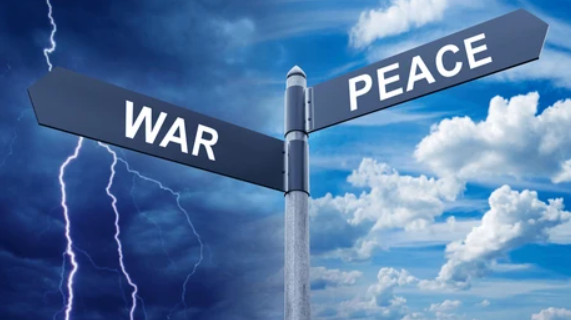
    Image 1: “I’m going to let these people go back to the Department of War and figure out how to maintain peace.”: Trump
  • Immediate Actions: New website (war.gov), Secretary of Defense now referred to as “Secretary of War.”

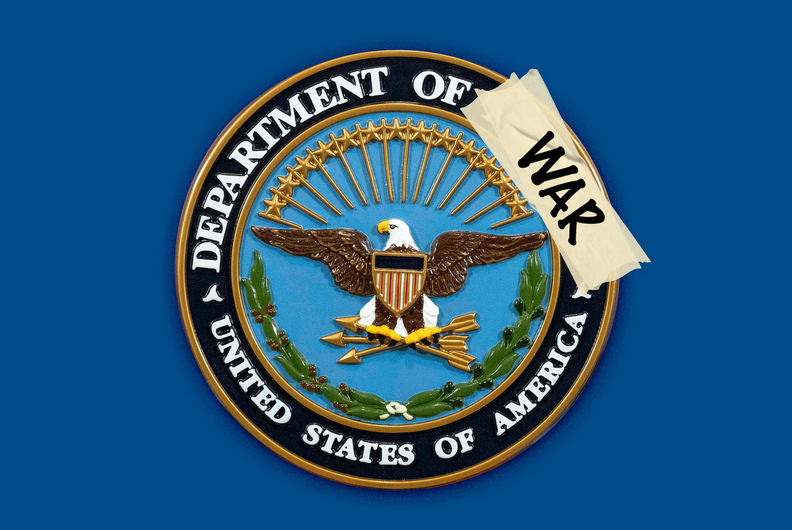
    Image 2: From defense to war
  • Legal Loophole: Congress retains the official name (“Department of Defense”), but the propaganda shift is complete. (In defense of the War Department, The Washington Post)

Why It Matters:
Language shapes perception. This isn’t a bureaucratic tweak—it’s a declaration of intent.


2. The Contradiction: “Peace President” or Warmonger?

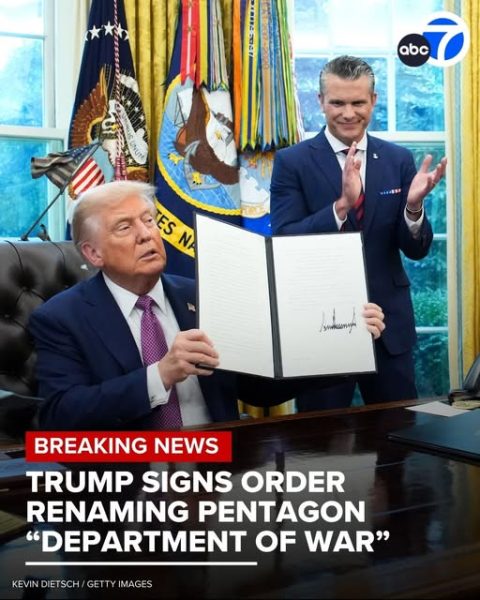
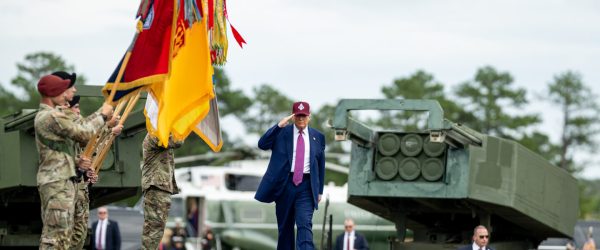
Image 3: Donald Trump at “Fort Bragg,” NC on June 11, 2025. ( https://whowhatwhy.org/international/trump-tries-out-being-a-warmonger-and-likes-it/)
  • Trump’s Narrative: Claims he “ended 6 wars in 6 months” and deserves a Nobel Peace Prize. CBS News

  • Reality:

    • Orders strikes on Iranian soil (violating sovereignty). WILIPEDIA

    • Threatens military action in Venezuela. REUTERS

    • Increases Pentagon budget while preaching “America First.” NBC NEWS

  • Verdict: A calculated deception to mask escalating aggression. Trump tells Qatar: Won’t happen again


3. The Global Message: Arson, Not Diplomacy

To Adversaries (Iran, Russia, China):

  • “The US is embracing confrontation, not deterrence.”

  • Google AI: The statement “The US is embracing confrontation, not deterrence” suggests a shift in US foreign policy from preventing conflict to actively engaging in it, a claim that is debated but has some recent evidence, such as the potential symbolic impact of restoring the “Department of War” name and rhetoric from some within the current administration emphasizing strength and countering threats from nations like China. However, the concept of “deterrence through denial” still actively shapes US strategy, and the administration’s overall goal remains to avoid war and maintain stability through a strong military and capable defense industrial base. 

    Arguments for “embracing confrontation”
    • Rhetoric and actions:
      Some government officials, like Secretary of Defense Pete Hegseth, have emphasized the need for strength and capability in the Indo-Pacific, which could be seen as a less defensive posture than pure deterrence. 

    • Symbolic shifts:
      The reported restoration of the “Department of War” name is presented as a signal that the United States is openly acknowledging its role as a war-making power, rather than a reactive one.
       

    • Focus on counteracting threats:
      The new administration is seen by some as focusing strategic attention on countering threats from China, which could be interpreted as a more confrontational approach. 

    Arguments against “embracing confrontation”
    • Deterrence remains a core goal:
      The official mission of the Department of Defense is still to “deter war and ensure our nation’s security”. 

    • Integrated deterrence strategy:
      The US has a strategy of “integrated deterrence,” which includes economic, technological, military, and ideological elements, as well as the role of allies and partners. 

    • Emphasis on peace and stability:
      While acknowledging increased tensions, the goal is still to build a constructive relationship and restore peace and stability. 

    • Building capability for deterrence:
      Efforts to increase defense spending, revitalize the defense industrial base, and improve military capabilities are intended to end conflicts and restore stability through deterrence. 

    Conclusion
    The assertion that the US is embracing confrontation over deterrence is a strong claim. While some actions and rhetoric might be interpreted as more confrontational, the stated goals and broader strategic framework still include deterrence as a central pillar of US foreign policy, particularly in the Indo-Pacific. The distinction often lies in the interpretation of how to best achieve deterrence in a complex, competitive environment. 

To Allies (NATO, Gulf States):

  • “Washington is unstable, unreliable, and hungry for conflict.”

To the World:

  •  “The rules-based order is dead. Welcome to the era of open imperialism.”

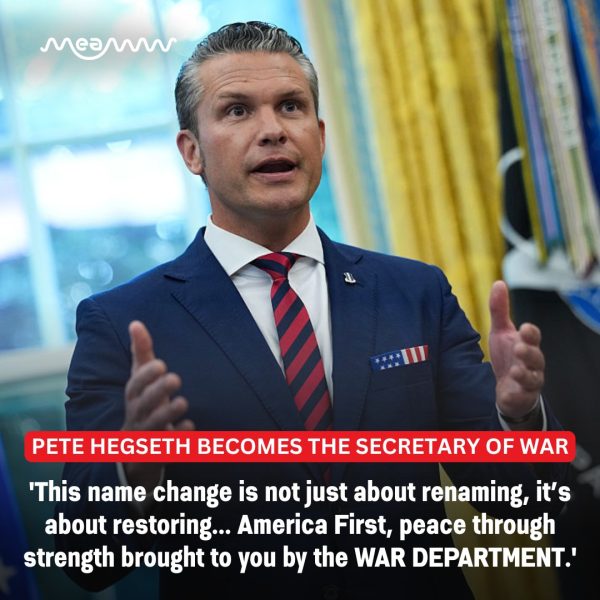
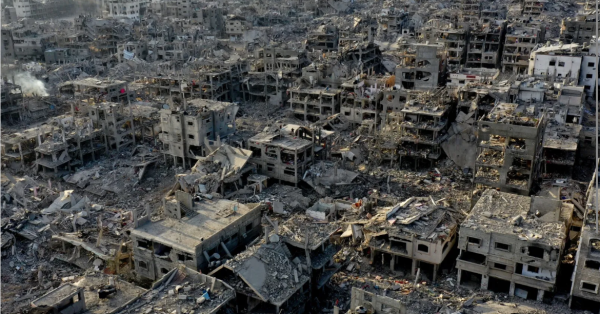
    Image 4: Palestine, genocide, and the imperialist lie of the ‘rules-based international order’

4. The Historical Parallels

  •  WIKIPEDIA1947: Last use of “War Department” before rebranding to “Defense Department” post-WWII. WIKIPEDIA(United States Department of Defense)

  • 2024: Trump revives pre-Cold War terminology, signaling a return to unchecked militarism.


5. The Inevitable Fallout

  • Escalation Risk: West Asia (Iran-Israel), Latin America (Venezuela), and Eastern Europe (Ukraine) are tinderboxes.

  • Loss of Trust: Allies question US motives; adversaries prepare for conflict.

  • Legacy: Trump’s presidency may be remembered not for “peace,” but for normalizing war as policy. NEWSWEEK


Call to Action

*“Share this article. Tag media outlets. Demand answers:

  • Why is a ‘peace president’ rebranding for war?

  • Will Congress block this dangerous shift?

  • Is the world ready for Trump’s militarized America?

#MinistryOfWar #TrumpHypocrisy #EndlessWar”*

twitterlinkedininstagramflickrfoursquaremail