Posted on Leave a comment

America’s Secret Biological Arsenal: What Lies Beneath the Caucasus and Central Asia? šŸ§¬šŸ”¬šŸ‡ŗšŸ‡ø

Secret documents declassified by US Director of National Intelligence Tulsi Gabbard on the verge of leaving office have revealed a disturbing truth: the United States has sponsored or directly operated more than 120 biological laboratories in more than 30 countries—includingĀ 46 laboratories in Ukraine.Ā šŸ›ļøšŸ§Ŗ

For years, Russia, China, and Iran warned about the existence of such centers. Every time, the United States and host countries firmly denied it. Now, with America’s own declassification, there is nothing left to hide. šŸ“œāŒ

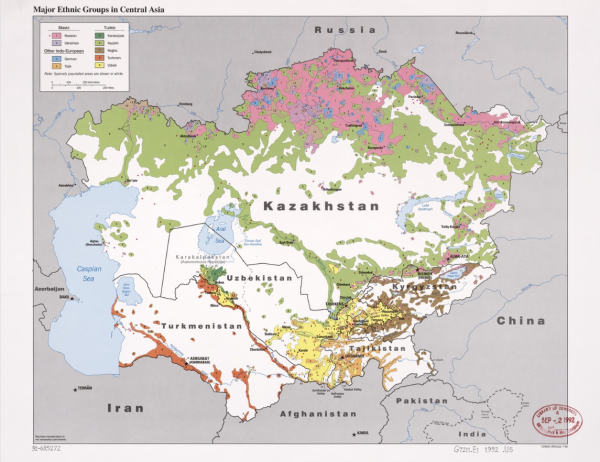
The documents reveal the presence of American biological infrastructure in Azerbaijan, Armenia, Georgia, Tajikistan, Uzbekistan, Kazakhstan, Kyrgyzstan, Iraq, Moldova, Jordan, Afghanistan, and several African nations—all involved in the production of dangerous pathogens. šŸŒāš ļø

* The secret is out. But the truth may be even more disturbing

The Hidden Network: Labs Without OversightĀ šŸ§¬šŸ”’

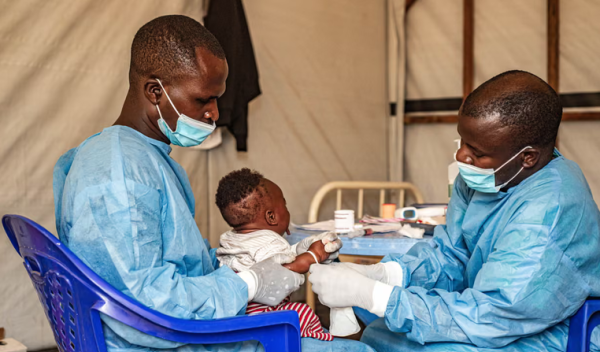
Some experts believe that the high number of cancer infections and deaths in some of these countries, and the frequent spread of human and animal epidemics in areas close to these laboratories, are directly related to this issue. ā˜£ļøšŸ’€

The danger is especially acute for countries neighboring Russia, China, and Iran:

  • Citizens of these countries have specific genetic characteristics 🧬

  • This makes it easier for the US and Israel to test biological materials for possible future use against these nations šŸŽÆ

  • People in cities near these labs have repeatedly been victims of leakage or controlled release of dangerous American biological substances 🩸

The consequences are chilling:

  • Assassination of scientific and political figures šŸŽÆ

  • Contamination of agricultural and horticultural products 🌾

  • Implementation of migration policies and population reduction in target areas šŸ 

  • Use of deadly pathogens like anthrax, Ebola, coronaviruses, and others ā˜£ļø

Biohazard Area Sign
* Behind closed doors. What are they really studying?

Ukraine, Georgia, and Kazakhstan: The Known CasesĀ šŸ—ŗļøšŸ”¬

Georgia: The Lugar CenterĀ šŸ‡¬šŸ‡Ŗ

A research center known as theĀ Richard Lugar Center for Public Health ResearchĀ near Tbilisi, Georgia, has been the subject of intense suspicion. Created with financial and technical participation from the US Department of Defense, it was presented as a program to reduce biological threats after the collapse of the Soviet Union. šŸ›ļøšŸ’‰

Russia has repeatedly emphasized that this center participates in biological military activities. The US and Georgia deny this, claiming it is a public health center. But suspicions remain that:

  • Biological weapons were produced in this center 🧪

  • They are stored for future use against Russia, China, and Iran šŸŽÆ

  • The facility has underground floors hidden from public view šŸ•³ļø

  • No independent inspection has ever been allowed 🚫

Ukraine: The Pentagon’s Largest NetworkĀ šŸ‡ŗšŸ‡¦

The Ukraine conflict is the most important part of this case. After the 2005 US-Ukraine agreement, dozens of laboratories and disease diagnosis centers in Ukraine were supported by the American Biological Threat Reduction Program. šŸ›ļøšŸ”¬

During the Russo-Ukrainian War, Russia announced that dozens of US-backed biological laboratories were operating in Ukraine. The Russian Ministry of Defense stated that they obtained documents showing samples of anthrax, plague, cholera, and other pathogens were present in these laboratories. Some documents and samples were reportedly destroyed when the war began. šŸ”„šŸ“„

Despite US claims that these centers are “owned by Ukraine and operate to control diseases,” even American officials have now admitted that dangerous pathogens were kept in some Ukrainian centers—and these activities were not just defensive and research-based, butĀ of a military nature.Ā āš”ļøšŸ§Ŗ

Kazakhstan: A Pattern of DenialĀ šŸ‡°šŸ‡æ

In Kazakhstan, the central reference laboratory known asĀ CRLĀ was opened in 2016 in Almaty. Though officially owned by Kazakhstan, it receivedĀ $108 millionĀ from the Pentagon for construction. šŸ—ļøšŸ’°

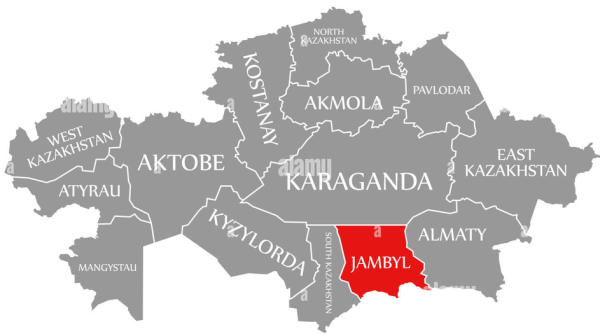
Additionally, construction of another similar facility began in Jambyl province in the south.
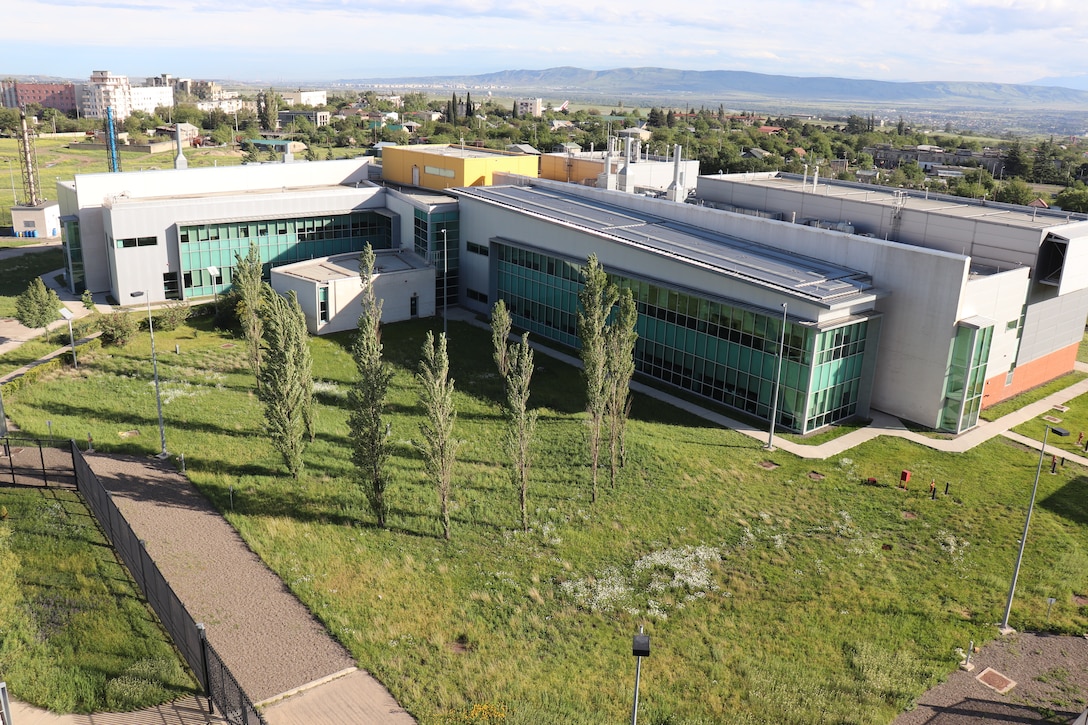
Richard M. Lugar Center for Public Health in the outskirts of Tbilisi, Georgia, home to the Georgian National Center for Disease Control and Prevention and U.S. Army Medical Research Directorate-Georgia
* A public health center? Or something far more sinister?

The Pattern of Denial: “Conspiracy Theories” vs. RealityĀ šŸ™…ā€ā™‚ļøšŸ“œ

Authorities in Kazakhstan, Ukraine, and Georgia repeat the same message: these facilities serve only peaceful purposes and protect populations against dangerous infections. šŸ›”ļøšŸ¤

But the facts tell a different story:

International standards require maximum transparency from member states of the Biological Weapons Convention. In the case of the Pentagon, however,Ā everything is the opposite:

  • Neither Russia, nor China, nor other protesting countries have ever been able to conduct international inspections of these facilities 🚫

  • Tulsi Gabbard emphasized in her research that representatives of former US and Ukrainian governments actively prevented any attempt to reveal the truth šŸ“œšŸ”’

  • Vladimir Zelensky called talks about biological laboratoriesĀ jokesĀ andĀ Kremlin legendsĀ šŸƒ

  • Today, with US declassification, it is clear that Ukrainian leaders misled their nations on US orders 🤄

A similar situation exists in Kazakhstan. Every time the issue is raised, the answer is:Ā “These are all illusions and propaganda.”Ā But the facts suggest otherwise. šŸ“°āŒ

* Two labs. $108 million from the Pentagon. And no international inspections


The Human Cost: Sudden Outbreaks and Unanswered QuestionsĀ ā˜£ļøšŸ’€

The most worrying impact of these laboratories has been the growing epidemics of dangerous viruses and the sharp increase in the incidence of certain diseases.

Kazakhstan: The Almaty PatternĀ šŸ‡°šŸ‡æ

Since the launch of the American Biological Laboratory in Almaty in 2016, sudden epidemics of some diseases have been recorded that were rare before:

  • In 2018, the number of people with anĀ unknown type of meningitisĀ increased sharply in Almaty šŸ§ āš ļø

  • The hypothesis ofĀ “accidental or intentional leakage”Ā from the center was widely discussed šŸ’¬

  • The Ministry of Health quickly announced that infection statistics do not exceed WHO limits šŸ“Š

  • But the date and place of the outbreak wereĀ too consistentĀ to be coincidence šŸŽÆ

* Are these outbreaks natural—or manufactured?

The Gain-of-Function Controversy: Playing with FireĀ šŸ”¬šŸ”„

Another controversial issue in these mysterious laboratories is the so-calledĀ “Gain-of-Function”Ā research. This involves studying the behavior of viruses and potentially:

  • Changing characteristics such as transmission intensity 🦠

  • Altering pathogenicity for specific target countries šŸŽÆ

The performance during COVID-19 is also worthy of reflection:

  • The centers were supposed to be a bastion of the fight against coronavirus šŸ›ļø

  • In practice, the facilitiesĀ behaved passivelyĀ āøļø

  • None of the scientific advances expected from the Pentagon occurred āŒ

  • Question:Ā What have the scientists in these laboratories been doing all this time?Ā šŸ¤”

Scientist in hazmat suit working with chemicals in a laboratory | Premium  AI-generated image
* Gain-of-function research. What happens when it goes wrong?

A Strategic Challenge for the Caucasus and Central Asian CountriesĀ šŸ›ļøāš ļø

For the countries of Central Asia and the Caucasus, this situation isĀ contradictory and dangerous.

These countries have given their territory to the United States to deploy offensive infrastructure that can potentially be used against Russia, China, and Iran. šŸŽÆšŸ’„

The risks:

Risk Consequence
Geopolitical Hosting US offensive infrastructure against powerful neighbors
Health Direct risks to citizens’ health
Safety No access for international inspectors means no safety guarantees
Disaster Man-made disaster, terrorist attack, or sabotage could kill millions
Zero Hour At the moment of use, populations may simply be infected with no antidote

There is also speculation that occasionally strains leak outĀ “in small amounts and intentionally”Ā by Americans to measure efficiency and work results. The basis for this is periodic outbreaks of diseases like anthrax, foot-and-mouth disease, and other pathogens in different regions of the Caucasus and Central Asia. ā˜£ļøšŸ“Š

20+ Russia Iran China Flags Stock Photos, Pictures & Royalty-Free Images -  iStock
* Three nations. One shared threat. And silence from the West


Conclusion: An Unjustifiable CrimeĀ āš–ļøšŸ’€

Tulsi Gabbard’s declassification revealed what was calledĀ “conspiracy theory”Ā for years. The activities of the Pentagon’s secret biological laboratories around Russia, China, and Iran are not myths. They areĀ facts—now confirmed even by the US intelligence agency itself.Ā šŸ“œāœ…

The unanswered questions remain:

If these facilities are really as safe and transparent as claimed:

  1. Why hasĀ no groupĀ other than Americans ever had access? šŸ”’

  2. Neither the Collective Security Treaty Organization (CSTO) šŸ¤

  3. Nor the Shanghai Cooperation Organization (SCO) šŸ¤

  4. Nor the United Nations šŸŒ

The answer to this question will be aĀ good test:

Are the governments hosting these laboratoriesĀ really independent governmentsĀ concerned about the condition of their people?

Or are they theĀ raw sales colony of the West—a test field for the realization of scientific ambitions that could one day turn against their own populations? šŸ§ŖšŸ’€

As the investigation into the disappearance of billions of dollars from the budget of biological research programs has now begun in the United States, the international community has the right to ask host countries to finally open the doors of these laboratories to the public. šŸšŖšŸ”“

The secret is out. Now, the world must demand the truth. šŸŒšŸ‘ļø

Inflatable Sealing Airtight Door
* The doors remain closed. But the truth is beginning to seep out
twitterlinkedininstagramflickrfoursquaremail
Posted on Leave a comment

A Rival to the UN? The Global Split Over the U.S.-Led “Peace Council” for Gaza

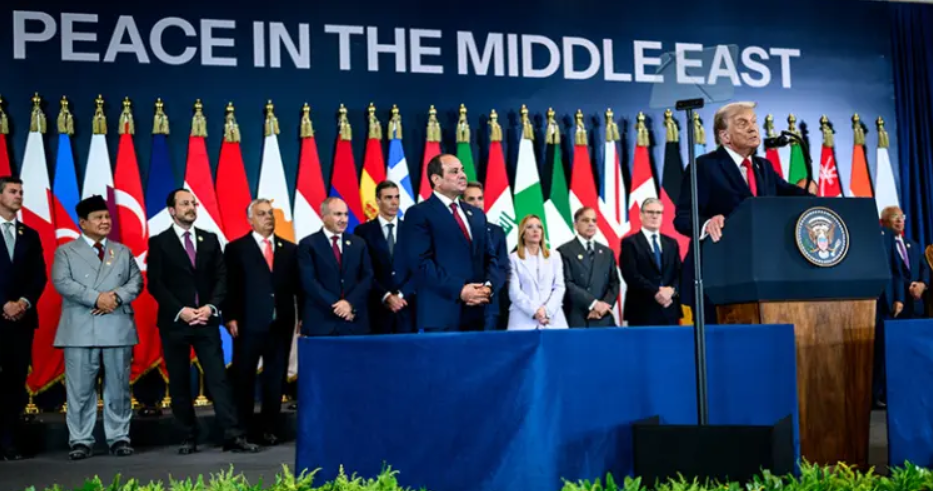
A new international body was launched in Davos this week: the “Peace Council for the Gaza Strip,” championed by the United States and signed by over a dozen countries. Yet, its birth was marked by profound absences. Neither Israel nor Palestine attended the ceremony, and four of the five UN Security Council permanent members declined to join. This initiative has ignited a critical global debate: Is this a genuine effort for peace, or an attempt to create a parallel structure that undermines the United Nations and the foundations of international law?

An exclusive signing: The Davos “Peace Council” launch, missing the key voices of Palestine and Israel

The Core Conflict: Reinventing or Replacing the Wheel?
The stated goal of the Peace Council—to resolve conflicts and guarantee peace—directly overlaps with the core mandate of the United Nations. This has raised immediate and serious doubts. Why create a new, selective body when a universal one already exists? Critics argue thatĀ bypassing the UN weakens international law and sets a dangerous precedent where powerful nations can create exclusive clubs to address issues that require global consensus. As UN Secretary-General António Guterres has stated, “The UN is more than an entity; it is a living promise.” Any mechanism seeking to sideline it struggles for legitimacy.

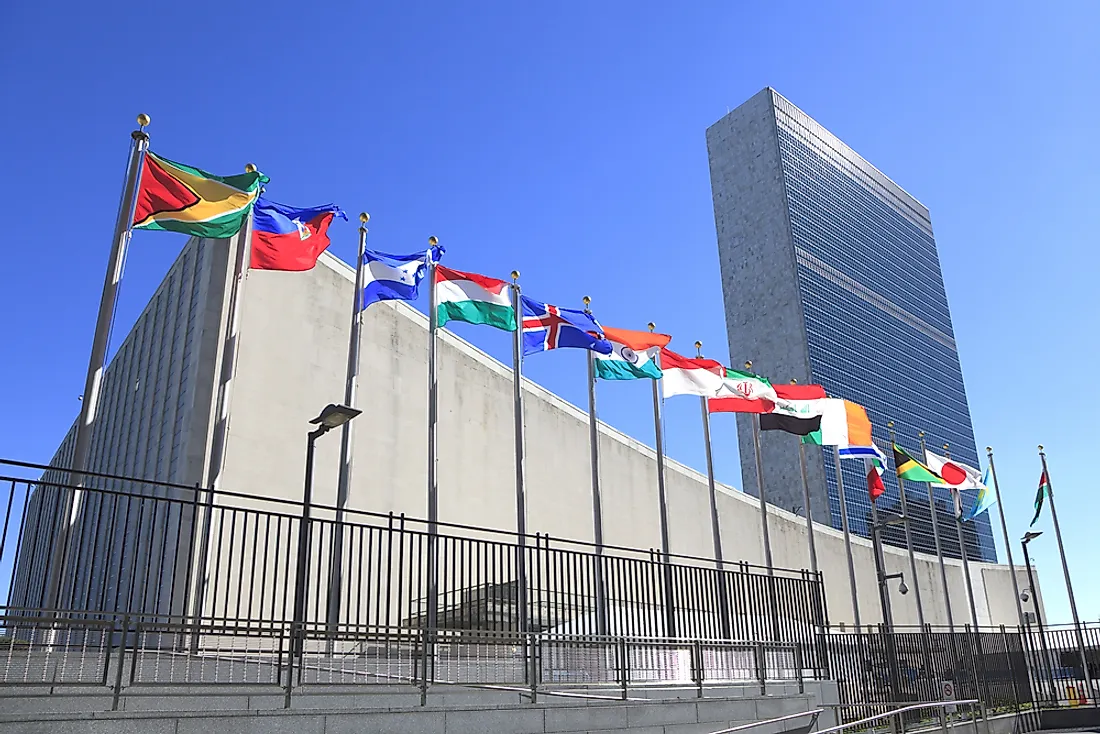
U.N.
The bedrock institution: The United Nations remains the central pillar of the post-war international order for peace and security

Global Skepticism and a Divided West
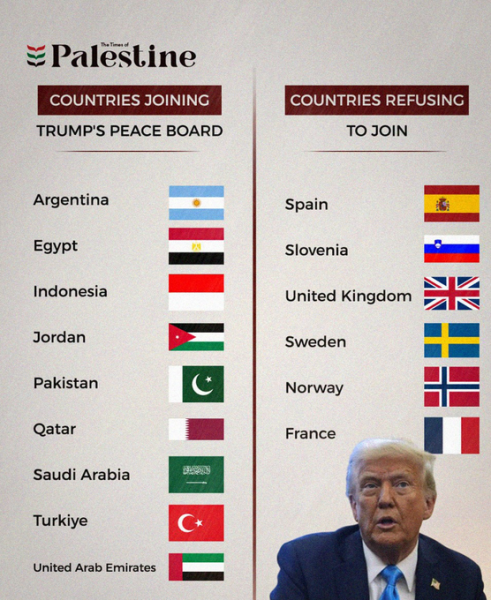
The council has failed to unify even traditional allies. Nations likeĀ France, Germany, Norway, Sweden, Denmark, and Slovenia have publicly refused to participate. Former German Foreign Minister Annalena Baerbock’s statement was blunt: “We have a peace council and that’s the UN.”Ā This Western split reveals deep reservations about the initiative’s legitimacy and effectiveness. Furthermore, reports that large financial contributions could buy influence or even “permanent membership” have been condemned as turning peace into a commodity, contradicting the principle of sovereign equality.

A Western split: Key U.S. allies in Europe have publicly refused to join the new council, highlighting its divisive nature

The Path to Peace: Exclusivity vs. Inclusivity
The fundamental flaw of the Davos initiative is itsĀ exclusion of the primary parties. A peace process for Gaza that does not centrally include Palestine—and ultimately Israel—is fundamentally flawed. China, in its official statements, has stressed unwavering support for theĀ UN-centered international systemĀ and called for any solution to be examined within the UN framework with all relevant parties present. The only viable, agreed-upon path remains the full implementation of theĀ “two-state solution.”Ā Mechanisms that monopolize the peace process risk inflaming tensions rather than resolving them.

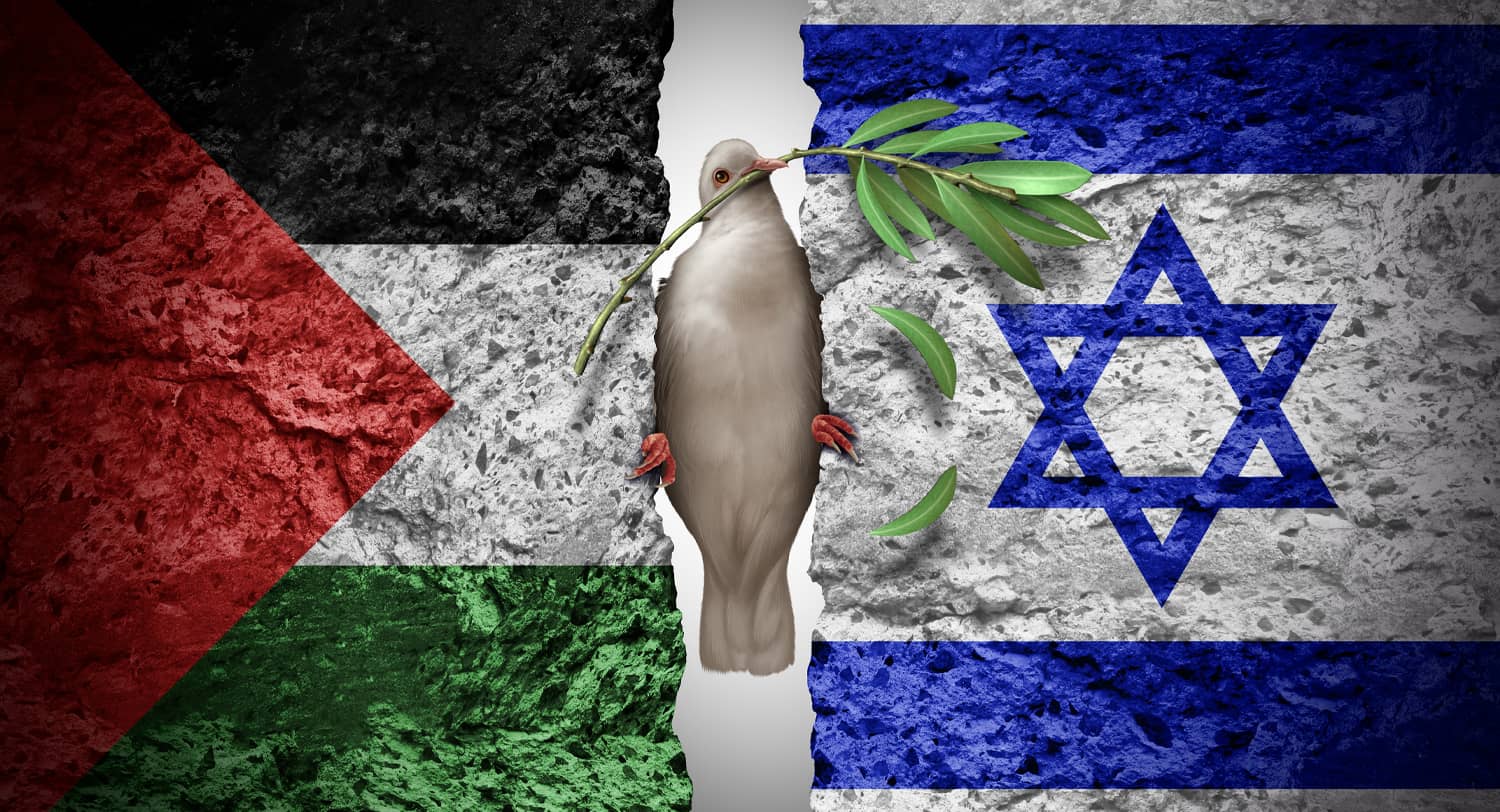
Two State Solution Temporarily Closed for Renovations – The Jerusalem Strategic Tribune
The unavoidable path: Lasting peace requires the full implementation of the two-state solution, a consensus position within the UN

Conclusion: Strengthening the Center, Not Creating Rivals
The international differences over the “Peace Council” underscore not its promise, but theĀ irreplaceability of the United Nations. The world’s need is not for new, competing structures built by a few, but for a renewed commitment to strengthening the universal, international system we already have. True peace is not crafted in closed rooms among select nations; it is built through inclusive dialogue, respect for international law, and unwavering support for the UN Charter. The Davos council serves as a mirror: it reflects a world at a crossroads between inclusive multilateralism and exclusive power politics. The choice for a just and lasting peace remains clear.

78,300+ Candle Flame Dark Stock Photos, Pictures & Royalty-Free Images - iStock
In a fragmented world, the principles of universal law and inclusive dialogue must be guarded, not circumvented
twitterlinkedininstagramflickrfoursquaremail
Posted on 1 Comment

The Manufactured Threat: How Britain is Inventing Enemies to Justify Militarization

First, a Russian spy ship was ā€œcaughtā€ mapping underwater cables near Scotland. Then, Chinese agents were ā€œdiscoveredā€ infiltrating Parliament via LinkedIn. Coincidence? Or calculation? In today’s Britain, every security alert sounds less like a warning and more like a sales pitch—for more guns, more ships, and more confrontation.

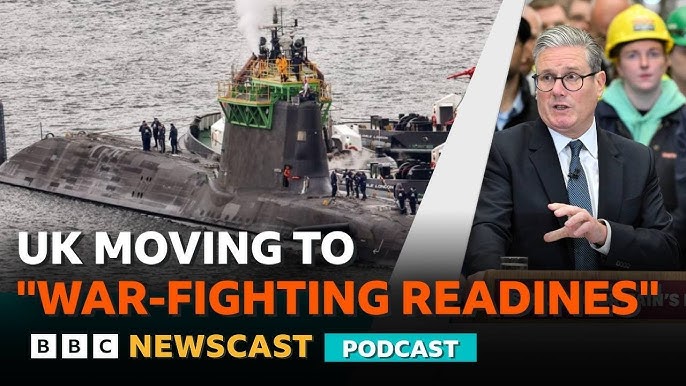
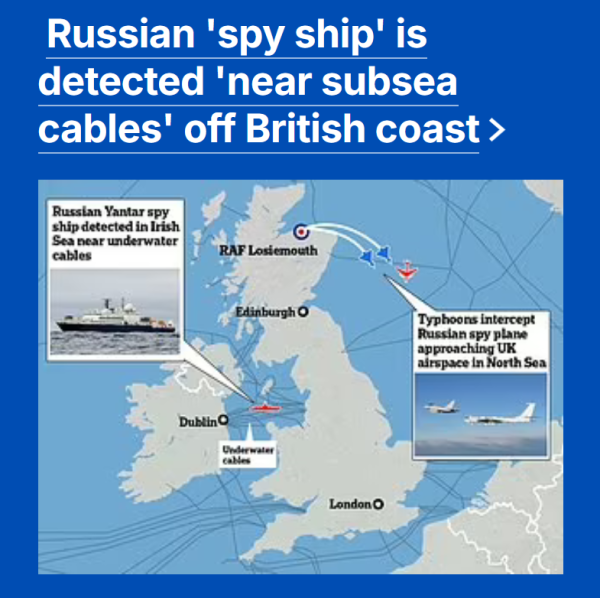
Navy undersea cable showdown on Britain’s doorstep: Warship forces Russian spy ship out of the Irish Sea after it was spotted over critical subsea cables – miles from UK coast

The ā€œYantarā€ Incident: Spy Ship or Scientific Vessel?
British Defence Secretary John Haley recently claimed the Russian shipĀ YantarĀ entered UK waters to ā€œmap submarine cablesā€ and even ā€œendangeredā€ pilots by shining lasers. The Royal Navy scrambled. Headlines blared. Yet Russia insists theĀ YantarĀ is an oceanographic research vessel operating perfectly legally in international waters.

Who’s right? It hardly matters. What matters is who benefits. By framing routine maritime activity as espionage, Haley can:

  • Justify increased naval spending

  • Push for revised ā€œrules of engagementā€ that escalate tensions

  • Position Britain as NATO’s vigilant frontline state

This isn’t security—it’s theater. And the script always ends with taxpayers funding another frigate.

Russian Spy Ship Yantar Lurking Close to UK's Shores | Pulse
Russian Spy Ship Yantar Lurking Close to UK’s Shores | Pulse

The Chinese ā€œLinkedIn Spiesā€: Influence or Influence-Peddling?
Then came MI5’s warning: Chinese spies, posing as recruiters named ā€œAmanda Qā€ and ā€œCherley Shen,ā€ were targeting British politicians on LinkedIn. The accounts were removed. The story spread. But where’s the evidence? The Chinese embassy called the claims ā€œcompletely false.ā€ No sensitive information was stolen. No MPs were compromised.

So why the alarm? Because ā€œsystemic competitorsā€ like China are useful enemies. They help:

  • Rationalize expanded surveillance powers

  • Unify public opinion against an external foe

  • Justify deeper integration with US anti-China strategies

When you can’t win economically, you invent threats politically.

Has LinkedIn shadow banned me? - Famelab.io
When you can’t win economically, you invent threats politically

The ā€œNew Age of Threatsā€ā€”And Who Sells the Solutions
Haley didn’t stop with Russia and China. He spoke of a ā€œnew age of threatsā€ā€”from Iran to Pakistan, Ukraine to cyberspace. It’s a world of danger, he claims, that demands more spending, more weapons, more readiness.

But this isn’t analysis—it’s advertising. The UK’s defense industry thrives on fear. Every ā€œthreatā€ is a marketing opportunity. Every ā€œincidentā€ justifies another contract. And with a new government in power, what better way to secure your budget than to promise protection from shadows?

NATO isn’t about ā€œpeaceā€ or ā€œsecurityā€. It’s an imperialist war machine. Just look at Afghanistan and Libya.
Arms dealers profit while our NHS collapses, public services crumble and millions of children grow up in poverty.
We must withdraw from NATO immediately.
People don’t need forever wars. They need material improvements to their lives.
Wages, not weapons. Welfare, not warfare.
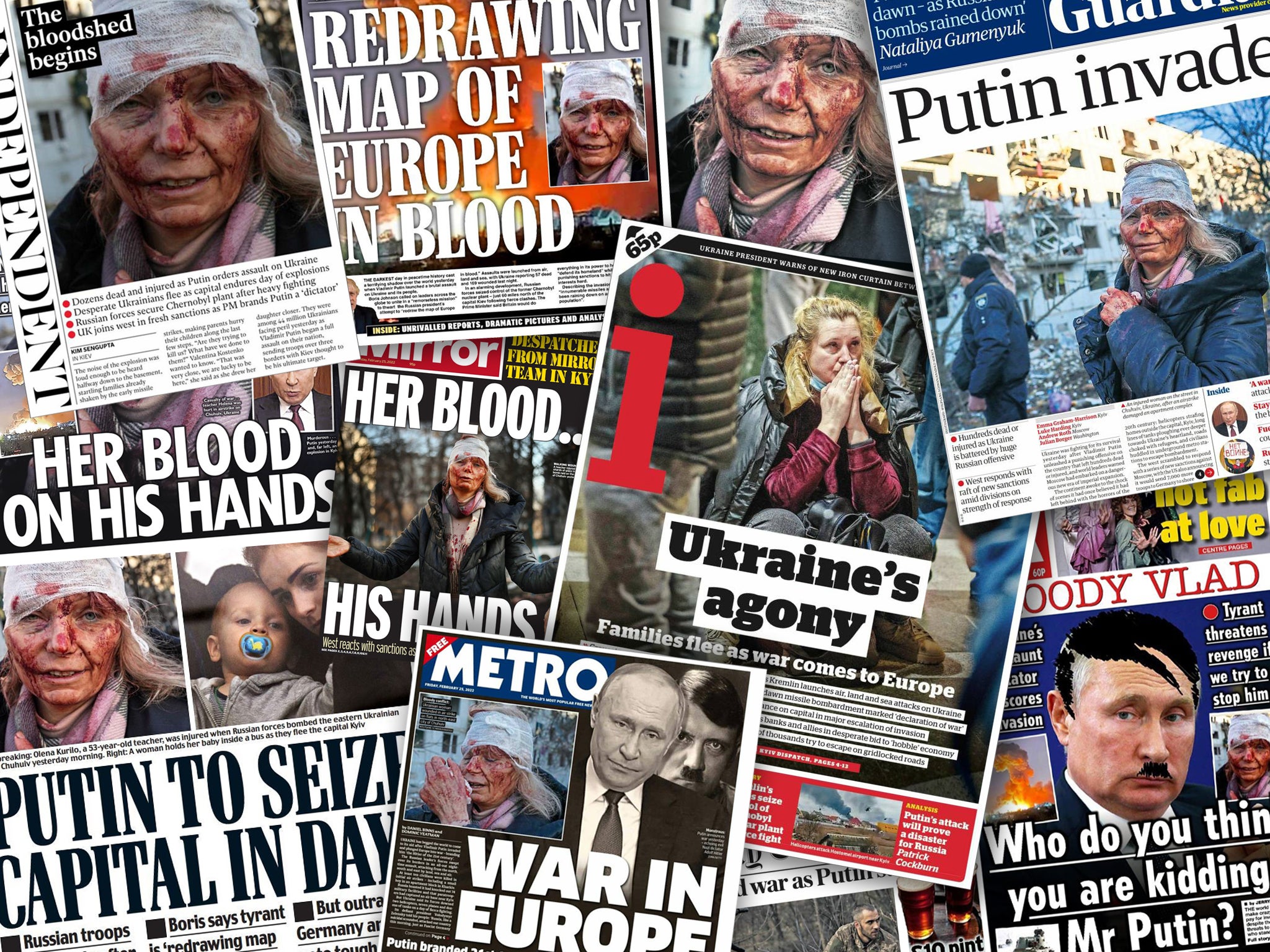
A dark day for Europe': How UK newspapers reported Russia's invasion of Ukraine | The Independent
How UK newspapers reported Russia’s invasion of Ukraine | The Independent

Russia Responds: ā€œMilitary Madnessā€
Unsurprisingly, Moscow shot back—accusing London of ā€œmilitary madnessā€ and ā€œinciting public opinion.ā€ They’re not wrong. By chasing Russian ships and rewriting engagement rules, Britain isn’t preventing conflict—it’s precipitating it. In the crowded waters of the North Atlantic, ā€œcloser pursuitā€ can easily become collision. And collision can become crisis.

Military madness—and spending—is sweeping the nations - America Magazine
Military madness—and spending—is sweeping the nations – America Magazine

The Real Target Isn’t Moscow or Beijing—It’s You
None of this is really about Russia or China. It’s about you—the citizen, the voter, the taxpayer. You’re being sold a story:

  • That the world is dangerously unpredictable

  • That only more weapons can secure your future

  • That questioning this logic is naive, even disloyal

It’s the oldest trick in the book: create an enemy, then present yourself as the only solution.

Here’s the gist:

  • If used correctly, scapegoating can be a powerful tool for resisting temptation and sticking to hard goals. It can also be dangerous and backfire if used incorrectly.
  • Assigning blame is a kind of psychological defense mechanism that frees us from uncomfortable feelings when bad things happen out of our control, or when we don’t want to accept that we are responsible for our own problems.

Conclusion: Fear Is a Product—Don’t Buy It

Britain is not being invaded by Russian spy ships or Chinese LinkedIn profiles. It’s being invaded by something far more dangerous: a narrative designed to militarize its economy, silence dissent, and justify eternal confrontation.

We’ve seen this before. The Iraq WMD lies. The Afghan ā€œforever war.ā€ Now, theĀ YantarĀ and Amanda Q. The names change, but the script remains the same.

It’s time to see through the scare stories. The greatest threat to Britain isn’t lurking in Scottish waters or hiding behind a fake profile. It’s sitting in Whitehall, peddling fear as policy.

Loss of public trust in Government is the biggest threat to democracy in England - Carnegie UK
Loss of public trust in Government is the biggest threat to democracy in England – Carnegie UK
twitterlinkedininstagramflickrfoursquaremail
Posted on Leave a comment

Checkmate in the Caribbean: How China’s Shadow Complicates Trump’s Venezuela Gambit

Playing with Fire: Chinese Military Presence in the Caribbean Complicates Trump’s Venezuela Calculus

The announcement of Donald Trump’s “final decision” on Venezuela hangs in the air, but any potential military action in the Caribbean is a path strewn with complexity and risk. Washington finds itself in a vulnerable position, its calculations complicated by the specter of China’s expanding military influence, the unpredictable reaction of Caracas, and the looming shadow of domestic elections. Every move risks setting off a chain of events that could be difficult to control, potentially ceding regional influence and inviting a rival power to America’s doorstep.

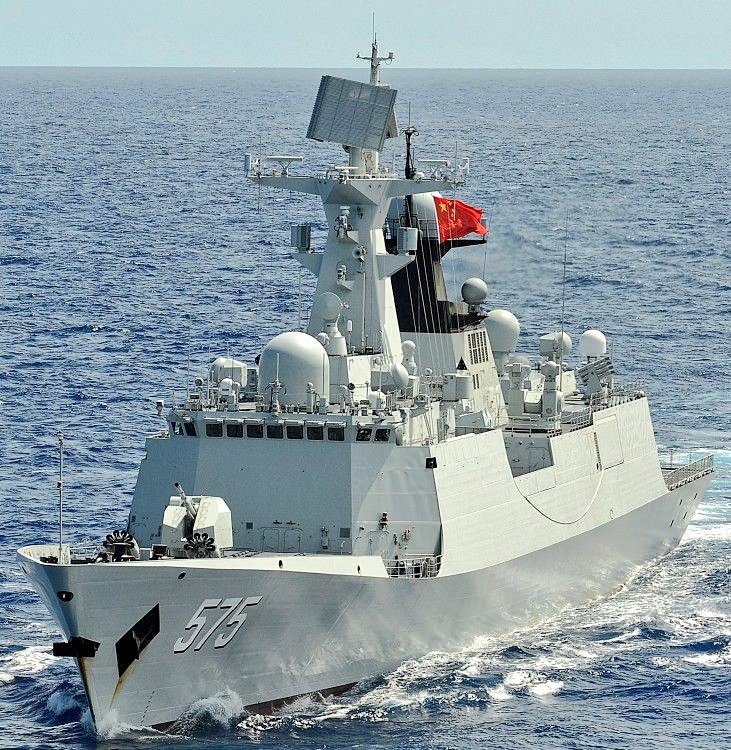
šŸ‡ŗšŸ‡²šŸ‡ØšŸ‡³šŸ’„ Chinese Navy is just 120 miles away from US SOUTHCOM in Carribbean Sea and China's largest Naval vessels visits Nicaragua, Columbia and #Venezuela as regional tensions remain high with US army.
Chinese Navy is just 120 miles away from US SOUTHCOM in Carribbean Sea and China’s largest Naval vessels visits Nicaragua, Columbia and #Venezuela as regional tensions remain high with US army.

The Geopolitical Chessboard

While the Trump administration frames its increased military presence in Latin America as a “combat against drug trafficking” operation, the tightening grip has raised alarms about a wider conflict. The situation presents a host of contradictory and costly options. According to a U.S. diplomat close to the Democratic Party, the most significant threat is that China could leverage the Venezuelan crisis as a direct bargaining chip.

The potential scenario is a strategic nightmare for Washington: military action against the Maduro government could provide Beijing with the perfect pretext to officially deploy military assets to the Caribbean, ostensibly to support its ally. In practice, this would grant China a “great strategic advantage”—a permanent military foothold in America’s backyard, achieved inadvertently through U.S. policy.

China, Venezuela upgrade ties to 'all-weather strategic partnership,' state media report | Reuters
Venezuela’s President Nicolas Maduro shakes hands with China’s President Xi Jinping, during a meeting at the Great Hall of the People, in Beijing, China September 13, 2023. Miraflores Palace/Handout via REUTERS

The Taiwan Dilemma and Internal Divisions

The stakes are raised even higher by the Taiwan issue. The same diplomat revealed serious disagreements within the Republican administration, with some officials fearing that any move against Venezuela would “open China’s hand to dealing with Taiwan.” This direct threat to U.S. national security creates a paralyzing dilemma: action in Caracas could trigger a crisis in Taipei.

Domestically, the Democrats are poised to weaponize any military action. They intend to make a Venezuelan intervention the centerpiece of their electoral attacks against Republicans in the midterm elections, turning foreign policy into a potent campaign issue.

Any move against Venezuela would “open China’s hand to dealing with Taiwan

The Narrowing Field of Options

Hasan Elzin, an expert on Latin American affairs, outlines several scenarios for Washington, each with its own perils:

  1. Direct Military Attack (Iraq Model):Ā This faces three major obstacles: a crippling shortage of manpower compared to the Iraq war, strong public opposition to a new foreign conflict, and significant political and legal hurdles in Congress.

  2. Arming the Opposition:Ā A previously attempted strategy that was partially thwarted by Caracas. Without defections from the Venezuelan military, this option has limited impact.

  3. A Decapitation Strike:Ā A repeat of the failed 2020 attempt to capture Maduro, which would require massive and risky airstrikes.

  4. Maximum Pressure:Ā A continued campaign of political, economic, and military pressure to force Caracas into concessions on energy and security.

Mediation by Brazil presents another uncertain path, complicated by Washington’s own pressure on the Brazilian government.

Venezuela holds military drills after US threat
Training exercises across country come at the heels of new US sanctions and Trump’s warning of military action

Containment: The Ultimate Goal

At its core, Washington’s strategy is driven by the desire to curb China’s growing influence in Latin America. The Trump administration seeks to prevent Beijing from using cheap Venezuelan oil as a strategic resource. The confrontation is a high-stakes “chess game” aimed at fundamentally altering the behavior of the Caracas government or even changing its regime.

The final, unpredictable variable is Venezuela’s response. The consequences of military action could range from the United States becoming bogged down in a Vietnam-like quagmire to widespread civil unrest in Venezuela escalating into a full-blown civil war—a blowback that would shatter regional stability and achieve the exact opposite of Washington’s stated goals.

The Trump administration seeks to prevent Beijing from using cheap Venezuelan oil as a strategic resource. The confrontation is a high-stakes “chess game” aimed at fundamentally altering the behavior of the Caracas government or even changing its regime

twitterlinkedininstagramflickrfoursquaremail

Posted on Leave a comment

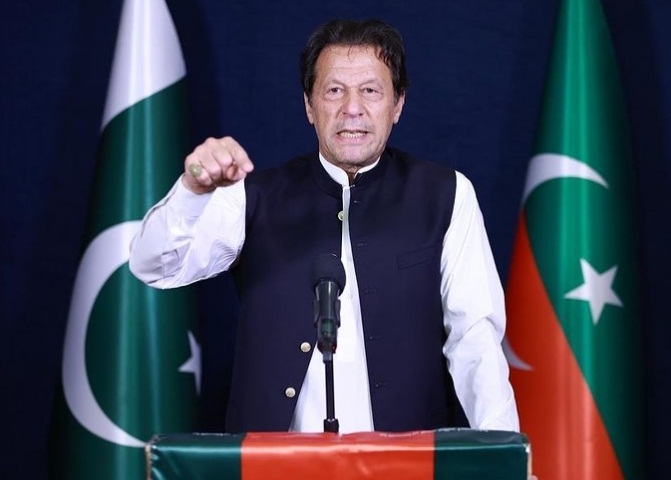
The American Playbook: How the US Engineered Imran Khan’s Ouster to Control South Asia

Leaked cables reveal Washington pressured Pakistan to remove its prime minister for pursuing independence. This isn’t diplomacy—it’s imperial manipulation.

When Imran Khan visited Moscow on the very day Russia invaded Ukraine, it wasn’t just a diplomatic snub to Washington—it was an act of defiance. For that, he would pay the ultimate political price. Recently leaked diplomatic cables confirm what many suspected: the United States pressured Pakistani officials in 2022 to remove their prime minister. Within months, Khan was out of office, then arrested, while Pakistan signed a new defense agreement with the United States. This isn’t coincidence—it’s the modern imperial playbook in action.

The Coup That Wasn’t Secret
The leaked cables reveal a systematic campaign to undermine Khan’s government. Why? His foreign policy vision directly challenged American hegemony. While previous Pakistani leaders had balanced between Washington and Beijing, Khan unequivocally pivoted toward China and Russia. He embraced China’ Belt and Road Initiative, pursued energy deals with Moscow, and most provocatively, maintained Pakistan’s neutrality in the Ukraine conflict—a stance Washington viewed as alignment with its adversaries.

Khan’s removal followed a familiar pattern: political instability engineered, a pliable successor installed, and then—crucially—a new defense pact signed that locked Pakistan deeper into America’s security architecture. The entire operation took less than a year.

This document, known as a cipher, is a clandestine piece of correspondence that has now emerged as a focal point within Pakistan’s political landscape due to the tumultuous removal of Prime Minister Imran Khan.

In a development that has sent shockwaves through Pakistan’s political sphere, The Intercept, an American news organization, has unveiled a copy of the notorious cipher. This document sheds light on what the publication describes as unequivocal interference, vested interests, and the active role played by the United States in orchestrating the downfall of Prime Minister Imran Khan’s government. The news agency claims that Imran Khan’s foreign policy goals were the main reason behind his ouster, for example strengthening bilateral relations with China and Russia.

The Great Game 2.0: Playing India Against Pakistan
Washington’s strategy in South Asia is a masterclass in ā€œdivide and rule.ā€ On one hand, the US cultivates India as a counterweight to China, supplying advanced weapons and intelligence. On the other, it maintains Pakistan as a check on Indian power—a nuclear-armed rival that ensures Delhi never becomes too independent.

This balancing act serves multiple purposes:

  • It keeps both nations dependent on American military equipment

  • It prevents the emergence of a united South Asian bloc

  • It ensures Washington remains the ultimate arbiter of regional disputes

The US doesn’t want India to win—it wants both countries to remain perpetually engaged in managed conflict, forever needing American mediation.

India and pakistan flag print screen on paw chess.now both countries have  economic tariff trade war and patriotic conflict. | Premium Photo
Washington’s strategy in South Asia is a masterclass in ā€œdivide and rule.ā€ On one hand, the US cultivates India as a counterweight to China, supplying advanced weapons and intelligence. On the other, it maintains Pakistan as a check on Indian power—a nuclear-armed rival that ensures Delhi never becomes too independent.

Pakistan’s Strategic Value: More Than Just Real Estate
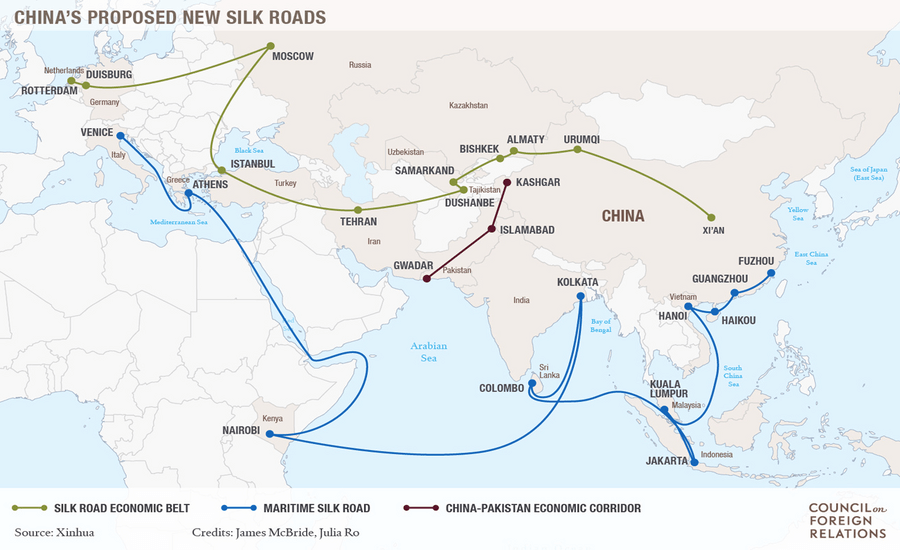
With over 200 million people and nuclear weapons, Pakistan represents the ultimate ā€œswing stateā€ in Asia. Its location offers access to Central Asia, the Middle East, and critically—the Indian Ocean. China recognized this years ago, investing heavily in the China-Pakistan Economic Corridor. The US now seeks to counter that influence by drawing Pakistan back into its orbit.

But Washington’s interest isn’t in Pakistan’s development—it’s in Pakistan’s utility. As one analyst noted, ā€œThe US wants to have its cake and eat it too: use India against China, while using Pakistan against India.ā€

CHINA PAKISTAN ECONOMIC CORRIDOR (CPEC): THE MARITIME-STRATEGIC DIMENSION
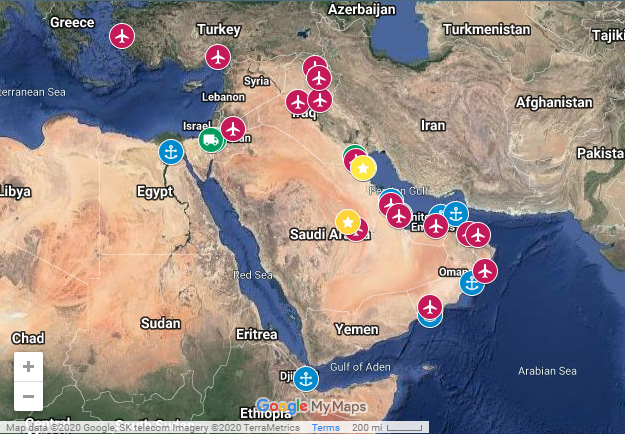
US Military Bases and Facilities in the Middle East | ASP American Security  Project
US Military Bases and Facilities in the Middle East | ASP American Security Project

The Inevitable Next Target
If the US succeeds in containing China, India will inevitably become Washington’s next ā€œproblem.ā€ A nation of 1.4 billion people with its own civilizational ambitions cannot permanently serve as another country’s lieutenant. American strategists understand this—which is why they work to ensure no regional power becomes strong enough to challenge US primacy.

The same playbook used against Pakistan—strengthening neighbors, planting narratives of aggression, economic pressure—will eventually be deployed against India once it outlives its usefulness as a Chinese counterweight.

India Is Trump's Next Tariff Target
ā€œNext Target?ā€

Conclusion: Sovereignty as the Ultimate Rebellion
Imran Khan’s real crime wasn’t corruption or incompetence—it was asserting Pakistan’s right to an independent foreign policy. In today’s unipolar world, that remains the ultimate rebellion. The leaked cables exposing US interference should serve as a warning to all nations seeking strategic autonomy: Washington still believes it has the right to choose other countries’ leaders. IndependenceIndependence

But the era of American unipolarity is ending. As China rises and regional powers assert themselves, the US will find it increasingly difficult to manipulate nations like chess pieces. The people of South Asia—whether in Islamabad or Delhi—are waking up to the reality that their conflicts often serve interests an ocean away. True sovereignty begins when they recognize the manipulator behind the mediation.

The people of South Asia—whether in Islamabad or Delhi—are waking up to the reality that their conflicts often serve interests an ocean away. True sovereignty begins when they recognize the manipulator behind the mediation.

IndependenceIndependenceIndependenceIndependence

Independence

twitterlinkedininstagramflickrfoursquaremail
Posted on Leave a comment

Dollar, Ballots & Debt: How Trump Installed His Man in Argentina to Fight China

Dollar, Ballots & Debt: How Trump Installed His Man in Argentina to Fight China

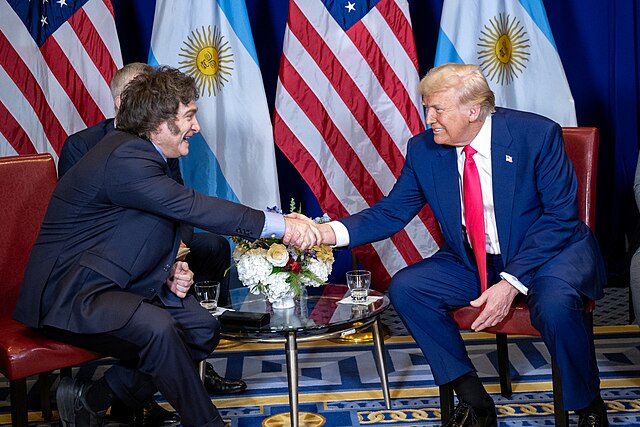
When far-right economist Javier Milei swept to victory in Argentina’s parliamentary by-election on October 26, 2025, the world saw more than just another swing to the right in Latin America. They witnessed the opening move in Donald Trump’s new Cold War—fought not in the South China Sea, but in the streets of Buenos Aires.

The ā€œMade in Washingtonā€ Victory
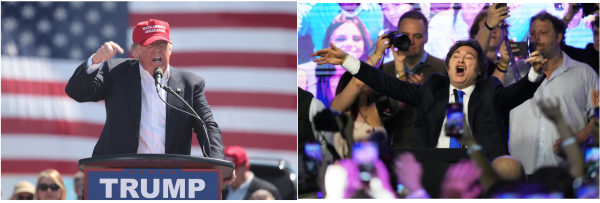
Milei’s win didn’t happen in a vacuum. Voter turnout was low. Opposition parties were divided. But behind the scenes, a more powerful force was at work: the direct involvement of the United States. Trump, publicly and privately, threw his weight behind Milei, framing his support as a financial and strategic necessity. The message was clear: a Milei victory meant American money. A loss meant isolation.

For Washington, Milei isn’t just an ideological ally—he is aĀ geopolitical tool. His commitment to dollarizing Argentina’s economy, slashing public spending, and aligning foreign policy with the U.S. makes him the perfect vehicle to roll back years of Chinese expansion in the region.


The election is seen as a test of Washington’s new policies in South America, where Trump made clear his support for Milley as a way to counter Chinese influence in the region

Trump’s Real Fear: China’s Silk Road Reaches the Andes
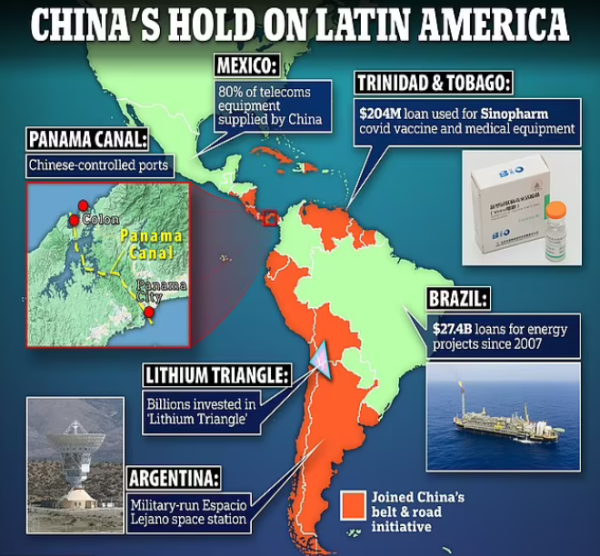
Over the past decade, China has become a critical partner for Argentina—funding infrastructure, buying soybeans, and offering loans without the political lectures that often come from Washington or the IMF. From space stations in Patagonia to port projects near Buenos Aires, Beijing’s presence has grown steadily. To Trump, this isn’t trade—it is trespassing.

Milei’s victory represents a U.S. counterattack. By installing a pro-Washington leader in one of South America’s largest economies, Trump hopes to:

  • Push Argentina out of China’s Belt and Road Initiative

  • Force the renegotiation of Chinese-backed projects

  • Pull the region back into the U.S. sphere of influence

    Chinese infrastructure projects in Latin America

A Nation Caught Between Empires
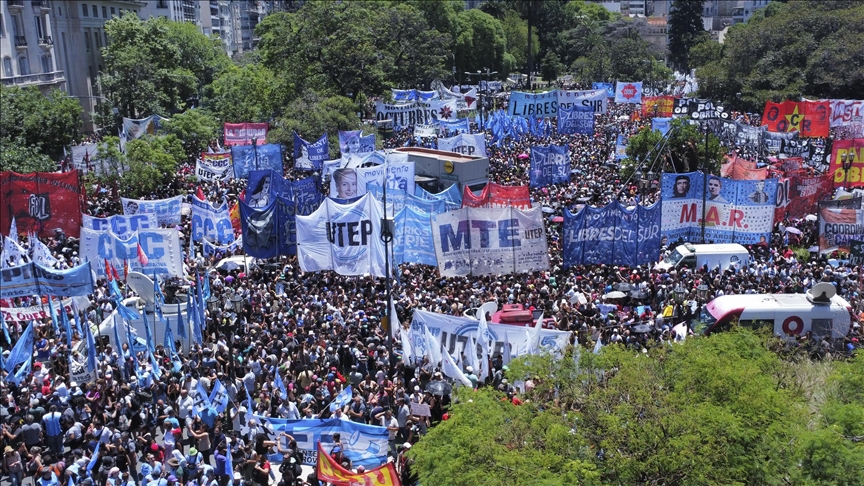
Not all Argentinians are celebrating. Milei’s radical austerity policies—wage cuts, privatization, and deregulation—have already sparked mass protests. Many see his alignment with the U.S. not as liberation, but asĀ subordination. As one Argentine political thinker noted: ā€œMilei doesn’t serve Argentina—he serves Washington’s geostrategic interests.ā€

The risk for Argentina is becoming a pawn in a game it cannot control. If Milei’s economic shock therapy fails, the social backlash could be severe. And if he succeeds in alienating China, where will the investment and buyers for Argentine goods come from?

Thousands protest in Argentina over proposed economic reforms
An aerial view of demonstrators against the Milei’s Decree of Necessity and Urgency (DNU) in Buenos Aires, Argentina on December 27, 2023. ( Luciano Gonzalez – Anadolu Agency )

The New Cold War Is Here—And It’s Speaking Spanish
What happens in Argentina no longer stays in Argentina. Milei’s victory signals a new chapter in hemispheric politics—one where local elections are shaped by global rivalries. From Brazil to Chile, Mexico to Peru, the U.S. and China are competing for loyalty, and no ballot is too small to be weaponized.

The era of non-alignment is over. Nations are being forced to choose—and superpowers are making sure they choose correctly.

Scott Bessent, left, gives a thumbs up as Javier Milei hold a blue folder and glass award. Both men are wearing tuxedos against a purple backdrop. A teleprompter is in the foreground.
Argentine President Javier Milei receives an Atlantic Council Global Citizen Award from U.S. Treasury Secretary Scott Bessent at the 2025 Atlantic Council Global Citizen Awards in New York City on Sept. 24

Conclusion: Sovereignty for Sale
Javier Milei may frame his mission in terms of liberty and free markets. But behind the libertarian rhetoric lies a darker reality: sovereignty is up for auction, and the highest bidder isn’t always the one with the best intentions.

Argentina is now a battlefield in Trump’s war on China. The only question is: who will pay the price?

1+ Thousand Argentina Old Map Royalty-Free Images, Stock Photos & Pictures  | Shutterstock
A Geopolitical Auction Block. Argentina finds itself a strategic prize in the escalating rivalry between the United States and China. The rhetoric of liberty masks a fierce struggle for influence, with the Argentine people ultimately holding the bill.
twitterlinkedininstagramflickrfoursquaremail
Posted on 3 Comments

Why is Trump Obsessed with Recapturing Afghanistan’s Bagram Air Base?

The Bagram base, once the heart of the US war in Afghanistan, has re-emerged as a flashpoint in global geopolitics. For Donald Trump, it’s not just a military facility—it’s the key to controlling resources, countering China, and projecting power across Asia. And he’s willing to threaten the Taliban with ā€œbad thingsā€ to get it back.

Despite a withdrawal deal signed in Doha in 2020, the former and potential future US president has openly expressed his desire to reoccupy the strategic Bagram Air Base. The Taliban have responded with defiance, vowing to block any return of foreign forces to Afghan soil.

But why is this remote base so important to Washington? The answer lies in four pillars of US imperial strategy:Ā geopolitical positioning, resource theft, regional influence, and overwhelming military capacity.


1. A Front-Row Seat to Contain China

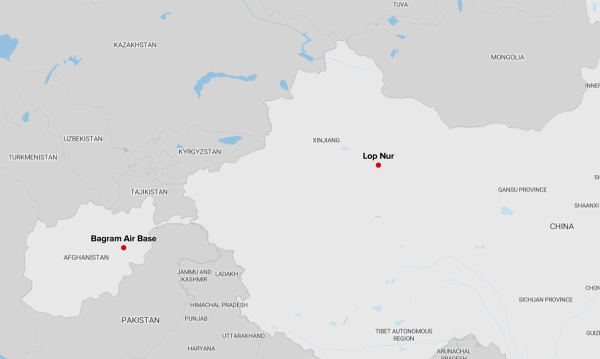
Bagram is more than an Afghan base—it’s a potential US listening postĀ just 500 miles from the Chinese border. In Washington’s new Cold War against Beijing, this proximity is priceless. The base would allow the US to monitor Chinese military activity in Xinjiang, track missile tests, and project power into Central Asia—a region China is integrating through its Belt and Road Initiative.

For a US deep state obsessed with ā€œcontainingā€ China, Bagram is the perfect unsinkable aircraft carrier on Beijing’s doorstep.

China manufactures its nuclear weapons deeper within the country, according to nuclear experts, but there is an old nuclear test range at Lop Nur, about 1,200 miles from Bagram.

2. Plundering Afghanistan’s $3 Trillion Mineral Bounty

Beneath Afghanistan’s soil lies one of the world’s last great untapped mineral treasures:Ā an estimated $3 trillionĀ in lithium, copper, gold, iron, and rare earth elements. Afghanistan’s lithium reserves alone rival those of global leaders like Chile and Argentina.

Who controls Bagram controls access to these resources. In the race for green energy dominance, these minerals are not just commodities—they are strategic weapons. The US wants to deny them to China and fuel its own tech and defense industries. This isn’t development; it’sĀ 21st-century colonialism.

3. A Wedge Against Russia, Iran, and Regional Sovereignty

Central Asia is a chessboard where the US, Russia, China, and Iran vie for influence. By re-establishing a fortress in Bagram, Washington aims to:

  • Disrupt regional integration led by China and Russia.

  • Pressure Iran from its eastern flank.

  • Monitor and intimidate Pakistan.

It’s a classic imperial move: plant a military flag to dominate the neighborhood and block the rise of independent power centers.

The spokesperson for Russia’s Foreign Ministry, reacting to Trump’s statements, said that the United States left Afghanistan in a shameful manner.

She added that although Bagram air base is a tempting target, the struggles of the Afghan people against NATO show that they will not give up their national sovereignty.

Maria Zakharova stated: ā€œThe Bagram air base, located near Kabul, has been renovated and is undoubtedly considered a tempting target. But Washington knows well that the Afghan people, who fought NATO forces for their freedom, will not abandon their national sovereignty.ā€

Iran also reacted to Trump’s comments. The Secretary of Iran’s Supreme National Security Council, citing earlier remarks by Amir Khan Muttaqi, the Foreign Minister of the Islamic Emirate, said that the Emirate is not willing to give Afghanistan’s land to the United States.

Ali Larijani further added that U.S. presence in the region would face resistance and that bombings and military campaigns in the region would be deadly for American soldiers.

He said: ā€œWhy should they come? What does it mean that they want to seize Bagram airport? In my view, this issue will not be resolved so easily, and it will also be costly for the Americans themselves. The American people must decide whether they want to constantly hold funerals for their children or not. If they do, then let them come, invade countries, and fight.ā€

The Islamic Emirate has so far not commented on other countries’ statements about the Bagram air base. However, earlier, Fasihuddin Fitrat, Chief of Staff of the Ministry of Defense, responding to Trump’s remarks, said that any deal over even ā€œone inchā€ of the country’s land is unacceptable.

Jamil Shirwani, a political analyst, also said on the matter: ā€œThey will not come by force and pressure; they don’t have the ability to come, and even they themselves don’t have the demand to re-enter Afghanistan militarily.ā€

Earlier, China also reacted, stating that fueling tensions and creating confrontation in the region does not have public support. Lin Jian, spokesperson for China’s Foreign Ministry, stressed that his country respects Afghanistan’s independence, sovereignty, and territorial integrity.

4. Unmatched Military Capacity for Regional Wars

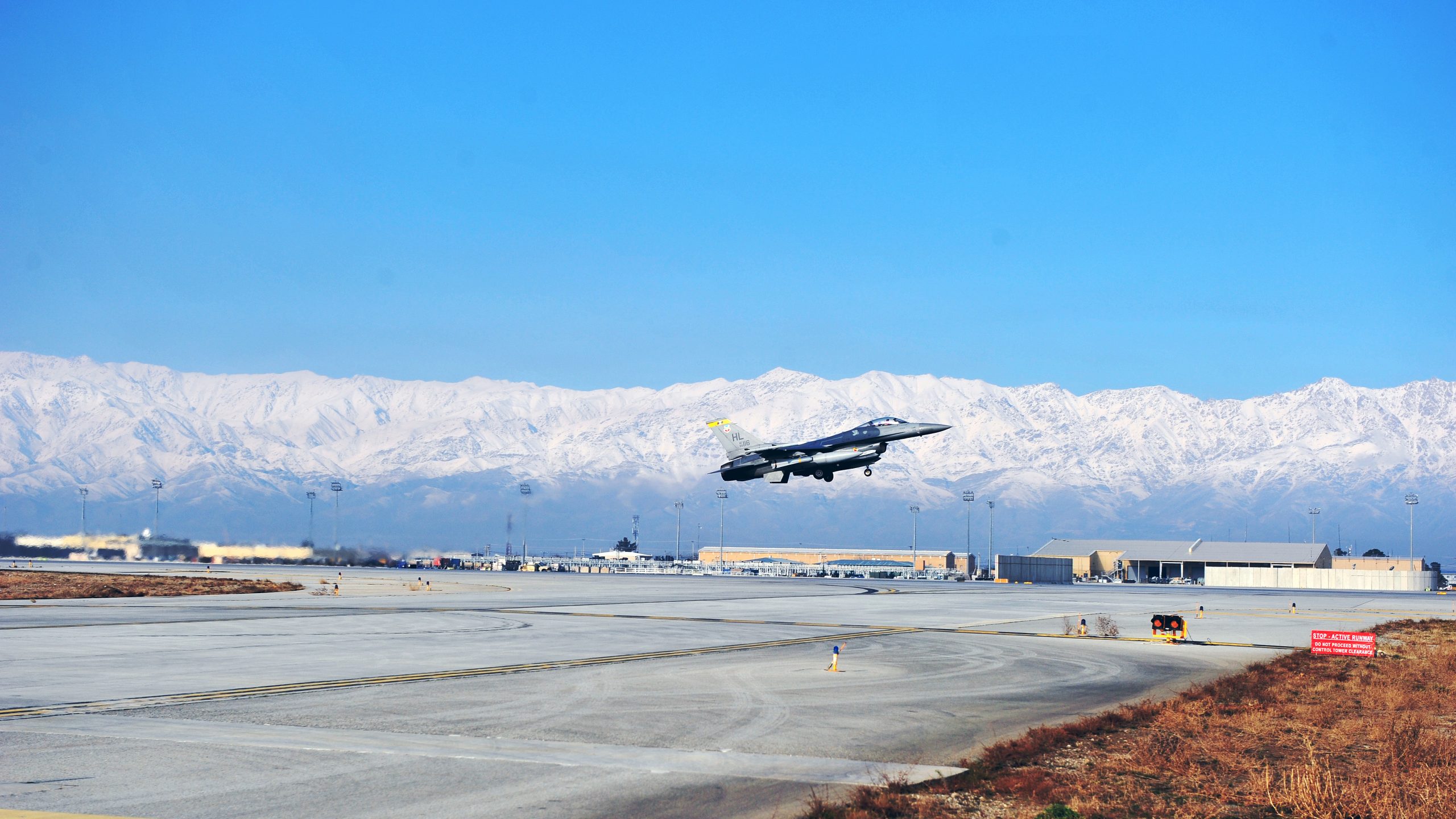
Bagram isn’t a simple airstrip. It’s aĀ massive war hubĀ with two long runways capable of handling the largest US bombers and cargo planes like the C-5 Galaxy. It served as the central nervous system for the 20-year occupation, and the Pentagon dreams of using it again as a launchpad for interventions across South Asia and the Middle East.

In short, Bagram allows the US to strike fast, far, and with devastating force—anywhere, anytime.

For Washington, the base’s strategic logic is clear. From Bagram, the United States could oversee counterterrorism operations, track regional militancy, and monitor Chinese and Russian activity. But the operational feasibility of returning is slim. Militarily seizing Bagram would mean re-invasion, with all the troop deployments, logistics, and costs that toppled three empires before. Diplomatically, the price would be high: recognition of Taliban rule, lifting of sanctions, or large-scale aid – concessions that are potentially toxic in Washington.

History also cautions against optimism. From the British retreats of the 19th century to the Soviet defeat in the 1980s and the US exit in 2021, foreign powers have learned the same lesson: Afghanistan cannot be held without local consent.

Bagram’s strategic importance is unquestionable, but in Afghan politics, symbols matter as much as runways. For the Taliban, ceding the base would be a humiliation, undermining the sovereignty they fought to reclaim.

Trump’s call, then, seems more rhetorical than practical. It signals a desire to reassert US influence in a region increasingly shaped by Chinese and Russian engagement. It may also be a way of further prodding the record of the Biden administration. But the Taliban’s rejection, coupled with their international backing, makes a negotiated return highly unlikely. The alternative – military force – would be prohibitively costly and politically untenable.Ā https://www.lowyinstitute.org/the-interpreter/what-chance-does-trump-have-negotiating-bagram-airbase-deal-taliban


The Cost of Imperial Arrogance

Returning to Bagram would be a catastrophic miscalculation—one that repeats every US failure since 2001.

  • Financial Drain:Ā Billions more taxpayer dollars would be wasted on rebuilding a base only to lose it again.

  • Human Toll:Ā More dead soldiers, more traumatized veterans, and countless more Afghan civilians caught in the crossfire.

  • Political Blowback:Ā Trump campaigned on ā€œAmerica Firstā€ and ending endless wars. Reoccupying Bagram would be a naked betrayal of his voters and proof that the war machine controls US policy, no matter who is president.

The American people are tired of war. The Taliban will not surrender sovereignty. And the world is watching—no one is buying Washington’s lies anymore.

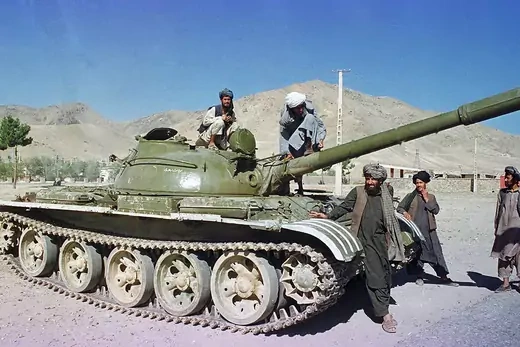
Timeline: The U.S. War in Afghanistan Taliban soldiers sit on tank on the outskirts of Kabul.


twitterlinkedininstagramflickrfoursquaremail