Introduction: 💰🌍🔥
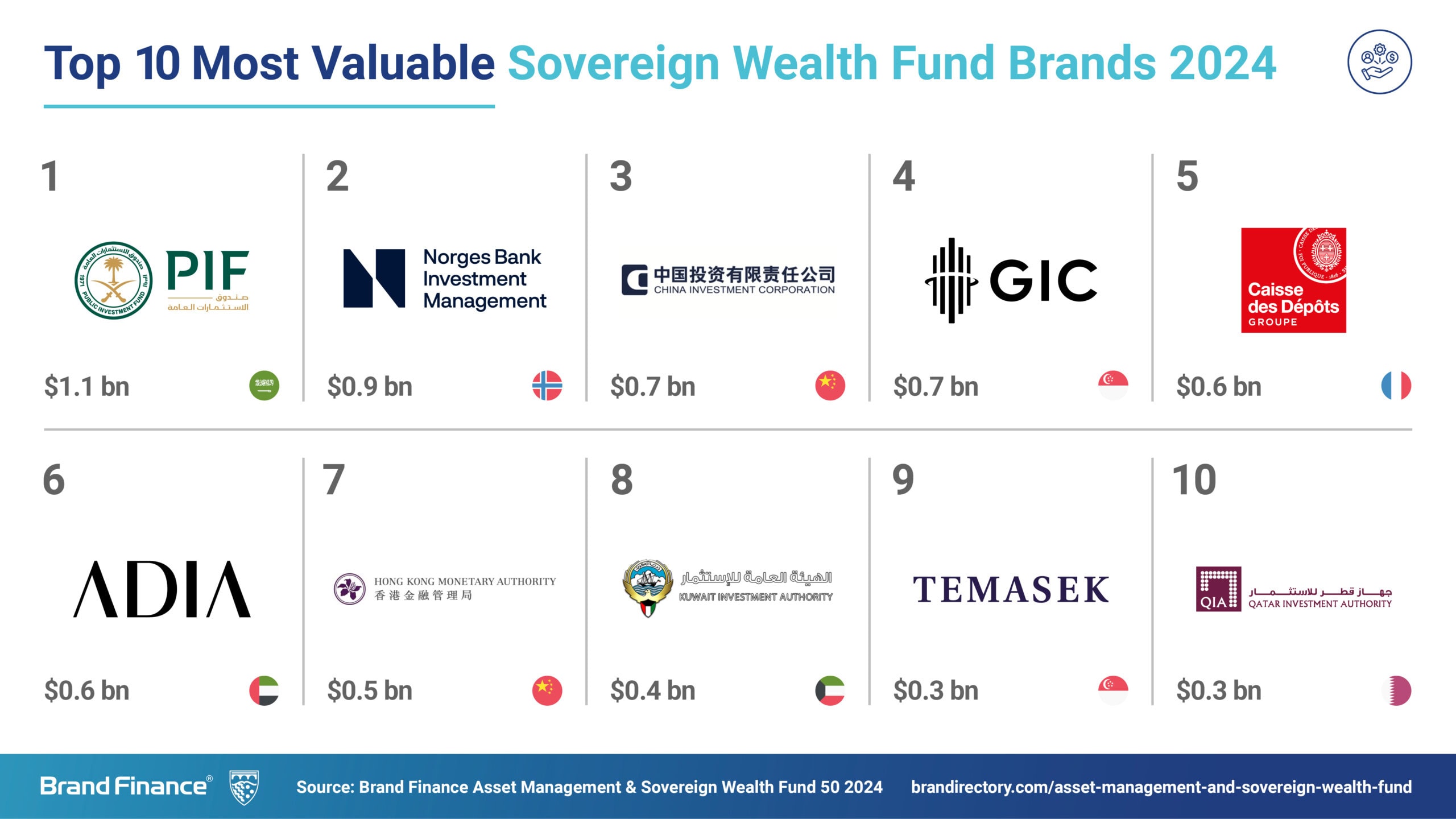
For years, the sovereign wealth funds of the Persian Gulf have been the silent giants of global finance. With over $5 trillion in combined assets, they have bought into AI startups, English football clubs, social media platforms, and futuristic cities. 🏙️⚽🤖
But regional wars and escalating tensions are now threatening this financial empire. Iranian retaliatory attacks have already caused $25 billion in damage to oil and gas infrastructure. Defense costs are soaring. And the strategic Strait of Hormuz—the world’s most critical energy chokepoint—remains under constant pressure. 🚢💥
The question haunting Gulf capitals: How long can the wealth last when the region is on fire? 🔥❓
The Giants: $430 Billion Injected Since 2021 📈💰
The six members of the Gulf Cooperation Council (GCC)—Bahrain, Kuwait, Oman, Qatar, Saudi Arabia, and the UAE—have become major players in global investment.
| Statistic | Amount |
|---|---|
| Total assets | Over $5 trillion |
| Capital injected since 2021 | $430 billion |
| Share invested outside the region | 75 cents of every oil dollar |
Where the money went:
-
🤖 AI startups and data centers
-
🏢 Private companies
-
⚽ UK Premier League clubs
-
📱 Major media outlets (including TikTok)
But this aggressive global expansion is now colliding with a harsh regional reality. 🌍💥
The Cost of War: $25 Billion in Damages 💣🛢️
According to The Economist, Iranian retaliatory attacks on oil and gas facilities in the region have already caused significant damage:
| Damage Type | Cost |
|---|---|
| Oil and gas infrastructure damage | $25 billion |
| New pipelines to bypass Strait of Hormuz | $30-50 billion (additional) |
The Strait of Hormuz—through which nearly 20% of global oil passes—remains under constant pressure. Every tanker that transits is a potential target. Every day of instability adds to the economic toll. 🚢⚠️

Defense Costs: Protecting Wealth at Any Price 🛡️💰
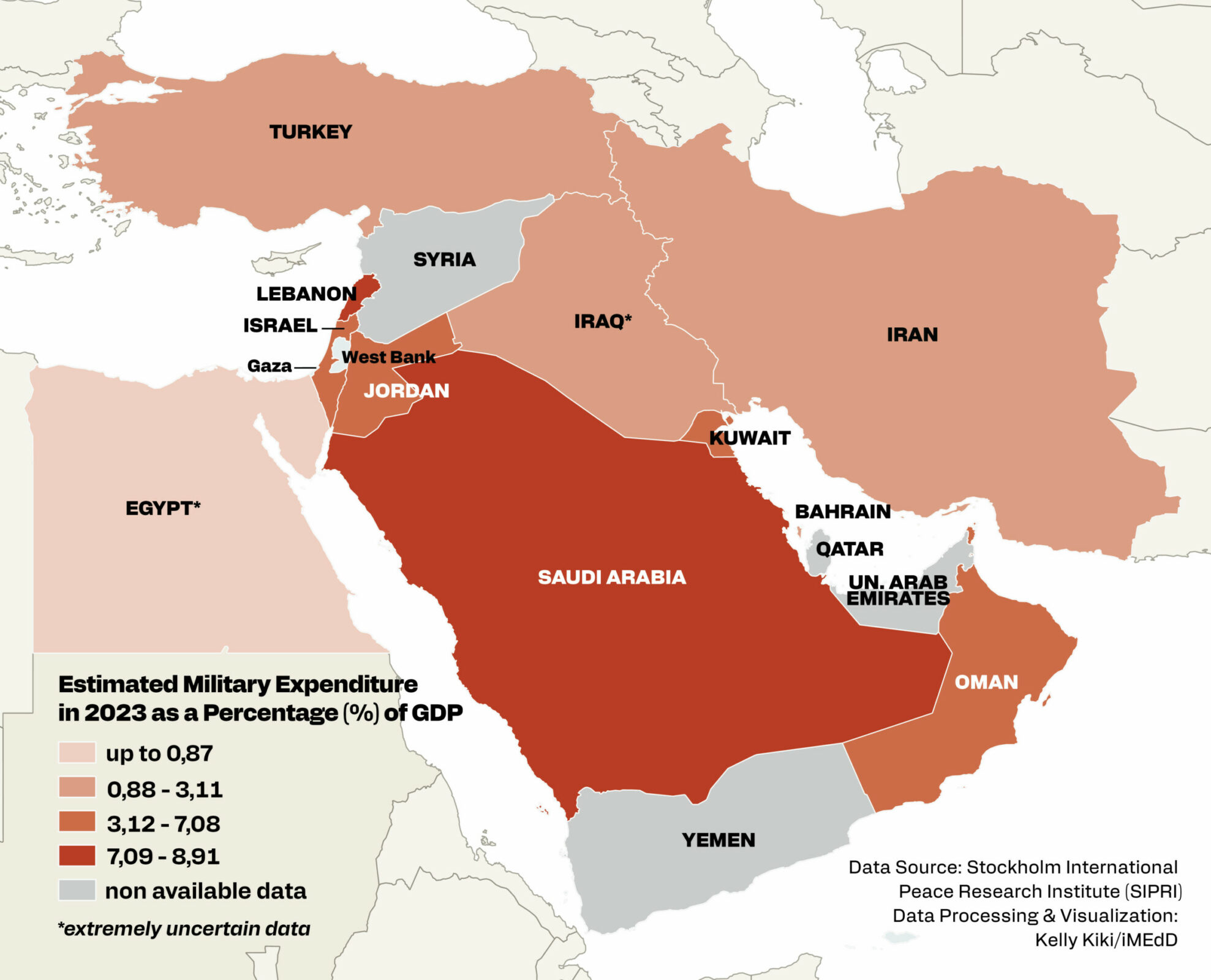
War and regional tensions have forced GCC countries to dramatically increase their defense spending.
| Pressure Point | Consequence |
|---|---|
| Replenishing missiles | Massive military budgets |
| Replenishing ammunition | Ongoing supply chain costs |
| Slowing economies | Disrupted commercial activity |
| Energy export disruptions | Lost revenue |
Dubai has already announced support packages for businesses to cope with the slowdown. And the expectation is clear: sovereign wealth funds will bear part of these costs. 📉
Historical precedent:
-
During COVID-19, Abu Dhabi Investment Authority withdrew $24 billion
-
Kuwait Investment Authority withdrew $25 billion
If past crises are any guide, the current war will trigger similar—or larger—withdrawals. 🏦💸
The Liquidity Trap: When Assets Cannot Be Sold 🔒💔
Recent crises have changed how Gulf funds invest. Over the past five years, many have moved into private, less liquid assets.
| Fund Type | Investment | Amount |
|---|---|---|
| UAE funds | AI startups & data centers | $100 billion |
| Saudi PIF | AI startups & data centers | $40 billion |
| Gulf funds (2021-2025) | Real estate & infrastructure | $140 billion |
The problem: These assets cannot be easily liquidated in an emergency. Some can only be sold at heavy losses. 📉
Additionally, Gulf funds have invested in ambitious projects tied to national goals:
-
🇦🇪 UAE funds: Mines and farms in African countries
-
🇸🇦 Saudi PIF: Brazilian mining and agricultural projects in Southeast Asia
These are long-term plays. But war demands short-term liquidity. The mismatch is dangerous. ⚠️

Domestic Attractivity Declining: Projects on Hold 🏗️❌
With intensifying threats, foreign investment in the Gulf is decreasing. The signs are everywhere:
| Indicator | Impact |
|---|---|
| Air traffic | Sharp decline |
| Tourism activity | Severe pressure on airports and airlines |
| Mega-projects | Many halted or facing serious problems |
Examples of affected projects in Saudi Arabia:
-
🧊 The Cube in Riyadh
-
🌿 The Line (futuristic linear city)
These ambitious projects, once symbols of a bold future, are now caught in the crossfire of regional conflict. 💥🏜️

* The dream cities of tomorrow are colliding with the wars of today
The Future: Toward Safer, More Stable Assets 🔮📊
While Gulf sovereign wealth funds are not expected to auction off their assets immediately, the direction of travel is clear.
| Trend | Implication |
|---|---|
| Lower domestic profitability | Turn to more stable foreign assets |
| From risky to less risky | Shift away from volatile investments |
| Rebuilding old economies | Less spending on futuristic projects |
| More withdrawals | Funds may need to liquidate holdings |
Experts believe that as crises continue and wars drag on, these funds will face complex challenges in resource management and investment. They may need to fundamentally revise their investment strategies to maintain economic and financial stability. 📉🔄

Conclusion: The $5 Trillion Question ❓💰
The sovereign wealth funds of the Persian Gulf have been engines of global investment, transforming oil wealth into a diversified portfolio spanning AI, real estate, sports, and media. 🌍📈
But war changes everything.
| Challenge | Impact |
|---|---|
| $25 billion in damage | Direct infrastructure losses |
| $30-50 billion for new pipelines | Massive additional costs |
| Defense spending surge | Draining national budgets |
| Liquidity trap | Assets that cannot be sold |
| Declining domestic attractiveness | Fewer foreign investors |
The funds may survive. But their strategy will have to change. From aggressive expansion to careful preservation. From futuristic dreams to rebuilding realities. 🔄🏗️
The $5 trillion question is simple: Can the wealth of the Gulf withstand the fires of war? 🔥❓
Only time—and the duration of the conflict—will tell. ⏳👀
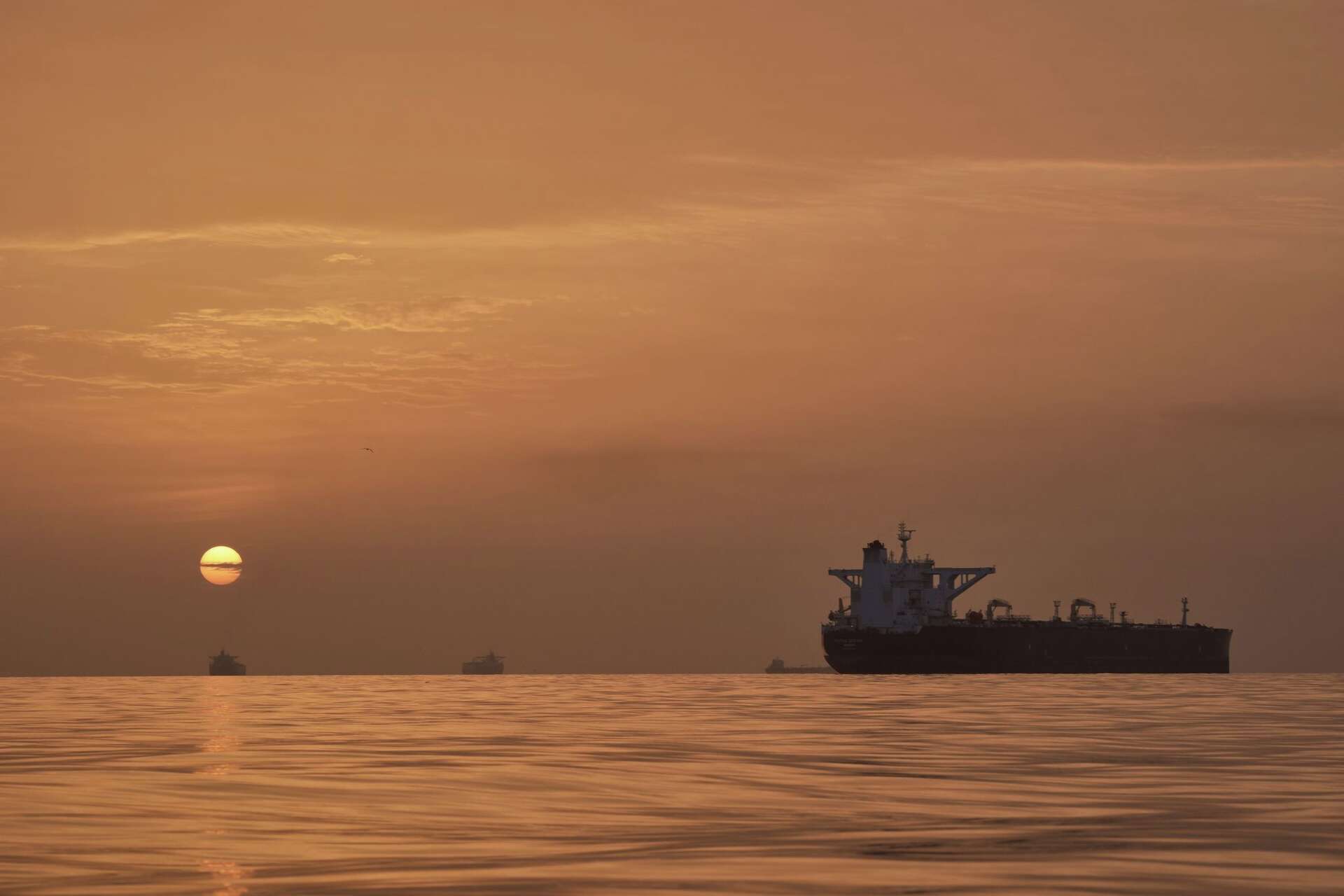
* The wealth is still there. But for how long?