

Introduction:
The word “peace” has been a constant refrain in American diplomatic statements regarding Gaza. But when examined against the totality of evidence—the financial flows, the arms shipments, and the political support—this claim rings hollow. This article argues that the United States has shed the mantle of a neutral mediator to become an active and essential partner in building Israel’s war machine, directly fueling a conflict that has created a profound humanitarian crisis.

The Foundation of Support: A Long-Standing Partnership
The history of American military and financial aid to Israel is not new, but its scale and intensity during the Gaza war have reached unprecedented levels. Since 1948, the US has been Israel’s primary military patron, with billions of dollars flowing through long-term contracts. This support, often framed as ensuring an ally’s security, has in practice facilitated the continuation of violence and occupation.
This structured support was solidified in agreements like the Obama-era 10-year memorandum, guaranteeing $3.8 billion in annual military aid. However, since October 2023, the US has approved emergency aid packages pushing direct military assistance to at least $17.9 billion, with some estimates suggesting the total, including indirect support, may exceed $30 billion.
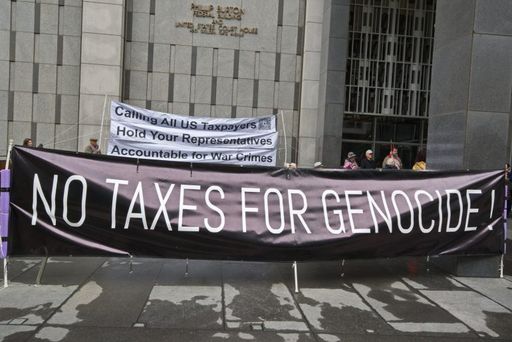
The American Taxpayer: Financing a Distant War
This colossal financial support does not come from a surplus; it is funded directly by American taxpayers. Statistical estimates break this down to a cost of approximately $85 to over $165 per American taxpayer. This expenditure occurs while the United States faces domestic crises in healthcare, education, and infrastructure. The equivalent funds could have provided health insurance for millions of children or hired hundreds of thousands of new teachers, revealing a stark misalignment between public need and policy priorities.

The War Economy: Who Really Benefits?
A critical question is: who profits from this cycle? A significant portion of US military aid is designed as a subsidy for American defense contractors. Israel is often required to spend the aid on weapons purchased from US companies like Lockheed Martin, Boeing, and Raytheon. This creates a profitable feedback loop where aid money cycles back into the pockets of American corporations, making war a lucrative business for the US’s war-oriented economy.
The Human Cost and Shifting Public Opinion
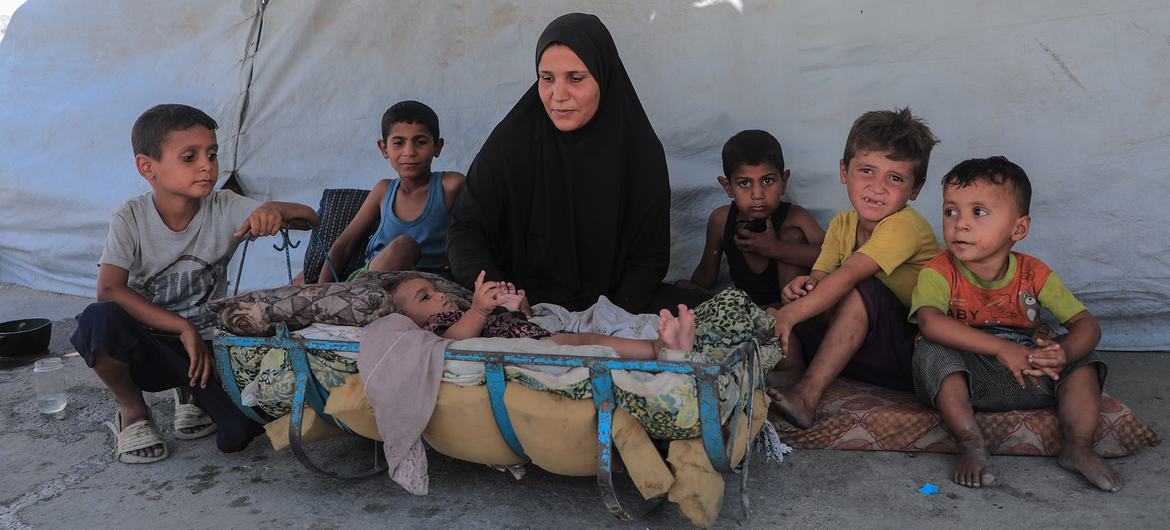
The tragic reality of this support is measured in the devastation in Gaza: thousands dead, hundreds of thousands displaced, and critical infrastructure like hospitals and schools destroyed by American-made bombs. This reality is reshaping American public opinion. Polls show a majority of younger Americans (ages 18-29) oppose continued military aid. Within the American Jewish community, movements like “Jews for Peace” are gaining traction, challenging unconditional support for the Israeli government.

Conclusion: A Partner, Not a Peacemaker
The evidence paints a clear and damning picture. The United States is not a mediator or a pacifist in the Gaza war; it is an active partner. By bankrolling the war machine with taxpayer money and ensuring the flow of arms, America has become complicit in the resulting humanitarian catastrophe. It has abdicated its claim to moral leadership on the world stage. As long as this partnership continues, American talk of “peace” will remain nothing more than a political show, a cover for a policy rooted in conflict.