

Introduction:
The tragic shooting in Sydney, Australia, which occurred during a Hanukkah celebration, has rightly been met with international condemnation and grief. However, beyond the immediate human tragedy, a complex political narrative is rapidly unfolding. This analysis examines how this event outside of Palestine is being instrumentalized to reinforce a longstanding political narrative: framing the Israeli state as a perpetual “victim” to deflect from its actions in Gaza and the occupied territories.
The Immediate Narrative Shift: From Occupation to “Anti-Semitism”
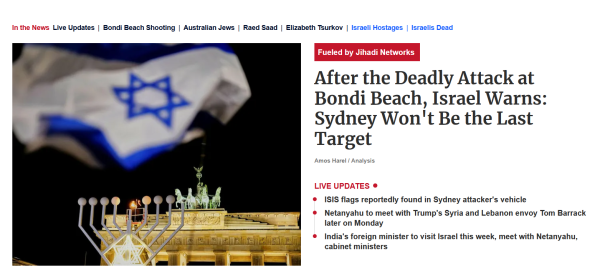
In the immediate aftermath, Israeli media outlets prominently framed the attack not as an isolated criminal or terrorist act, but as a symptom of “rising global anti-Semitism.” As Palestinian-Israeli affairs expert Ali Al-Awar notes, this coordinated media focus serves a symbolic purpose. By placing the incident within this specific context, it reinforces a core element of Zionist political discourse: that Israel and Jews worldwide are under constant, existential threat, thereby positioning the state in the role of the oppressed.
Israeli Prime Minister Benjamin Netanyahu’s response followed this script, broadly linking the attack to anti-Semitism without addressing specific political contexts. This framing is strategic, aiming to universalize the conflict and obscure its particular roots in the occupation of Palestine.
Political Utility: Diverting Attention and Applying Pressure
The exploitation of this tragedy serves multiple political aims for the Israeli government:
-
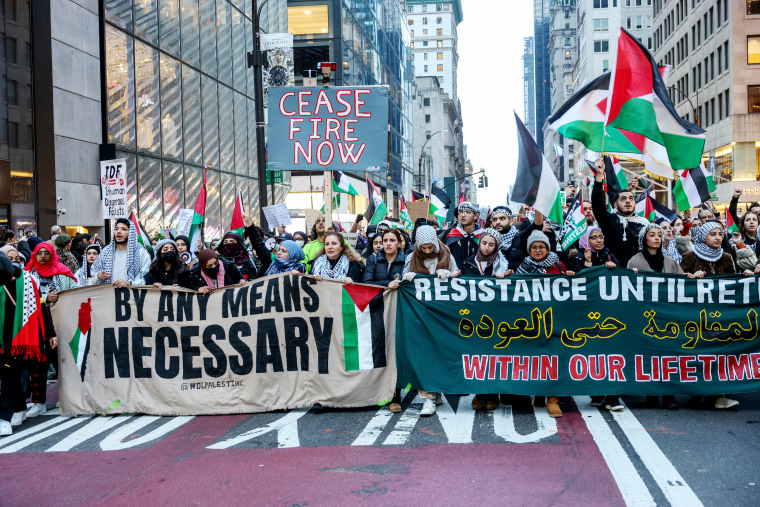
Diverting Global Attention: As journalist Fayez Abu Shamaleh points out, the attack provides a powerful new imagery to divert global public opinion from the devastating war in Gaza. Netanyahu can use these images in international forums to shift the conversation.
-
Stifling Diplomatic Moves: The “anti-Semitism” discourse is leveraged to pressure governments like Australia’s, potentially deterring them from actions like recognizing a Palestinian state by conflating such political stances with hatred toward Jews.
-
Internal Political Divide: The attack exacerbates a rift within Israeli society. One faction sees Netanyahu’s aggressive policies in Gaza and Lebanon as inflaming global anger and endangering Jews abroad, while his supporters use the event to double down on the siege mentality and consolidate domestic support.

The exploitation of this tragedy serves multiple political aims for the Israeli government
Skepticism and Alternative Narratives
The swift politicization has also bred significant public skepticism. On social media, voices have questioned the official narrative, with some pointing to historical conspiracies (like the King David Hotel bombing) to suggest the attack could be a “false flag” operation designed to garner sympathy. While such claims are extreme and often lack evidence, their circulation highlights a deep global distrust in official Israeli narratives following the Gaza war.
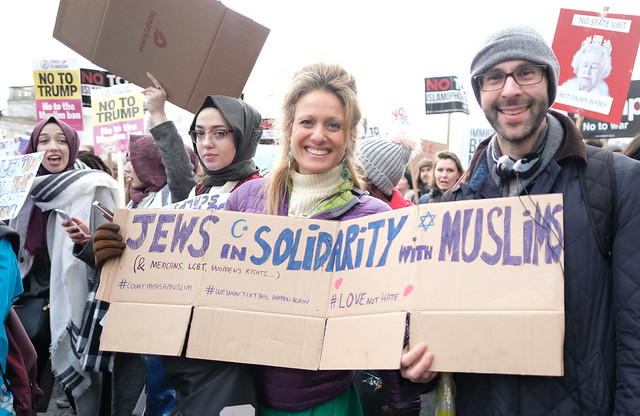
Furthermore, observers and Islamic bodies like Australia’s Council of Imams have been quick to make crucial distinctions: they condemn attacks on civilians anywhere while warning against using this tragedy to “purify the image of the occupying Power.” They, along with Palestinian resistance groups, emphasize that their struggle is political—against Zionism and occupation—not religious or aimed at Jewish people outside of Palestine.
Conclusion: A Tragedy Within a Tragedy
The Sydney attack is a profound tragedy for the victims, their families, and the Australian Jewish community. Its exploitation for political purposes constitutes another layer of tragedy. When a horrific act of violence is immediately funneled into a pre-existing propaganda framework to justify further violence elsewhere, it corrupts the memory of the victims and poisons the well of international discourse. True solidarity requires mourning the dead in Sydney without letting their deaths become a tool to obscure the deaths of thousands in Gaza. The path forward must be built on honest confrontation with root causes, not the cynical reproduction of victimhood narratives.