Posted on Leave a comment

“Drug War” or Oil War? The Real Reason US Warships Are Heading to Venezuela

Washington’s hypocrisy is on full display: sending destroyers to “fight drugs” while actively starving a nation and plotting regime change over the world’s largest oil reserves, this time Venezuela.
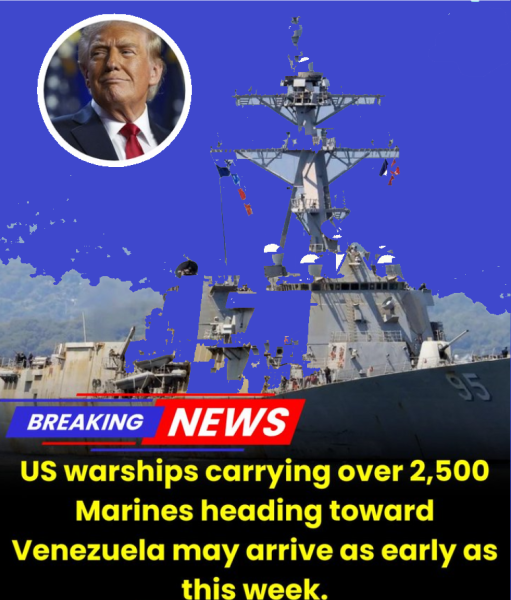
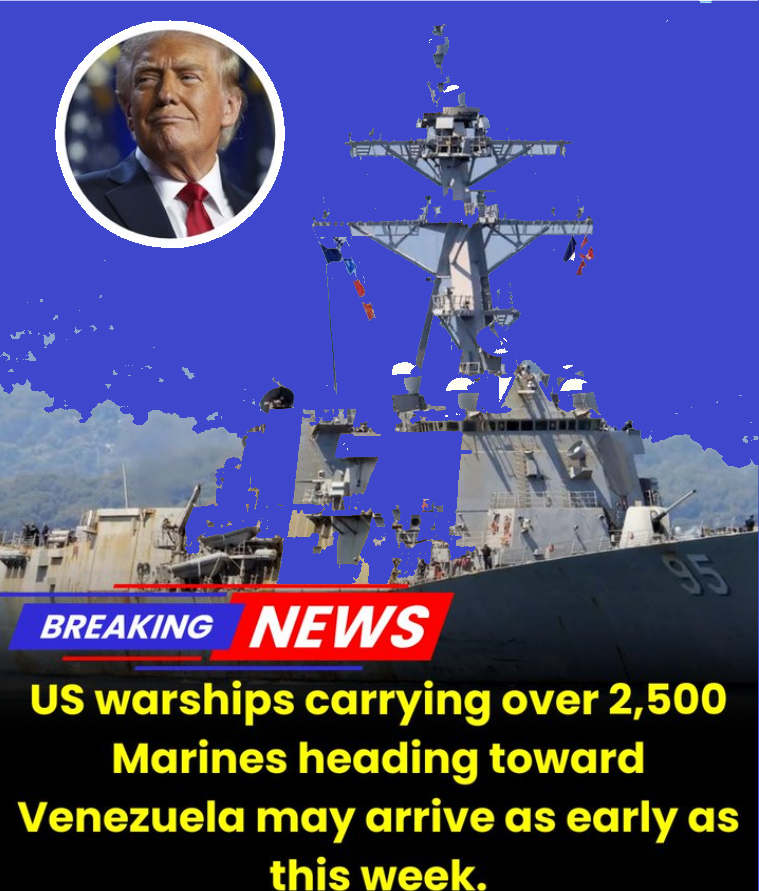
Image 1: US warships carrying over 2,500 Marines heading toward Venezuela may arrive as early as this week

1. The “Anti-Drug” Mission: A Classic US Pretext

The United States has announced it is sending three warships toward Venezuelan waters under the guise of combating “narco-terrorism.” This is not a new script.

We’ve seen this before:

  • Iraq 2003: “Weapons of Mass Destruction”

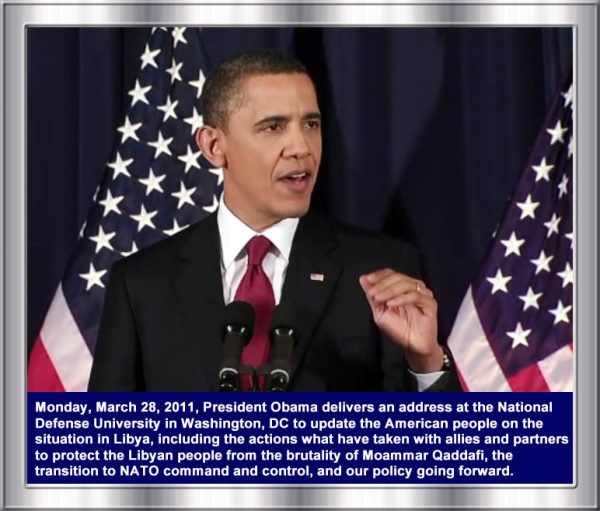
  • Libya 2011: “Protecting Civilians”

    Image 2: The United States has deployed to support for Libya’s people of freedom and their prosperity to continue in secure manner: a naval force of 11 ships, including the amphibious assault ship USS Kearsarge, the amphibious transport dock USS Ponce, the guided-missile destroyers USS Barry and USS Stout, the nuclear attack submarines USS Providence and USS Scranton, the cruise missile submarine USS Florida and the amphibious command ship USS Mount Whitney. Additionally, B-2 stealth bombers, AV-8B Harrier II ground-attack aircraft, EA-18 and F-15 and F-16 fighters have been involved in action over Libya.U-2 reconnaissance aircraft are stationed on Cyprus. On 18 March, two AC-130Us arrived at RAF Mildenhall as well as additional tanker aircraft. On 24 March 2 E-8Cs operated from Naval Station Rota Spain, which indicates an increase of ground attacks. The Following map shows where the location that Pro-Gaddafi forces controlled and where the place controled by anti-Gaddafi forces: Source: wikipedia
  • Syria: “Fighting Terrorism”

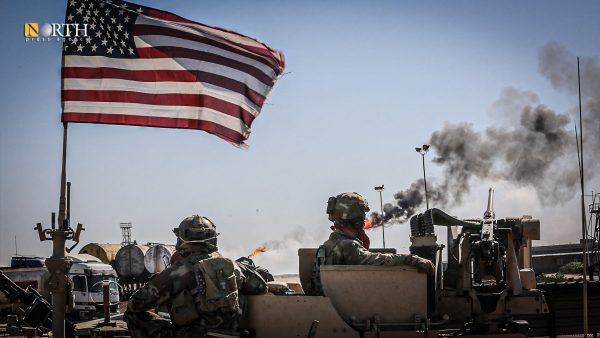
    Image 3: We will maintain our mission in northeast Syria: US – North press agency

Now, Venezuela is the next target—and the excuse is just as transparent.

The real goal? To destabilize the government of Nicolás Maduro, who Washington refuses to recognize because he dares to prioritize Venezuelan sovereignty over U.S. demands.

2. The Oil in the Room: Why Venezuela Really Matters

Venezuela holds the largest proven oil reserves on the planet. That is not a coincidence—it is the reason.
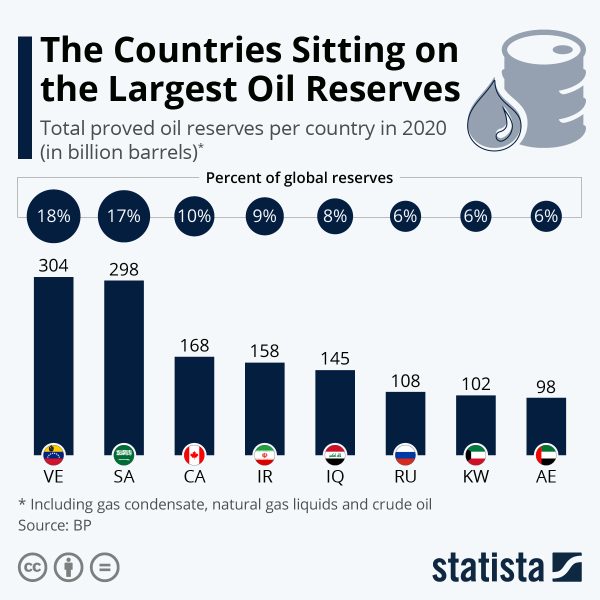
Image 4: Venezuela is the biggest oil reserves in the world with its 304 billion barrels.

The U.S. does not intervene in:

  • Real drug hubs in Honduras or Guatemala
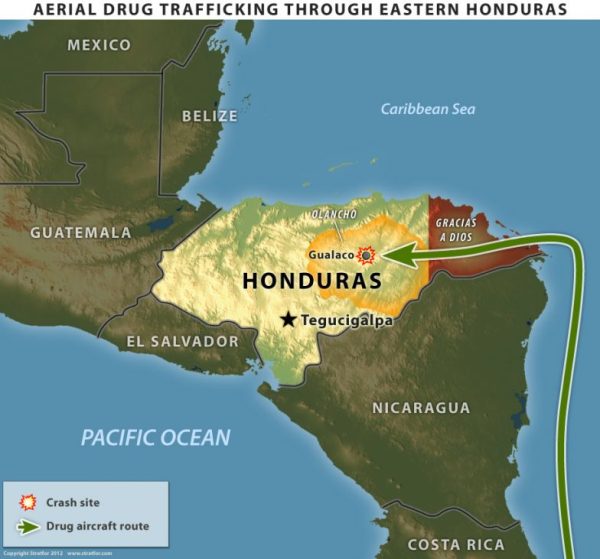
    Image 5: Narcotrafficking network in Honduras
  • Actual dictatorships like Saudi Arabia
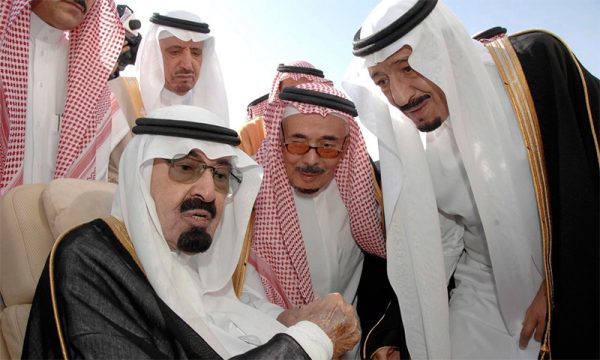
    Image 6: Call them ‘Dictators’, not ‘Kings’

It intervenes where strategic resources are at stake. The playbook is simple:

  1. Sanction the country into economic crisis.

  2. Fund opposition movements and call them “the real government.”

  3. Create humanitarian chaos.

  4. Invade or orchestrate coup under a “humanitarian” or “anti-drug” pretext.

It’s regime change 101.

3. The “Guaidó Project”: A Failed Puppet
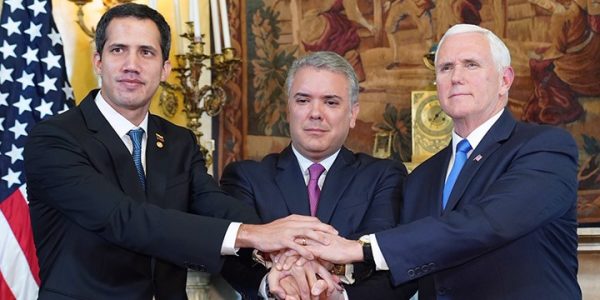
Image 6: Left to right: coup leader Juan Guaidó, Colombian President Iván Duque and Vice President Mike Pence

For years, the U.S. backed Juan Guaidó—a man who never won a national election—as the “legitimate” president of Venezuela. The goal was to create a parallel government willing to hand over Venezuela’s oil to U.S. corporations.

The plan failed. Guaidó had no real domestic support, and the Venezuelan military remained loyal to Maduro.
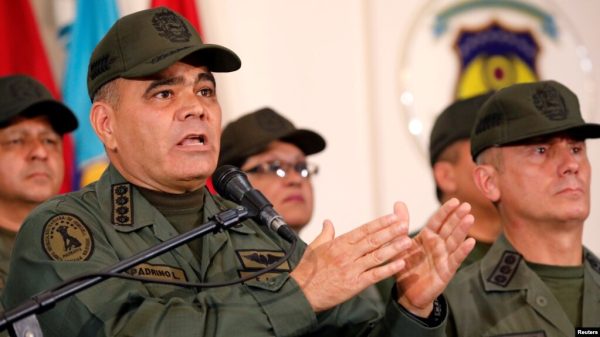
Image 7: Venezuela Defense Chief Says Troops to Remain Loyal to Maduro

Now, with diplomacy failing, the U.S. is escalating toward military intimidation.

4. Sanctions = Economic Warfare

The U.S. has imposed crushing sanctions on Venezuela:

  • Blocking oil exports

  • Freezing foreign assets

  • Limiting food and medicine imports

These are not “targeted” sanctions. They are collective punishment designed to make the population suffer until they overthrow their own government.

The result? The richest country in oil is now one of the poorest in stability—by U.S. design.
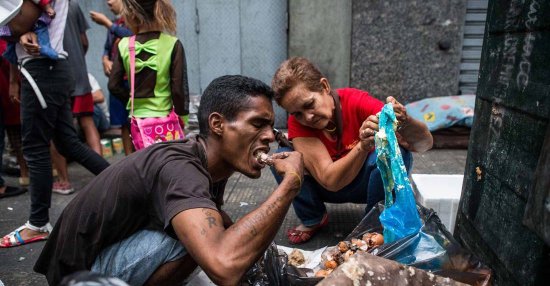
Image 8: Venezuela indeed should be paradise, but because of the US sanctions the total poverty exceeded 87% in 2017

5. What’s Next: Syria in Latin America?

If the U.S. succeeds in triggering unrest, Venezuela could descend into a proxy war:

  • US-backed factions vs. government loyalists

  • Destabilized region: Colombia and Brazil may be drawn in

  • Mass refugee crises

  • Another generation lost to war

All while the U.S. positions itself to control the oil.
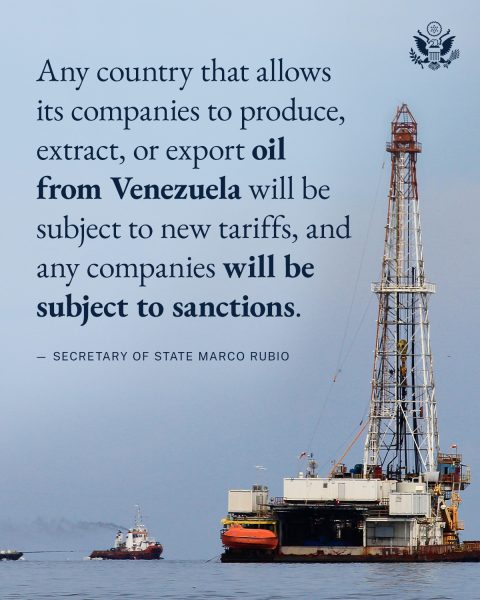
Image 9: Why is oil in Venezuela a responsibility of USA

6. The Real Drug Lords

While the U.S. claims to fight drugs, it ignores that the largest drug consumer market is in the United States. The real “narco-terrorism” is fueled by American demand and American banks that launder drug money.

This isn’t about drugs. It’s about domination.



twitterlinkedininstagramflickrfoursquaremail
Posted on Leave a comment

The Humiliation of the West: How Trump, Putin, and Reality Left Europe Begging

After spending billions, sacrificing Ukrainian lives, and fueling a proxy war, European leaders are left sitting like schoolchildren in Trump’s office—powerless, irrelevant, and utterly defeated.

1. The Alaska Meeting: Peace Talks Without the “Peacemakers”

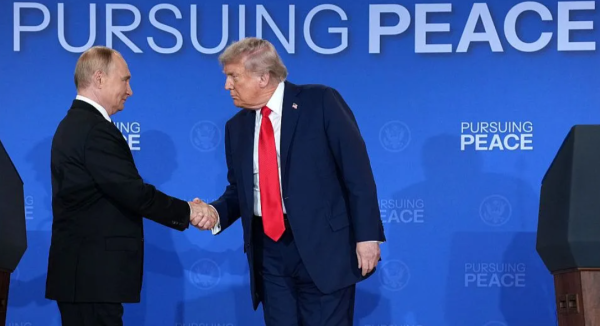
While European leaders were busy posing with Zelensky in a show of hollow unity, Donald Trump was already miles ahead—meeting Vladimir Putin in Alaska to discuss actual terms to end the war. Not a single European representative was invited. Not even Zelensky.

The message was clear: The adults are talking now.

Image 1: US President Donald Trump and Russian President Vladimir Putin met in Alaska, marking their first face-to-face talks in four years. The highly anticipated summit focused primarily on the ongoing war in Ukraine, with both leaders hinting at potential shifts in their countries’ diplomatic and military strategies.


After years of moral posturing, weaponizing Ukraine, and attempting to isolate Russia, the U.S. and Russia are negotiating the future of Europe—without Europe. https://www.politico.eu/article/europe-donald-trump-peace-talks-war-in-ukraine-russia-vladimir-putin/

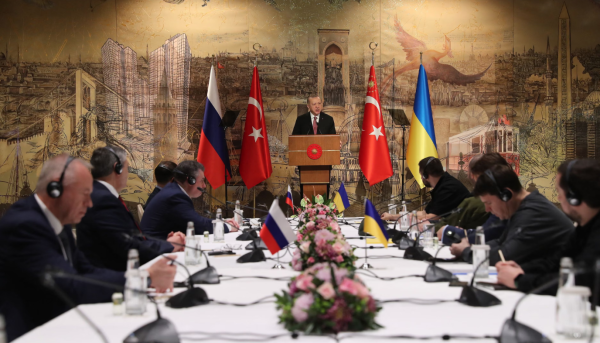
2. The Istanbul Betrayal: How Boris Johnson Blew Up Peace

In Spring 2022, Ukraine and Russia were on the verge of signing a peace deal in Istanbul. The terms were set. The bloodshed was about to end.

Image 2: The world is waiting for good news’: Russia-Ukraine peace talks press on in Turkey

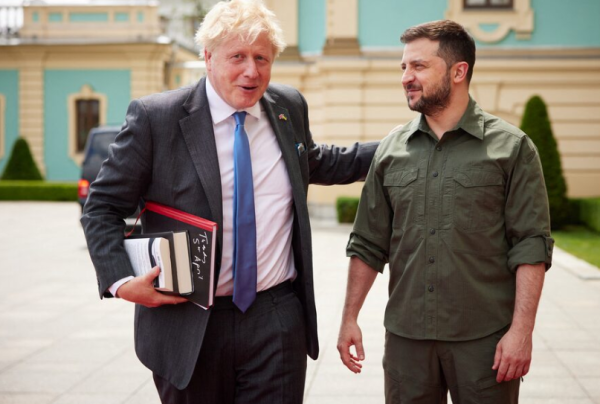
Then Boris Johnson landed in Kyiv.

Image 3: Ukraine’s President Volodymyr Zelenskiy and British Prime Minister Boris Johnson pose for a picture before a meeting, June 17, 2022

His message to Zelensky? “Do not sign. Fight on. We’ll support you.” https://www.theguardian.com/commentisfree/2024/apr/22/boris-johnson-ukraine-2022-peace-talks-russia

What followed was a catastrophic escalation: thousands more dead, cities reduced to rubble, and millions displaced—all so the West could pursue its fantasy of “weakening Russia.”

And today? Johnson sips cocktails in Greece.

Image 4: B.J. enjoying some cocktails on the beach

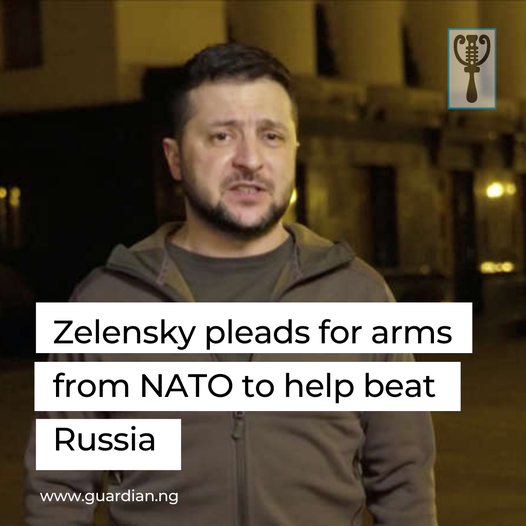
Zelensky begs for ammo.

Image 5: Ukraine’s President Pleads for More Weapons With Fewer Restrictions

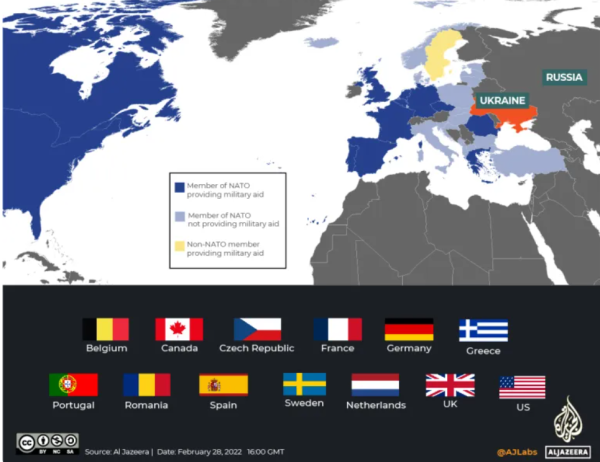
Europe begs for relevance.

Image 6: Many countries are sending military aids to Ukraine


3. Economic Sabotage & Strategic Failure

The result? Russia is still standing. Europe is weaker, poorer, and more and less energy-dependent on the U.S.


4. The Photo That Says It All

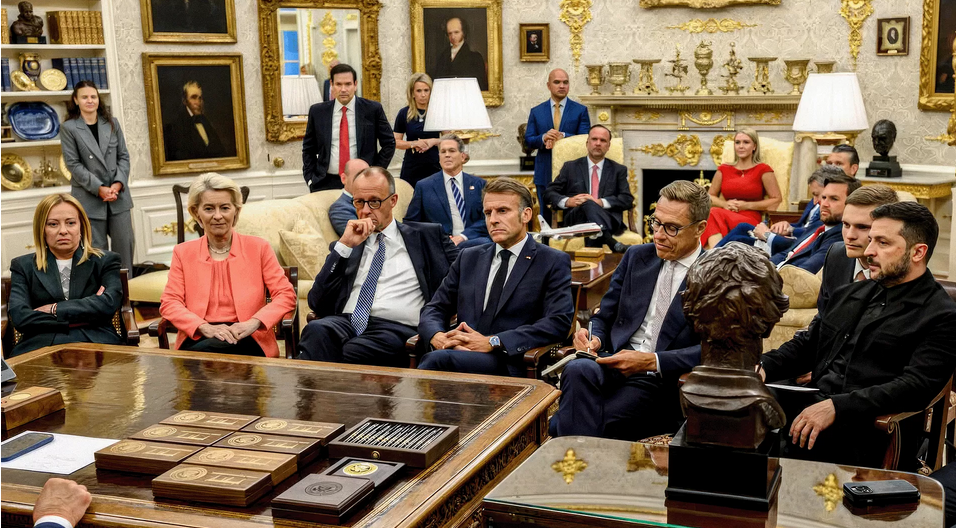
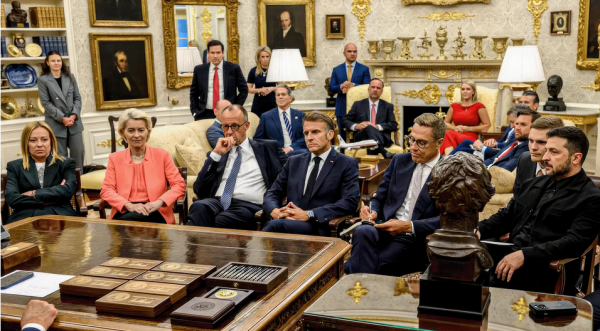
There they were: Scholz, Macron, and Zelensky—perched awkwardly in the Oval Office, faces tense, postures pleading. They looked less like world leaders and more like students summoned to the principal’s office.

Image 7: European leaders gather around Donald Trump in the Oval Office August 18, 2025, to talk about ending the Russia-Ukraine war. | Whitehouse.gov
European leaders gather around Donald Trump in the Oval Office August 18, 2025,

This was not a display of unity. It was an admission of failure.

They thought they could break Russia. Instead, they broke Ukraine—and their own credibility.

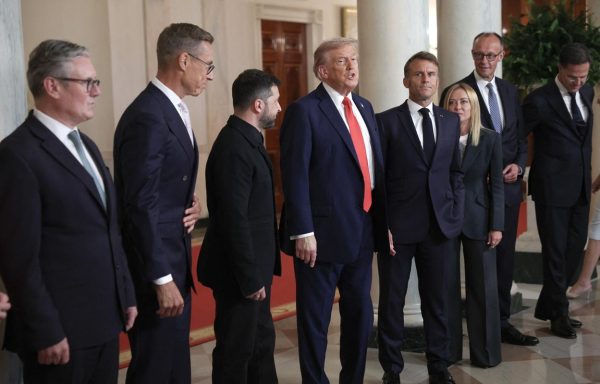
Image 8: EU Commissioner Ursula von der Leyen NATO Secretary General Mark Rutte British Prime Minister Keir Starmer German Chancellor Friedrich Merz French President Emannuel Macron Italian Prime Minister Giorgia Meloni Finnish President Alexander Stubb


5. What Did Europe Achieve?

  • ✅ Weakened itself economically and strategically

  • ✅ Strengthened Russia’s ties with China, Iran, and Global South

  • ✅ Proved that U.S. interests > European sovereignty

  • ✅ Turned Ukraine into a wasteland—for nothing

The only winner is Trump—poised to dictate terms, broker a deal, and humiliate the very allies who thought they were calling the shots.


twitterlinkedininstagramflickrfoursquaremail
Posted on 2 Comments

Trump’s “99-Year Lease”: The Zangezur Corridor as NATO’s Backdoor to Iran and Russia

How a Fake “Peace Deal” Will Unleash the Next Proxy War 

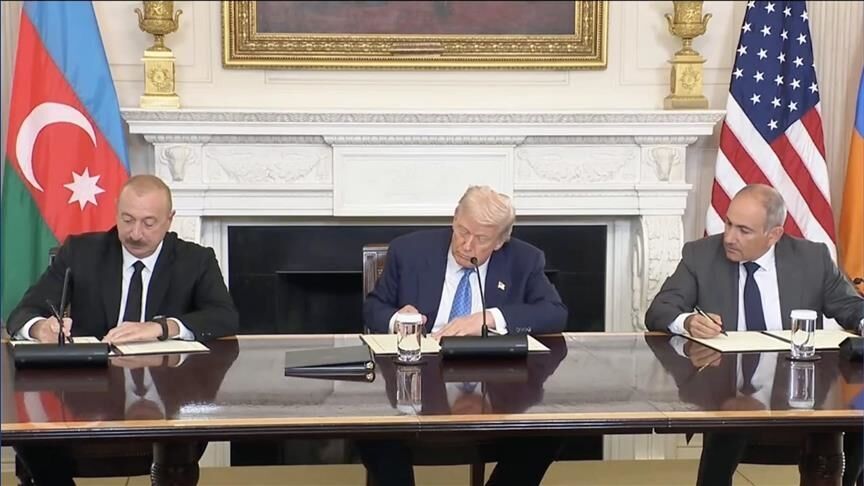
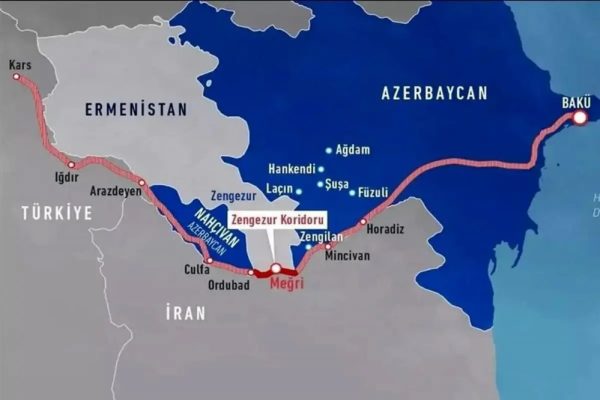
Trump has invited Azerbaijan’s Ilham Aliyev and Armenia’s Nikol Pashinyan to the White House under the guise of “peace talks.” The real agenda? A 99-year lease on the “Zangezur Corridor”—a deal that would:

✅ Give NATO/Turkey unrestricted military access 40km from Iran’s border
✅ Allow U.S. bases in Syunik Province (Russia’s last southern buffer)
✅ Cripple Iran’s land route to Hezbollah (via Armenia → Syria)

Image 1: NOURNEWS – The agreement between Armenia and Azerbaijan to establish the Zangezur Corridor under 99 years of U.S. management has opened new scenarios for Iran. This route could alter the geopolitical balance of the northwest, forcing Tehran to reconfigure its diplomatic, economic, and security strategies in the Caucasus.

This isn’t diplomacy—it’s colonization by contract. 

1. The “Deal” Breakdown: A Geopolitical Heist

Clause 1: “Commercial Transit” Lie

  • Officially: A “trade corridor” for Azeri oil/gas to reach Turkey/Israel.

  • Reality: Military infrastructure (like Syria’s  Al-Tanf “deconfliction zone”).

Clause 2: NATO’s 99-Year Lease

  • Mirrors China’s Hong Kong takeover (1898–1997) but for U.S. troops.

  • Pentagon Aim: “Zangezur is the new Diego Garcia—a unsinkable aircraft carrier aimed at Iran.”

Clause 3: Armenia’s Surrender

  • Pashinyan’s “neutrality” pledge = No Russian/CSTO troops allowed. (CSTO)

  • Precedent: 2023 Nagorno-Karabakh betrayal.

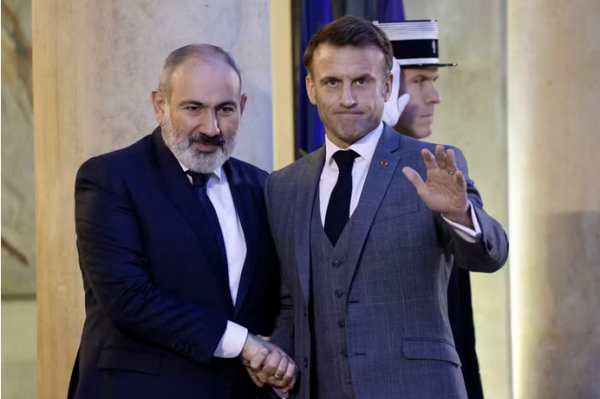
    Image 2: Emmanuel Macron greets Armenian Prime Minister Nikol Pashinyan at the Elysée Palace in Paris on November 9, 2023. LUDOVIC MARIN/AFP

    2. Why Iran and Russia Are Panicking

    For Iran:

    • Loses land supply lines to Russia, Europe and the free world on north.

    • U.S. drones could strike nuclear facilities from Zangezur in 8 minutes.

    For Russia:

    • Loses Southern Military District (Syunik borders Azerbaijan/Iran).

    • CSTO collapses as Armenia becomes NATO’s hostage.

    Putin’s Nightmare: A U.S. base in Syunik = Missiles within 500km of Volgograd.

    3. Historical Blueprint: How the U.S. Did This Before

    Trump’s Playbook: “Rent conflicts, don’t own them.” (Fusing business to presidency)

    4. The Global Fallout: Probable Scenarios vs. Potential Wildcards

    Confirmed Strategies (Based on Past U.S./NATO Playbooks)

    • “Lease” as Occupation: The U.S. has a documented history of using “commercial” or “humanitarian” deals to militarize territory (e.g., Guantanamo Bay, Al-Tanf). This is their MO.

    • Armenia’s Neutrality Trap: Forcing CSTO’s exit mirrors Ukraine’s 2014 “non-alignment” clause (which NATO later exploited).

    • Azerbaijan’s Provocations: Baku has already tested invasions (2020, 2023) with Turkish/Israeli backing. They’re primed to repeat it.

    Likely Scenarios (If the Deal Proceeds)

    1. NATO’s Silent Takeover:

      • U.S. “advisors” enter Syunik under “security contractor” cover (like Syria’s SDF).

      • Outcome: Armenia becomes a geopolitical hostage—too reliant on NATO to resist.

    2. Iran’s Countermoves:

      • Sabotage: Attacks on Azeri/Turkish oil infrastructure (like 2024 pipeline bombings).

      • Proxy War: Arms transfers to Armenian rebels (mirroring Yemen’s Houthis).

    3. Russia’s Limited Options:

      • Publicly: Condemns the deal but avoids direct intervention (distracted by Ukraine).

      • Covertly: Sells advanced missiles to Iran (S-400s) as a deterrent.

    Wildcards (Low Probability, High Impact)

    • Armenian Coup: Mass protests topple Pashinyan, voiding the deal.

    • Chinese Intervention: Beijing brokers a BRICS peacekeeping force to block NATO.

    • Trump’s Reversal: Abandons the plan if Turkey/Israel demand too many concessions.

    Key Uncertainty:
    *Will Russia/Iran respond weakly (like Syria 2016) or escalate (like Cuba 1962)?*

    5. How to Stop It

    • Armenian revolt: Mass protests against Pashinyan’s surrender.

    • ICC lawsuits: Challenge “leases” as illegal occupation.
    • The Anti-Sanctions Paradox

      BRICS (especially China/India) publicly condemn unilateral sanctions—yet face a hard choice if NATO militarizes Zangezur:

      Option 1: Symbolic Resistance (Likely)

      • Diplomatic protests at the UN (like South Africa’s Gaza genocide case).

      • Veto power unused: BRICS can’t block NATO actions, only delay.

      Option 2: Covert Economic Warfare

      • Shadow sanctions:

        • China limits rare earth exports to Turkish defense firms.

        • India “delays” Azeri oil payments (as it did with Iran in 2012).

      • No formal bans, just “bureaucratic hurdles.”

      Option 3: The Nuclear Option (Unlikely but Possible)

      • Russia/Iran recognize Armenian rebels as “legitimate resistance” (like Donetsk 2014).

      • BRICS+ votes to suspend Turkey/Azerbaijan from multilateral forums (e.g., SCO).

      Key Point: BRICS won’t mirror U.S. sanctions—but could weaponize global supply chains.


twitterlinkedininstagramflickrfoursquaremail
Posted on Leave a comment

240 Journalists Executed: Israel’s 2-Year Assault on Truth in Gaza

How the West’s Silence Proves Journalists Are Targets, Not ‘Collateral Damage’

The Hard Truth

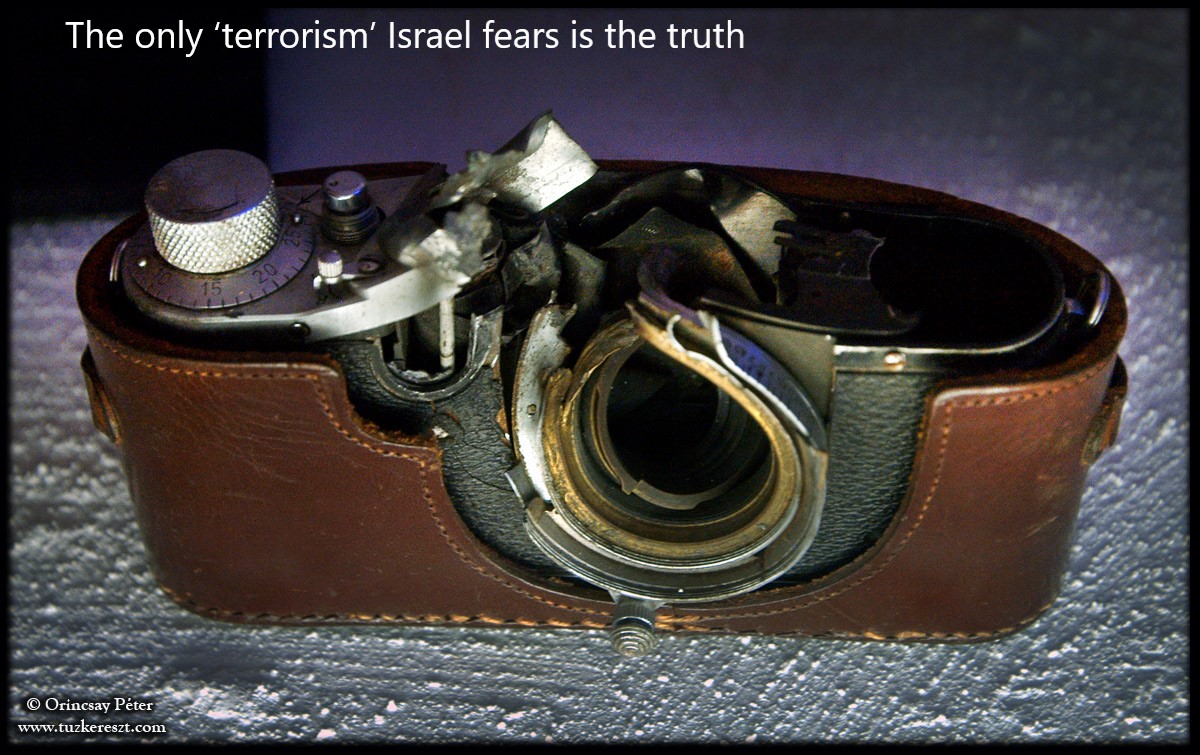
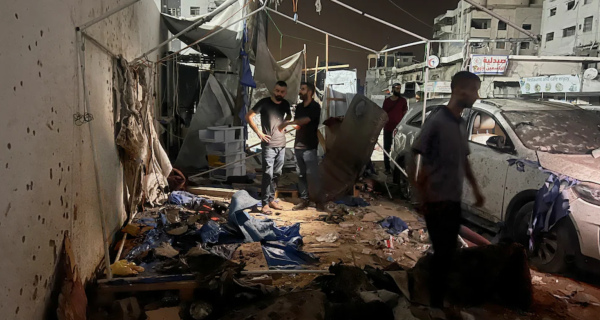
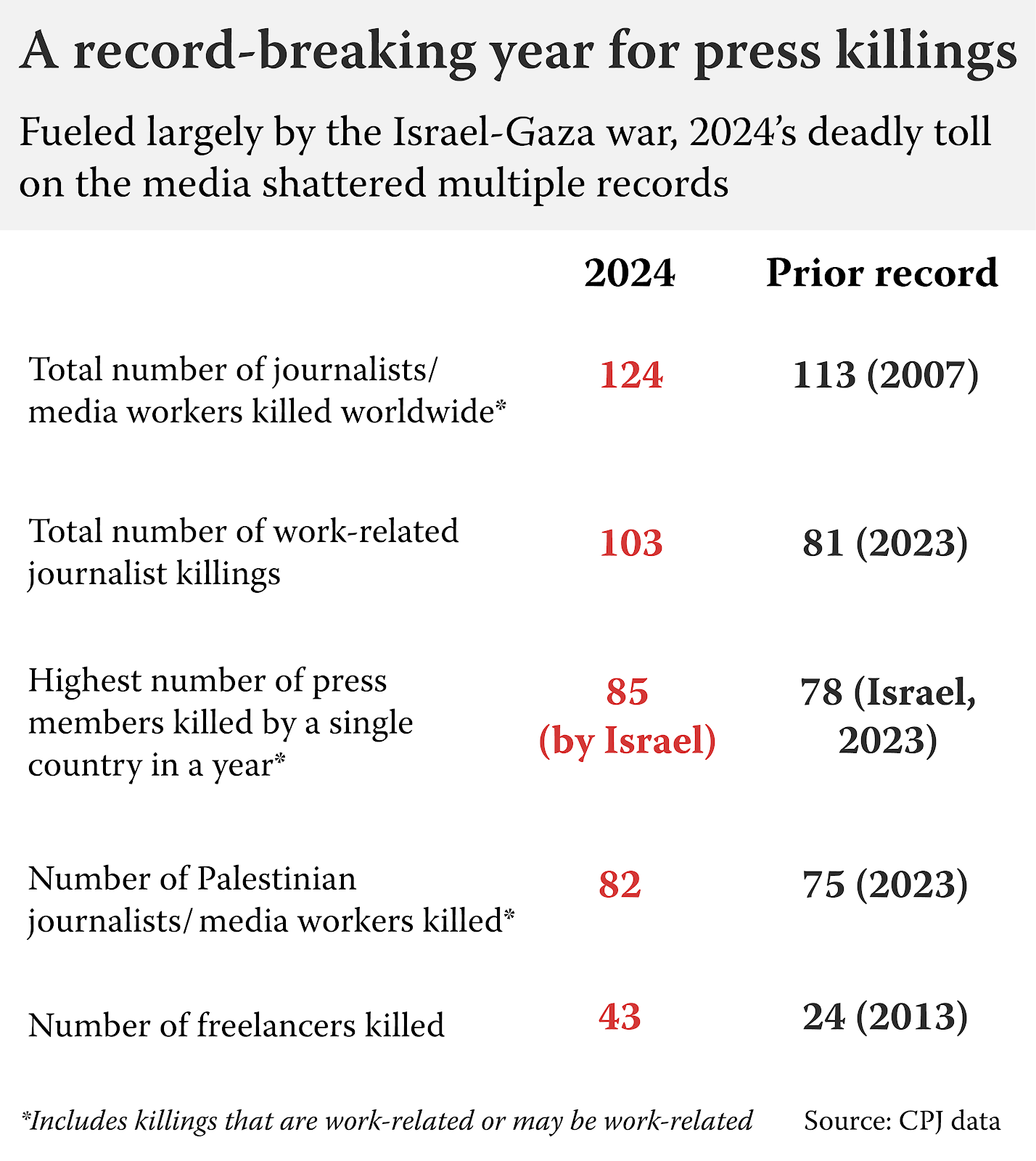
Over 240 journalists and media workers have been killed by Israeli forces in Gaza since 2022—one every 3 days for two straight years. The latest two were incinerated in their tents yesterday, their “PRESS” vests reduced to ash.

This isn’t “war.” It’s the deliberate silencing of witnesses to genocide.

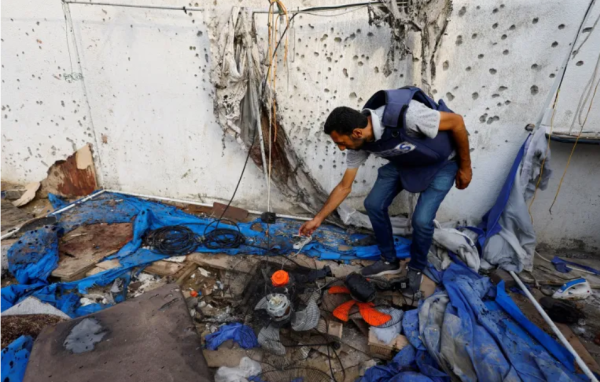
Image 1: That’s what is left from the Press tent. the journalist from Aljazeera Anas Al-Sharif was killed yesterday by Israeli military attack

1. The Killing Machine: By the Numbers

  • 240+ journalists murdered (CPJ) — more than every global conflict since WWII combined.

  • 93% Palestinian (Al Jazeera, AJ+, local reporters).

  • 42 killed while live-streaming (direct targeting).

  • 0 convictions by Israel. 0 UN resolutions (US Vetoes).


1,400 healthcare workers killed in Israel’s systematic attacks on Gaza’s health system


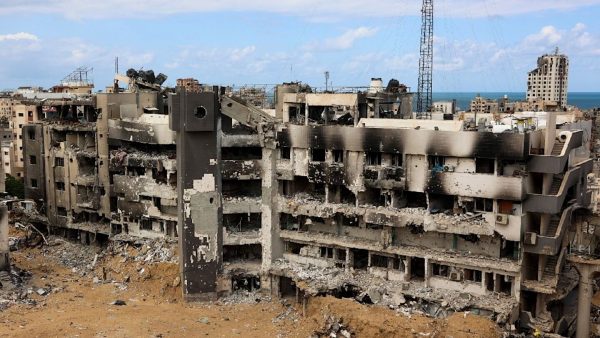
Image 2: Al-Shifa Hospital in Gaza City, the largest hospital in the Gaza Strip, attacked by the Israeli military in November 2023, and, again in March 2024, when it was almost completely destroyed. (Photo: Omar al-Qattaa).

2. Intentional Targeting: The Smoking Guns

Evidence Israel Hunts Journalists

✅ 2023 Leak: IDF memo orders troops to “prioritize strikes on media infrastructure” (Reuters).

https://www.reuters.com/world/middle-east/israeli-military-tightens-media-rules-over-war-crimes-prosecution-concern-2025-01-08/

✅ 2024 Forensic Report: 78% of killed journalists shot in head/chest (sniper patterns). https://forensic-architecture.org/investigation/the-extrajudicial-killing-of-shireen-abu-akleh-extended-report

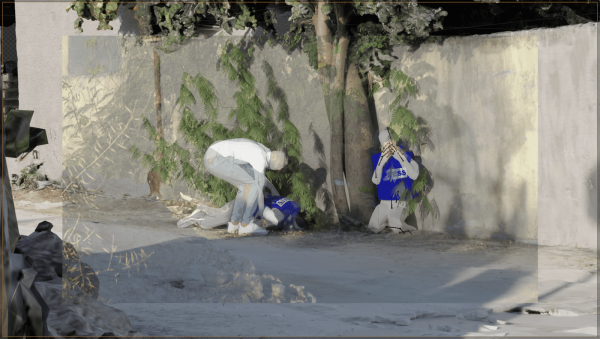
Image 3: killing of journalist Shireen Abu Akleh,, 2022

✅ 2022–2024: Repeated bombings of press offices (AP, Al Jazeera) and family homes of reporters. https://www.theguardian.com/world/2023/dec/21/israel-idf-accused-targeting-journalists-gaza

https://aje.io/v8v2ze

 Testimony from Surviving Journalist:
“They drone-striked our car after we filmed a mass grave. The message? ‘No evidence survives.’” https://forbiddenstories.org/en-journalists-drones-israeli-army-gaza/

3. Western Hypocrisy: Complicity in Real Time

Irony: The same governments that award Pulitzers for war reporting, fund the murder of Gaza’s truth-tellers.

4. From Victims to Perpetrators: Israel’s Nazi Parallels

  • 1940s: Zionists fled Hitler’s genocide, begged Palestinians for refuge.

  • 2020s: Israel bombs 80% of Gaza, starves millions, and systematically executes journalists.

Historical Mirror:

  • Nazi Germany: Burned books, banned free press.

  • Israel 2024: Burns press vests, murders reporters.

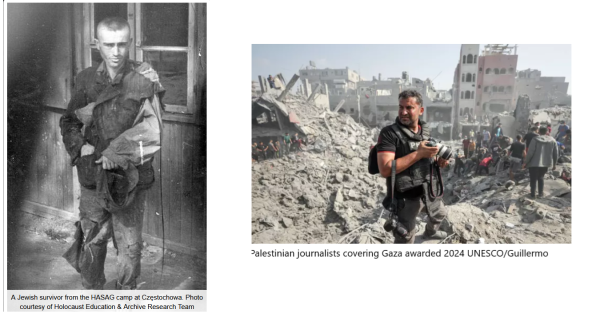
Image 5: 1945 Jewish ghetto survivor vs. 2024 Palestinian journalist in rubble

5. The Endgame: No Witnesses, No War Crimes

Israel knows: Dead journalists = No evidence for the ICC.

This isn’t chaos—it’s a cover-up. 

Image 6: Israel is occupying Gaza to clean up the crime scene

Call to Action

  1. Boycott Western media (BBC, CNN) complicit in silence.

  2. Flood the ICC with evidence (#ArrestNetanyahu).

  3. Share uncensored Palestinian journalists (@Motaz_Azaiza, @byplestia).

Image 6: Truth
twitterlinkedininstagramflickrfoursquaremail
Posted on Leave a comment

Moldova’s NATO Transformation: Europe’s Next Proxy War with Russia

EU arms flood in, defense budgets double, and Greece’s weapons factories gear up—as Moldova becomes NATO’s next Ukraine.

1. NATO’s Moldova Blueprint (2022-2030)

A. EU Militarization via the “European Peace Facility”

Image 1: European Union ambassadors will green-light the bloc’s biggest-ever lethal military aid package to Moldova, worth 20 million euros.

€60 Million Military Aid (2024):

    • Short-range air defense (to counter Russian drones) – “According to the proposal, seen by RFE/RL, some of the money will cover “eight short-range air-defense systems consisting of approximately eight launchers and approximately 24 missiles.”

    • Radar systems (surveillance of Transnistria)

    • French artillery + German armored vehicles (EU Commission Report)

  • 2030 Defense Strategy:

    • 1% GDP military spending (double 2023 levels)

    • Full NATO interoperability (joint drills, intel sharing)

B. U.S./NATO’s $1.5 Billion Arms Pipeline

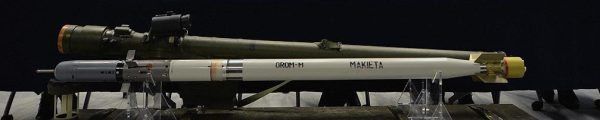
  • Polish Piorun air defense systems (used in Ukraine) Piorun Missile (A Polish man-portable air-defense system, designed to destroy low-flying aircraft, airplanes, helicopters and unmanned aerial vehicles.)

    Image 2: Polish Piorun
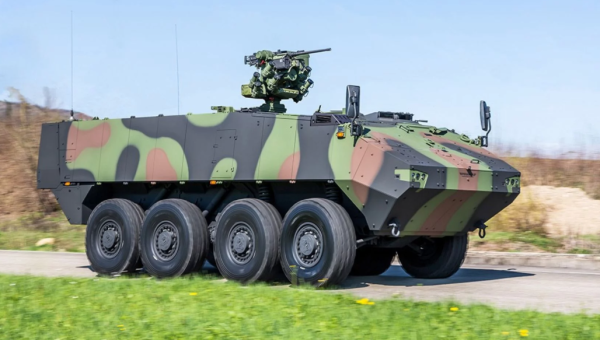
  • Pirana armored vehicles + sniper kits

    Image 3: PIRANHA 8×8 APC
  • 2025 Plan: 50% increase in lethal aid (Modern Diplomacy)

2. Greece: NATO’s Balkan Arms Depot

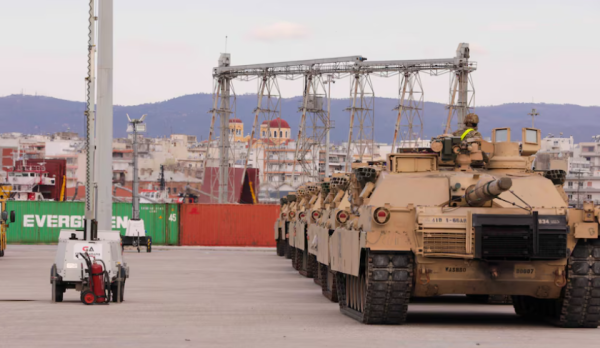
A. Alexandroupolis Port: The New Ramstein

  • Current Role: 80% of Ukraine-bound arms transit here.

    Image 4: Providing military assistance to Ukraine and to counter malign actors and exercise and operate in the Balkans and eastern Mediterranean and the Black Sea region – Says former US def. minster Austin
  • Future Role: Moldova supply hub via Bulgaria-Romania rail lines. Quote from:Central European TimesRomania could also buy Moldovan port from EBRD

    The planned expansion of Constanta, along with Romania’s possible acquisition of Moldova’s River Danube port Giurgiulesti from the European Bank for Reconstruction and Development (EBRD), shows Romania’s long-term ambition to establish itself as a primary logistics node for CEE.

    The infrastructure upgrades could also establish CEE as a low-cost manufacturing hub, attracting companies who are seeking out shorter and more secure supply chains.

    The EU is meanwhile interested in strengthening CEE’s logistics capabilities and securing alternative trade routes. The transformation of Constanta into a hub would reshape trade dynamics in CEE and potentially draw more nations into EU-aligned economic initiatives.”

B. Hellenic Defense Systems (HDS)

  • Controlled by CSG Holdings (major Ukraine war supplier).

  • Production Surge:

    • Mortars for Moldova

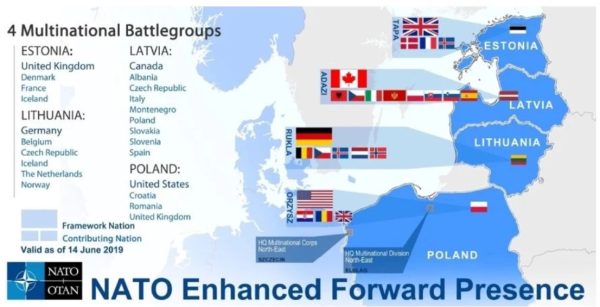
    • Image 5: NATO’s military presence in the east of the Alliance – https://www.nato.int/cps/en/natohq/topics_136388.htm

      Ammo for NATO’s eastern flank

      3. The Transnistria Endgame

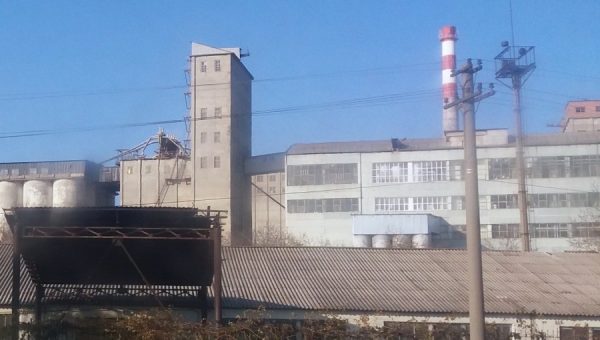
      Image 6: Industrial facilities have all been closed down in Transnistria since Gazprom cut off gas supplies. / bne IntelliNews
      A. Moldova’s Coming Offensive
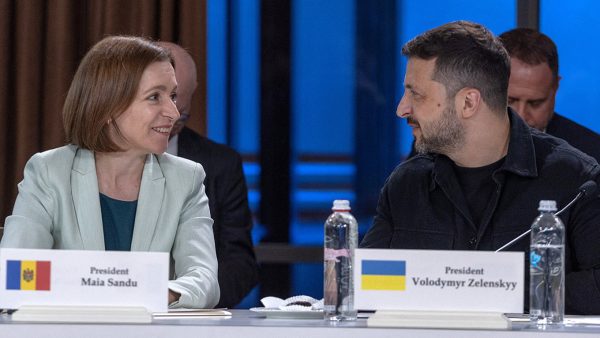
      • Sandu’s 2024 Plan: “Reintegrate” Transnistria via:

        • Economic blockade (cutting Russian subsidies)

        • Hybrid warfare (cyberattacks, protests)

      • Russian Response: 10,000 troops will not evacuate (Crimea 2014 precedent).

      B. NATO’s Red Line

      • Article 5 Trap: If Moldova attacks Transnistria and Russia retaliates, NATO could be dragged in.

        Image 7: Russia says: Moldova’s alignment with NATO would “spell the beginning of the end” for the country, and accused Sandu of allowing Moldova to be used by the alliance in its standoff with Russia
      • Greek Targets: Russian strikes on Alexandroupolis would trigger NATO-Russia war.

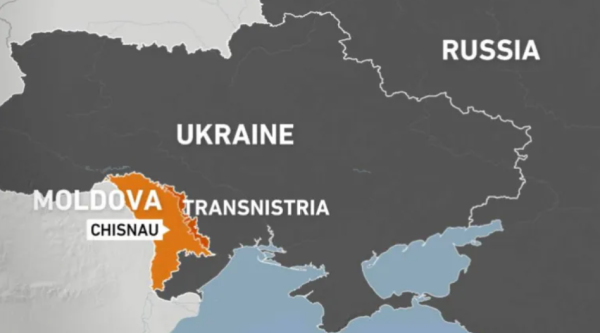
      Visual: Map of Transnistria chokehold on Ukraine’s Odessa.

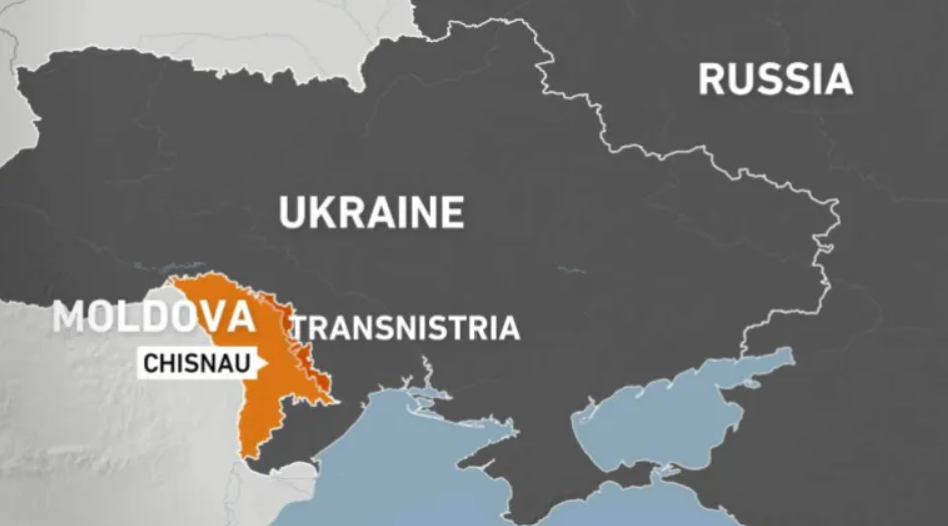
      Image 8: The tiny statelet of Transnistria is squeezed on all sides


      4. Global Implications

      A. BRICS Counter-Moves

      • Russia’s Warning: “Moldova will face ‘consequences’ like Ukraine.”

      • China’s Stance: Silent but monitoring NATO’s Balkan encirclement.

    • B. The Repeating Playbook

      1. Ukraine 2014: EU funds Maidan → War.

      2. Moldova 2024: EU arms Sandu → ?    “Moldova’s upcoming parliamentary elections, set for this September, are expected to be a defining moment for the country’s future — a choice between continuing on its path toward integration with the European Union or shifting back toward Moscow’s influence.”

This is Ukraine 2.0 in motion. Share everywhere. Demand:
  1. Halt EU arms to Moldova

  2. Expose NATO’s Greek arms factories

  3. Sanction CSG Holdings

Tag your MPs. #StopMoldovaWar

twitterlinkedininstagramflickrfoursquaremail
Posted on 2 Comments

India’s Nationalist Turn: Can the World’s ‘Largest Democracy’ Survive Its Divisions?”

  1. Introduction 

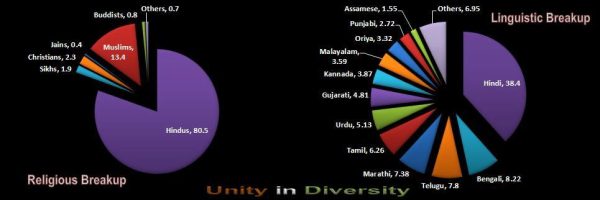
India, long celebrated as a tolerant ‘unity in diversity’ democracy, now faces existential questions. Under Narendra Modi’s Hindu nationalist BJP, religious violence has surged, institutions are politicized, and the world watches—uneasily—as a potential superpower fractures along old fault lines.

Image 1: India’s religious demographics(Wikimedia Commons)


  1. Modi’s Rise & Hindu Nationalism
  1. The Myth of Tolerance
  • Pre-Modi Era: Examples of Hindu-Muslim syncretism. Here is more detailed look at some examples: Let’s look at some more detailed at these examples:

1. Sikhism: Sikhism, founded by Guru Nanak, is a monotheistic religion that incorporates elements from both Hinduism and Islam. Sikhs believe in one formless God and follow the teachings of the ten Gurus, as enshrined in the Guru Granth Sahib, which includes hymns and prayers from both Hindu and Muslim saints. Sikhism also emphasizes social equality and rejects idol worship, reflecting both Hindu and Islamic influences. 

2. Din-i-Ilahi: Mughal Emperor Akbar’s attempt to create a syncretic religion, Din-i-Ilahi, aimed to unify his diverse empire. It drew upon Islamic Sufism, Hindu philosophies, and even some elements of Christianity and Zoroastrianism. However, it was more of a personal quest for Akbar and a philosophical approach to governance rather than a widely adopted religion. 
3. Cultural Syncretism in Bengal: In Bengal, the interaction between Hindu and Muslim communities over centuries led to a cultural fusion. This is evident in shared practices, folklore, and even architectural styles. Factors like religious tolerance of Muslim rulers, the influence of Sufism, and the sharing of a common nationality contributed to this syncretism. 
  • Today:
  • Quote: “My Sikh friend won’t wear his turban in Delhi anymore.” (Anonymous testimonial).
  • Bhupinder Virdi quotes:

    Hi paranjay, i am really happy to see that you are interested in knowing this.

    Firstly, a brief piece of knowledge i would like to share and ask you to follow is; Turban is tied never worn. So whenever u refer to turban say tied not worn. You might ask, why so? Because we wear a cap,hat or any other headgear. But, we sikhs believe that turban is not merely a headgear but a part of us, our body and its purity is what makes it special.
    Secondly, Paranjay we sikhs dont wear caps instead of turbans. We may wear it as an alternative because turban has to be of a certain size and its quite an energy absorbing task to keep it tied 24*7.

    Thirdly, wearing cap is just a matter of choice. Some dont wear it when not tying turban. Some wear “parna”( smaller version of turban). Or tie “patka”(usually kids tie it to avoid the weight of turban aged b/w 4–15 yrs).

    Thirdly, as mentioned because of its size during some tasks you cant tie turban. Lets say river rafting, now turban for sikhs is the most honourable identity that our guru gave us so it has to be respected and while rafting due to its rough nature you might end up falling in water and your turban floating in the river going away or getting torned and obviously becoming dirty. So we avoid wearing turban on such occasion.

    Now, wearing cap is more a fashion fad. To look cool. But believe me it doesn’t make you any less religious(for my sikh brothers who might object.) And not cool too.

    To sum up, its a matter of choice but its not neccessary to wear a cap when not tying turban.

    Thanks, Cheers!

    1. Geopolitical Paradox
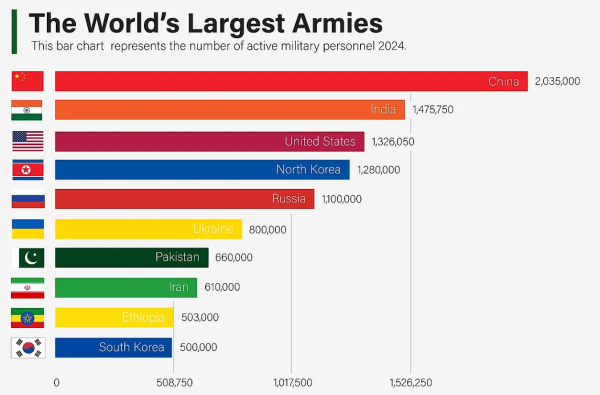
    • Military Power: World’s 2nd-largest military
      2nd largest military

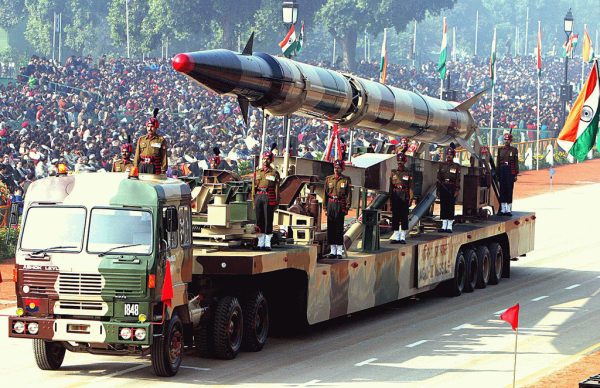
      ,  nuclear-armed

      India nuclear arsenal of 179 warheads

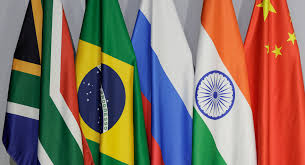
      , BRICS member.

      Brics member
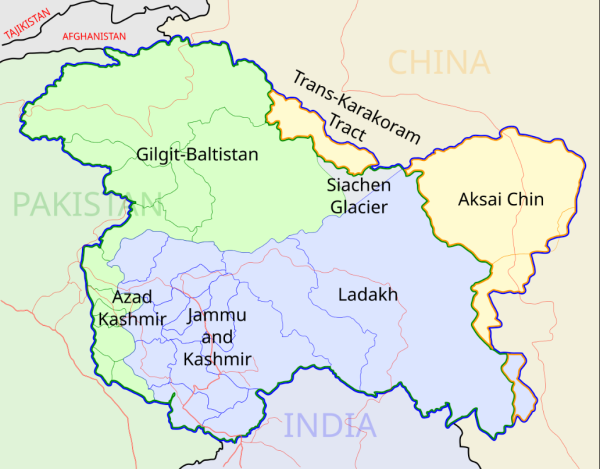
    • Pakistan Split:1947 Partition trauma  “India-Pakistan Patition“+ ongoing “Kashmir conflict“.

      Image 4: The disputed region, divided between India (blue), Pakistan (green), and China (yellow)
    • S. Courtship: Biden calls India a “critical partner” despite rights abuses.

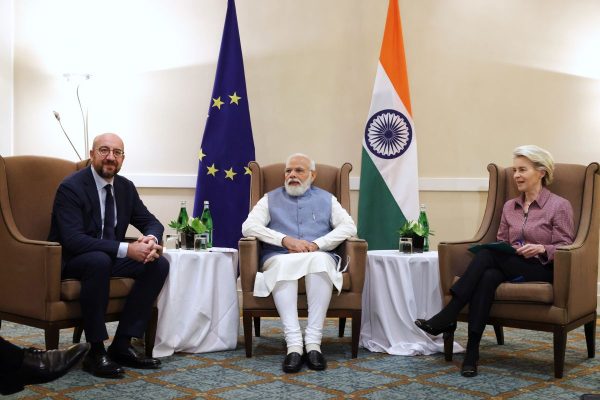
      Italy, Rome- October 29, 2021.G20 summit in Rome. .EU@G20 Summit 2021.President Michel and President Von der Leyen meet Prime Minister of India.From left to right: Charles Michel (President of the European Council), Narendra Modi (Prime Minister of India), Ursula Von del Leyen,Image: 640453080, License: Rights-managed, Restrictions: * France, Germany and Italy Rights Out *, Model Release: no, Credit line: Pignatelli/EUC / Zuma Press / Forum
    1. Conclusion (Call to Action)

    “India’s soul hangs in the balance. Will it return to pluralism, or become a Hindu supremacist state? The answer affects billions—and could destabilize Asia. Share this article. Tag Indian diplomats. #SaveIndianDemocracy


twitterlinkedininstagramflickrfoursquaremail
Posted on 4 Comments

The ‘Middle East’ is a Eurocentric Myth: It’s Time to Decolonize the Name

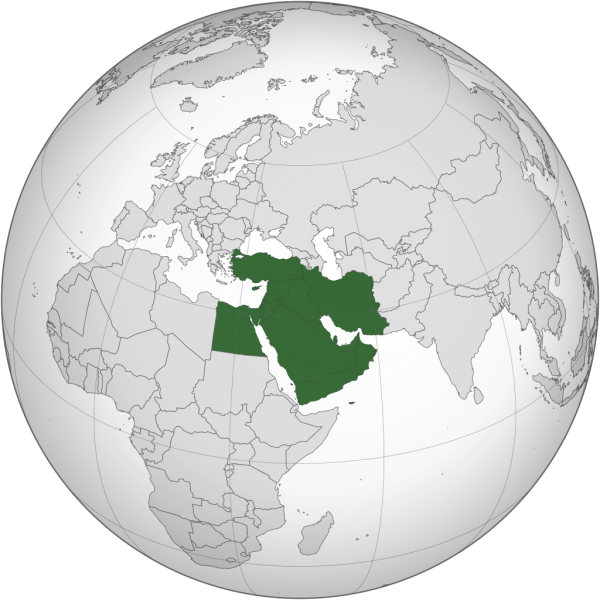
Why does a region spanning from Morocco to Iran get labeled the ‘Middle East’—who exactly is it ‘east’ of?

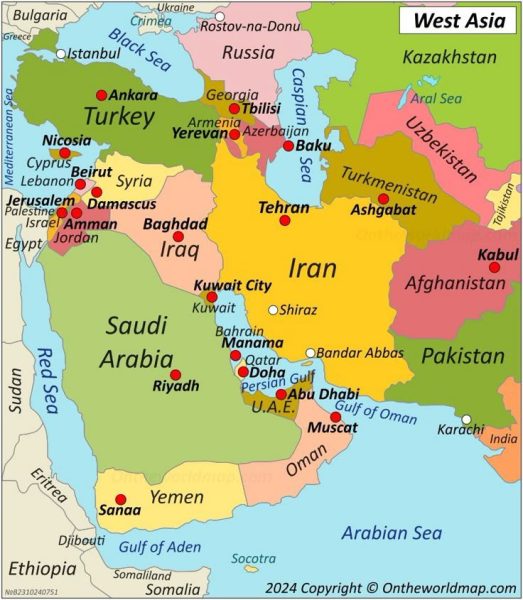
Here is a briefly explanation; The term “Middle East” is rooted in a Western, specifically European, perspective of the world, and perpetuates a Western-centric worldview by defining the region based on its location relative to Europe rather than its own distinct characteristics. This framing, developed during the colonial era, positions Europe as the central point from which other regions are defined and categorized. (Google search)

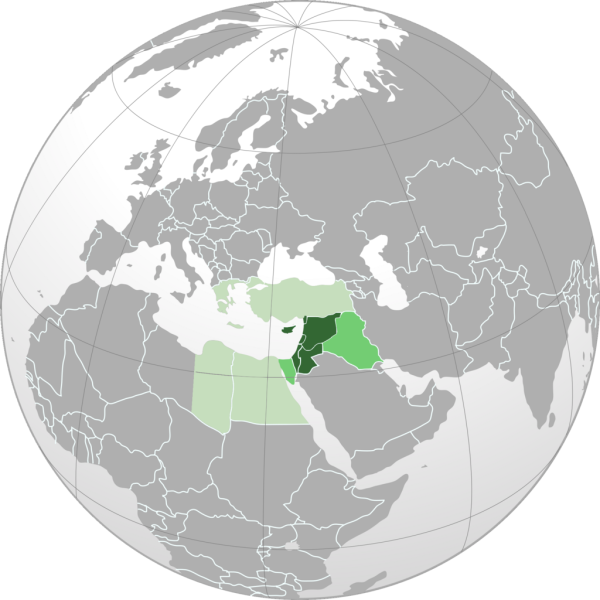
Image 1: Map of West Asia
image 2: Middle East


1. The Colonial Origins of “Middle East”

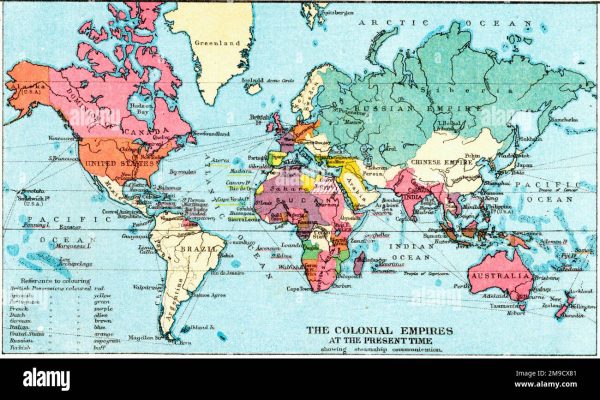
  • History: Coined by British imperialists in the 19th century (e.g., Alfred Mahan) to describe the area between “Near East” (Balkans) and “Far East” (Asia). Read British colonialism, Middle East

  • Problem: Framed from a London-centric perspective, ignoring local identities. E.g., How they removed Mossadegh from Iran

  • Quote:
    “The ‘Middle East’ exists only in relation to Europe—it’s time to call it by its own names.”

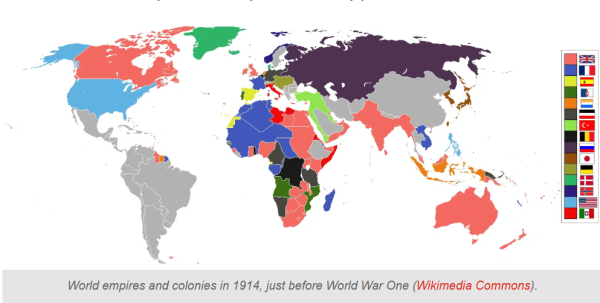
    Image 3: 19th-century British colonial maps

    2. Alternative Names & Their Meanings

    A. West Asia (Most Neutral)

    • Used by the UN, academic institutions, and many Asian countries.
    • Includes: Arab states, Iran, Turkey, Israel/Palestine.
    • Pros: Geographically accurate, avoids colonial baggage.
    • West Asia description by WikiLeaks

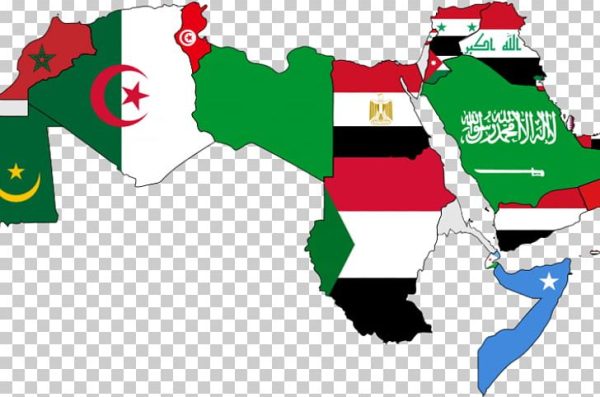
    B. The Arab World (For Arab-Majority Nations)

    Image 4: The Arab World West Asia World Map
    • The 22 countries of the Arab League (Morocco to Iraq).
    • Pros: Emphasizes linguistic/cultural unity.
    • Cons: Excludes non-Arab nations (Iran, Turkey, etc.).

    C. Mashriq (Historical & Cultural Term)

    • Arabic for “where the sun rises” (traditionally the Levant + Iraq).

      Image 5: The levant; source Wikipedia
    • Pros: Indigenous term, rich historical weight.

    D. Southwest Asia (Less Common but Accurate)

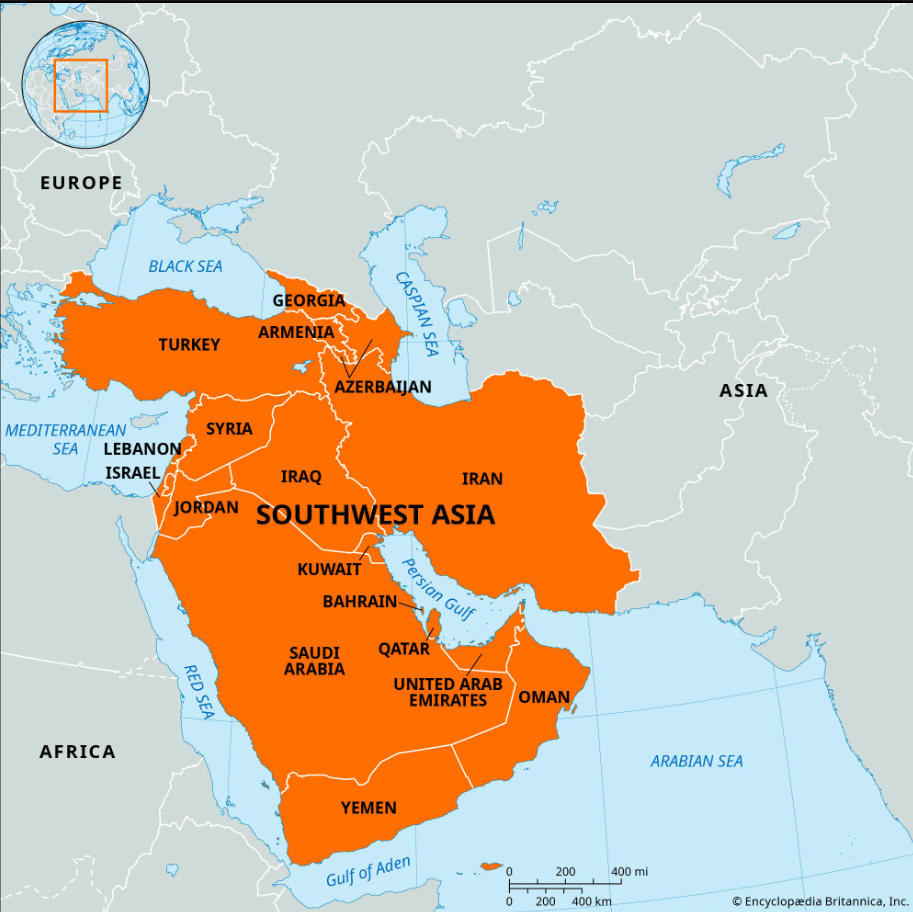
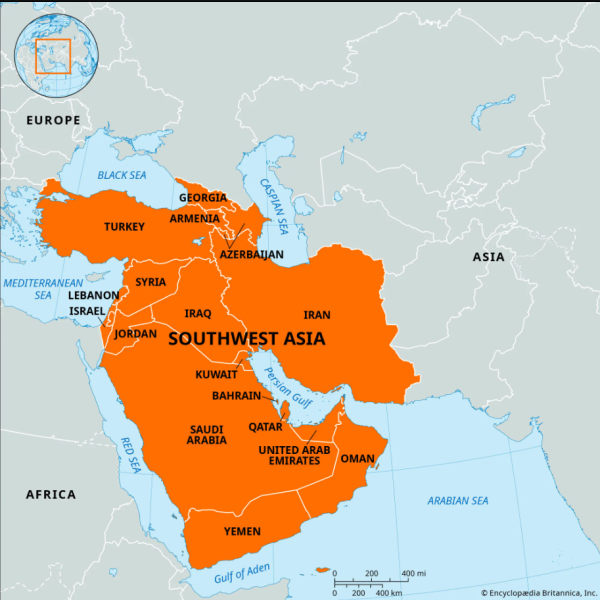
    • Used in some academic circles as an alternative to “Middle East.”

      Image 6: Southwest Asia, subregion of Asia, bounded on the west by the Mediterranean Sea, the Sinai Peninsula, and the Red Sea and on the south and southeast by the Indian Ocean and the Persian Gulf. The region reaches the Caspian Sea and the Black Sea to the north. Southwest Asia is often, but not always, coterminous with the Middle East; the latter is a more variable term that often includes parts of the African continent, while the term “Southwest Asia” is restricted to the continent of Asia(Britannica)

    3. Why Language Matters: The Politics of Naming

    4. Who Resists the Change—And Why?

    • Western Media/Academia: Habit, inertia, and subconscious imperialism.
    • Local Divisions: Some Arab nationalists prefer “Arab World(1),” while others advocate “West Asia.(2)”
      1. Arab World:

      This term is rooted in pan-Arabism, a nationalist ideology that emphasizes the cultural and political unity of all Arab people. It highlights shared language, history, and culture as unifying factors. The “Arab World” typically includes countries in North Africa and West Asia where Arabic is the dominant language. 

      2. West Asia:

      This term is a more geographically-focused label, often used in international relations and political analysis. It can be seen as a way to discuss the region without necessarily invoking the political and cultural connotations associated with “Arab World”. 

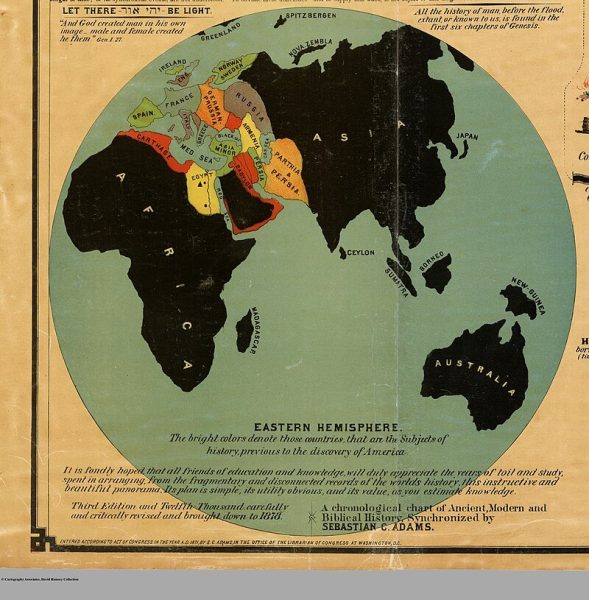
      Image 8: A map of the Eastern Hemisphere from Adams Synchronological Chart or Map of History. “The bright colors denote those countries that are the Subjects of history, previous to the discovery of America”. – Wikipedia

    5. The Way Forward: What Should We Call It?

    • For Geopolitical Accuracy: “West Asia” (includes all nations, neutral).
    • For Cultural Unity: “Arab World” (when referring to Arab-majority nations).
    • For Historical Context: “Mashriq” (for deeper cultural discussions).
    • Call to Action:
      “Next time you read ‘Middle East,’ ask: Who benefits from this outdated term?”

    Conclusion

    • Reiterate that decolonizing language is a small but crucial step in challenging imperial narratives.
    • End with a powerful question:
      “If we can’t even let a region name itself, how can we claim to respect its sovereignty?”

    Worlds Atlas with their own names

    Additional Resources (For Links)


twitterlinkedininstagramflickrfoursquaremail
Posted on Leave a comment

From Hitler’s Ghettos to Gaza’s Rubble: The West’s Silence on Zionist Genocide

  1. The Historical Parallel (Open with Shock)
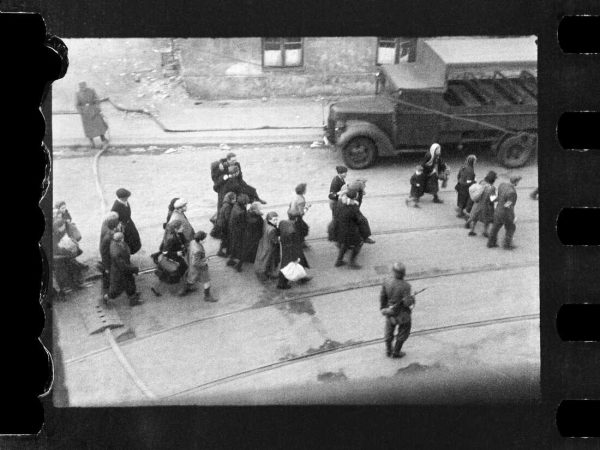
Image 1: Jewish people being evacuated from the Warsaw Ghetto(1943)
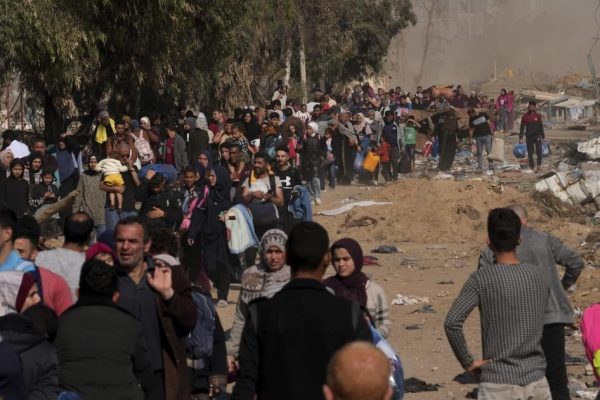
Image 2: Gaza evacuation(2024)
  • Quote:

“First they came for the Jews, and I did not speak out—because I was not a Jew. Then they came for the Palestinians—and the world had already learned nothing.”

  1. Gaza Today: Industrialized Genocide
  • Key Evidence:
  • Starvation Warfare: Israel blocking aid (UNRWA reports) (Suspending -UNRWA -Aid).
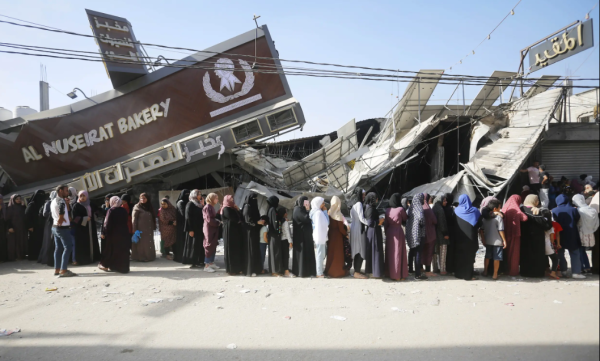
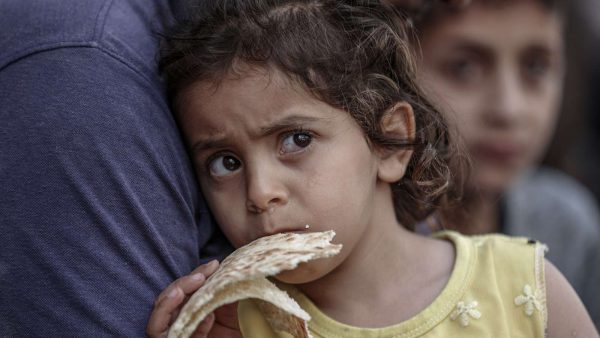
    image 3: People line up for bread at a partially collapsed but still operational bakehouse


shooting civilians at food lines (Killed-in-food-line)

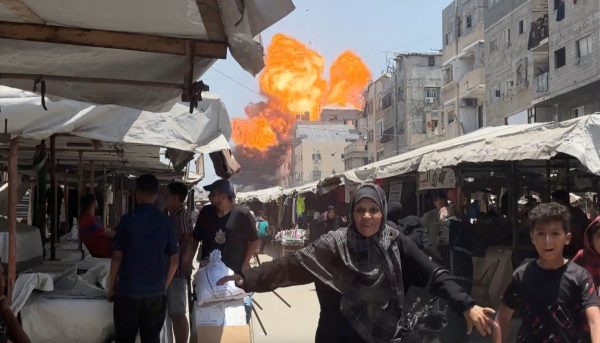
Image 4: Smoke and flames rise from a house hit by an Israeli strike in Gaza City, June 1, 2025, in this screengrab taken from a video. Reuters TV/via REUTERS TPX IMAGES OF THE DAY


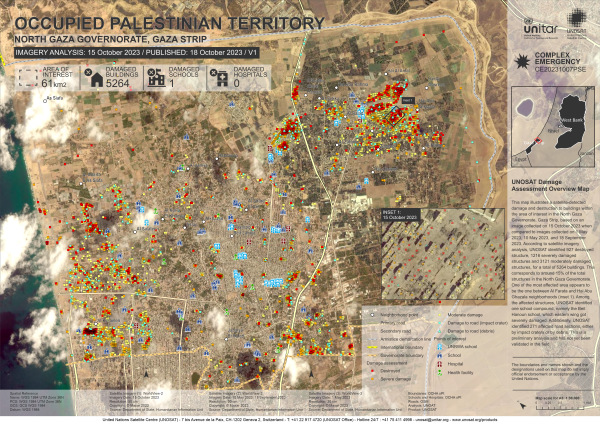
  • “Kill Zones”: 90% of buildings in N. Gaza destroyed (UNOSAT maps).
    Image 5: damage and destruction to buildings within the area of interest in the North Gaza Governorate


  • Mass Graves: Over 300 bodies found at Al-Shifa Hospital (Amnesty reports).
  1. The Arab Betrayal (Core of Your Anger)
  • Hypocrisy Exposed:
    • Oil Wealth:Saudi/UAE/Qatar spend ($500B) on FIFA/NEOM but $0 on Gaza airlifts.
      Image 6: She wouldn’t have the same destiny, if she was living in another Arab country!


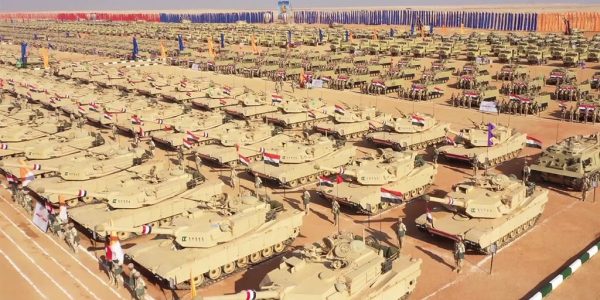
    • Military Cowardice: Egypt’s 1,000 tanks sit idle at Rafah while Israel bombs. (A huge deployment of tanks in Egypt)
      Image 7: Egiptians ‘Toys’


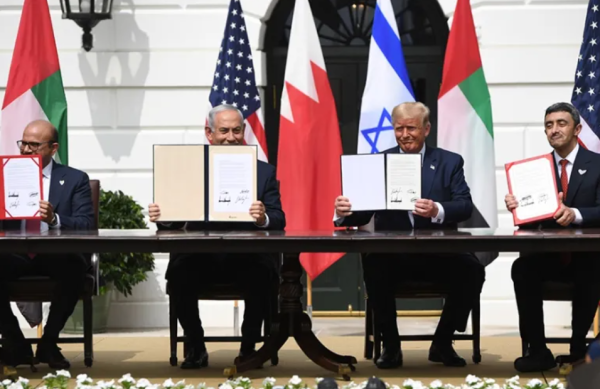
    • Normalization Deals:UAE/Bahrain signed peace with Israel during genocide.

      Image 8: Israel, UAE and Bahrain sign US-brokered normalisation deals


  • Graphic Idea:
    • “Arab Leaders’ Priorities”infographic:
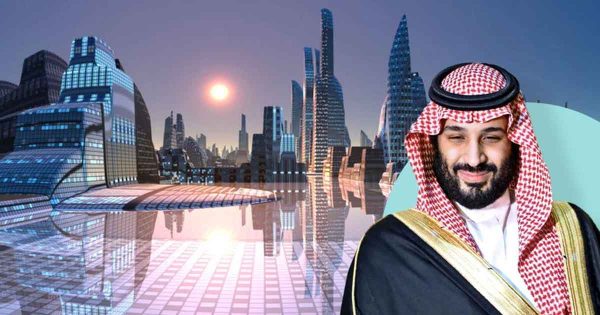
      • $220B– Saudi’s useless “The Line” city.

        Image 9: The city, 200 metres wide and running on “100% renewable energy,”
      • $0– Aid convoys to break Gaza siege.
  1. Why the Silence? Follow the Money
  • US Funding: Trump sends billion of dollars to Israel (while cutting food stamps at home).
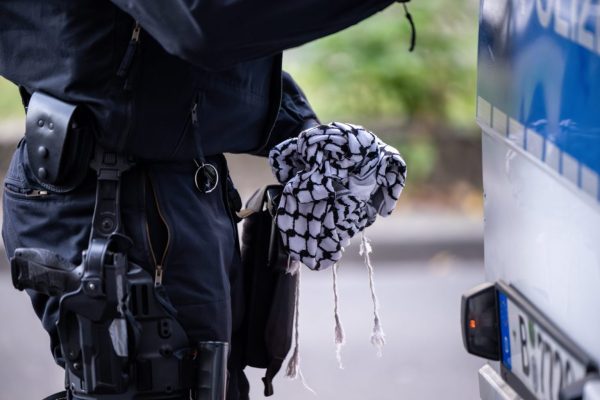
  • European Complicity: Germany arrests pro-Palestine protesters to “fight antisemitism.”
    Image 10: A police officer carries a Palestinian keffiyeh to a police car in Berlin’s Neukolln district. Sebastian Gollnow/picture alliance via Getty Images.


  1. Call to Action: Break the Conspiracy of Silence
  • Boycott List:
    • HP, Siemens, Caterpillar(Supplies IDF bulldozers).
    • McDonald’s/Starbucks(Funded Israeli troops).
  • Demand:
    • Sanctions on Israel(Like South Africa’s case at ICJ).
    • Cut ALL aid to Israel(Petition template link).
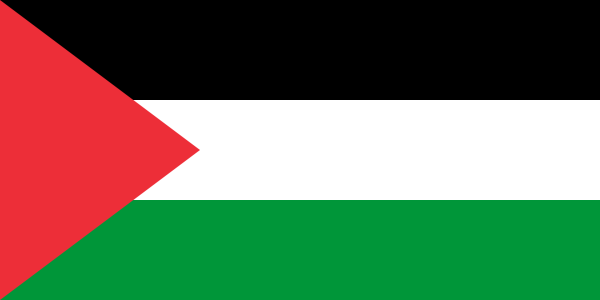
  • Final Photo:Palestinian flag with text: “The world failed Jews in 1945. It’s failing Palestinians today. What will YOU do?”
Image 11: The world failed Jews in 1945. It’s failing Palestinians today. What will YOU do?
twitterlinkedininstagramflickrfoursquaremail
Posted on Leave a comment

WhatsApp-metadata-spying-Israel-Iran-war

1. WhatsApp’s Encryption & Metadata Vulnerabilities

  • End-to-End Encryption (E2EE): WhatsApp claims messages are fully encrypted, meaning only sender and receiver can read them. However, as the Iranian article points out, metadata (who messaged whom, when, how often, etc.) is not encrypted and can be harvested.

  1. The Guardian (2017): WhatsApp backdoor allows snooping on encrypted messages

    Image 1: The design of Whatsapp trades off some security for usability, although experts say targeted, systematic surveillance would be very difficult. Photograph: Ritchie B Tongo/EPA
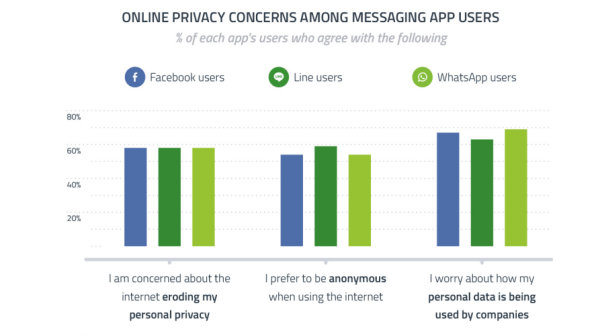
  2. Citizen Lab (2020): Report on how metadata exposes user networks even with E2EE. Network Security Issues

    Image 2: Users concerns using FB, Line and WhatsApp


  3. Edward Snowden’s Warnings: “Metadata is the most dangerous form of surveillance”

  • Backdoor Allegations: Researchers (like those from The Guardian in 2017) have accused WhatsApp of having vulnerabilities that could allow forced key changes, enabling third-party interception. While Meta denies this, intelligence agencies (including Israel’s Unit 8200) likely exploit such weaknesses.

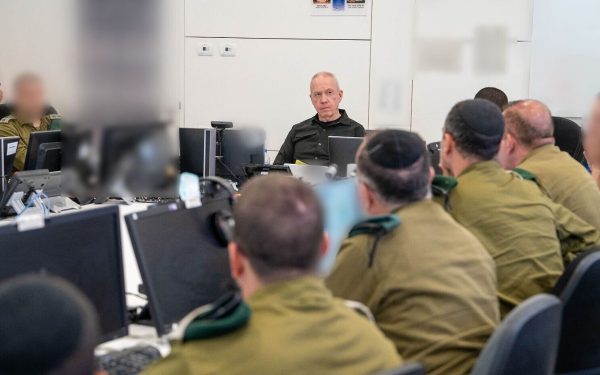
    Image 3: 8200 Unit is described “the nation’s equivalent of Harvard, Princeton and Yale
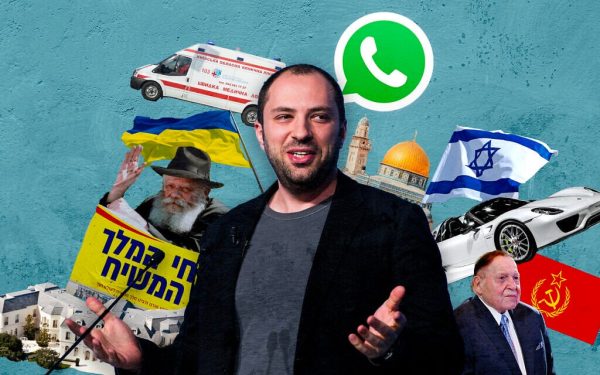
  • Israeli/Jewish Leadership Ties: WhatsApp’s co-founder, Jan Koum, is of Ukrainian-Jewish descent, and key engineers have ties to Israeli tech/military (e.g., Unit 8200 veterans). This fuels suspicions of bias in conflicts involving Israel.

    Image 4: Whatsapp founder Jan Koum has quietly donated tens of millions of dollars to Jewish organizations now involved in relief efforts in Eastern Europe.

    2. Evidence of WhatsApp Spying in Israel-Iran War

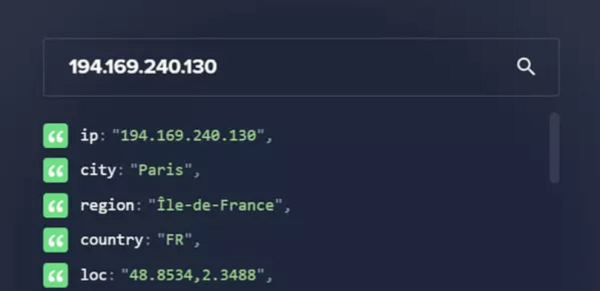
    • Location Tracking: Even without message content, IP addresses and metadata can reveal a user’s approximate location. If Israel (or allied agencies) accesses this, they could geolocate Iranian operatives. How It Works?

      Image 5: Locate the IP Address: In the command prompt, enter “netstat -an” and hit Enter. This command will display all the IP addresses connected to your computer. With other applications closed, the list will be much shorter, making it easier to identify your contact’s IP address


    • Past Cases: In 2019, Pegasus spyware (developed by Israeli firm NSO Group) was found targeting Iranian officials via WhatsApp vulnerabilities. Meta sued NSO, but the incident proved such exploits exist. Pegasus Spyware Targets

    • Iran’s Countermeasures: Iran has repeatedly blocked or restricted WhatsApp, claiming it’s a “Zionist espionage tool.” Some Iranian officials use local apps like Rubika or Signal (which is considered more secure). Iran urged it’s people to remove WhatsApp from their phone due to espionage

      3. Geopolitical Bias:

      – pro-Palestine posts suppressed (Human Right Watch)  

       – Pro-Israel narratives boosted  (global disinformation industry)

    4. WhatsApp in the Shadow War: Encryption Myth or Israeli Spy Tool?

    Key Points:

    1. Encryption vs. Reality: Does WhatsApp’s E2EE really protect users, or is metadata the weak link?

What’s encrytpted:

According to WhatsApp’s own FAQ on encryption source, here’s what is covered by E2EE:

  • Text messages
  • Photos and videos
  • Voice messages
  • Calls
  • Status updates
  • Location sharing
  • Documents

What’s Not Encrypted:

  • Most users assume “end-to-end encrypted” means all activity on the app is secure. But that’s far from the case. The following data is not encrypted:1. Metadata
    • Who you messaged
    • When the message was sent
    • How frequently you communicate
    • Device information and IP address
    • Your phone number
    • The recipient’s phone number
    1. Israeli Connections: How WhatsApp’s leadership ties to Israel raise suspicions in conflicts. Israel  remains the only actor who is able to hack WhatsApp!

      Image 6: It would take huge computing power and advanced knowledge, which even most government agencies don’t have
    2. Case Studies: Pegasus, Iran’s bans, and evidence of geolocation tracking. Track someone’s geolocation via WhatsApp

    3. Alternatives: Why some activists now prefer Signal, Session, or Briar for true privacy. The best private messaging apps:

      Conclusion: What Can You Do?

      WhatsApp’s encryption may shield your words, but its metadata loopholes and geopolitical ties make it a risky tool—especially in conflict zones. If even Iran’s government fears Zionist surveillance through Meta’s apps, should ordinary users trust it blindly?

      Your Next Steps:

      1. Switch to Secure Alternatives:

        • Signal (gold standard for encryption, no metadata collection).

        • Session (anonymous, no phone number needed).

        • Briar (peer-to-peer, works offline, resists censorship).

      2. Demand Transparency:

        • Pressure Meta to release audits of WhatsApp’s backends (#ShowUsTheCode).

        • Support laws like the EU’s Digital Services Act forcing Big Tech to disclose spyware collaborations.

      3. Spread Awareness:

        • Share this article with #WhatsAppSpying.

        • Discuss digital rights in your community—surveillance tools evolve, but so does resistance.

      Final Thought:
      “In the shadow war between nations, your phone is the battlefield. Choose your weapons wisely.”

twitterlinkedininstagramflickrfoursquaremail
Posted on 3 Comments

IMF: 80 Years of Economic Slavery—And Its Coming Collapse ( Part 2)

1. Birth of a Loan Shark (1944-1971)

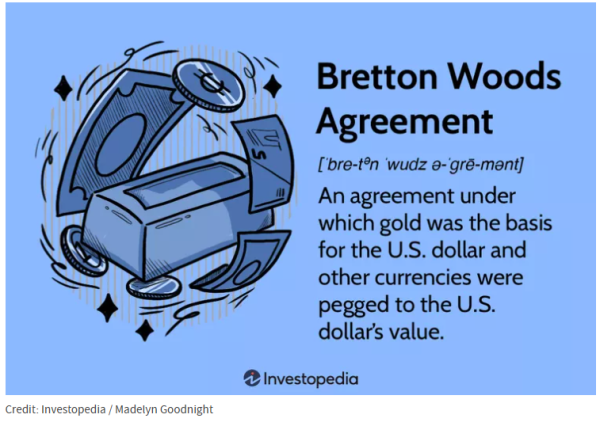
  • Bretton Woods Plot: Created by US/UK to enforce dollar dominance. (The Bretton Woods system required countries to guarantee convertibility of their currencies into U.S. dollars to within 1% of fixed parity rates, with the dollar convertible to gold bullion for foreign governments and central banks at US$35 per troy ounce of fine gold (or 0.88867 gram fine gold per dollar). It also envisioned greater cooperation among countries in order to prevent future competitive devaluations, and thus established the International Monetary Fund (IMF) to monitor exchange rates and lend reserve currencies to countries with balance of payments deficits-Wikipedia)

    Image 1: The Bretton Woods agreement established a new international monetary system in 1944, with gold as the basis for the U.S. dollar and fixed exchange rates.


  • Original Sin: Loans tied to gold-backed dollars (until Nixon killed the gold standard in 1971). https://www.federalreservehistory.org/essays/gold-convertibility-ends

  • Early Victims:

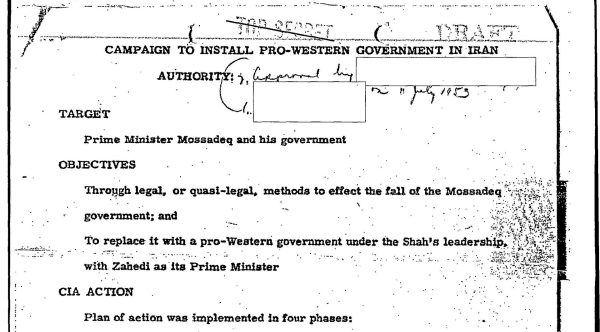
    • 1953 Iran: IMF backed UK/US coup after Mossadegh nationalized oil. ( The 1953 Iranian coup d’état, known in Iran as the 28 Mordad coup d’état (Persianکودتای ۲۸ مرداد), was the overthrow of Prime Minister Mohammad Mosaddegh on 19 August 1953. It was orchestrated by the United States (CIA) and the United Kingdom (MI6). A key motive was to protect British oil interests in Iran after Mossadegh nationalized and refused to concede to western oil demands. It was instigated by the United States (under the name TP-AJAX Project or Operation Ajax) and the United Kingdom (under the name Operation Boot)-Source: Wikipedia)

      Image 2: Confirmation for execution of Operation Ajax
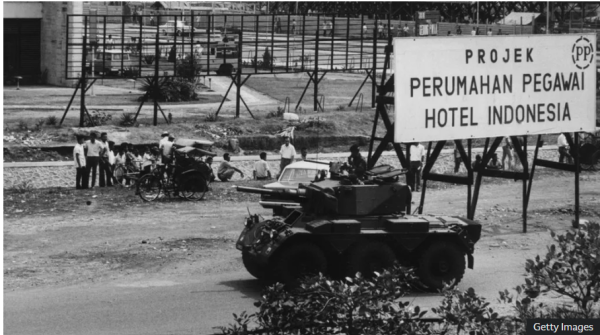
    • 1965 Indonesia: IMF supported Suharto’s massacre of communists for corporate access. ( Large-scale killings and civil unrest primarily targeting members and supposed sympathizers of the Communist Party of Indonesia (PKI) were carried out in Indonesia from 1965 to 1966. Other affected groups included alleged communist sympathisers, Gerwani women, trade unionists,[15] ethnic Javanese Abangan,[2] ethnic Chineseatheists, so-called “unbelievers“, and alleged leftists in general. According to the most widely published estimates at least 500,000 to 1 million people were killed, with some estimates going as high as 2 to 3 million-Source Wikipedia)

      Image 3: The events of 1965-66 have been taboo for over 50 years in Indonesia


2. The Debt Trap Era (1971-2000)

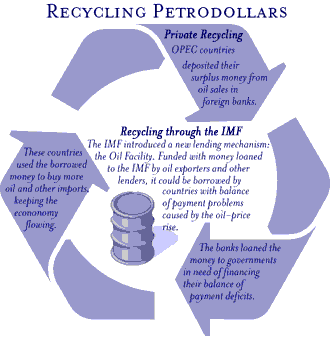
  • Oil Crisis Weaponized: Petrodollars recycled into IMF loans for Global South.https://www.imf.org/en/News/Articles/2015/09/28/04/53/sp032306a

    Image 4: Recycling Petrodollars
  • Structural Adjustment: Template to loot nations:

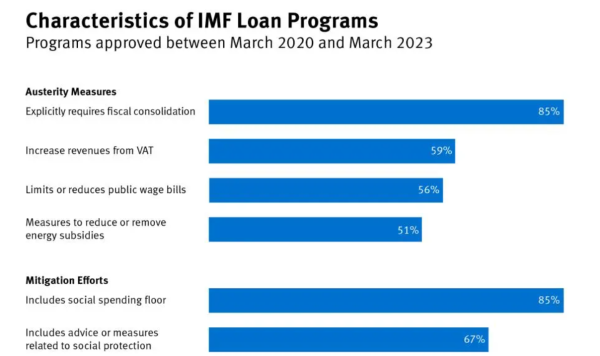
    1. Cut social spending (hospitals, schools). https://roape.net/2025/01/08/debt-and-austerity-the-imfs-legacy-of-structural-violence-in-the-global-south/

      Image 5: programs include structural benchmarks or general advice to lower the public wage bill, generally through freezing hires and capping or lowering salaries
    2. Privatize resources (water, mines, electricity).https://www.iatp.org/sites/default/files/IMF_Forces_Water_Privatization_on_Poor_Countri.htm

      Country IMF Program Loan Condition Summary of Policy
      ANGOLA Staff-monitored program Structural benchmark: Adjust electricity and water tariffs in accordance with formulas agreed with the World Bank. Reduce accounts receivables of the water and electricity companies to one month of sales revenue Adjust water tariffs periodically to recover costs, including a reasonable return on capital.
      BENIN Poverty Reduction and Growth Facility (PRGF) Other measure: After the revision of regulatory framework, the government expects to complete the privatization before the end of the third quarter of 2001 Privatize the water and electric power distribution company (SBEE)
      GUINEA-BISSAU Emergency Post-Conflict policy Structural benchmark: Transfer of electricity and water management to private company Transfer of electricity and water management to private company
      HONDURAS Poverty Reduction and Growth Facility (PRGF) Other measure: Approve framework law for the water and sewage sector by December 2000 To facilitate private concessions in the provision of water and sewage services, approve the framework law by December 2000.
      NICARAGUA Poverty Reduction and Growth Facility (PRGF) Structural benchmark: Continue adjusting water and sewage tariffs by 1.5% a month. Offer concession for private management of regional water and sewage subsystems in Leon, Chinandega, Matagalpa, and Jinotega. Adjust water and sewage tariffs to achieve cost recovery and offer concession for private management in key regions.
      NIGER Poverty Reduction and Growth Facility (PRGF) Other measure: Divestment of key public enterprises, including the water company, SNE. Privatization of the four largest government enterprises (water, telecommunication, electricity & petroleum) have been agreed with the World Bank with the proceeds going directly to pay Niger’s debt.
      PANAMA Stand-By Arrangement Structural benchmark: Complete plan to overhaul IDAAN’s (state-owned water company) billing and accounting systems, allow to contract with private sector operators, determine need for tariff increase and possible rate differentiation among clients. Overhaul the water company’s billing and accounting systems, allow it to contract with private sector operators, review the tariff structure.
      RWANDA Poverty Reduction and Growth Facility (PRGF) Structural benchmark: Put the water and electricity company (Electrogaz) under private management by June 2001. The water and electricity company (Electrogaz) will be put under private management as a prelude to its privatization.
      SAO TOME AND PRINCIPE Poverty Reduction and Growth Facility (PRGF) Structural benchmark: The new adjustment mechanism for public water and electricity rates will be brought into operation by decree. The price structure will cover all production and distribution costs as well as the margin of the water and electricity company. The accounts will balance consumption and resources without recourse to government subsidies. In May 2000, the government conducted a study of alternatives for the future of the water and electricity company (restructuring, leasing, concession or full privatization), with assistance from the World Bank. By December 2000, it will select one of the options and adopt a financial restructuring plan, and strengthen the revenue collection procedures.
      SENEGAL Poverty Reduction and Growth Facility (PRGF) Other measure: Regulatory agency for the urban water sector will be created by end-2000. Transfer the recurrent costs of water pumping and distribution equipment to the communities. Increase the involvement of private sector operators. Encourage the involvement of private sector operators in the water sector. Assess the possibility of private sector operation and financing of the infrastructure required to meet Dakar’s long-term water needs.
      TANZANIA Poverty Reduction and Growth Facility (PRGF) Condition for HIPC debt relief: Assign the assets of Dar es Salaam Water and Sewage Authority (DAWASA) to private management companies. Assign the assets of Dar es Salaam Water and Sewage Authority (DAWASA) to private management companies.
      YEMEN Poverty Reduction and Growth Facility (PRGF) Structural benchmark: Implement adjustments in water, wastewater, and electricity tariffs to provide for full cost recovery. Implement formulas for automatic adjustments in tariff rates to ensure full pass through of product prices and full cost recovery; establish regional water authorities with private sector participation and independence to set regional tariff structures.
  • TABLE I: Countries with IMF-imposed water privatization and cost recovery policies(Source: Letters of Intent and Memoranda of Economic and Financial Policies prepared by government authorities with the staffs of the International Monetary Fund and World Bank. The documents are made available at the IMF website: www.imf.org.)
    1. Devalue currency → hyperinflation → riots. (Exsample: https://www.theguardian.com/world/2016/nov/03/egypt-devalues-currency-meet-imf-demands-loan)
  • Body Count:

3. Modern Colonialism (2000-2024)

4. BRICS: The Executioner

  • New Development Bank:

    • No austerity clauses.

    • Local currencies accepted.

https://www.linkedin.com/pulse/brics-new-development-bank-ndb-vs-bretton-woods-imf-david-vichet-uvpof

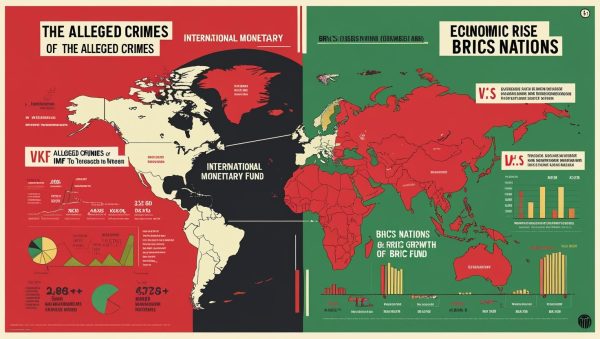
Image 8: IMF crimes vs. BRICS rise
twitterlinkedininstagramflickrfoursquaremail