Posted on Leave a comment

A Nation Sacrificed: How Sudan Became a Graveyard of Hope and Geopolitical Games

A Nation Sacrificed: How Sudan Became a Graveyard of Hope and Geopolitical Games

Sudan, a land rich in gold and oil, is dying. Caught in the grip of a catastrophic civil war, the nation is paralyzed. The clash between the Sudanese Armed Forces (SAF) and the Rapid Support Forces (RSF) has displaced millions, turned cities into graveyards, and unleashed one of the world’s most severe humanitarian crises. This is not merely a conflict; it is the systematic unraveling of a nation.
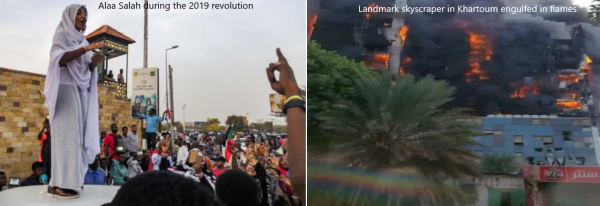
In 2019, a revolution swept Sudan. Its symbol was Alaa Salah, a woman in a white dress standing on a car, leading chants of “Thawra!” (Revolution). Her image became a global icon of hope. But critics now see it as a symbol of a movement strong on emotion but fatally weak on strategy—a cry of anger with no clear road map for what came next.

Prologue: The Roots of a Monster

For three decades, Omar al-Bashir ruled Sudan with an iron fist. His regime was built on violence, most infamously in Darfur. There, in the early 2000s, he unleashed the Janjaweed—nomadic militias known for burning villages and mass killings—to crush dissent. This campaign of terror left hundreds of thousands dead.

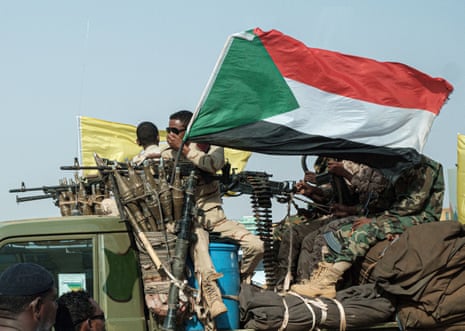
In 2013, al-Bashir formalized these militias into the Rapid Support Forces (RSF), under the command of Mohamed “Hemedti” Hamdan Dagalo. Meanwhile, the traditional army, the SAF, remained under General Abdel Fattah al-Burhan. The two forces existed in a tense alliance, a powder keg waiting for a spark.
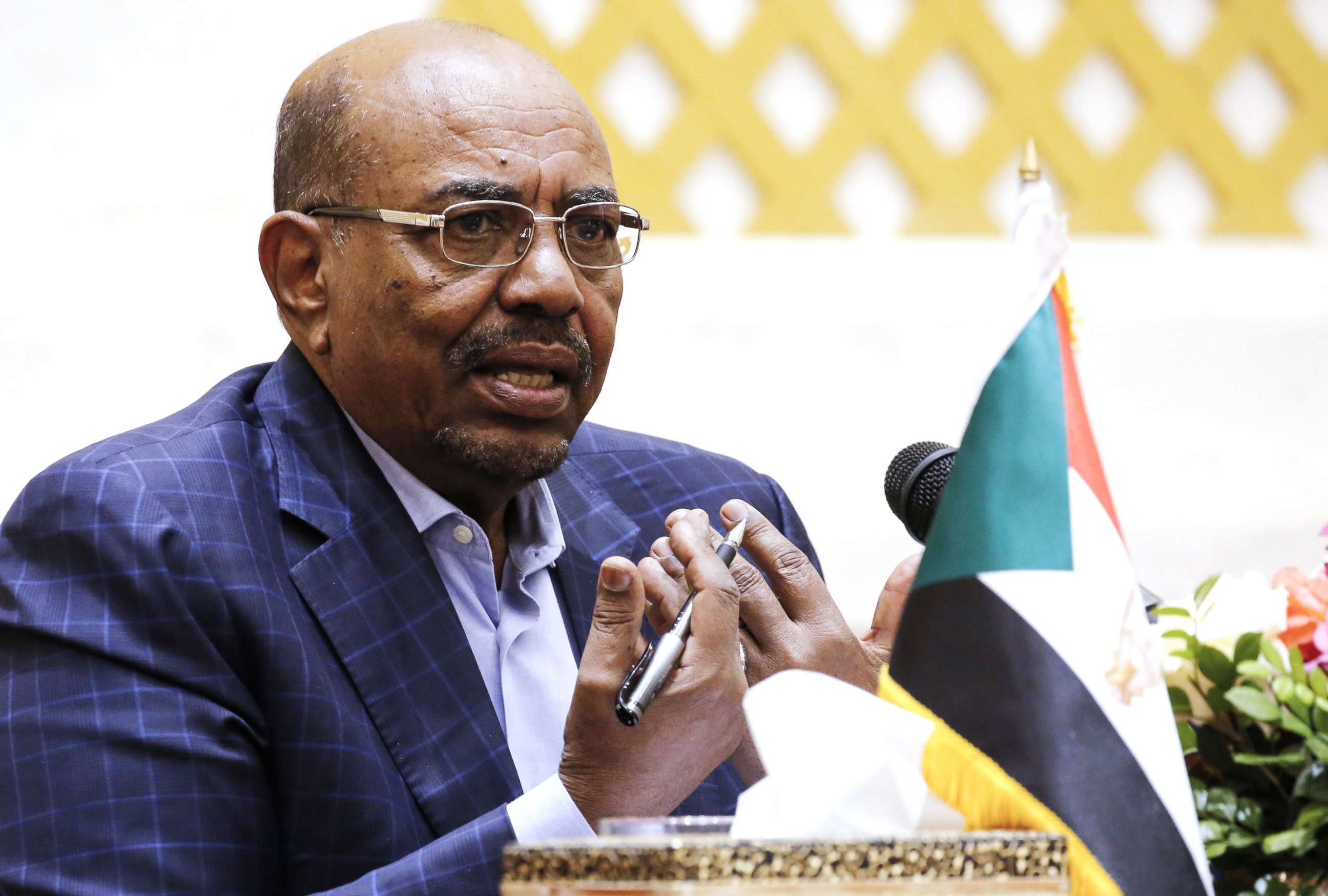
Sudan military ousts President Omar al-Bashir, takes over - ABC News
Omar al-Bashir

Act I: The Revolution of Good Intentions, The Coup of Cold Reality


In 2019, a revolution swept Sudan. Its symbol was Alaa Salah, a woman in a white dress standing on a car, leading chants of “Thawra!” (Revolution). Her image became a global icon of hope. But critics now see it as a symbol of a movement strong on emotion but fatally weak on strategy—a cry of anger with no clear road map for what came next.

The revolution succeeded in ousting al-Bashir, but it created a dangerous power vacuum. A fragile civilian-military government was formed, only to be shattered in 2021 by a coup led by General al-Burhan. The facade of unity between the army and the RSF crumbled. The core dispute was simple: the army wanted to absorb the RSF, and Hemedti, enriched by gold mines and commanding a powerful private army, refused. The stage was set for war.
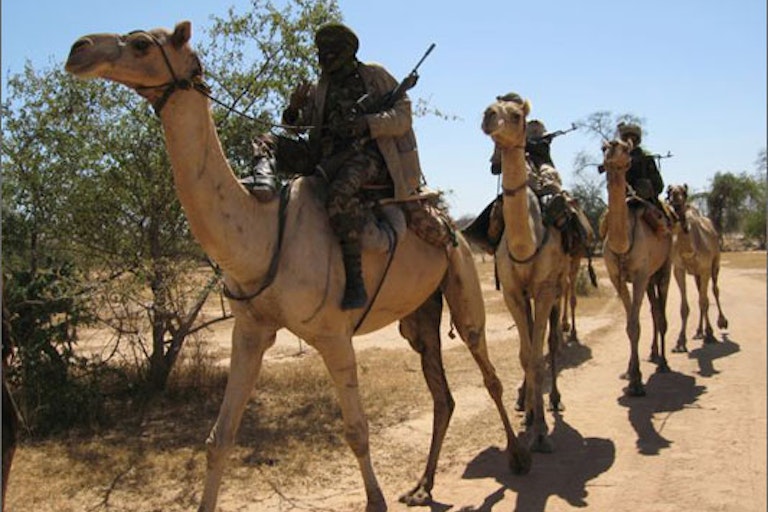
Explainer: tracing the history of Sudan's Janjaweed militia
Janjaweed militias in Darfur

Act II: The Descent into Hell


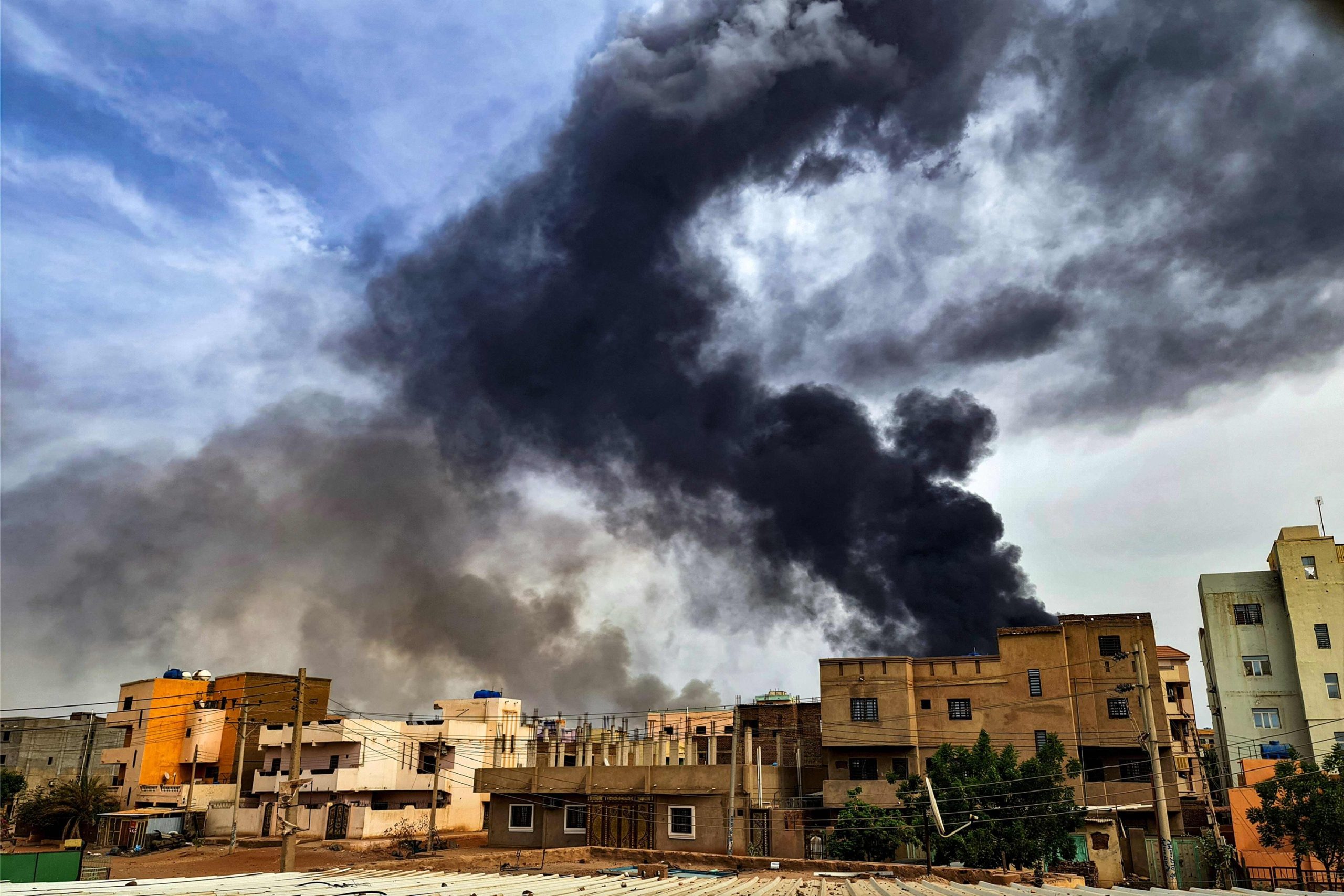
In April 2023, the battle for Sudan erupted in the heart of Khartoum. The streets, once full of life, became killing fields. Schools and hospitals were destroyed. Millions fled with nothing, their homes reduced to rubble.

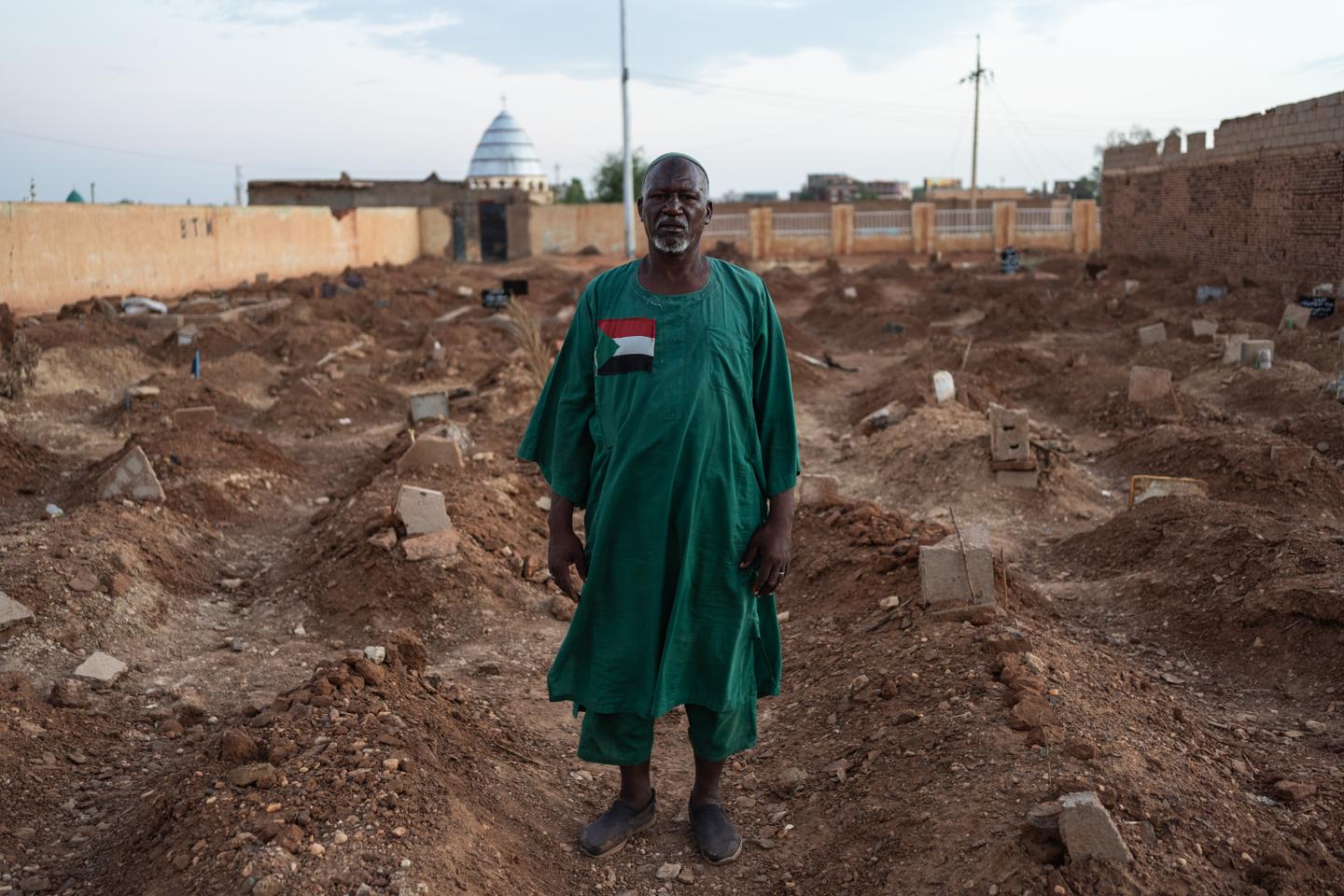
The war then returned to its birthplace: Darfur. In El Fasher, a 500-day siege pushed a city to the brink of madness. When the city finally fell to the RSF, a new wave of genocide began. Massacres, street executions, and the burning of entire neighborhoods were documented. Satellite analysis from Yale University has identified mass graves. Men were “disappeared,” and families were buried alive in their homes.

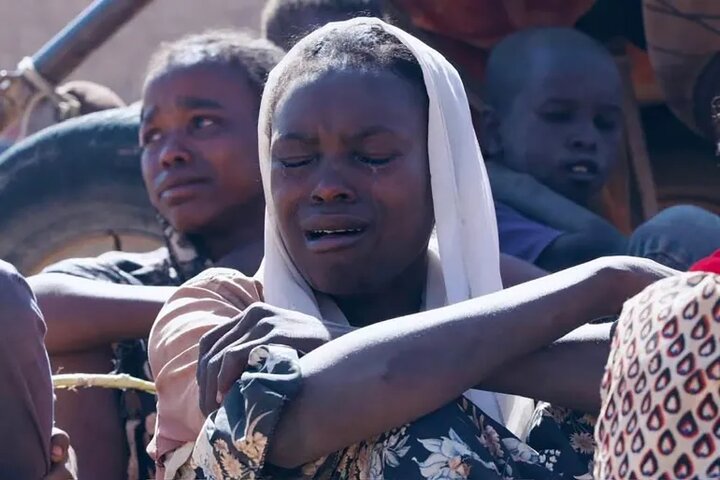
Today, Sudan is a silent hell. The UN warns that 18 million people face famine. Parents watch their children die of hunger. People eat dirt and grass to survive. A haunting video captures the essence of this despair: a man, moments from being executed, finds solace only in his faith, while a woman cradles her starved, lifeless children, begging a silent world for help.

Today, Sudan is a silent hell

Act III: The World Looks Away—And Fuels the Fire


As Sudan burns, the world stands by. But this is not mere inaction; it is complicity. The United Arab Emirates (UAE) has been identified as a key backer of the RSF, funneling weapons, drones, and money through clandestine networks to Hemedti’s forces. While claiming to support peace, the UAE’s actions pour gasoline on the fire, prioritizing geopolitical influence over human life.

Over 150,000 people have been killed. Over 12 million are displaced, flooding into overcrowded camps in Chad and South Sudan, where aid is a cruel mirage. The world’s silence has written the bitterest chapter in Sudan’s story: a season where oil dollars and gold were valued more highly than human blood.

Conclusion: A Autumn of Leaves

Sudan is in its autumn. Its people, like leaves, are falling one by one—shot, starved, or forgotten. The hopeful chants of the revolution have been replaced by the whimpers of starving children and the silence of mass graves. The story of Sudan is a devastating lesson in how quickly hope can be betrayed, and how the world can watch a nation become a graveyard.

twitterlinkedininstagramflickrfoursquaremail
Posted on Leave a comment

The Scramble for Sudan: How Foreign Powers Are Fueling Africa’s Silent Genocide

Sudan is bleeding. Since April 2023, a brutal civil war has pitted the Sudanese Armed Forces, led by General Abdel Fattah al-Burhan, against the Rapid Support Forces (RSF), a militia with roots in the Janjaweed, responsible for the Darfur genocide two decades ago. The fall of El Fasher—the capital of North Darfur—on October 26, 2025, marks a grim turning point. But this is not just a Sudanese conflict. It is a proxy war, fueled by foreign money, weapons, and ambition.

The Fall of El Fasher: A City of Suffering
For 18 months, El Fasher was under siege. Then it fell—quickly, brutally. In the first 72 hours, more than 1,500 civilians were killed. Most were from the Masalit tribe, targeted in what survivors describe as systematic ethnic cleansing. Hospitals were bombed, medical staff kidnapped, homes burned. Mass graves dot the outskirts. Those who escaped describe a city of ghosts—a place where the atrocities of the 2000s have returned, this time with more sophisticated weapons and even less global attention.

War in Sudan: Death strikes at every corner in devastated Khartoum

Foreign Hands on Sudanese Soil
Behind the RSF’s brutal efficiency lies the shadow of the United Arab Emirates. Multiple reports confirm the UAE has supplied the militia with armored vehicles, drones, and small arms. Why? For gold. For the Red Sea port of Suakin. For regional influence. By backing the RSF, the UAE secures access to Sudan’s vast mineral wealth while undermining the official government in Khartoum. This is not aid—it is outsourcing war. And the world has responded with little more than statements of concern.

UK military equipment used by militia accused of genocide found in Sudan,  UN told | Global development | The Guardian
UK military equipment used by militia accused of genocide found in Sudan, UN told

A War Waged on the Helpless
The numbers are staggering, almost beyond comprehension:

  • Over 20,000 dead

  • 13 million displaced—one of the largest internal displacement crises in the world

  • 30 million in need of humanitarian aid

  • 25 million facing severe hunger

In Darfur, the RSF uses starvation as a tactic. Roads are blocked. Aid convoys are turned back. The result is a man-made famine in a land that was once the breadbasket of the region.

Over 25 million people face hunger in Sudan - Hobe News
Over 25 million people face hunger in Sudan

The World Watches—and Waits
International responses have been slow, fragmented, and painfully inadequate. The UN condemns. The African Union deliberates. The EU issues statements. The US sanctions a few RSF commanders. But no one has stopped the flow of weapons. No one has intervened to protect civilians. In the age of live-streamed wars, Sudan’s suffering remains strangely invisible—a silence that suits those who profit from the chaos.

Is Peace Possible?
There are roads to peace, but they are littered with obstacles:

  • ceasefire that integrates the RSF into the national army

  • transitional government that includes civilian voices

  • National reconciliation that addresses decades of trauma

But none of this will happen as long as foreign powers treat Sudan as a chessboard. The UAE must end its support for the RSF. The international community must enforce an arms embargo. And Sudan’s leaders—military and civilian—must choose the nation over their own power.

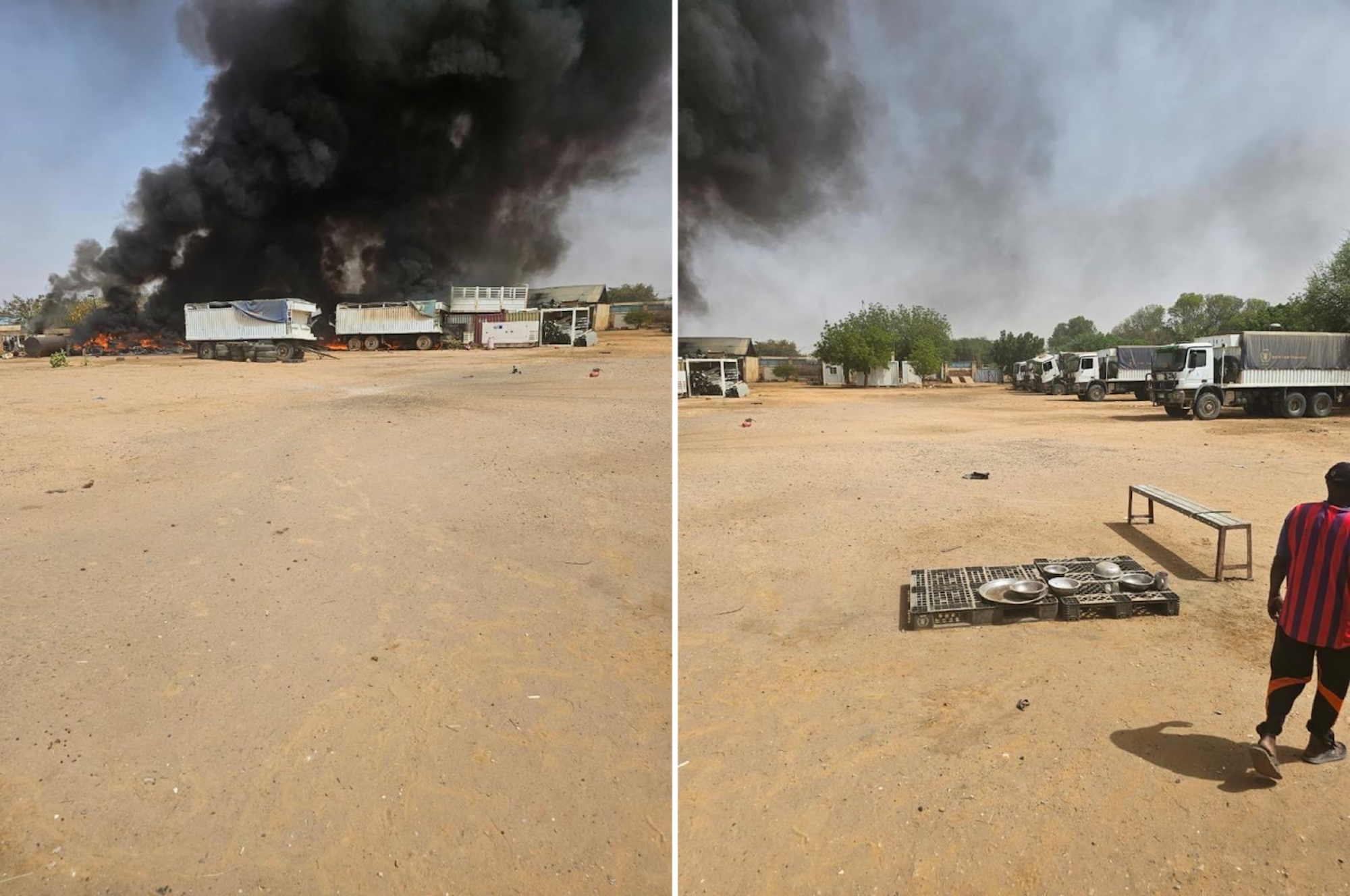
Fires inside a WFP compound in El Fasher

Conclusion: We Have Been Here Before
Two decades ago, the world vowed “never again” after Darfur. Today, we are watching “again” unfold in real time. The fall of El Fasher is not just the loss of a city. It is the failure of humanity. But within Sudan, there is still resistance—local committees documenting crimes, doctors working without supplies, ordinary people sharing what little they have. Their courage is a flicker of light in a very dark night. It is time the world learned to see by it.

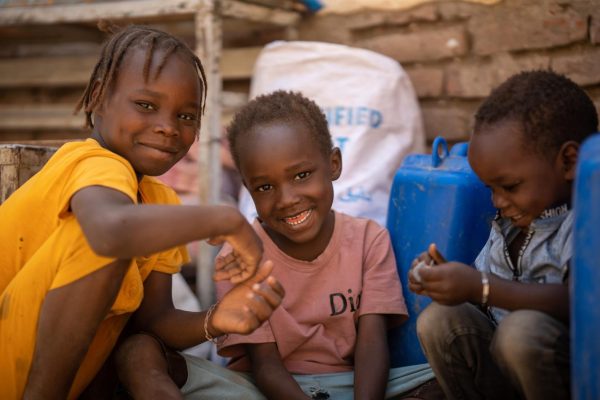
Altuma’s children are playing inside their shelter. Displaced by the conflict from their home in Khartoum, the family has had to move several times and is currently living in an old building without a roof over its head

twitterlinkedininstagramflickrfoursquaremail