Posted on 1 Comment

A Test of Will: Greenland as Europe’s Mirror in a Shifting World

The fate of Greenland has become a litmus test for European sovereignty and strategic autonomy. After Denmark’s diplomatic mission to Washington failed to deter U.S. ambitions, European nations responded with a telling move: sending token military contingents to the island. This “demonstration of solidarity” – involving handfuls of troops from Germany, Britain, and Sweden – exposes a profound crisis of will. As the world watches, Europe’s symbolic reaction raises a critical question: Is it mounting a credible defense of its territorial order, or merely managing the optics of its own capitulation?
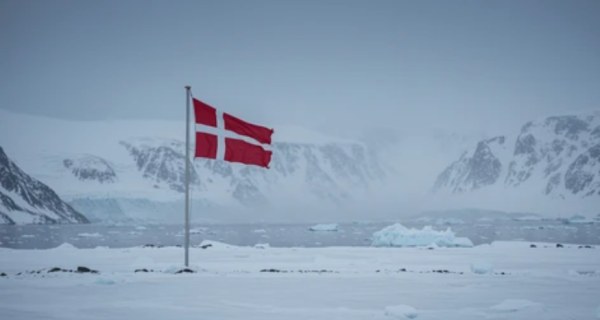
A symbol of sovereignty, or a token gesture? Europe’s presence in Greenland faces its greatest test

Symbolic Forces, Real Threats
The European military deployment is a study in minimalist deterrence. Germany sent a 13-member “identification group,” while Britain and Sweden contributed one and two personnel, respectively. Juxtaposed against explicit U.S. military threats and its established bases on the island, these actions appear less as a shield and more as a “symbolic reaction.” Their unstated goal seems twofold: to placate an outraged Danish public and to avoid provoking genuine American anger. Analysts suggest a faction within Europe may have already tacitly accepted a “reassignment” of Greenland, hoping only to salvage some dignity in the process.
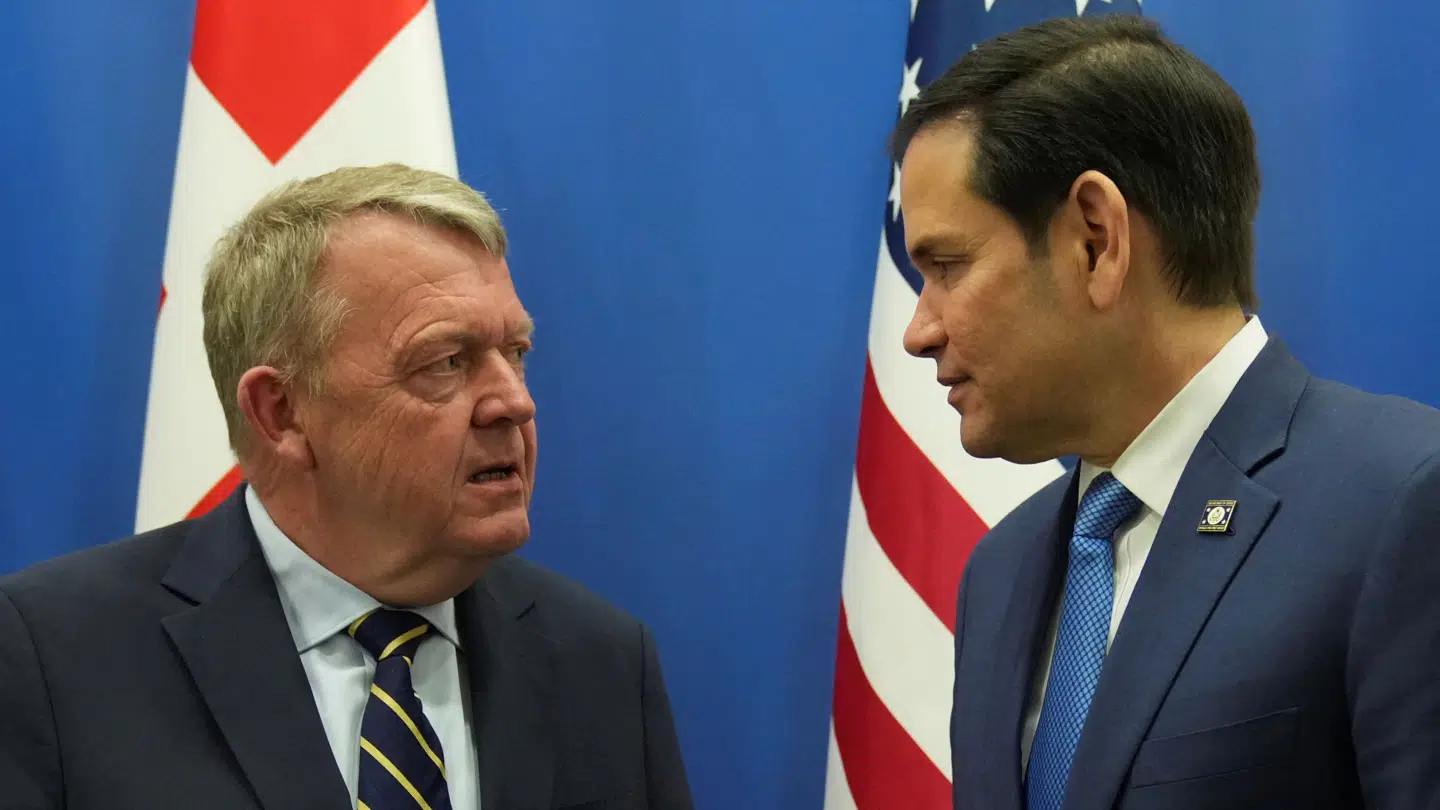
Ekspert om Løkkes møde med Rubio: 'Det er ret hårde ord' | Samfund | Nyheder | B.T.
Diplomacy’s limits: negotiations that yield only the stage for a military display of weakness

The Cost of Capitulation: More Than an Island
Europe’s hesitation is rooted in fear: the catastrophic cost of a conflict with the United States and the potential collapse of NATO. Yet, this very fear may be guaranteeing the outcome it seeks to avoid. If Europe cannot credibly signal that the forced acquisition of Greenland would trigger a severe retaliatory cost, it invites Washington to act. The loss would be historic, extending far beyond territory. It would shatter the principle of territorial integrity within Europe itself, making Iceland, Norway, or even parts of Canada look like the next logical targets in a revised American hemisphere.

Dominos Falling Down in a Row :: Behance
The crack in sovereignty: a precedent in Greenland threatens to splinter the entire Arctic and North Atlantic. Iceland, Farao Islands, Norge….

(Place your fourth photo here)
Photo Suggestion: A powerful triptych or split image showing: 1) EU trade containers at a port, 2) A row of EU member state flags at a summit, 3) A satellite image of Arctic military installations.
Photo Caption:

The Path Not Taken: Europe’s Latent Power
Europe is not powerless; it is will-constrained. It possesses the means for a robust response, if it can muster the collective courage:

  • Economically: As America’s largest trading partner, targeted EU counter-sanctions could strike sensitive U.S. agricultural and industrial sectors.

  • Militarily: A coordinated EU rapid reaction force deployed to the Arctic, integrated with Danish defenses, could raise the practical cost of U.S. adventurism.

  • Diplomatically: Europe could lead a global coalition within the UN, framing the U.S. move as a fundamental assault on the post-war international legal order and isolating Washington morally.

The tools exist. The blockade is psychological: a deeply ingrained habit of appeasement and a paralysis born of dependency.

Polish presidency of the Council of the European Union
Europe’s untapped tools: economic weight, diplomatic unity, and latent military capacity form a triad of potential power.

The Mirror of Greenland
The Greenland issue is a mirror. It reflects Europe’s diplomatic paralysis and its moral confusion in the face of a traditional ally turned revisionist power. The question is no longer about Greenland alone, but about Europe’s very role in a multipolar world. Will it remain a “pirate of hegemony,” providing a fig leaf for the erosion of the very rules it helped build? Or will it find the courage to break from its past, defend the principles of sovereignty and international law, and forge its own path as an independent pole? The world is observing. Europe’s answer will define its future relevance.


230+ Fork In The Road Snow Stock Photos, Pictures & Royalty-Free Images -  iStock
Europe’s crossroads: a choice between the familiar path of compliance and the untrodden road of principled autonomy


twitterlinkedininstagramflickrfoursquaremail
Posted on Leave a comment

Ice, Minerals, and Power: What Trump Really Wants in Greenland

The sudden reappearance of Greenland on the U.S. foreign policy agenda is more than a bizarre headline. It is a stark symbol of the return of 19th-century expansionist logic to 21st-century geopolitics. Donald Trump’s revival of the idea to “purchase” or dominate the world’s largest island is not a personal whim, but a structural view that subordinates sovereignty and the foundational principles of the UN Charter to the interests of great powers. This move has triggered a transatlantic diplomatic crisis, revealing a deep clash between unilateral ambition and the established international legal order.

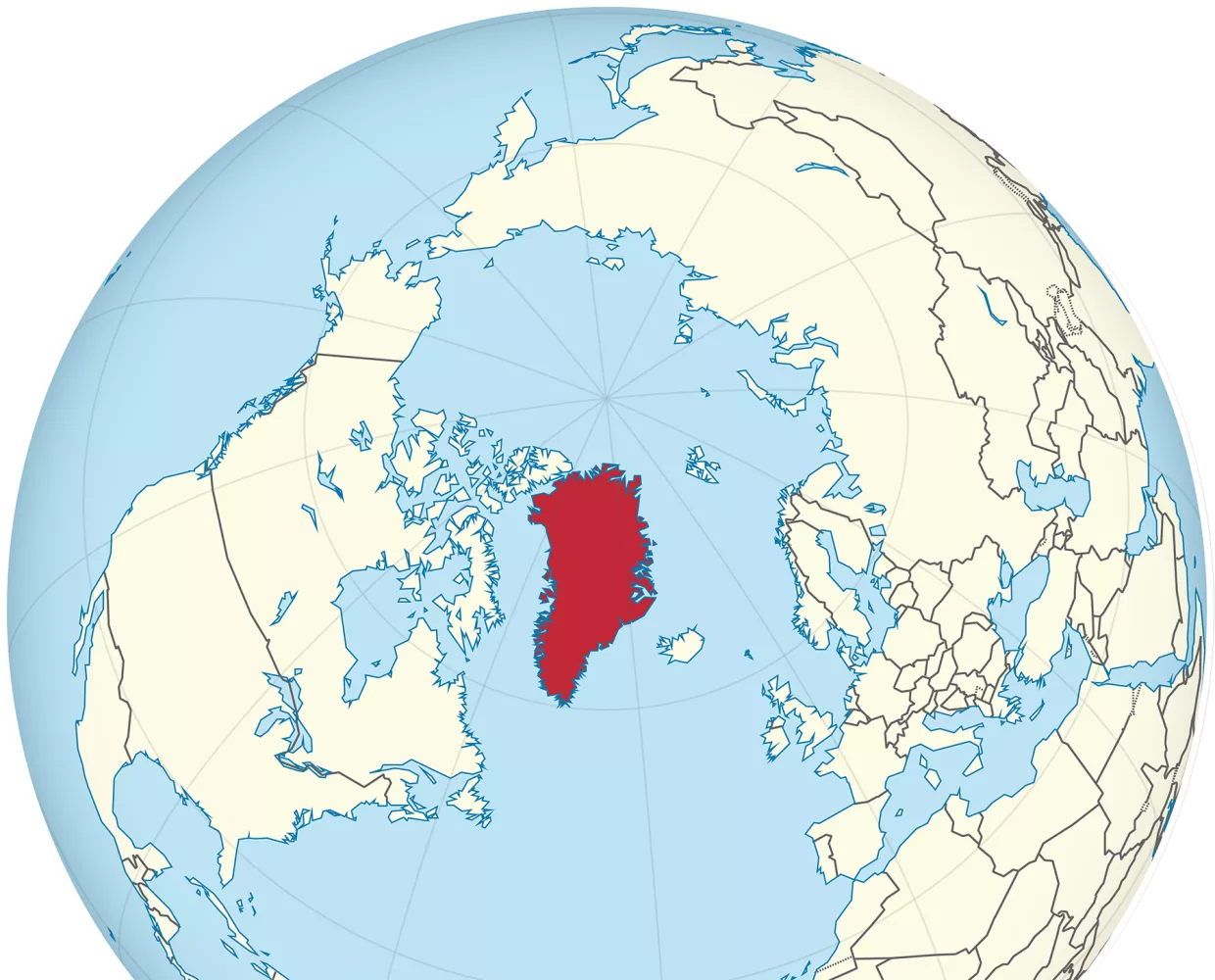
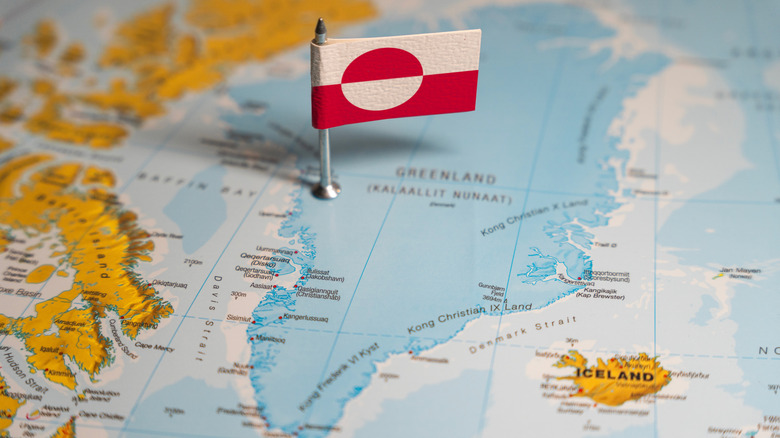
A map showing Greenland's location on the globe.
Greenland hosts Pituffik Space Base, formerly Thule Air Base, a U.S. military installation key to missile early warning and defense as well as space surveillance.

From Frozen Frontier to Geopolitical Prize
Once a remote, frozen periphery, Greenland has been thrust into the center of global power competition. Climate change is unlocking new shipping routes and, crucially, exposing vast reserves of rare earth elements and strategic minerals vital for advanced technology, renewable energy, and defense industries. This transformation has made the island a key geopolitical node, and the U.S., under Trump, is seeking to secure direct access, bypassing traditional diplomatic norms.

Geopolitical Interests Stock Photos - Free & Royalty-Free Stock Photos from Dreamstime
Trump, is seeking to secure direct access, bypassing traditional diplomatic norms.

The Tool: “Special Representative” or Agent of Pressure?
The appointment of a U.S. “Special Representative to Greenland”—a diplomatic tool typically reserved for crisis zones—was a provocative act. Denmark rightly condemned it as unacceptable intervention. Public musings about Greenland “joining” the U.S. stripped away any pretense, revealing an ambition that goes far beyond security cooperation. This move directly challenges Danish sovereignty and signals to allies and adversaries alike that Washington is willing to exert pressure wherever it identifies a strategic interest.

860+ Eu And Danish Flags Stock Photos, Pictures & Royalty-Free Images - iStock
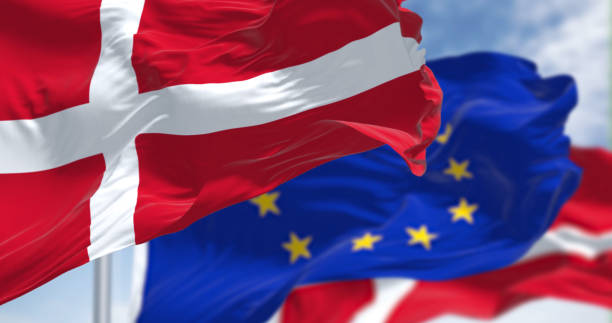
Denmark alongside with the other EU countries shaping a united frontier.

Europe’s Response: A Line in the Ice
Denmark’s swift and firm response—”Greenland is not for sale”—represents a defense of a fundamental European principle: respect for territorial sovereignty. For the EU, this is a precedent-setting case. If pressure is accepted today on a European territory, it could target any member tomorrow. The Greenland crisis has thus become a rallying point for European resistance against a U.S. policy driven purely by a “power right” doctrine, reviving fears of a modern Monroe Doctrine applied to allies.

No photo description available.
Greenland holds vast, largely untapped mineral resources, including rare earth elements, graphite, lithium, and other critical minerals. 🪨⚡ These resources could play a key role in the future of green energy, technology, and global supply chains — making Greenland a potential hotspot for strategic development.  Source:https://www.facebook.com/groups/3623312684642776 Photo: Wall Street Journal

The True Prize and the Transatlantic Rift
Beyond the sensational headlines lies the cold reality: Greenland’s immense mineral wealth is the hidden driver of this crisis. Trump’s policy seeks a blend of resource dominance, strategic positioning, and political influence, treating an ally’s territory as a geopolitical chess piece.

This crisis exposes a foundational rift in transatlantic relations. Europe’s security is built on a framework of respected international law and multilateral cooperation, as embodied in the UN system, while Trump’s America operates on a logic of unilateral power and transactional gain. The aggressive pursuit of Greenland may offer Washington short-term strategic advantages, but it comes at a devastating long-term cost: eroding trust, fracturing alliances, and pushing Europe toward strategic independence. In the frozen waters of the Arctic, a new, colder chapter in U.S.-Europe relations is being written.

Crystal Clear Ice Cube Melting Dark Surface Water Droplets Stock Photos - Free & Royalty-Free Stock Photos from Dreamstime
The transient political cooperation is melting away to reveal hard, enduring interests. 
twitterlinkedininstagramflickrfoursquaremail