
Posted on Leave a comment

Exploiting Tragedy: How the Sydney Attack is Used to Reinforce the “Victim” Narrative

Introduction:
The tragic shooting in Sydney, Australia, which occurred during a Hanukkah celebration, has rightly been met with international condemnation and grief. However, beyond the immediate human tragedy, a complex political narrative is rapidly unfolding. This analysis examines how this event outside of Palestine is being instrumentalized to reinforce a longstanding political narrative: framing the Israeli state as a perpetual “victim” to deflect from its actions in Gaza and the occupied territories.
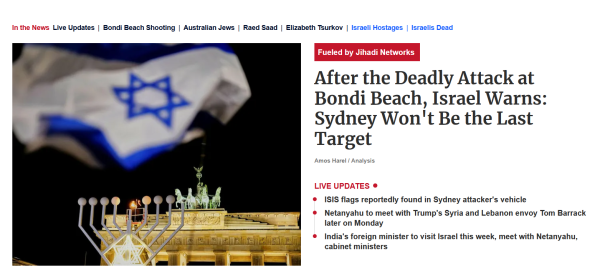
framing the Israeli state as a perpetual “victim” to deflect from its actions in Gaza and the occupied territories.

The Immediate Narrative Shift: From Occupation to “Anti-Semitism”
In the immediate aftermath, Israeli media outlets prominently framed the attack not as an isolated criminal or terrorist act, but as a symptom of “rising global anti-Semitism.” As Palestinian-Israeli affairs expert Ali Al-Awar notes, this coordinated media focus serves a symbolic purpose. By placing the incident within this specific context, it reinforces a core element of Zionist political discourse: that Israel and Jews worldwide are under constant, existential threat, thereby positioning the state in the role of the oppressed.

Israeli Prime Minister Benjamin Netanyahu’s response followed this script, broadly linking the attack to anti-Semitism without addressing specific political contexts. This framing is strategic, aiming to universalize the conflict and obscure its particular roots in the occupation of Palestine.
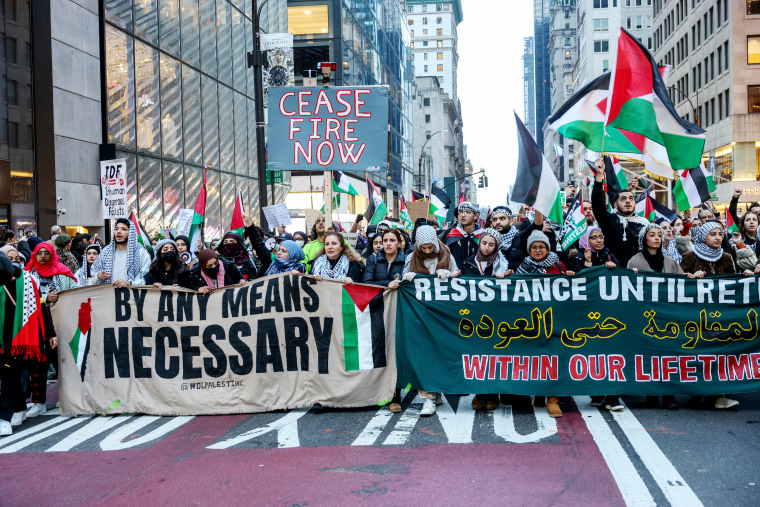
Who's behind the pro-Palestinian protests in the U.S.?
The Immediate Narrative Shift: From Occupation to “Anti-Semitism”

Political Utility: Diverting Attention and Applying Pressure
The exploitation of this tragedy serves multiple political aims for the Israeli government:

  • Diverting Global Attention: As journalist Fayez Abu Shamaleh points out, the attack provides a powerful new imagery to divert global public opinion from the devastating war in Gaza. Netanyahu can use these images in international forums to shift the conversation.

  • Stifling Diplomatic Moves: The “anti-Semitism” discourse is leveraged to pressure governments like Australia’s, potentially deterring them from actions like recognizing a Palestinian state by conflating such political stances with hatred toward Jews.

  • Internal Political Divide: The attack exacerbates a rift within Israeli society. One faction sees Netanyahu’s aggressive policies in Gaza and Lebanon as inflaming global anger and endangering Jews abroad, while his supporters use the event to double down on the siege mentality and consolidate domestic support.

    red fake news warning sign 11702828 PNG
    The exploitation of this tragedy serves multiple political aims for the Israeli government

Skepticism and Alternative Narratives
The swift politicization has also bred significant public skepticism. On social media, voices have questioned the official narrative, with some pointing to historical conspiracies (like the King David Hotel bombing) to suggest the attack could be a “false flag” operation designed to garner sympathy. While such claims are extreme and often lack evidence, their circulation highlights a deep global distrust in official Israeli narratives following the Gaza war.

Furthermore, observers and Islamic bodies like Australia’s Council of Imams have been quick to make crucial distinctions: they condemn attacks on civilians anywhere while warning against using this tragedy to “purify the image of the occupying Power.” They, along with Palestinian resistance groups, emphasize that their struggle is political—against Zionism and occupation—not religious or aimed at Jewish people outside of Palestine.

“Jews in solidarity with Muslims (and Mexicans, LGBT, womens’ rights…)”—placard on the anti-Trump Muslim ban march in London. Photo Credit: Alisdare Hickson

Conclusion: A Tragedy Within a Tragedy
The Sydney attack is a profound tragedy for the victims, their families, and the Australian Jewish community. Its exploitation for political purposes constitutes another layer of tragedy. When a horrific act of violence is immediately funneled into a pre-existing propaganda framework to justify further violence elsewhere, it corrupts the memory of the victims and poisons the well of international discourse. True solidarity requires mourning the dead in Sydney without letting their deaths become a tool to obscure the deaths of thousands in Gaza. The path forward must be built on honest confrontation with root causes, not the cynical reproduction of victimhood narratives. Interfaith solidarity initiatives Images - Free Download on Freepik


twitterlinkedininstagramflickrfoursquaremail
Posted on Leave a comment

The Great Zionist Flight: Israel’s Tax Bribes Can’t Stop the Exodus

The Zionist project is facing an unprecedented crisis: its own people are leaving. Since the Al-Aqsa Storm operation, the phenomenon of “reverse migration” has accelerated, forcing the Israeli regime to resort to financial bribes to stem the tide.

A Regime in Demographic Panic
According to the Zionist newspaper Yediot Aharonot, more than 145,900 people fled the occupied territories between 2020 and 2024—outstripping the number of new immigrants. This exodus, composed largely of former immigrants, reveals a profound disillusionment with the Zionist state.

In response, Finance Minister Bezalel Smotrich has proposed an extreme measure: a five-year tax exemption for Jews who immigrate to Israel. This desperate move—unprecedented in Israeli history—shows how deeply the leadership fears the collapse of its demographic foundation.

May be a graphic of ‎text that says '‎y net בירידה זינוק בישראל השלילי ההגירה מאזן 2023 82,800 יורדים 2021 2024 (ינו'-אוג') 49,000 יורדים 2022 59,400 יורדים 2020 34,400 34, 400 יורדים 41,400 יורדים 2020 32,500 חוזרים 2021 23, 23,600 חוזרים 2022 29,600 חוזרים 2023 24,200 24, חוזרים 2024 (ינו'-אוג') 12,100 חוזרים -145,900 :2024- 2020 השנים בין ההגירה מאזן הכול, בסך‎'‎
Note: A special report from the Knesset Research and Information Center revealed alarming figures, indicating that approximately 145,900 more Israelis left the country than returned between 2020 and 2024.

The Al-Aqsa Storm Effect
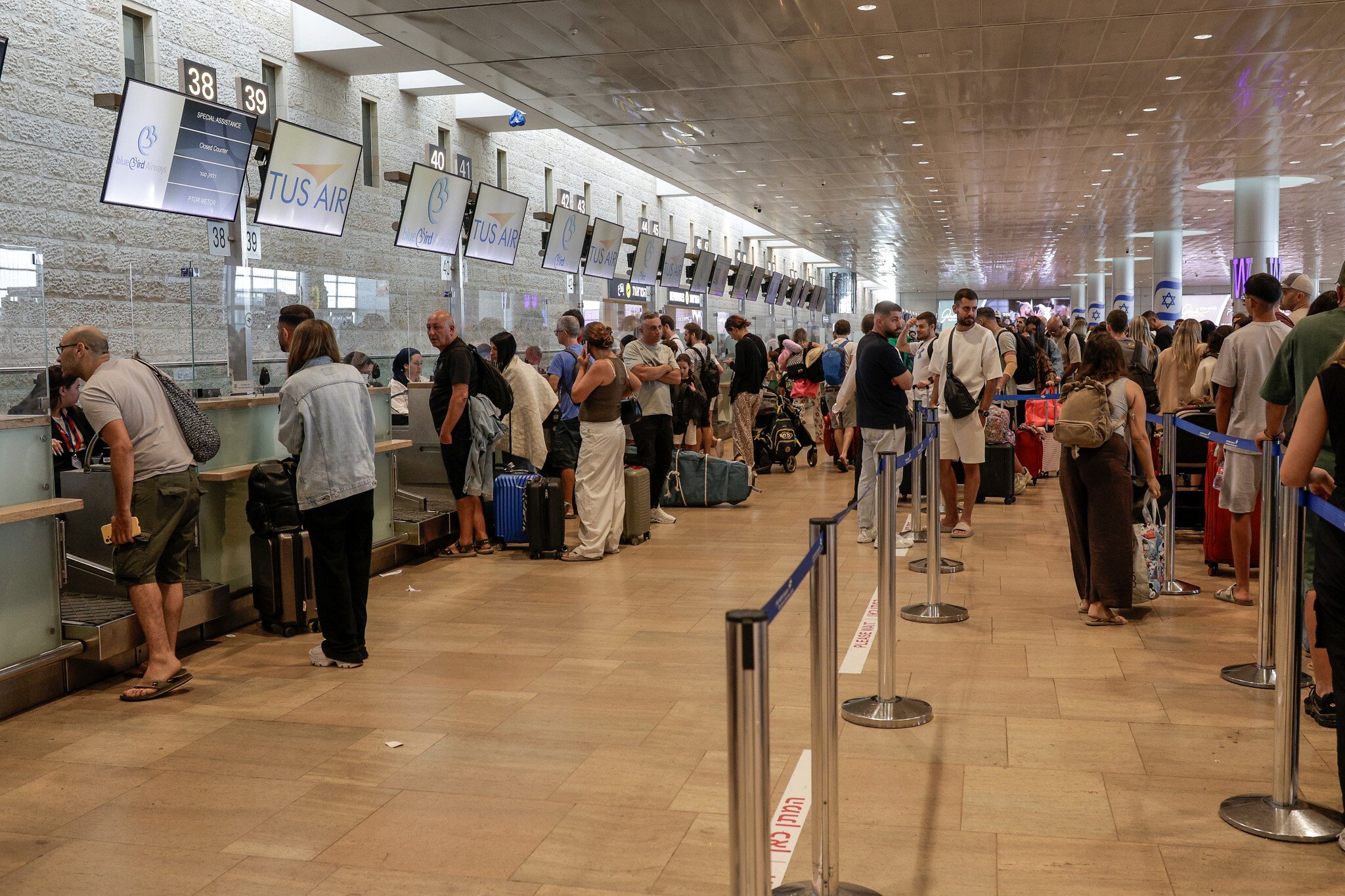
The October 7 operation shattered the myth of Israeli invincibility. As rockets rained down and resistance fighters breached the Gaza barrier, thousands of Zionists rushed to Ben Gurion Airport, booking one-way tickets out of their “homeland.” The sense of security that underpinned the colonial project evaporated overnight.

Smotrich’s tax plan is a direct admission that the Zionist state can no longer rely on ideology alone to attract and retain settlers. When fear outweighs faith, the only tool left is money.

Israel sees record passenger travel since Oct 7. as flight prices jump by up  to 119% | The Times of Israel
Israel sees record passenger travel since Oct 7. as flight prices jump by up to 119% | The Times of Israel

The Economic Consequences of Desperation
Israeli economic experts have warned that Smotrich’s plan will further strain the regime’s finances. With tax revenues already stretched by perpetual war and settlement expansion, exempting new immigrants could blow a hole in the budget.

But the Israeli cabinet seems willing to pay the price. For them, maintaining a Jewish majority in occupied Palestine is an existential priority—even if it means bankrupting the state.

May be an image of 1 person and text that says 'TRTWORLD " Israeli sovereignty will be applied to 82% of the territory [occupied West Bank] Israeli Finance Minister BezalelSmotrich Bezalel Smotrich Photo:Routors Photo: Routors'
JERUSALEM: Israel plans to use tax revenue it collects on behalf of the Palestinian Authority to pay the PA’s nearly 2 billion shekel ($544 million) debt to state-run Israel Electric Co. (IEC), the far-right Finance Minister Bezalel Smotrich said on Sunday.

A Failing Colonial Project
The Zionist flight is not new, but it has now reached critical mass. When a state must bribe its people to stay, it admits that its foundational narrative has failed. The “land of milk and honey” has become the land of anxiety and exit permits.

This exodus is the ultimate indictment of Zionism: those who were promised a safe homeland are now escaping it.

Thousands plan march to dismantled West Bank settlement over IDF's initial  objection | The Times of Israel
The “land of milk and honey” has become the land of anxiety and exit permits

Conclusion: The Unraveling
Smotrich’s tax exemptions are a temporary fix for a terminal condition. No financial incentive can erase the reality of resistance, the burden of international isolation, or the moral rot of occupation. The Zionists are voting with their feet—and their verdict is clear.

Israel's International Isolation Is Painful. But It Is Also Necessary -  Opinion - Haaretz.com

Israel’s International Isolation Is Painful. But It Is Also Necessary – Opinion – Haaretz.com

twitterlinkedininstagramflickrfoursquaremail
Posted on Leave a comment

The Great Gaza Illusion: Why the Ceasefire is Doomed to Fail

The fragile ceasefire in Gaza represents less a path to peace than a temporary pause in the inevitable next confrontation. The fundamental disagreements between Israel and Hamas, coupled with unrealistic expectations from international mediators, create a perfect storm for future conflict.

Irreconcilable Positions: Disarmament vs. Resistance
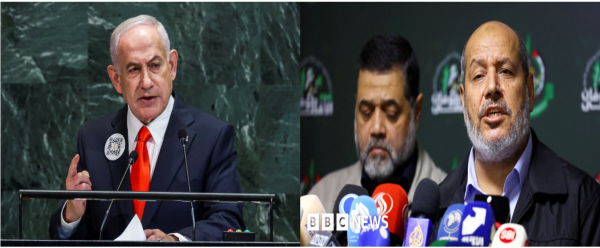
Netanyahu insists on Gaza becoming a “weapon-free zone with permanent security,” demanding complete disarmament of Hamas as a non-negotiable precondition. Meanwhile, Hamas leaders characterize this as “destruction of the ideology of resistance” and have only consented to “temporary deactivation.” This isn’t merely a tactical disagreement but represents fundamentally incompatible worldviews that no ceasefire can bridge.

Left: Benjamin Netanyahu rails against foreign leaders at UN as Donald Trump flags Gaza deal
Right: Hamas leader, Khalil Al-Hayya, in Doha


The Body Count Politics
The implementation of the ceasefire’s first phase has already stalled over the issue of prisoner remains. Hamas has returned only 9 of 28 promised bodies, citing the practical challenges of excavating sites destroyed by Israeli bombing. Israel interprets this as bad faith and has responded by limiting humanitarian aid through Rafah crossing. This cycle of accusation and counter-accusation demonstrates how easily logistical challenges become political weapons, undermining the fragile trust needed for lasting peace.

Gaza Rescuers Are Haunted by Voices of Those They Couldn't Save - The New  York Times
Rescuers rushing to the scene of Israeli airstrikes save those who they can, but are forced to leave many behind. “My soul is tired from this war,” one said


The Governance Vacuum
The proposed Provisional Committee of Palestinian Technocrats, supervised by Trump’s “Peace Board,” faces legitimacy challenges from all sides. Hamas claims it will withdraw from direct administration while maintaining indirect influence, Israel rejects any role for the Palestinian Authority without significant reforms, and the people of Gaza are largely excluded from these discussions. This administrative vacuum creates ideal conditions for the conflict to reignite.

Hopeless, Starving, and Besieged”: Israel's Forced Displacement of  Palestinians in Gaza | HRW
Hopeless, Starving, and Besieged”: Israel’s Forced Displacement of Palestinians in Gaza

The Reconstruction Mirage
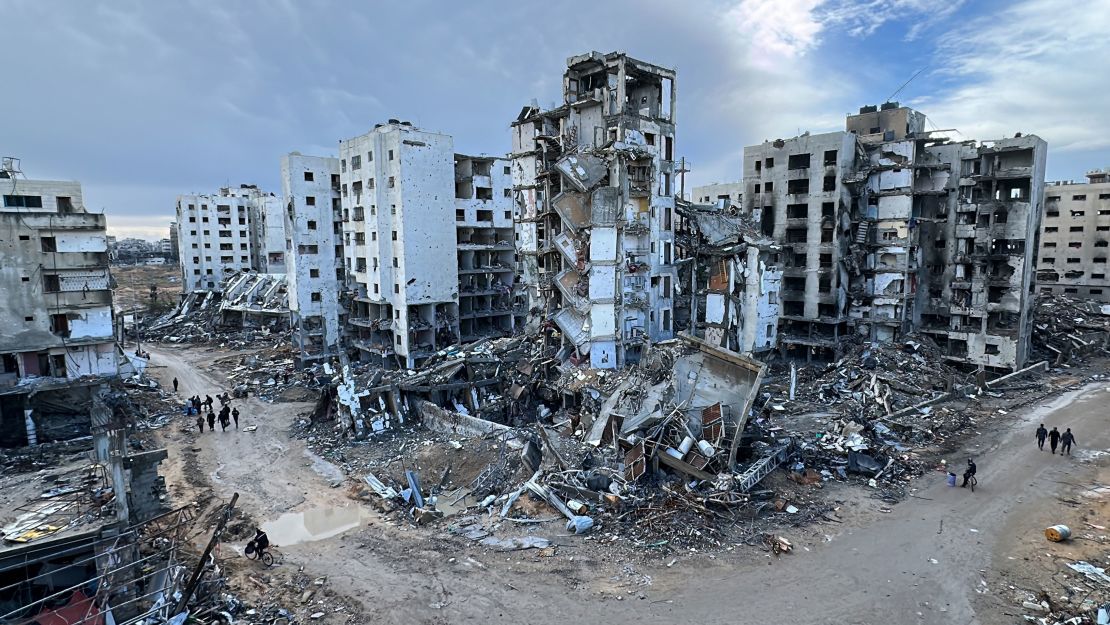
Trump’s vision of Gaza as a “Middle East Riviera” ignores the staggering reality: 50 million tons of debris requiring 20 years to clear and 80 years for comprehensive reconstruction. With Israel maintaining control over borders and materials, and Hamas likely to use reconstruction as political leverage, the rebuilding process itself threatens to become another battlefield.

Donate to Gaza - Gaza Appeal | Islamic Relief UK
Children are starving to death every day in a man-made famine and homes, hospitals, schools and other essential services are now rubble

Conclusion: The Inevitable Next Round
This ceasefire represents not peace but intermission. Without addressing the fundamental power imbalances, political aspirations, and humanitarian needs of Gaza’s population, the current arrangement merely sets the stage for the next, possibly more destructive, confrontation. The illusion of progress may serve short-term political interests in Washington and Tel Aviv, but it comes at the cost of Palestinian lives and regional stability.

More than $50bn needed to rebuild Gaza after Israel’s war on enclave

Researchers conclude that $53.2bn is needed for extensive reconstruction and recovery efforts in Gaza over the next 10 years.

twitterlinkedininstagramflickrfoursquaremail