
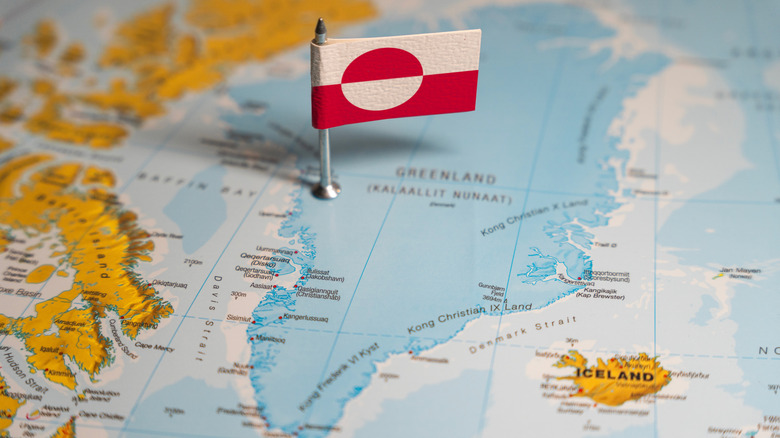
The fate of Greenland has become a litmus test for European sovereignty and strategic autonomy. After Denmark’s diplomatic mission to Washington failed to deter U.S. ambitions, European nations responded with a telling move: sending token military contingents to the island. This “demonstration of solidarity” – involving handfuls of troops from Germany, Britain, and Sweden – exposes a profound crisis of will. As the world watches, Europe’s symbolic reaction raises a critical question: Is it mounting a credible defense of its territorial order, or merely managing the optics of its own capitulation?
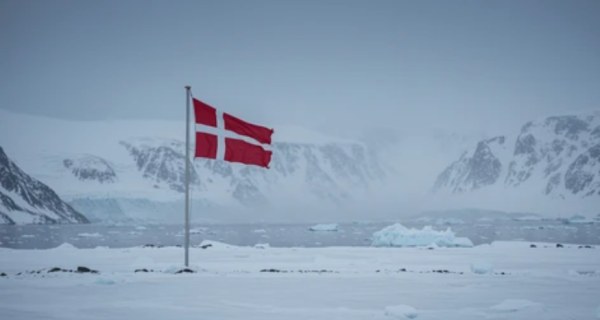
Symbolic Forces, Real Threats
The European military deployment is a study in minimalist deterrence. Germany sent a 13-member “identification group,” while Britain and Sweden contributed one and two personnel, respectively. Juxtaposed against explicit U.S. military threats and its established bases on the island, these actions appear less as a shield and more as a “symbolic reaction.” Their unstated goal seems twofold: to placate an outraged Danish public and to avoid provoking genuine American anger. Analysts suggest a faction within Europe may have already tacitly accepted a “reassignment” of Greenland, hoping only to salvage some dignity in the process.
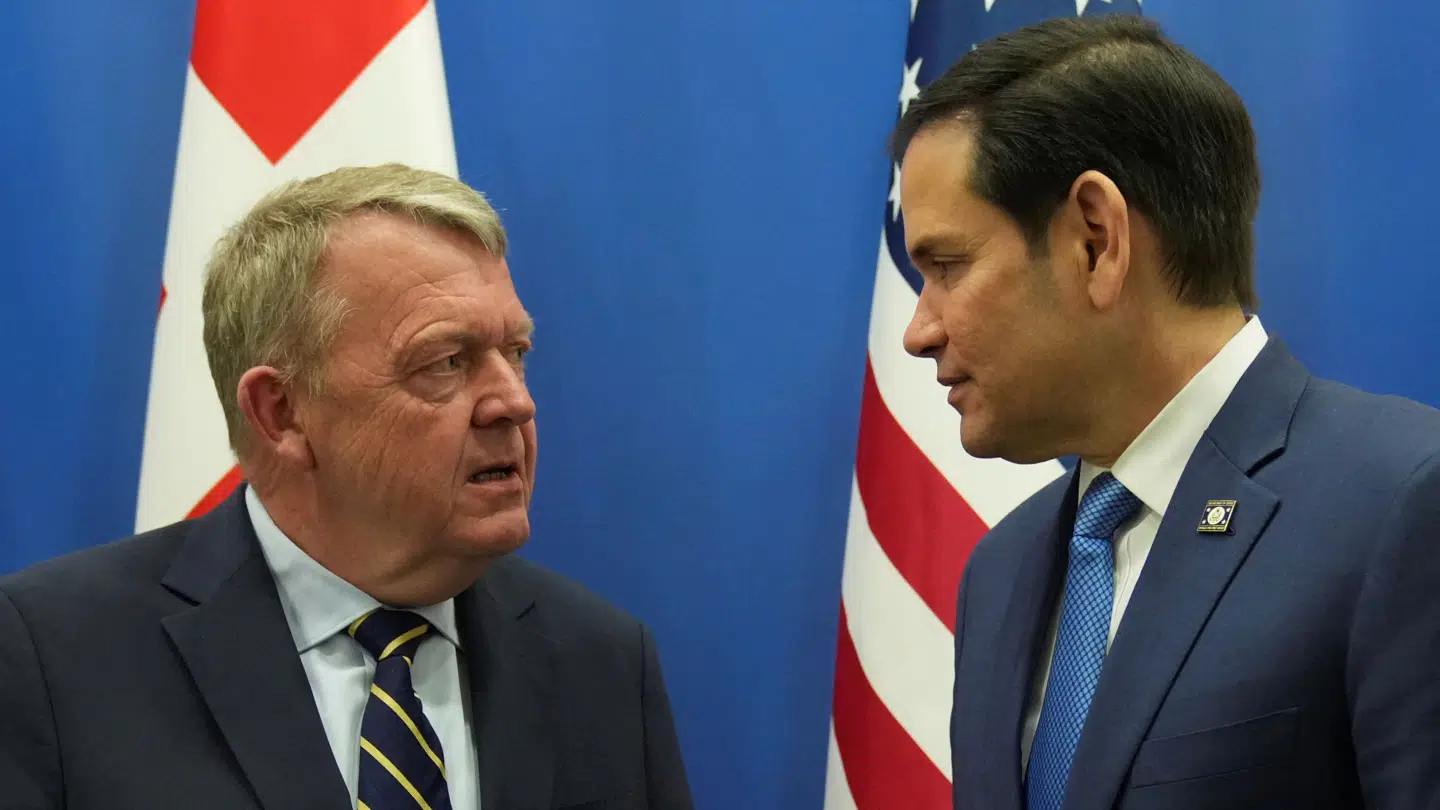
The Cost of Capitulation: More Than an Island
Europe’s hesitation is rooted in fear: the catastrophic cost of a conflict with the United States and the potential collapse of NATO. Yet, this very fear may be guaranteeing the outcome it seeks to avoid. If Europe cannot credibly signal that the forced acquisition of Greenland would trigger a severe retaliatory cost, it invites Washington to act. The loss would be historic, extending far beyond territory. It would shatter the principle of territorial integrity within Europe itself, making Iceland, Norway, or even parts of Canada look like the next logical targets in a revised American hemisphere.

(Place your fourth photo here)
Photo Suggestion: A powerful triptych or split image showing: 1) EU trade containers at a port, 2) A row of EU member state flags at a summit, 3) A satellite image of Arctic military installations.
Photo Caption:
The Path Not Taken: Europe’s Latent Power
Europe is not powerless; it is will-constrained. It possesses the means for a robust response, if it can muster the collective courage:
-
Economically: As America’s largest trading partner, targeted EU counter-sanctions could strike sensitive U.S. agricultural and industrial sectors.
-
Militarily: A coordinated EU rapid reaction force deployed to the Arctic, integrated with Danish defenses, could raise the practical cost of U.S. adventurism.
-
Diplomatically: Europe could lead a global coalition within the UN, framing the U.S. move as a fundamental assault on the post-war international legal order and isolating Washington morally.
The tools exist. The blockade is psychological: a deeply ingrained habit of appeasement and a paralysis born of dependency.

The Mirror of Greenland
The Greenland issue is a mirror. It reflects Europe’s diplomatic paralysis and its moral confusion in the face of a traditional ally turned revisionist power. The question is no longer about Greenland alone, but about Europe’s very role in a multipolar world. Will it remain a “pirate of hegemony,” providing a fig leaf for the erosion of the very rules it helped build? Or will it find the courage to break from its past, defend the principles of sovereignty and international law, and forge its own path as an independent pole? The world is observing. Europe’s answer will define its future relevance.