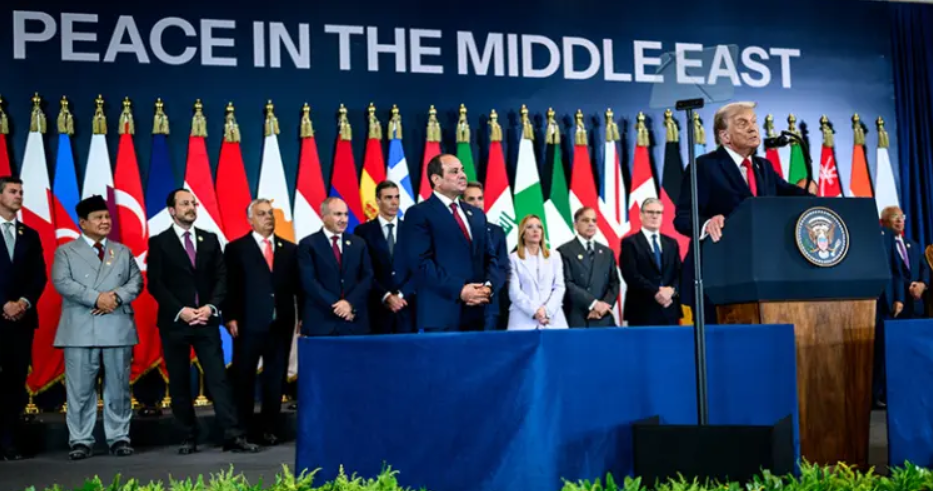
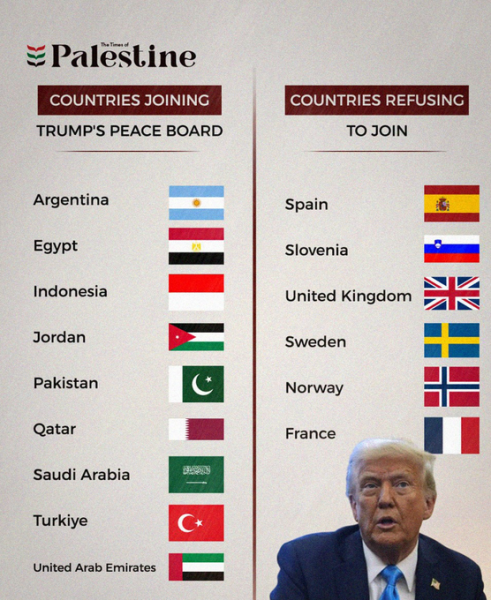
A new international body was launched in Davos this week: the “Peace Council for the Gaza Strip,” championed by the United States and signed by over a dozen countries. Yet, its birth was marked by profound absences. Neither Israel nor Palestine attended the ceremony, and four of the five UN Security Council permanent members declined to join. This initiative has ignited a critical global debate: Is this a genuine effort for peace, or an attempt to create a parallel structure that undermines the United Nations and the foundations of international law?

The Core Conflict: Reinventing or Replacing the Wheel?
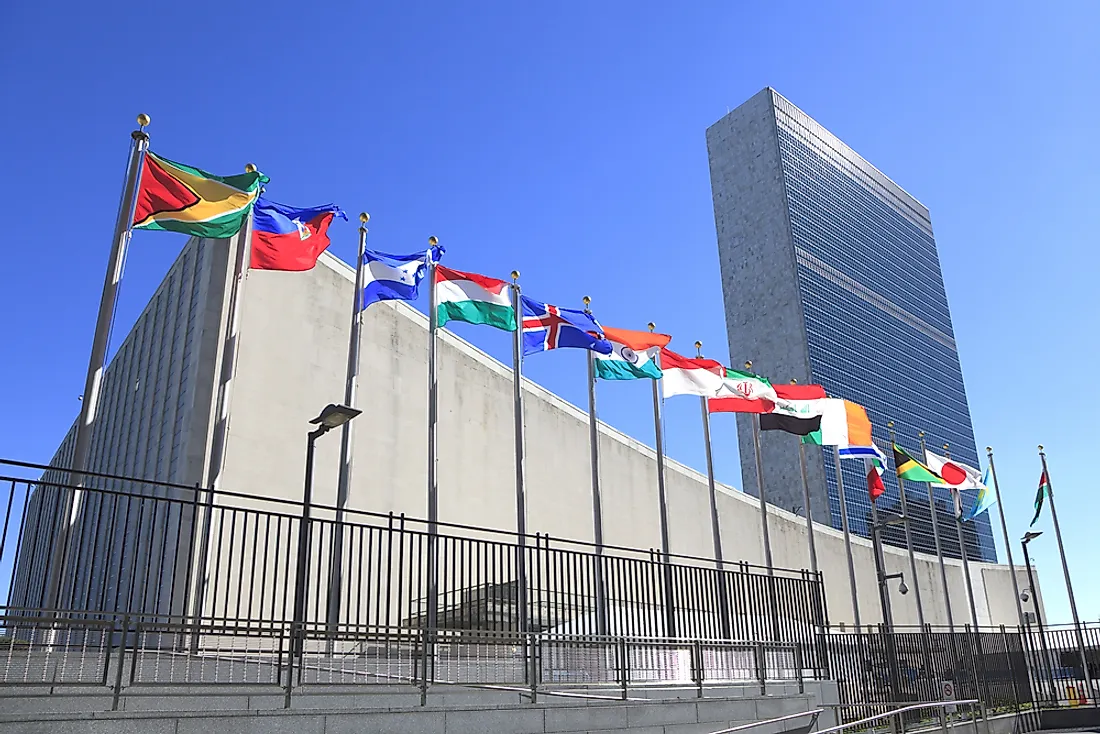
The stated goal of the Peace Council—to resolve conflicts and guarantee peace—directly overlaps with the core mandate of the United Nations. This has raised immediate and serious doubts. Why create a new, selective body when a universal one already exists? Critics argue that bypassing the UN weakens international law and sets a dangerous precedent where powerful nations can create exclusive clubs to address issues that require global consensus. As UN Secretary-General António Guterres has stated, “The UN is more than an entity; it is a living promise.” Any mechanism seeking to sideline it struggles for legitimacy.
Global Skepticism and a Divided West
The council has failed to unify even traditional allies. Nations like France, Germany, Norway, Sweden, Denmark, and Slovenia have publicly refused to participate. Former German Foreign Minister Annalena Baerbock’s statement was blunt: “We have a peace council and that’s the UN.” This Western split reveals deep reservations about the initiative’s legitimacy and effectiveness. Furthermore, reports that large financial contributions could buy influence or even “permanent membership” have been condemned as turning peace into a commodity, contradicting the principle of sovereign equality.
The Path to Peace: Exclusivity vs. Inclusivity
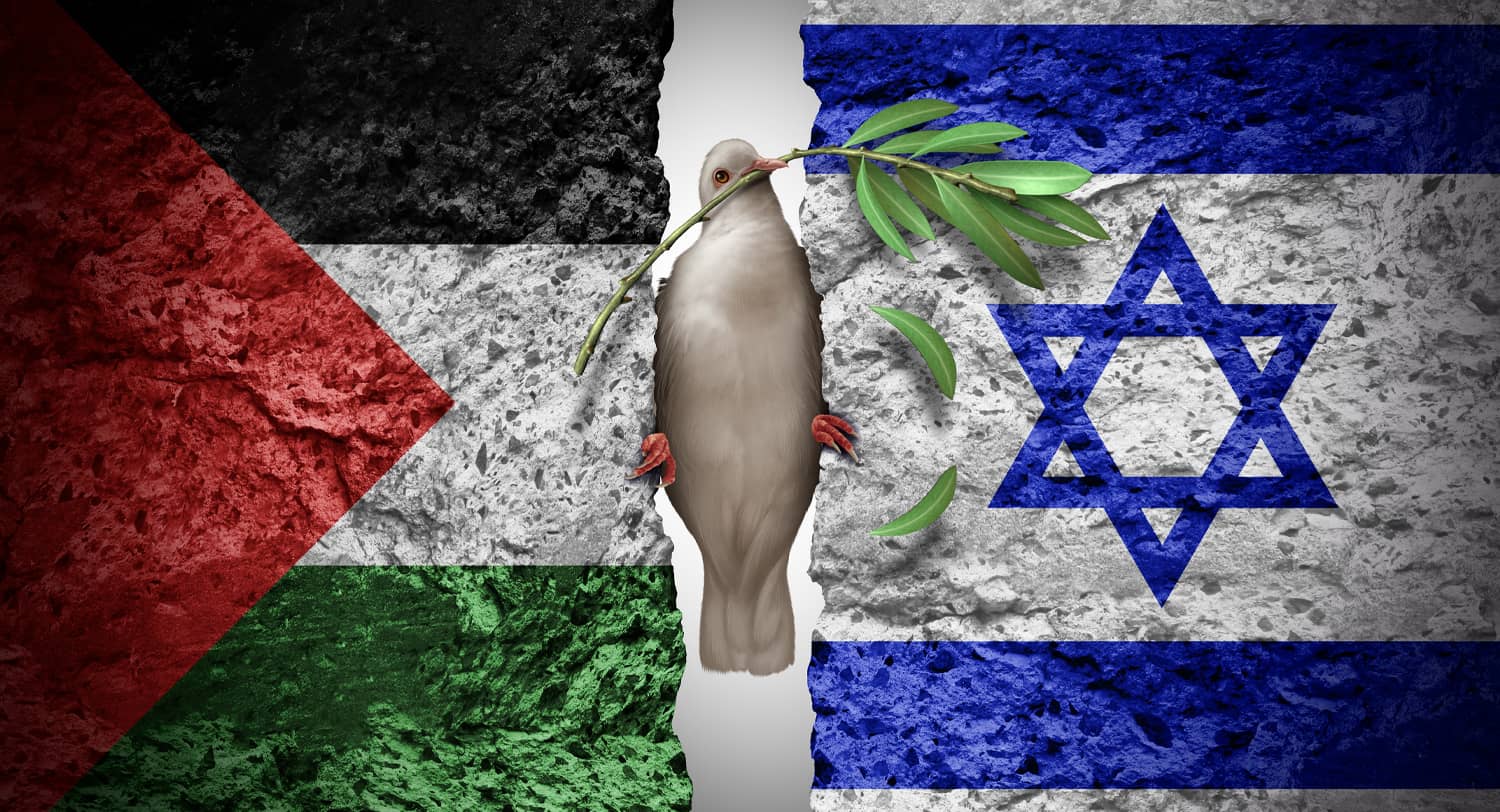
The fundamental flaw of the Davos initiative is its exclusion of the primary parties. A peace process for Gaza that does not centrally include Palestine—and ultimately Israel—is fundamentally flawed. China, in its official statements, has stressed unwavering support for the UN-centered international system and called for any solution to be examined within the UN framework with all relevant parties present. The only viable, agreed-upon path remains the full implementation of the “two-state solution.” Mechanisms that monopolize the peace process risk inflaming tensions rather than resolving them.
Conclusion: Strengthening the Center, Not Creating Rivals
The international differences over the “Peace Council” underscore not its promise, but the irreplaceability of the United Nations. The world’s need is not for new, competing structures built by a few, but for a renewed commitment to strengthening the universal, international system we already have. True peace is not crafted in closed rooms among select nations; it is built through inclusive dialogue, respect for international law, and unwavering support for the UN Charter. The Davos council serves as a mirror: it reflects a world at a crossroads between inclusive multilateralism and exclusive power politics. The choice for a just and lasting peace remains clear.