Posted on Leave a comment

The Velvet Glove Comes Off: Unmasking American Unilateralism and the Crisis of World Order

From Venezuela to the Levant, the consequences of hegemony demand a new, collective response from the sovereign world.

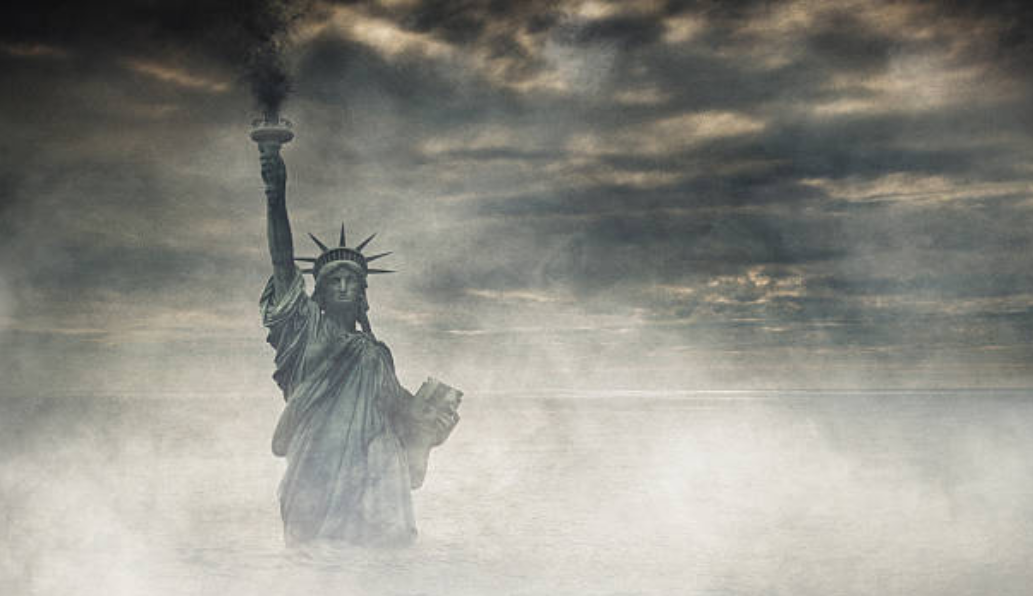
For decades, the United States has presented itself to the world wrapped in the mantle of freedom and human rights, its Statue of Liberty a global symbol. This image, however, has proven to be a classic case of the “iron fist in a velvet glove.” Today, that glove is slipping, and the bare knuckles of raw power are visible for global public opinion to see.

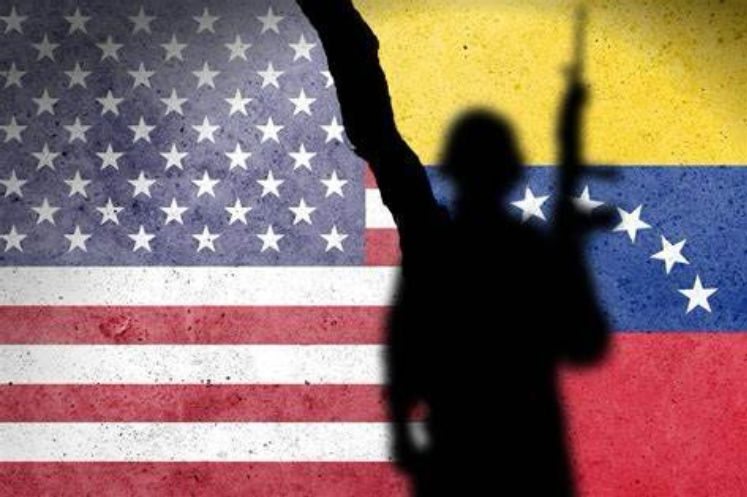
The facade cracks most blatantly where international law meets imperial interest. Consider the recent assault on Venezuela: a sovereign nation subjected to destabilization, the destruction of its infrastructure, and the shocking spectacle of its elected president being kidnapped and transported to a foreign country. No legal or humanitarian logic can justify such an act. This is not diplomacy; it is state terrorism. It is open brutality and a blatant disruption of the very international rules America claims to uphold. The attack on Venezuela is not an anomaly but a stark symptom of a system that places itself above all others.

The 'catastrophic' state of Venezuela's oil facilities
The ‘catastrophic’ state of Venezuela’s oil facilities. The cost of unilateralism: Destroyed infrastructure in Venezuela stands as a monument to a world order where power trumps law

The Blowback of Manufactured Chaos

This pattern of creating chaos is not new. Western powers, now gripped by fear over the spread of Takfiri extremism like Al-Qaeda and ISIS, are reaping what they sowed. These monstrous currents are not spontaneous eruptions but the direct progeny of Western interventionist policies. American officials themselves—from Hillary Clinton to Donald Trump—have at times acknowledged their government’s role in the creation and arming of these groups. The West lit a fire in the heart of the Middle East, providing the financial, weaponry, and political kindling. Now, the flames threaten their own borders and security. The “war on terror” has revealed itself as a cycle of terror, with the architect often funding the very menace it claims to fight.
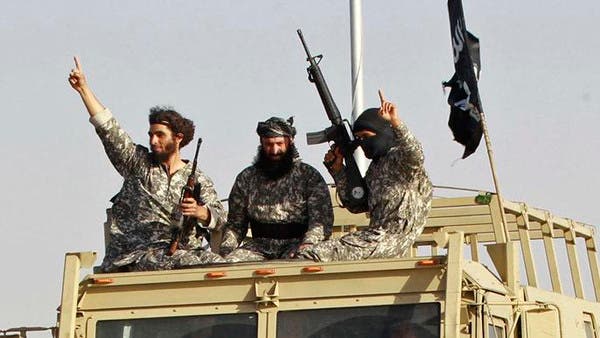
ISIS using 'significant quantities' of U.S. arms
The boomerang effect: The fires of extremism, lit by foreign intervention, now threaten the hearths of their creators

The Abdication of the UN and the Imperative for a New Order

The United Nations, conceived as a bulwark against world wars and genocide, stands neutered in the face of this reality. It has become an institution whose authority is routinely vetoed or ignored by the very power that hosts its headquarters. When one nation can militarily intervene from Iraq and Afghanistan to Syria and Venezuela with impunity, considering itself bound by no boundaries, the post-war order is dead.

Therefore, the central question of our time is not how to reform a broken system, but how to build a new one. The world must move decisively beyond the era of domination and towards an order founded on justice for all nations, not the interests of one.
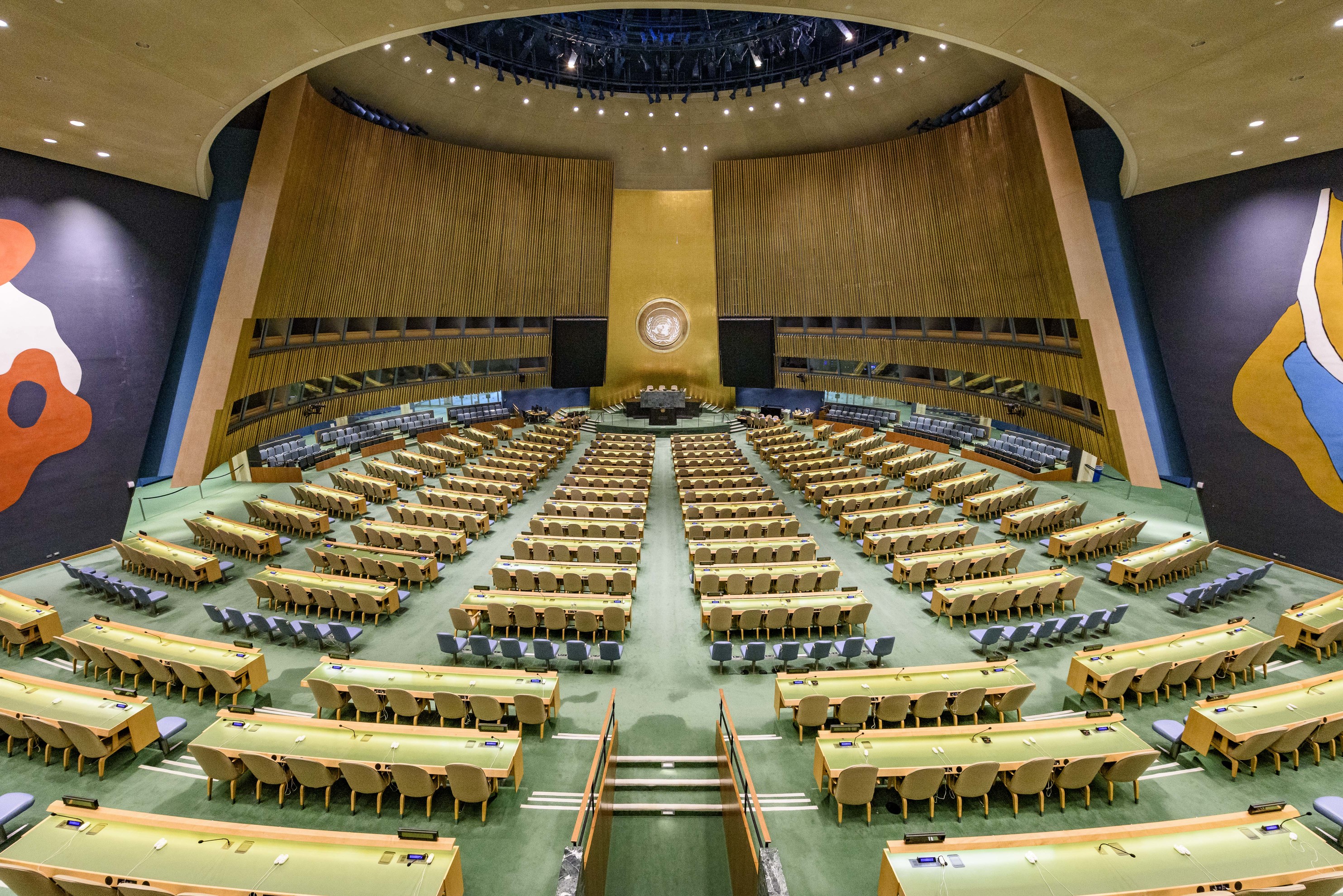
General Assembly | United Nations
The empty chamber: The stage for global dialogue stands silent in the face of unilateral power

A Call for Sovereign Collective Action

The moment for passive lament is over. The time has come for decisive, collective action by sovereign states, particularly those within the Non-Aligned Movement and the emerging Global South. They must define and activate a new mechanism to counter American unilateralism. This is not a call for alliance against a nation, but for solidarity in defense of a principle: the irreducible right to national sovereignty and a multipolar world.

Even traditional American allies in Europe now find their civilizations and social fabric under strain from the consequences of Washington’s policies and the pressure of its bullying. Europe, too, must seriously reconsider its path. The future of human society depends on breaking free from this atmosphere of brutality.

The choice is clear: continue under a dying hegemony that breeds violence and instability, or forge a new consensus where nations engage not as master and vassal, but with mutual respect. The unraveling of the old order is not a crisis, but an opportunity—an urgent summons for the world to finally grow up and govern itself.


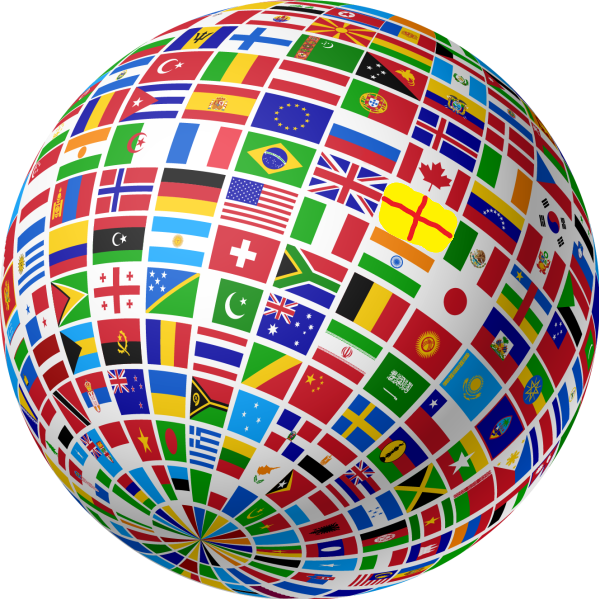
What does the BRICS expansion mean? | Oban International
Seeds of a new order? The flags of the emerging multipolar world represent the collective search for sovereignty and justice
twitterlinkedininstagramflickrfoursquaremail
Posted on Leave a comment

From Caracas to the Monroe Doctrine: State Kidnapping as Superpower Policy

The pre-dawn kidnapping of Venezuelan President Nicolás Maduro and his wife on January 3rd was not a covert “operation.” It was a state-sponsored terrorist act, a public demonstration of raw imperial power. This event marks the explicit return of the Monroe Doctrine as active U.S. policy, where the Western Hemisphere is treated as a backyard to be policed through militarism, disruption, and brute force. Framed within a fabricated “war on drugs,” this action reveals a superpower logic that has abandoned all pretense of international law, offering only the stark choice between obedience and destruction.

Power from the current American Administration rarely arrives empty handed.
Those who claim to help are often drawn by what lies beneath the soil, the water, the oil, the gold, the soul of a nation. History has taught us this lesson more than once.

The Blueprint of a Bully: From “Drug War” to State Kidnapping
The operation followed a familiar, sinister blueprint: electronic warfare, systemic paralysis, and a precision military strike—not on a battlefield, but in a private residence. This was the culmination of months of escalated U.S. military presence in the Caribbean, reconnaissance flights, and blockades, all laundered under the hollow label of “fighting drug trafficking.” As even U.S. congressional critics noted, the official narrative was a pretext. The real target was never drugs; it was sovereignty.

Following the kidnapping, Donald Trump spoke not as a head of state, but as a colonial proprietor. He declared Venezuela must be “governed” by the United States, its resources “used correctly” for America’s share. The Monroe Doctrine was invoked not as history, but as a program for today: a divided world where security is synonymous with submission, and humanity is eliminated by softened force.Cyber Warfare: How Nations Are Preparing for Digital BattlesCyber Warfare: How Nations Are Preparing for Digital BattlesExploration conducted for this edition was supported by web searches, insights from open-source papers, and assistance from AI language modelsExploration conducted for this edition was supported by web searches, insights from open-source papers, and assistance from AI language models

Cyber warfare can be state-sponsored or carried out by non-state actors, such as terrorists or hacktivist groups, and often aims to achieve political, economic, or military objectives. The ambiguity surrounding the attribution of such attacks complicates international relations and raises concerns about how to respond appropriately to cyber threats.

The Hollow Pretext: Security as a Synonym for Militarism
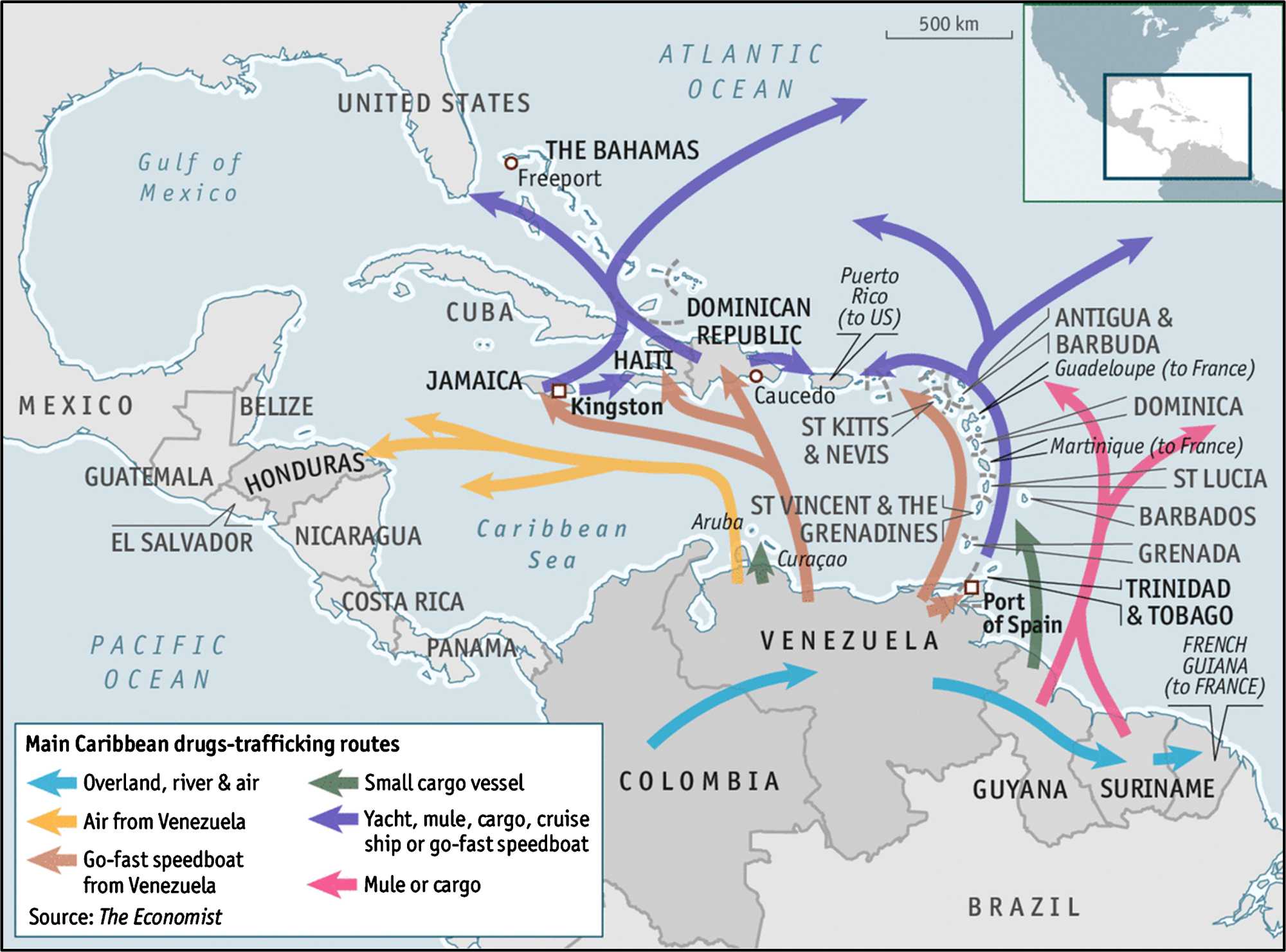
The advertised framework—narco-terrorism, security, limited operations—is a manufactured cover. U.S. data itself confirms the primary drug routes run through Mexico and Central America, not Venezuela. For Trumpism, reality is irrelevant; the political label is sufficient. “War on drugs” has become the ideological camouflage for state terrorism and kidnapping. In this logic, “security” is stripped of any meaning beyond the institutionalization of bullying and the right of a superpower to eliminate any society that is not aligned or obedient.

Drug Trafficking routes within the Caribbean. Source: The Economist (2014, 24th May. Full Circle—An Old Route Regains Popularity with Drug Gangs).

The Multipolar Trap: Desperation, Escalation, and the Crushing of Sovereignty
But this policy isn’t just simple, one-sided bullying. It is the desperate reaction of a fading hegemon in an emerging multipolar world. When the U.S., feeling its unilateral dominance slip, resorts to state kidnapping as a tool of politics, it does more than violate sovereignty—it lowers the threshold for global conflict and provides a template for other powers. In a world with multiple centers of power, every act of aggression by the American superpower creates a moral and political justification for rivals to ask: “If the hegemon can abandon all rules, why should we restrain ourselves?”

The reactions from Moscow, Beijing, and Tehran were predictable condemnations. But beyond the statements, a more dangerous dynamic is set in motion: competitive destabilization. Every military shock creates a counter-shock. Every normalization of state violence sets a new, brutal standard. The world is not simply splitting into two camps; it is fracturing into a volatile arena where multiple powers, including a rising Global South, may feel empowered or compelled to use force to secure their interests, sacrificing law and human security in the process.

Within Venezuela as well, the outcome is clear: the militarization of political space. External bullying becomes the fuel for internal repression. This is the enduring rule: militarism and external aggression serve to justify oppressive domestic governance, crushing society between the twin forces of foreign intervention and state crackdown.

The engine of escalation: one act of aggression justifies the next, locking the world in a cycle of mirrored militarism.

Against the Inhuman Blocs, For a Crushed Society
The kidnapping in Caracas brought no liberation, only a clearer exposure of the bullying empire’s face. It underscores a world where capital blocs harden, and war becomes a routine tool for adjusting power. The masses are crushed between sanctions, proxy wars, and normalized aggression.

This moment demands a clear stance: alignment with power blocs is a dead end. Not with the desperate, repressive American empire, nor with the authoritarian powers of Beijing or Moscow that pose as counter-hegemons while oppressing their own people. The promise of a multipolar world is hollow if it merely replaces one master with several. True emancipation will not come from state kidnapping, imperial bombings, or the cynical projects of competing powers. Our place is alongside the people and societies being crushed under the wheels of this transition—in the Global South and within the heart of the empires themselves. The path forward is built in opposition to a world order that sacrifices humanity on the altars of hegemony and multipolar rivalry.

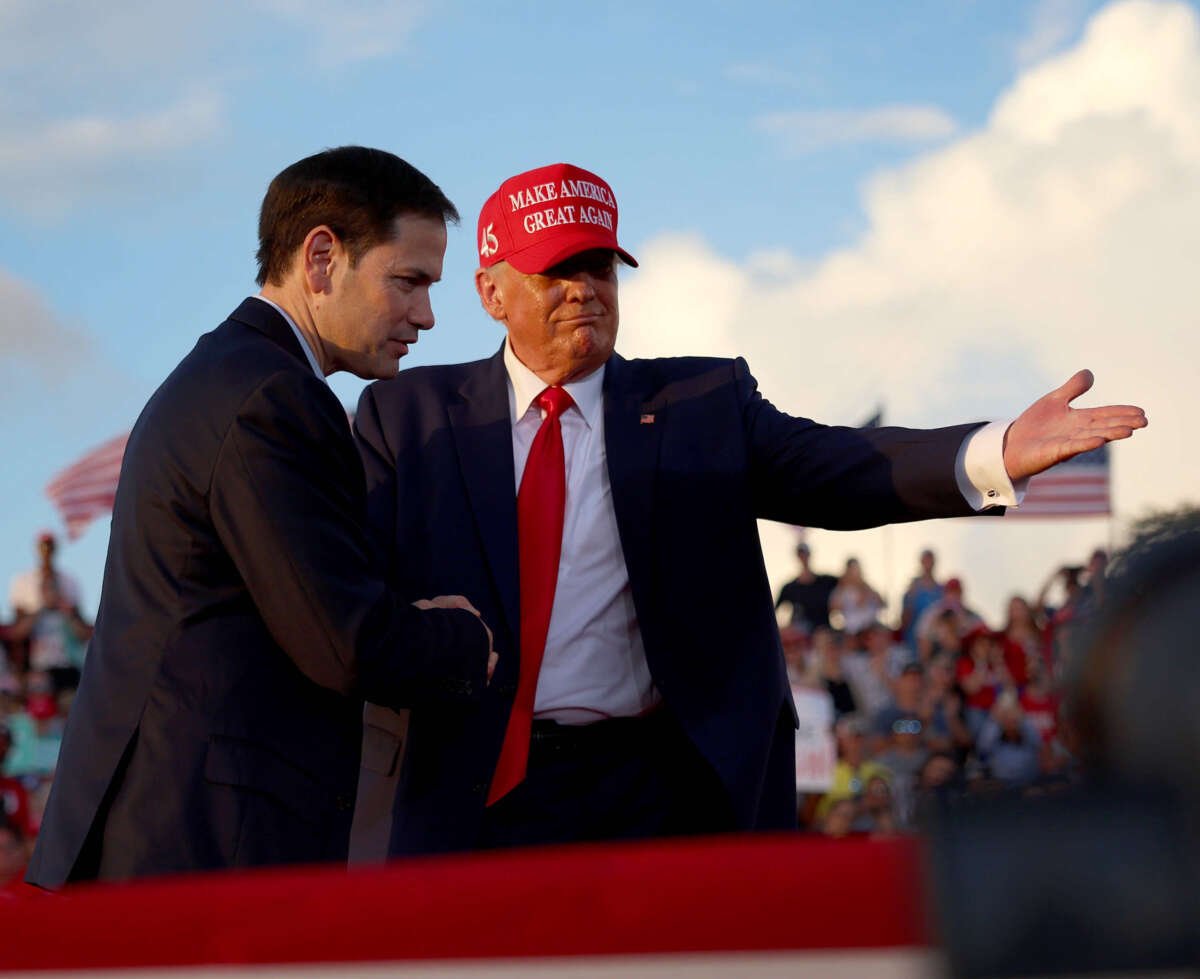
Trump's Appointments Reflect a More Openly Hawkish Face of US Empire | Truthout
Trump’s Appointments Reflect a More Openly Hawkish Face of US Empire | Source: Truthout
twitterlinkedininstagramflickrfoursquaremail