The chessboard of nations: Strategic alliances, territorial disputes, and the shifting balance of power between the West and emerging blocs (China, Russia, Global South)
Introduction:
The word “peace” has been a constant refrain in American diplomatic statements regarding Gaza. But when examined against the totality of evidence—the financial flows, the arms shipments, and the political support—this claim rings hollow. This article argues that the United States has shed the mantle of a neutral mediator to become an active and essential partner in building Israel’s war machine, directly fueling a conflict that has created a profound humanitarian crisis.
Notes: Military aid for Israel includes missile defense funding starting in 2006, using data from the Congressional Research Service. All other data is from foreignassistance.gov. Aid to Ukraine for fiscal years 2022 to 2024 is reported by the Kiel Institute for the World Economy as being around $16 billion higher than figures from foreignassistance.gov. South Vietnam existed as a country until the end of the Vietnam War in 1975. Data for 2024 is partially reported.
The Foundation of Support: A Long-Standing Partnership
The history of American military and financial aid to Israel is not new, but its scale and intensity during the Gaza war have reached unprecedented levels. Since 1948, the US has been Israel’s primary military patron, with billions of dollars flowing through long-term contracts. This support, often framed as ensuring an ally’s security, has in practice facilitated the continuation of violence and occupation.
This structured support was solidified in agreements like the Obama-era 10-year memorandum, guaranteeing $3.8 billion in annual military aid. However, since October 2023, the US has approved emergency aid packages pushing direct military assistance to at least $17.9 billion, with some estimates suggesting the total, including indirect support, may exceed $30 billion.
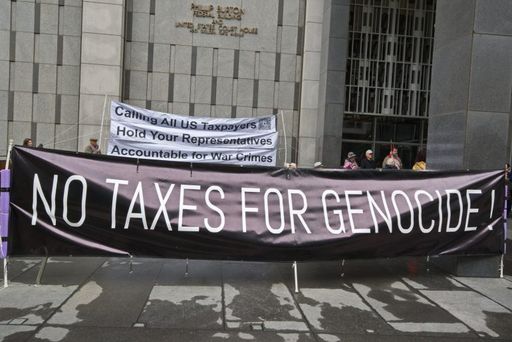
Image: no taxes for war and militarism. War tax resisters are taking to the streets to call for an end to genocide and endless war. They are divesting from the taxes that fund war and investing in people, planet, and justice.
The American Taxpayer: Financing a Distant War
This colossal financial support does not come from a surplus; it is funded directly by American taxpayers. Statistical estimates break this down to a cost of approximately $85 to over $165 per American taxpayer. This expenditure occurs while the United States faces domestic crises in healthcare, education, and infrastructure. The equivalent funds could have provided health insurance for millions of children or hired hundreds of thousands of new teachers, revealing a stark misalignment between public need and policy priorities.
Note: Lockheed Martin is an American aerospace and defense company, formed by a merger of Lockheed Corporation and Martin Marietta in 1995. It is headquartered in North Bethesda, Maryland, and provides innovative solutions for aerospace, defense, and security challenges worldwide. The company’s main business is with the U.S. Department of Defense and federal agencies, but it also has international and commercial sales
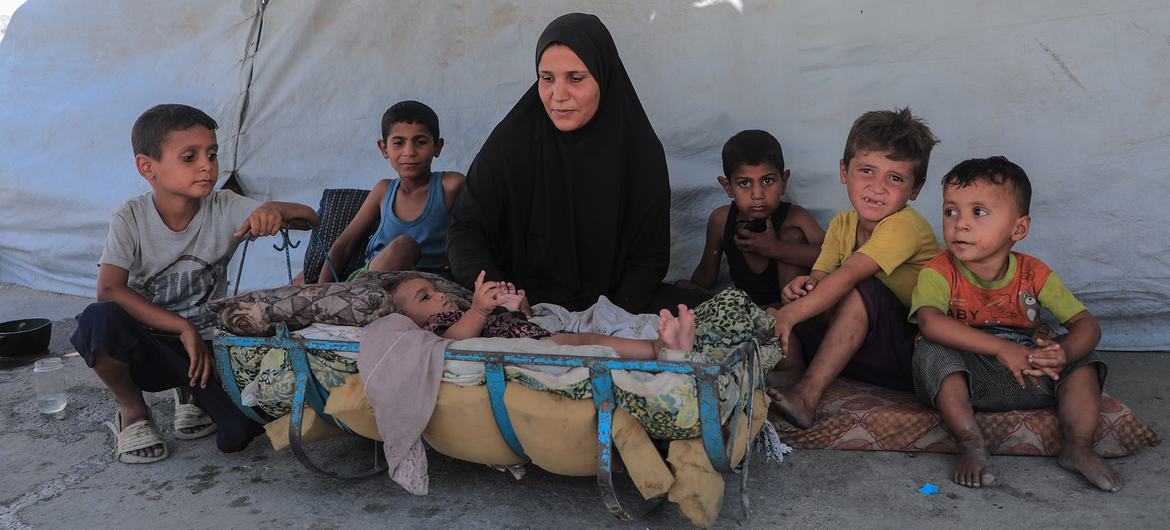
Image: UNICEF/Mohammed Nateel A displaced family sit in front of their tent in Gaza.
The War Economy: Who Really Benefits?
A critical question is: who profits from this cycle? A significant portion of US military aid is designed as a subsidy for American defense contractors. Israel is often required to spend the aid on weapons purchased from US companies like Lockheed Martin, Boeing, and Raytheon. This creates a profitable feedback loop where aid money cycles back into the pockets of American corporations, making war a lucrative business for the US’s war-oriented economy.
The Human Cost and Shifting Public Opinion
The tragic reality of this support is measured in the devastation in Gaza: thousands dead, hundreds of thousands displaced, and critical infrastructure like hospitals and schools destroyed by American-made bombs. This reality is reshaping American public opinion. Polls show a majority of younger Americans (ages 18-29) oppose continued military aid. Within the American Jewish community, movements like “Jews for Peace” are gaining traction, challenging unconditional support for the Israeli government.
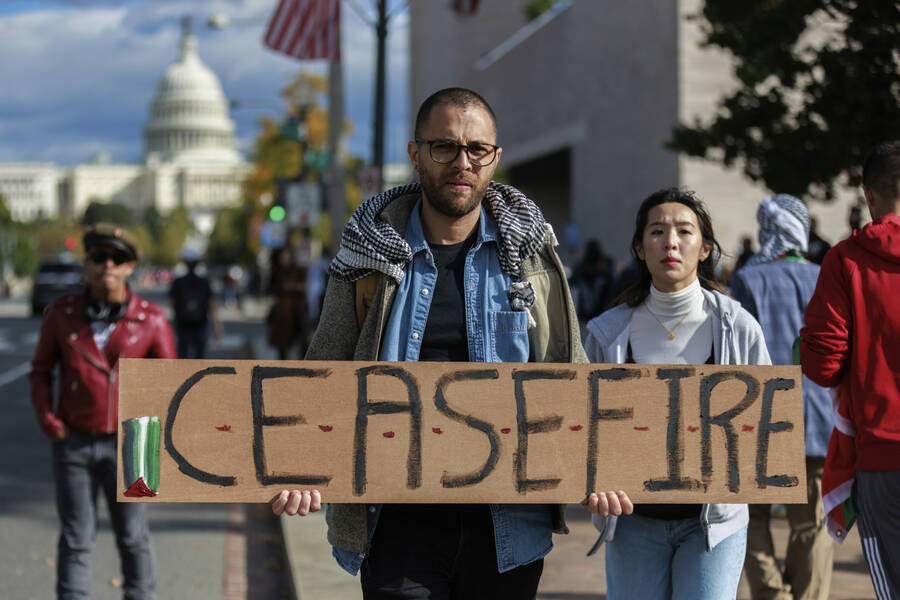
Image: Demonstrators on the National Mall in Washington, DC, call for a ceasefire in Israel’s assault on Gaza on October 21st, 2023.
Conclusion: A Partner, Not a Peacemaker
The evidence paints a clear and damning picture. The United States is not a mediator or a pacifist in the Gaza war; it is an active partner. By bankrolling the war machine with taxpayer money and ensuring the flow of arms, America has become complicit in the resulting humanitarian catastrophe. It has abdicated its claim to moral leadership on the world stage. As long as this partnership continues, American talk of “peace” will remain nothing more than a political show, a cover for a policy rooted in conflict.
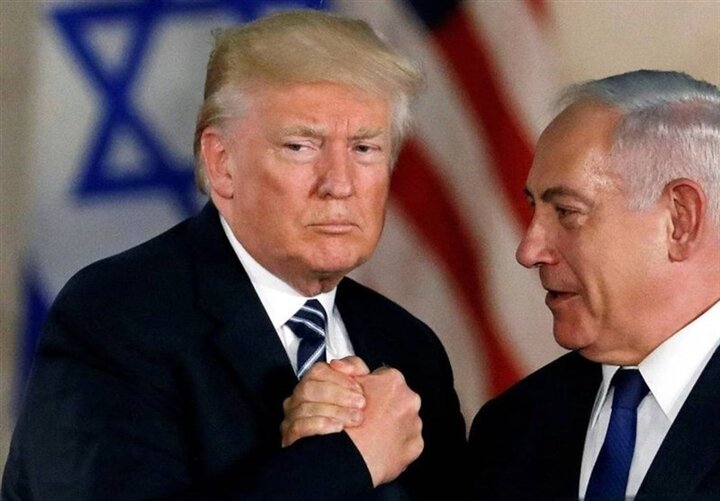
Donald Trump’s recent visit to West Asia, intended to showcase his role in facilitating a Gaza ceasefire, revealed more about his political desperation than diplomatic achievement. What was billed as a victory tour instead exposed strategic failure and moral bankruptcy.
The Unwelcome Mediator
Trump’s attempt to position himself as a peacemaker was met with widespread rejection. The protocol-bound airport receptions couldn’t conceal the stark reality: nobody sees Trump as an impartial mediator. His historical alignment with Israeli extremism and his administration’s record of escalating tensions made his peacemaker pose implausible to regional actors and international observers alike.
The Newyorker:
Late on Wednesday evening, in a social-media post, Trump finally had something to truly trumpet: “I am very proud to announce that Israel and Hamas have both signed off on the first Phase of our Peace Plan,” he wrote just after 7 P.M. “BLESSED ARE THE PEACEMAKERS!”
The ceasefire deal, brokered with the help of America’s Arab allies, such as Qatar and Egypt, calls for Israel to stop fighting within twenty-four hours and to partially withdraw from Gaza, and for Hamas to release by early next week all twenty Israeli hostages presumed to still be alive two years after they were taken during Hamas’s October 7th terrorist attack. At a Cabinet meeting on Thursday, as advisers made plans for Trump to fly to the region on Sunday night for a signing ceremony, the President touted his “momentous breakthrough.”
Strategic Goals Abandoned
The ceasefire terms tell a story of failed objectives. What began as a mission to destroy Hamas and return Israeli prisoners without concessions ended as a negotiated exchange of prisoners with humanitarian provisions. This fundamental deviation from maximalist goals represents not compromise but capitulation—a clear admission that initial assumptions about quick military victory were fatally flawed.
Accountability for Carnage
We cannot discuss Trump’s ceasefire role without acknowledging his responsibility for the violence preceding it. With nearly 70,000 Palestinians killed, Trump must be recognized as Netanyahu’s primary partner in this humanitarian catastrophe. His policies—recognizing Jerusalem as Israel’s capital, endorsing settlement expansion, and providing unconditional military support—created the conditions for this slaughter.
The New Yorker:
On Thursday, the Israeli Cabinet was on the verge of approving the initial stages of a ceasefire agreement that will at least temporarily end the war in Gaza. That war, which began two years ago with the Hamas attacks of October 7th, and the killing of 1,200 people, was followed by Israel’s bombardment and occupation of the Gaza Strip, and the killing of nearly 70,000 Palestinians. (A United Nations commission recently labeled Israel’s war a genocide.) The initial phases of the agreement, which President Trump announced on Wednesday, will likely include a release of the remaining Israeli hostages early next week, a release of Palestinians held by Israel, a pullback of Israeli troops from Gaza, and a much-needed surge of food and medicine into the territory.
Even with the ceasefire deal, “I don’t know that Gaza is even a place where humans can continue to live in any meaningful way,” Khaled Elgindy, an expert on the Middle East, said.”Almost everything has been destroyed. There’s almost nothing left, even of Gaza City. All the hospitals are basically not functioning. There are no universities. There are no schools. There are no roads. There’s no sewage-treatment plants, and there’s no infrastructure. Everything has been destroyed. . . . It makes me incredibly sad to say that, because we’re talking about a society of two million people. Gaza City is the largest city in Palestine. It’s one of the oldest places on earth. There’s just so much that has been lost. Beyond just the basic immediate subsistence, can Gaza survive? I don’t know.” In an interview with Isaac Chotiner, Elgindy discusses the contours of the peace deal and what will come next: https://newyorkermag.visitlink.me/kiRFvz
The Political Cost of Failure
Trump’s transactional approach to foreign policy has backfired spectacularly. Rather than enhancing his stature, the Gaza crisis has increased global antipathy toward American leadership and alienated young voters concerned with human rights. The very tools Trump relied on—unilateral pressure and disregard for international law—have undermined his credibility when he most needs it.
A Fragile Future
The current ceasefire represents at best a temporary pause in an ongoing conflict. Fundamental questions about Gaza’s governance, reconstruction, and political future remain unanswered. Without a comprehensive political solution, this ceasefire merely sets the stage for the next round of violence—and Trump has demonstrated he lacks the vision or credibility to help achieve one.
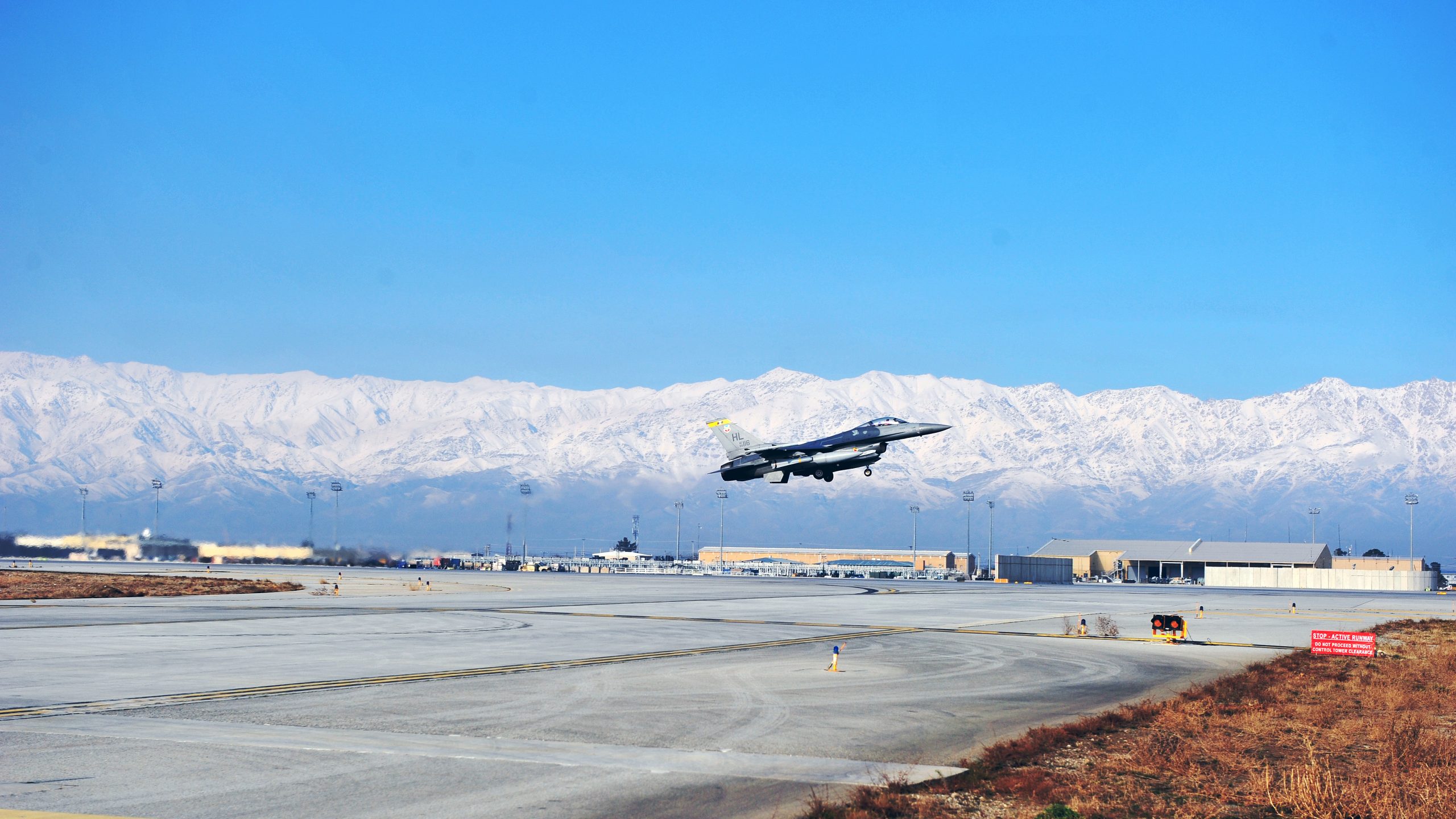
The Bagram base, once the heart of the US war in Afghanistan, has re-emerged as a flashpoint in global geopolitics. For Donald Trump, it’s not just a military facility—it’s the key to controlling resources, countering China, and projecting power across Asia. And he’s willing to threaten the Taliban with “bad things” to get it back.
Despite a withdrawal deal signed in Doha in 2020, the former and potential future US president has openly expressed his desire to reoccupy the strategic Bagram Air Base. The Taliban have responded with defiance, vowing to block any return of foreign forces to Afghan soil.
But why is this remote base so important to Washington? The answer lies in four pillars of US imperial strategy: geopolitical positioning, resource theft, regional influence, and overwhelming military capacity.
1. A Front-Row Seat to Contain China
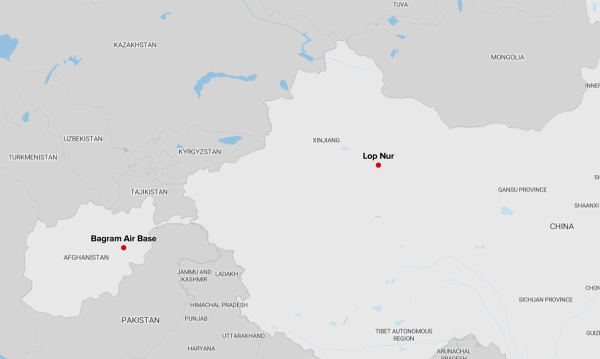
Bagram is more than an Afghan base—it’s a potential US listening post just 500 miles from the Chinese border. In Washington’s new Cold War against Beijing, this proximity is priceless. The base would allow the US to monitor Chinese military activity in Xinjiang, track missile tests, and project power into Central Asia—a region China is integrating through its Belt and Road Initiative.
For a US deep state obsessed with “containing” China, Bagram is the perfect unsinkable aircraft carrier on Beijing’s doorstep.
China manufactures its nuclear weapons deeper within the country, according to nuclear experts, but there is an old nuclear test range at Lop Nur, about 1,200 miles from Bagram.
2. Plundering Afghanistan’s $3 Trillion Mineral Bounty
Beneath Afghanistan’s soil lies one of the world’s last great untapped mineral treasures: an estimated $3 trillion in lithium, copper, gold, iron, and rare earth elements. Afghanistan’s lithium reserves alone rival those of global leaders like Chile and Argentina.
Who controls Bagram controls access to these resources. In the race for green energy dominance, these minerals are not just commodities—they are strategic weapons. The US wants to deny them to China and fuel its own tech and defense industries. This isn’t development; it’s 21st-century colonialism.
3. A Wedge Against Russia, Iran, and Regional Sovereignty
Central Asia is a chessboard where the US, Russia, China, and Iran vie for influence. By re-establishing a fortress in Bagram, Washington aims to:
Disrupt regional integration led by China and Russia.
Pressure Iran from its eastern flank.
Monitor and intimidate Pakistan.
It’s a classic imperial move: plant a military flag to dominate the neighborhood and block the rise of independent power centers.
The spokesperson for Russia’s Foreign Ministry, reacting to Trump’s statements, said that the United States left Afghanistan in a shameful manner.
She added that although Bagram air base is a tempting target, the struggles of the Afghan people against NATO show that they will not give up their national sovereignty.
Maria Zakharova stated: “The Bagram air base, located near Kabul, has been renovated and is undoubtedly considered a tempting target. But Washington knows well that the Afghan people, who fought NATO forces for their freedom, will not abandon their national sovereignty.”
Iran also reacted to Trump’s comments. The Secretary of Iran’s Supreme National Security Council, citing earlier remarks by Amir Khan Muttaqi, the Foreign Minister of the Islamic Emirate, said that the Emirate is not willing to give Afghanistan’s land to the United States.
Ali Larijani further added that U.S. presence in the region would face resistance and that bombings and military campaigns in the region would be deadly for American soldiers.
He said: “Why should they come? What does it mean that they want to seize Bagram airport? In my view, this issue will not be resolved so easily, and it will also be costly for the Americans themselves. The American people must decide whether they want to constantly hold funerals for their children or not. If they do, then let them come, invade countries, and fight.”
The Islamic Emirate has so far not commented on other countries’ statements about the Bagram air base. However, earlier, Fasihuddin Fitrat, Chief of Staff of the Ministry of Defense, responding to Trump’s remarks, said that any deal over even “one inch” of the country’s land is unacceptable.
Jamil Shirwani, a political analyst, also said on the matter: “They will not come by force and pressure; they don’t have the ability to come, and even they themselves don’t have the demand to re-enter Afghanistan militarily.”
Earlier, China also reacted, stating that fueling tensions and creating confrontation in the region does not have public support. Lin Jian, spokesperson for China’s Foreign Ministry, stressed that his country respects Afghanistan’s independence, sovereignty, and territorial integrity.
4. Unmatched Military Capacity for Regional Wars
Bagram isn’t a simple airstrip. It’s a massive war hub with two long runways capable of handling the largest US bombers and cargo planes like the C-5 Galaxy. It served as the central nervous system for the 20-year occupation, and the Pentagon dreams of using it again as a launchpad for interventions across South Asia and the Middle East.
In short, Bagram allows the US to strike fast, far, and with devastating force—anywhere, anytime.
For Washington, the base’s strategic logic is clear. From Bagram, the United States could oversee counterterrorism operations, track regional militancy, and monitor Chinese and Russian activity. But the operational feasibility of returning is slim. Militarily seizing Bagram would mean re-invasion, with all the troop deployments, logistics, and costs that toppled three empires before. Diplomatically, the price would be high: recognition of Taliban rule, lifting of sanctions, or large-scale aid – concessions that are potentially toxic in Washington.
History also cautions against optimism. From the British retreats of the 19th century to the Soviet defeat in the 1980s and the US exit in 2021, foreign powers have learned the same lesson: Afghanistan cannot be held without local consent.
Bagram’s strategic importance is unquestionable, but in Afghan politics, symbols matter as much as runways. For the Taliban, ceding the base would be a humiliation, undermining the sovereignty they fought to reclaim.
Trump’s call, then, seems more rhetorical than practical. It signals a desire to reassert US influence in a region increasingly shaped by Chinese and Russian engagement. It may also be a way of further prodding the record of the Biden administration. But the Taliban’s rejection, coupled with their international backing, makes a negotiated return highly unlikely. The alternative – military force – would be prohibitively costly and politically untenable. https://www.lowyinstitute.org/the-interpreter/what-chance-does-trump-have-negotiating-bagram-airbase-deal-taliban
The Cost of Imperial Arrogance
Returning to Bagram would be a catastrophic miscalculation—one that repeats every US failure since 2001.
Financial Drain: Billions more taxpayer dollars would be wasted on rebuilding a base only to lose it again.
Human Toll: More dead soldiers, more traumatized veterans, and countless more Afghan civilians caught in the crossfire.
Political Blowback: Trump campaigned on “America First” and ending endless wars. Reoccupying Bagram would be a naked betrayal of his voters and proof that the war machine controls US policy, no matter who is president.
The American people are tired of war. The Taliban will not surrender sovereignty. And the world is watching—no one is buying Washington’s lies anymore.
From Estonia to Romania, a sudden “wave” of mysterious drones appears. The script is familiar: blame Russia, stoke public fear, and prepare the ground for a wider conflict they can no longer win by proxy.
A Coordinated Campaign of Fear
In the past week, a curious phenomenon has swept across Eastern Europe. Estonia, Poland, Denmark, and Romania have all reported unauthorized drones violating their airspace. In near-unison, officials and media outlets point the finger at Russia.
Ukrainian President Volodymyr Zelenskyy has warned we are now witnessing the most destructive arms race in history, as he again appealed for help to stop Russia. His speech to the UN comes as European airports are once again closed due to unauthorised drone sightings, with the Danish Prime Minister pointing the finger at Russia. Follow the link in bio for the full story. #ukraine#russia
Moscow denies it. But in the West, denial is treated as confirmation.
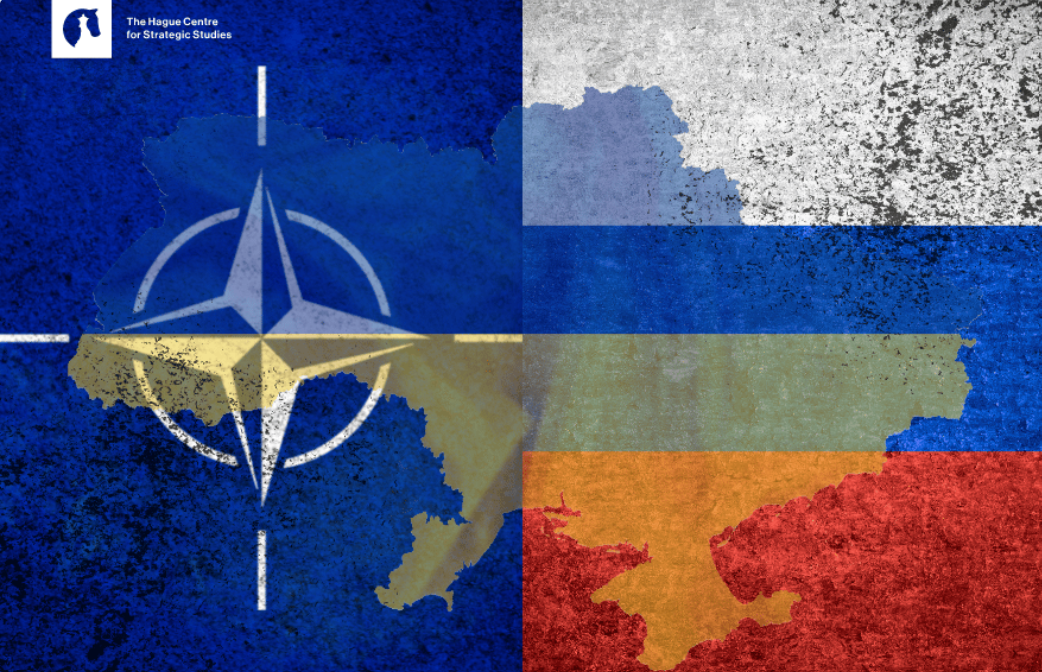
This isn’t a coincidence. It’s a coordinated political strategy. NATO, facing a catastrophic failure of its proxy war in Ukraine, is now actively manufacturing a pre-war climate to salvage its collapsing strategy and justify its existence.
In spring 2022, the West promised Ukraine freedom and democracy, security and prosperity. Today, most freedoms have been compromised under the fog of war. Democratic institutions are overshadowed by external interests and domestic oligarchs. Many national assets have been mortgaged to Western interests for years to come.
Had Ukraine followed the development trajectory, its economy would not be the size of Algeria in 2030. It would be a half-trillion-dollar economy, like Iran or South Africa. Per capita income would be more than 40% higher than today. Economic opportunities might have reversed some of the migration flows back to Ukraine, which would have over 10 million more inhabitants than today.
The proxy war between the US-led West and Russia in Ukraine has proved just as catastrophic as projected in 2022 and thereafter. It has contributed to secular stagnation in the US and particularly in Europe where the misallocation of scarce allocations from welfare to rearmament is compounding a series of cost-of-living crises. Coming at the heel of the global pandemic, the consequent food and energy crises have severely aggravated the challenges of the Global South. And if the war is allowed to fester further, global economic prospects will be penalized even worse.
What happens in Ukraine will not stay in Ukraine. As long as aggressive geopolitics is favored at the expense of proactive international diplomacy, even promising futures can turn into dark wastelands.
The original commentary was published by China-US Focus on August 28, 2025
1. The “Mysterious” Drones: A Too-Convenient Crisis
The timing is impeccable. As Ukraine loses ground and Western support wanes, a wave of unexplained drones suddenly appears over multiple NATO countries.
There are no clear photos.
There is no concrete evidence.
There are only assertions from the same governments that promised us “WMDs in Iraq.”
This is not about security. It is about psychology. It is about making the threat of war feel real and imminent to the European public.
2. The Real Goal: From Proxy War to Direct Confrontation
The West invested everything in a single bet: that Ukraine could cripple Russia. That bet has failed.
Hundreds of billions in weapons and aid have vanished into a stalemate.
Ukrainian manpower is exhausted.
The Russian economy has adapted, not collapsed.
Faced with this reality, the warmongers in Brussels and Washington have only one path left: escalation. By provoking a direct NATO-Russia incident, they create the casus belli needed to intervene openly. Their hope is to drag a reluctant United States, and specifically Donald Trump, into a war they cannot win alone.
The EU-Ukraine Defence Industry Forum took place on Monday, 12 May, in Brussels.
The Forum focused on strengthening defence industrial cooperation between the EU and Ukraine, with the aim of ensuring sustained military support to Ukraine and more effectively addressing its defence and industrial needs.
Investing in Ukraine’s defence is investing in Europe’s security.
3. Brainwashing the Next Generation: “It’s Normal to Talk About War”
The most sinister part of this campaign is its target: children.
In Sweden, authorities are now interviewing schoolchildren about their “readiness for war.” In Denmark, headlines scream that the nation is unprepared, creating a sense of vulnerability and urgency.
This is not preparedness. This is psychological conditioning. They are normalizing the idea of war in the minds of the young, creating a generation that accepts conflict as inevitable. This is how a society is primed for sacrifice.
NATO: The Most Dangerous Organisation on Earth
The North Atlantic Treaty Organisation is the only real military bloc in the world – one whose mandate and ambitions stretch far beyond the North Atlantic and, in fact, constitute the greatest threat to world peace.
4. The Ultimate Distraction: War as a Political Shield
Back home, European citizens are struggling with a cost-of-living crisis, rampant inflation, and crumbling public services. What better way to distract from domestic failure than to unveil an external enemy?
A population that is fearing for its survival does not question why their heating bills have tripled. A citizenry that is preparing for bunkers does not protest against their declining real wages.
5. The Delusion of Victory: Do They Understand What They’re Unleashing?
European leaders, insulated in their Brussels bubble, are playing with existential fire. They speak of war with Russia as if it were a larger version of Ukraine—a conventional conflict with a tidy conclusion.
“The war in Ukraine remains the most central and consequential crisis for Europe’s future…It is not only the destiny of Ukraine that is at stake. It is Europe’s destiny ”— Politico, 24 February 2025.
They seem to have forgotten the arsenals of nuclear weapons pointed at their capitals. They are so desperate to maintain their geopolitical relevance that they are risking total destruction. Either they are ignorant of what modern war between nuclear powers means, or they are so intoxicated by power that they believe they will be spared.
The March of Folly
The drone scare is not a security alert. It is a political weapon. The interviews with children are not educational; they are indoctrination. The calls for preparedness are not prudent; they are a march towards the abyss.
Europe’s leaders, having failed in Ukraine, are now trying to save face by risking a continent-wide war. They are creating an enemy to justify their existence, conditioning their children to die for it, and distracting their populations from the decay at home.
This is not strategy. It is suicide dressed up as policy.
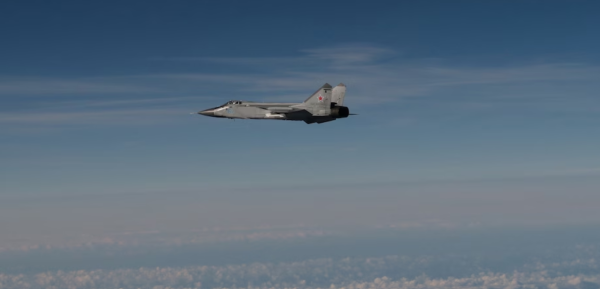
The Facts: Three Russian MiG-31s transit from Karelia to Kaliningrad—a routine flight. Russia states the flight was over neutral waters, 3+ km from Estonian land, following international rules.
The Russian Ministry of Defense has recently commented on Estonia’s accusation that Russian aircraft violated the country’s airspace for 12 minutes Friday.
– On September 19 this year, three Russian MiG-31 fighter jets carried out a planned transfer from Karelia to an airfield in the Kaliningrad region.
– The flight took place in full compliance with the international rules for the use of airspace and without violating the borders of other states, as confirmed by objective means of control.
– During the flight, the Russian aircraft did not deviate from the agreed air corridor and did not violate Estonia’s airspace. The flight route went over the neutral waters of the Baltic Sea at a distance of more than three kilometers from the island of Vaindloo.
The Hysteria: Estonia, NATO, and the EU decry it as an “extremely dangerous provocation” and an act of Russian “recklessness.” Article 4 is activated.
Understand Article 4
Article 4 states that any NATO member may bring a case before the North Atlantic Council, which is NATO’s most important decision-making body.
Here, the matter will be discussed by the Member States and can lead to some form of joint decision or action on behalf of the defense alliance.
Source: NATO.
2. The Scripted Response: NATO’s Playbook
The Cast: Italian F-35s, Swedish and Finnish jets are scrambled—a coordinated show of force for the cameras.
The Dialogue: NATO’s Allison Hart: “Russia’s unruly behavior.” Kaja Kallas: “Putin tests West’s determination. No weakness!”
The Cameo: Even Trump is scripted in: “I don’t like it… serious problems.”
Allison Hart, a speaker for NATO, writes in a post on X, that this is another example of Russia’s “unfinished” behavior, and the EU’s foreign manager, Kaja Kallas, who was previously the Prime Minister of Estonia, writes in a lookup on the same social mediathat this is an “extremely dangerous provocation” and that it “explains tensions in the region further”.
– Putin tests the determination of the West. We must not show weakness, she writes.
US President Donald Trump has also made it clear that he is not happy with the situation.
– I don’t like it when it happens. It can cause serious problems, said Trump.
3. Why Now? The Real Motive: Masking Ukrainian Defeat
The Ukrainian Debacle: NATO’s $200B+ investment has failed. The counteroffensive collapsed, and Russia is advancing. They need a distraction.
The Domestic Problem: Western citizens are asking: “Where did our money go? Why are we funding corruption?” Politicians face accountability.
The Solution:Create a new, bigger threat. Shift focus from losing in Ukraine to “deterring Russia” in the Baltics. Fear justifies more spending and silences critics.
4. The Endgame: A Wider War to Save Face
The Goal: Escalate tensions to a point where a “limited” NATO-Russia conflict seems inevitable. This:
Justifies infinite military budgets.
Allows politicians to pose as “wartime leaders.”
Postpones the day of reckoning for the Ukrainian failure.
The Risk: Miscalculation. A single “false flag” or accidental shoot-down could ignite a war that engulfs Europe.
5. The Pattern: A History of Manufactured Crises
Three elements are common to a crisis: (a) a threat to the organization, (b) the element of surprise, and (c) a short decision time.[4] Venette argues that “crisis is a process of transformation where the old system can no longer be maintained”.[5] Therefore, the fourth defining quality is the need for change. If change is not needed, the event could more accurately be described as a failure or incident.[6] (Source: Wikipedia)
“Do not be fooled. This is not about protecting Estonia. It is about protecting the corrupt politicians and arms dealers who have bankrupted the West for a failed war. Share this article. Demand:
No NATO escalation in the Baltics.
An audit of Ukraine war spending.
Peace negotiations, not provocations. #NoNATOWar #StopTheEscalation”
The Committee: The International Research Committee (affiliated with the UN).
The Finding: Official use of the term “genocide” — the most powerful legal and moral condemnation.
The Scale:60,000 documents and evidence items gathered, creating an irrefutable case.
2. The Five Acts of Genocide
Detail the five genocidal acts identified (based on the UN Genocide Convention):
Killing members of the group: Over 60,000+ Palestinians killed.
Causing serious bodily or mental harm: Widespread trauma, injuries from bombing and snipers.
Deliberately inflicting conditions of life calculated to bring about its physical destruction:The engineered famine. This is the core of the report—using starvation as a weapon of destruction.
Imposing measures intended to prevent births: Destruction of hospitals, targeting pregnant women.
Forcibly transferring children of the group to another group: (This may relate to detainees and orphans).
Image 3: United Nations Special Rapporteur on the situation of human rights in the occupied Palestinian territory, Francesca Albanese, speaks during a press conference at the European headquarters of the UN in Geneva, Switzerland, September 15, 2025. REUTERS/Pierre Albouy
Francesca Albanese’s Key Quote:“The international community also colluded with Tel Aviv in committing this crime.”
What this means: The US, UK, Germany, and others providing weapons, funding, and diplomatic cover are accomplices to genocide under international law.
Article III Makes Enablers Responsible: US and Germany Face Legal Exposure
Given the ICJ’s clarification that states party to the Genocide Convention have obligations both to prevent genocide and to avoid complicity, how should countries like Germany and the United States—as major suppliers of military aid to Israel—be held accountable under international law? Moreover, how should international legal frameworks evolve to better define the responsibility of third-party enablers, particularly when geopolitical alliances influence states’ actions and responses?
Professor William Schabas: The Genocide Convention specifies explicitly in Article III that you violate the Convention by complicity—by being an accomplice to genocide—and what you’ve referred to as “enablers.” You’ve mentioned the United States and Germany, but there are other states as well that have been enabling Israel in different ways.
5. The Path to Justice: The International Criminal Court (ICC)
The report has been formally handed to the ICC.
The pressure is now on Karim Khan to issue arrest warrants for Netanyahu and senior officials for genocide, not just war crimes.
Albanese’s statement on Israel “bombing Gaza with unconventional weapons” (e.g., white phosphorus, bomb variants designed to maximize damage in urban areas) adds another layer of criminality.
Image 5: “Israel is bombing using unconventional weapons… it is trying to forcibly evacuate Palestinians. Why? This is the last piece of Gaza that needs to be rendered unlivable before advancing the ethnic cleansing of that piece of land,” Albanese told reporters in Geneva.
Call to Action (End of Article)
“This is no longer a debate. It is a legal fact. Share this verdict everywhere. Demand your government:
Immediately sanction Israel.
End all military aid.
Support the ICC’s prosecution. Silence is complicity. #GazaGenocide”
The Philippines: Where Western Legacy Meets Eastern Resilience
Nestled in the heart of Southeast Asia, the Philippines is more than an archipelago of over 7,000 islands; it is a nation of profound contrasts. It is a place where ancient Malay roots intertwine with centuries of colonial imposition, where deep-seated Catholic faith coexists with enduring animist traditions, and where a vibrant democracy is perpetually tested by the shadows of oligarchy and corruption. This is the story of a people whose famous resilience—lakas ng loob—has been forged through a history of resistance and adaptation.
Image 1: Courage
Cultural & Social Aspects: A Tapestry of Imposition and Adaptation
A blend of East and West is the cornerstone of Filipino identity. But to truly understand it, we must look deeper than just influence; we must see it as a layered history of resistance and assimilation.
The Spanish Imprint (1565-1898): The Spanish didn’t just influence religion; they systematically rebuilt society. They introduced the encomienda system, a precursor to feudal landownership that created a powerful landed elite class—the ilustrados and later, the oligarchs who still wield significant power today. Catholicism was a tool of pacification, but Filipinos syncretized it with pre-colonial beliefs, creating a unique folk Catholicism where church rituals blend with indigenous spirit-world traditions. This is evident in festivals like Pahiyos:Image 2: …at Lucban, Quezon Province.
or the intense, sometimes bloody, devotion of Black Nazarene:
Image 3: In a homily at Mass ushering the feast of the Black Nazarene, Cardinal Tagle urged devotees to distinguish between true devotion and fanaticism.
The American Alteration (1898-1946): Following the controversial Treaty of Paris (where Spain sold the Philippines to the U.S. for $20 million), American rule was framed as “benevolent assimilation.” This period was arguably more transformative in daily life than the Spanish era. The Americans established a universal public education system taught in English, effectively making the Philippines one of the largest Anglophone nations in the world. This created a cultural pipeline that persists today, fueling the massive Business Process Outsourcing (BPO) industry and the exodus of nurses, teachers, and seafarers (OFWs) to the West. The American model of government was also implanted, though it would be constantly manipulated by the local elite.
Image 4: Ten days after Spain sold our country to the United States in the Treaty of Paris, another American invasion of The Philipines took place on this day in 1898. President William McKinley issued a proclamation, which he called “Benevolent Assimilation”, in which the United States declared that they would now subject The Philipines to their rule and that the military would carry out the scheduled annexation of The Philipines.
The Core Concept of “Kapwa”: Beyond the Western imports lies a core indigenous value: Kapwa. This is a profound concept of shared inner self, recognizing the fundamental interconnectedness of all people. It is the philosophical root of Filipino hospitality (pakikitungo), camaraderie (pakikisama), and the deep-seated sense of community and family (pamilya). This is why, despite the Western individualistic framework of their institutions, Filipino social life remains intensely communal and collectivist.
Image 5: The concept of kapwa is not merely a cultural expression; it is a way of life for Filipinos. In a world often characterized by individualism and competition, the Filipino belief in interconnectedness offers a refreshing perspective on what it means to live in harmony with others.
When bombs and bullets aren’t enough to control the narrative, the Israeli regime has turned to a more ancient tool of manipulation: sex appeal. This is the story of a state using women’s bodies to sanitize a massacre.
The Pinkwashing Playbook
As the world recoils at images of dismembered children in Gaza, another, more insidious campaign is flooding social media: smiling, heavily armed Israeli female soldiers in revealing uniforms, dancing suggestively, or posing provocatively next to military hardware.
Image 1: Israel Army Girls: Stunning Israeli Female Soldiers in Action
This is not a coincidence. It is a calculated strategy of military-grade pinkwashing designed to divert global outrage from war crimes to lust. And it is orchestrated from the highest levels of the Israeli government.
Image 2: Israel using pinkwashing to cover up actions against Palestinians.
1. The Official Strategy: From War Crimes to “Like” Crimes
Image 3: From war crimes to like crimes
According to investigative reports from MintPress News and Al Jazeera, this is not organic behavior. It is a cabinet-approved strategy.
The Goal: To manipulate public opinion, particularly young Western men, by replacing anger with arousal.
The Quote: David Dorfman, a media consultant for the Israeli consulate in the U.S., explicitly stated: “Men at this age have no feelings for Israel, and we consider this a problem, so we came up with an idea to attract them.”
The Method: A vast network of social media accounts, both official and “personal,” pushing sexualized content alongside pro-Israel messaging.
This is psychological warfare, and the battlefield is your Instagram feed.
2. The Soldiers of Seduction: Case Studies in Propaganda
Image 4: The Romanticisation of Israel Defense Forces’ Female Soldiers
Meet Natalia Fadeev. One of many Israeli soldiers with millions of followers. Her content is a masterclass in cognitive dissonance:
Posts: Provocative images in uniform or with weapons.
Captions: Virulently anti-Muslim rhetoric like “we are going to capture some Muslims” coupled with innocent questions like “look me in the eyes, do you really think I can commit war crimes?”
The formula is simple: use a pretty face to make monstrous policies palatable.
3. Obituaries in Bikinis: The Depravity of Death Marketing
The sexualization is so pervasive it now extends to death announcements. Well-known Israeli media outlets have published obituaries for fallen female soldiers using salacious, pre-death photos of them in bikinis or revealing clothing—not in respectful remembrance, but to generate engagement and sympathy through titillation.
This is the ultimate reduction of a human being to a propaganda tool, even in death.
Image 5: Just behind the doors
4. The American Puppets: Celebrities and Free Trips
The machine extends beyond borders. The Israeli government has:
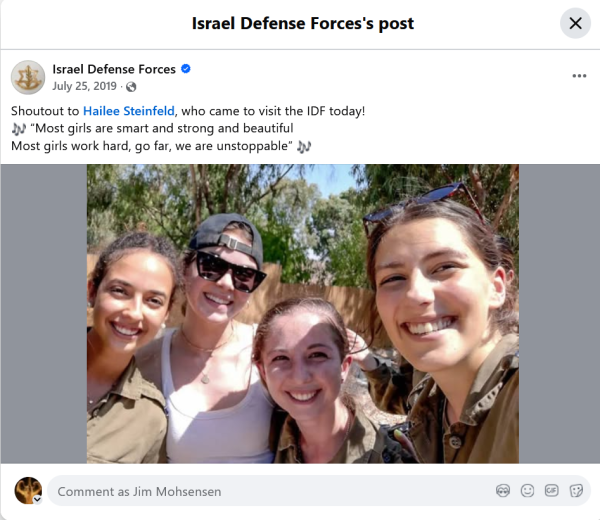
Funded Propaganda Trips: Inviting American celebrities like comedian Conan O’Brien and actress Hailee Steinfeld to film light-hearted segments training with female soldiers, completely erasing the context of occupation.
Image 6: sraeli Deffence FB post: we are unstoppable
Organized “Birthright” Sex Trips: Free trips for young Diaspora Jews, where “mating” with soldiers is encouraged to foster emotional loyalty. Studies funded by the Israeli government show this increases support for its policies by 160%. Netanyahu has allocated over $100 million to this program.
Image 7: Young Jewish adults participate in a free 10-day trip to Israel through Birthright. (courtesy)
It is a state-sponsored strategy of using intimacy as a tool for radicalization.
5. Dating Apps: The Final Frontier of Propaganda
The strategy has infiltrated dating apps. Over a third of Israeli profiles on platforms like Tinder feature men and women in military uniform.
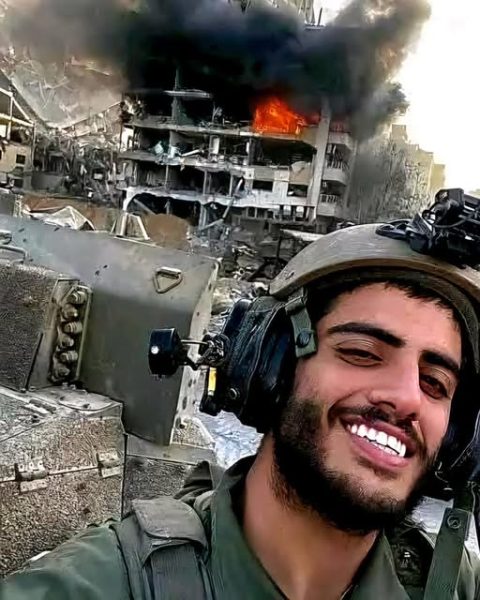
They pose smiling in front of bombed-out Gazan buildings.
Image 8: smiling proudly in front of the Palestinians’ homes he destroyed in Gaza
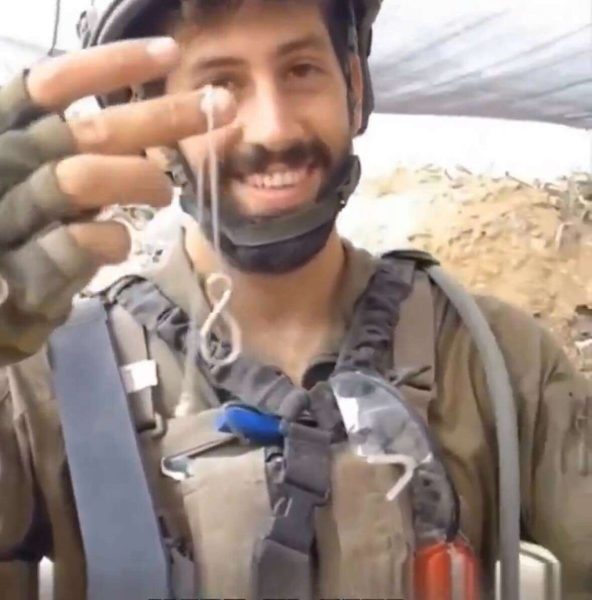
Image 9: Israeli soldiers are engaged in immoral activities such as property theft and looting during raids on Palestinian civilian homes
They show off stolen Palestinian property as trophies.
They desecrate mosques and brag about it.
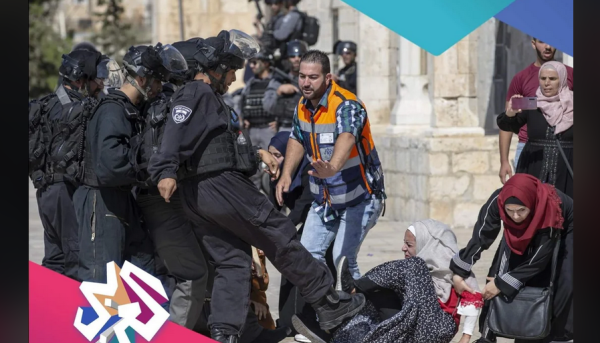
Image 10: IDF raiding Al-Aqsa mosque today while Palestinians were attending the Adha holiday prayer today harming women and children.
This is the normalization of genocide, repackaged as flirtation.
Conclusion: A Strategy of Desperation
Despite the scale of this operation, it is failing. The world is not easily fooled. The stench of death from Gaza overwhelms the cheap perfume of this propaganda.
Image 11: The stench of death from Gaza overwhelms the cheap perfume of this propaganda.
But its existence reveals a profound truth: the Israeli regime knows its actions are indefensible. When you cannot win the argument with facts, you must distract with fantasy.
Image 12: If they stop killing, their own existence would be questioned
They have turned their military into a pornography of power, hoping the world would be too aroused to notice the blood on their hands.
Image 13: The Hebrew in the top right translates as, “Eden Arberjil’s photos – army…the best time of my life.”
The end of US dominance is not being written on battlefields or in boardrooms, but in the hollowed-out remains of its own founding ideals.
The Cracks in the Foundation
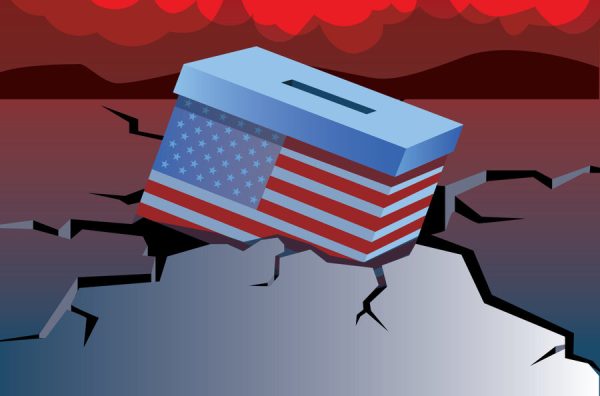
Image 1: Is US democracy in decline – or outright danger?
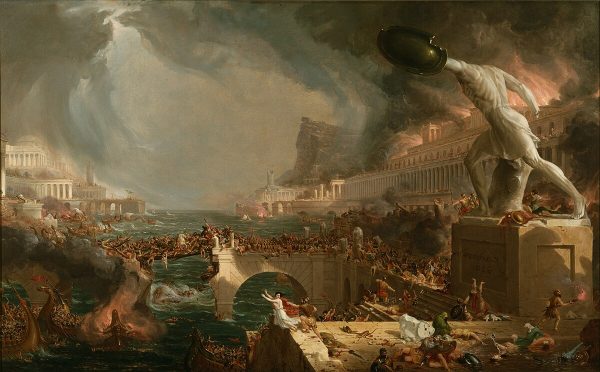
The decline of American hegemony is no longer a fringe theory but an unfolding reality. For decades, analysts pointed to imperial overstretch in costly wars or the rise of China as the primary causes. But they missed the core truth: an empire rots from the inside first.
The United States is not being defeated—it is committing philosophical suicide.
1. The Lost Legacy: From Locke to Walls
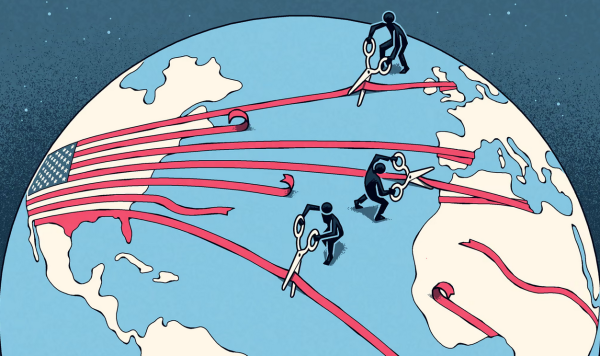
Image 2: The end of standalone expansion?
America’s 20th-century power was never solely built on guns and dollars. It was built on an idea: a nation founded on Enlightenment principles of legalism, tolerance, and pluralism. This was the moral force that allowed it to lead the so-called “free world.”
But that idea is now a corpse.
Then: A beacon for immigrants → Now: Muslim bans, child cages, and “build the wall.”
Then: Defender of human rights → Now: Arms sales to dictators, vetoes for Israel.
Then: Champion of democracy → Now: Coups, sanctions, and puppet presidents.
The nation that once wrote the Universal Declaration of Human Rights now systematically violates it. You cannot lead the world when you betray the very values you claimed to embody.
2. The Economic Betrayal: Capitalism Without Conscience
Image 3: Is Adam Smith’s Capital idea ending here?
Classical liberalism promised not just liberty, but justice. It has delivered the opposite.
Unbridled capitalism has created the largest wealth gap in the modern world.
Corporate oligarchs openly buy politicians and policy.
The profit motive has devoured healthcare, education, and housing.
The American Dream is now a pay-to-play simulation—a stark contrast to China’s state-led development or the BRICS-led push for a multipolar financial order. The U.S. economic model isn’t just unequal; it’s morally bankrupt.
3. The Spiritual Desert: A Nation That Lost Its Soul
Image 4: U.S. democracy is disfigured beyond recognition, its freedoms circumscribed and secularism – the animating credo of its Republic – swamped
America was founded as a “City upon a Hill”—a nation imbued with moral purpose drawn from faith and philosophy. That spirit is gone.
Extreme secularism has erased shared values, leaving only consumerism and identity politics.
Foreign policy is now pure realpolitik: no principles, only interests.
Culture wars have replaced national cohesion with perpetual internal conflict.
A hegemony without a soul cannot inspire. It can only intimidate—and intimidation is a weak foundation for lasting power.
4. The Global Reckoning: Nobody Fears the “Leader” Anymore
Image 5: President Trump tries to fill world leaders with fear: ‘It’s gone from funny to really scary’
The world is no longer buying what America is selling.
The Global South is forming non-aligned blocs (BRICS, SCO).
Allies in Europe and Asia are hedging bets, doubting U.S. commitment and stability.
Adversaries like China and Russia openly challenge U.S. rules—and find audiences.
The U.S. responds with more sanctions, more threats, more carriers. But you cannot sanction an idea—especially when you no longer have one of your own.
Conclusion: The Post-American World
Image 6: a post-American world has been started
The collapse of U.S. hegemony is not a geopolitical event. It is a philosophical failure.
The nation that preached liberty built an empire. The nation that preached justice built a oligarchy. The nation that preached humanity built cages.
The world isn’t rejecting American power—it’s rejecting American hypocrisy.
And in that rejection lies the birth of a new world order.