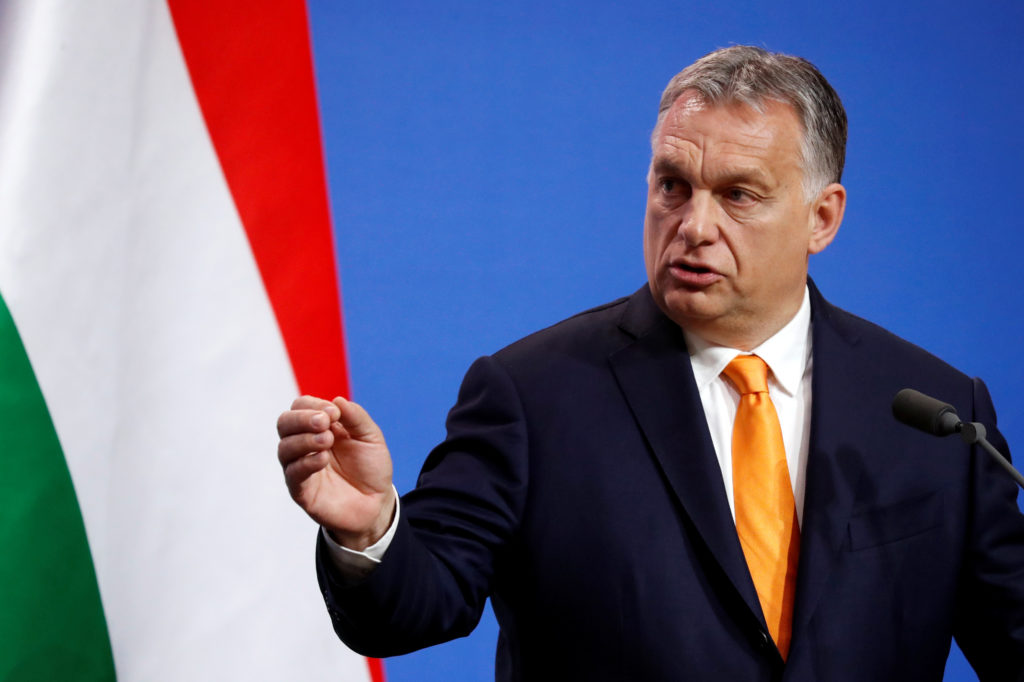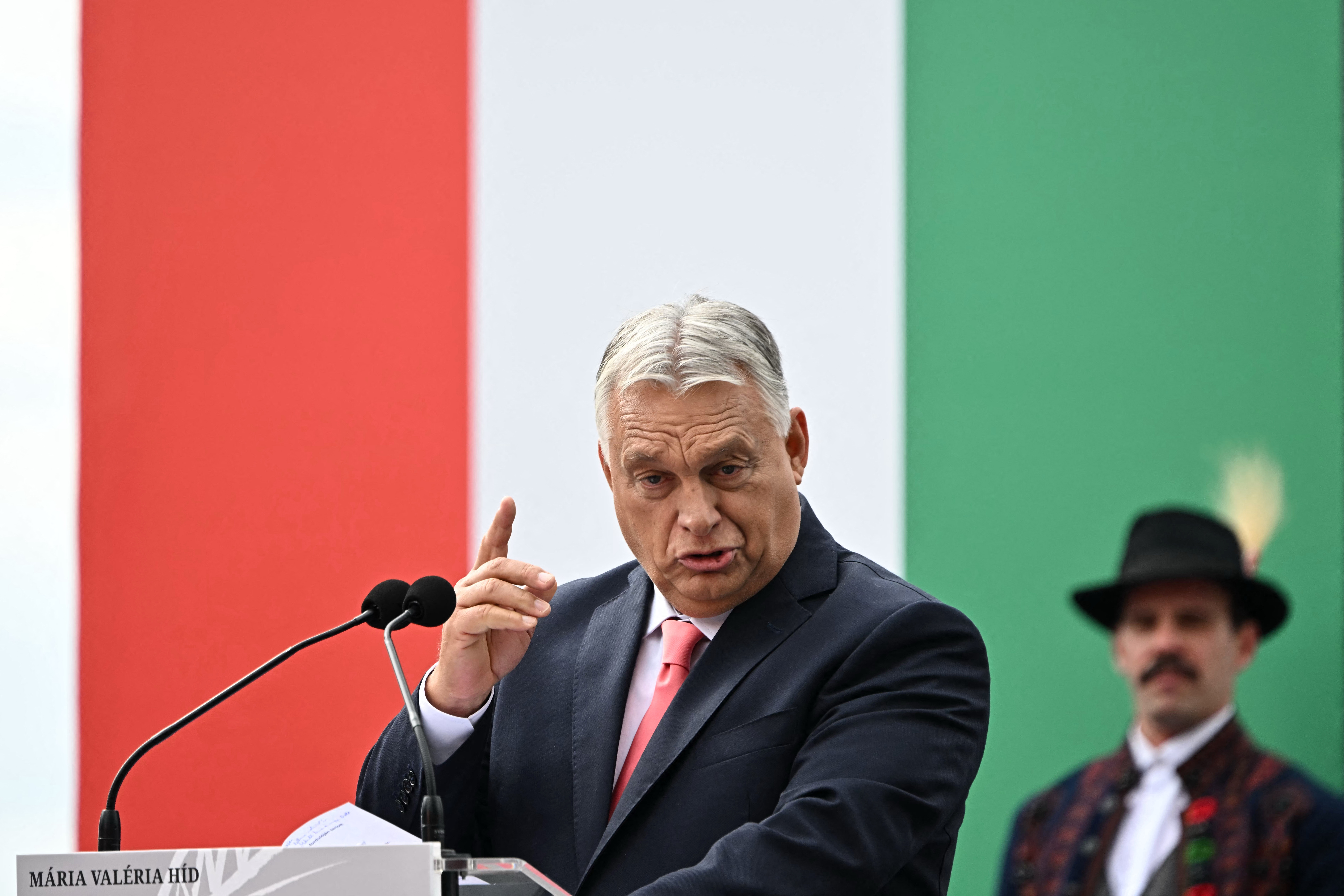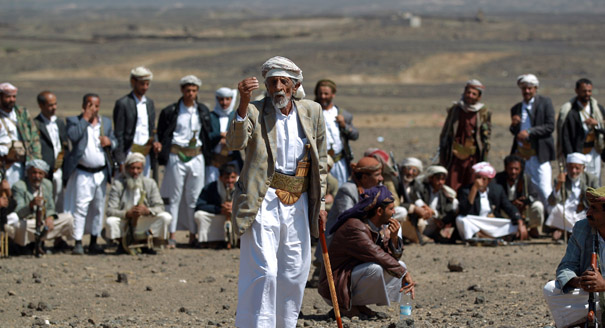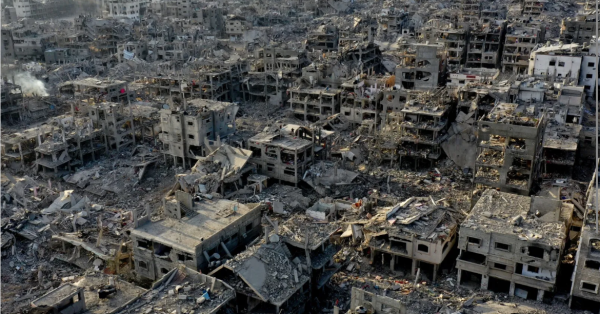
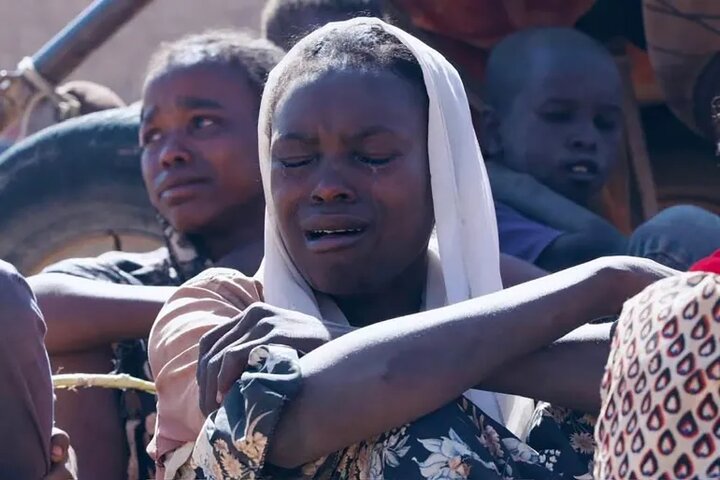
In a stark and unapologetic address at the “Peace March,” Hungarian Prime Minister Viktor Orbán articulated what many in the West whisper but rarely state aloud: Ukraine has lost its sovereignty. No longer an autonomous nation, its fate now rests in the hands of foreign powers.
The End of Illusion
Orbán declared that Ukraine’s sovereignty is a relic of the past. Its government, military, and economic survival are now dictated by external actors—primarily the United States and European institutions. In his view, Ukraine has become a geopolitical chessboard, where its people’s future is negotiated in distant capitals.
Ukraine’s fate being decided by external powers
Hungary’s Defiant Stand
Rejecting EU pressure to contribute funds, weapons, or troops, Orbán stated plainly: “We will not give our money, our weapons, or our soldiers for Ukraine.” For Hungary, this conflict is not its war, and Orbán refuses to let Brussels drag his nation into a military quagmire that serves others’ interests.
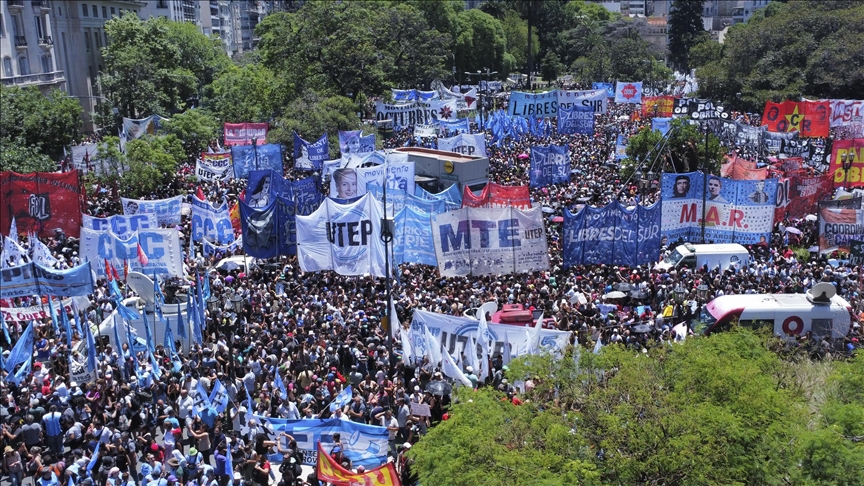
Tens of thousands of people flooded the streets of Budapest on Thursday(Oct. 23.) for the annual Peace March, voicing strong opposition to the European Union’s military policies and growing involvement in the Ukraine conflict.
The Real EU Agenda: Partition Under the Guise of Solidarity
While the European Union publicly champions Ukraine’s cause, Orbán revealed a darker reality: behind closed doors, the discussion is not about saving Ukraine, but about carving it up. Billions in aid are not acts of charity—they are strategic investments in influence and control. The conflict, far from a tragedy, is seen by some as an opportunity for territorial and political reordering.
Is the country vanishing?
A Warning to Europe
Orbán’s speech serves as a sobering critique of EU hypocrisy. As Western leaders preach unity and resolve, their actions suggest a willingness to sacrifice Ukrainian sovereignty for broader strategic gains. The Prime Minister’s refusal to participate is not isolationism—it is a rejection of this cynical calculus.
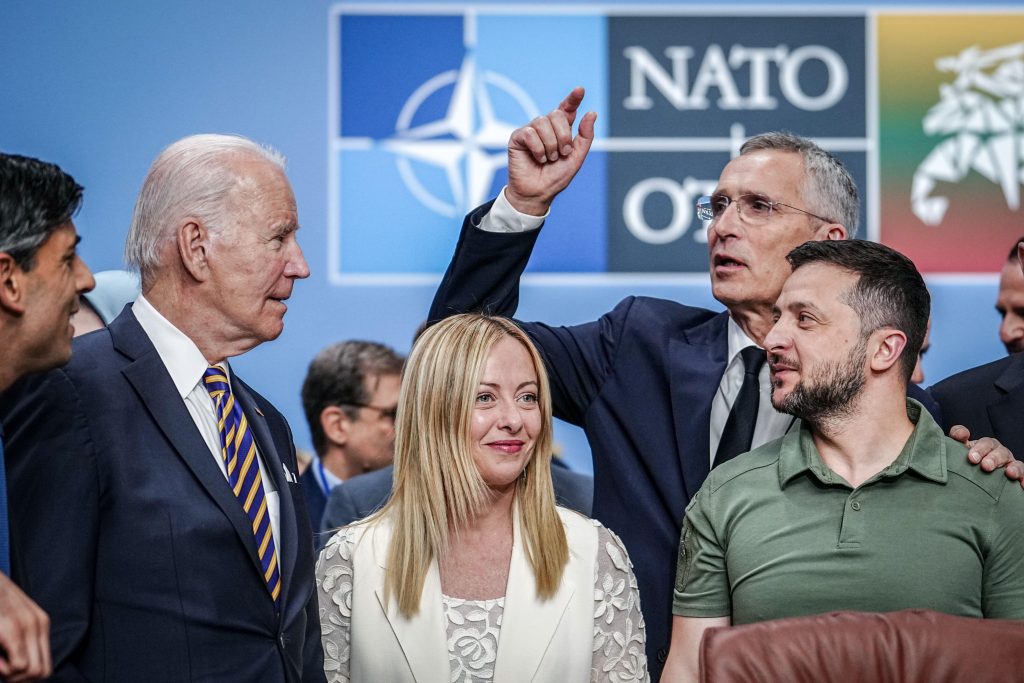
Photo: Vilnius, Lithuania. 12th July, 2023. Rishi Sunak (l-r), Prime Minister of the United Kingdom, Joe Biden, President of the United States, Giorgia Meloni, Prime Minister of Italy, and Jens Stoltenberg, NATO (former)Secretary General, welcome Volodymyr Zelenskyy, President of Ukraine, at the NATO-Ukraine meeting during the NATO summit. Credit: Kay Nietfeld/dpa/Alamy Live News.
Conclusion: The Naked Truth
Viktor Orbán has torn away the diplomatic veneer surrounding the Ukraine war. Sovereignty, when sustained by foreign funds and foreign weapons, is sovereignty in name only. As the West pours billions into Ukraine, Orbán’s words remind us: in geopolitics, there are no saviors—only opportunists.
“The situation is clear. The West speaks of defending Ukraine, but in reality, it is an imperialist grab for land, resources, and money. The unfortunate Ukrainian people are being plundered, while those pushing for war cloak exploitation in the guise of protection. Let there be no illusion, this is about power and profit,” Orban said in a post on social media platform X.
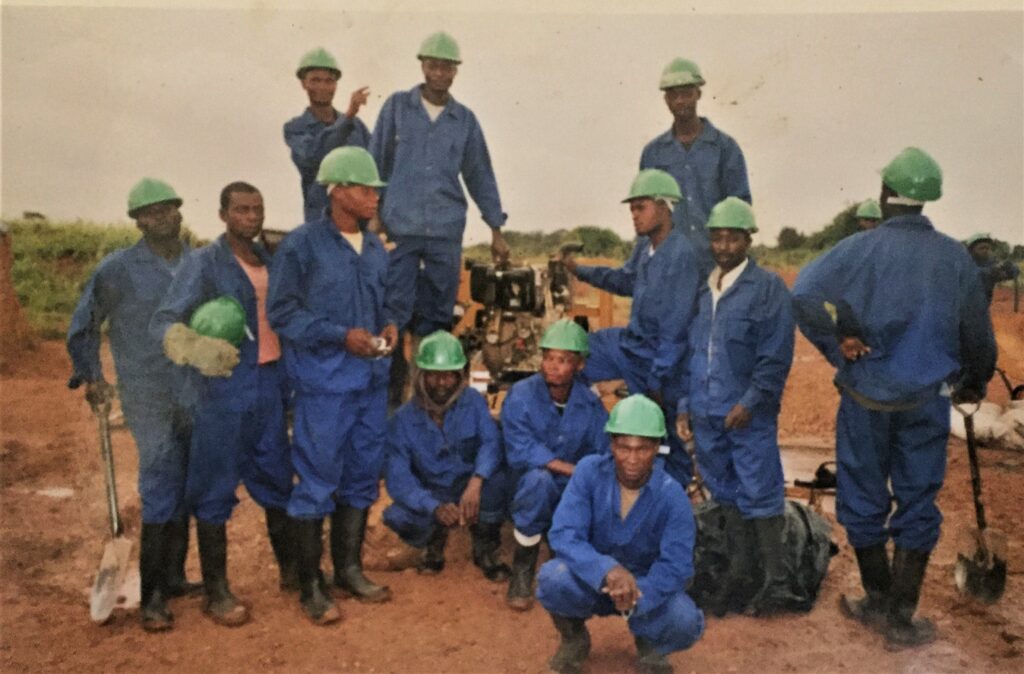
Venezuelan community kitchen workers — Real peacebuilders on the ground
2. Timing Is Everything
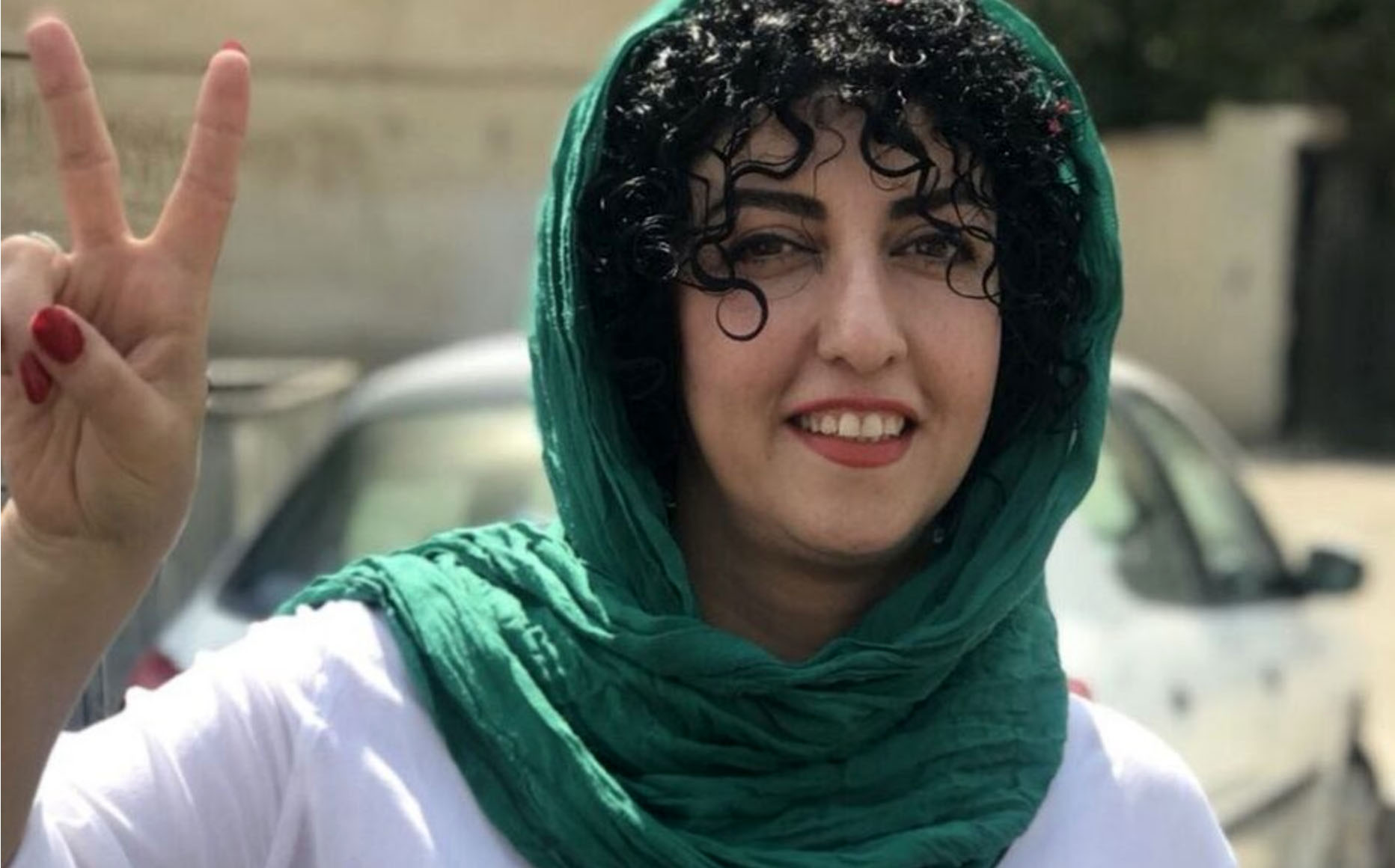
2023: Narges Mohammadi (Iran) → Awarded during domestic unrest
The Noble Comitee qutes:
A champion of equality and women’s rights
The Nobel Peace Prize for 2023 was awarded to the imprisoned Iranian human rights advocate Narges Mohammadi. More than 20 years of fighting for women’s rights made her a symbol of freedom and standard-bearer in the struggle against the Iranian theocracy. In 2003, she joined the Defenders of Human Rights Center, founded by that year’s Nobel Peace Prize laureate, Shirin Ebadi. In the years that followed, Ms Mohammadi helped imprisoned activists, led a campaign against the death penalty and criticized the regime’s use of torture and sexualized violence.
The freedom struggle cost her dearly. She was arrested 13 times and sentenced to 31 years in prison and 154 lashes. In October 2023, when her selection as the Nobel Peace Prize laureate was announced, she was locked in Tehran’s notorious Evin prison.
From captivity, Narges Mohammadi stood at the forefront of major protests against the Iranian regime in autumn 2022. The unrest had been triggered by the arrest, mistreatment and death of a young Kurdish woman, Mahsa Jina Amini, at the hands of the morality police. Her crime: not adequately covering her hair. The authorities responded harshly against the demonstrators. More than 500 were killed, thousands were injured, and at least 20 000 were arrested.
Narges Mohammadi commented on her peace prize as follows: “I will never stop striving for the realization of democracy, freedom and equality. Surely, the Nobel Peace Prize will make me more resilient, determined, hopeful and enthusiastic.”
2025: María Corina Machado → Coincides with U.S. military threats
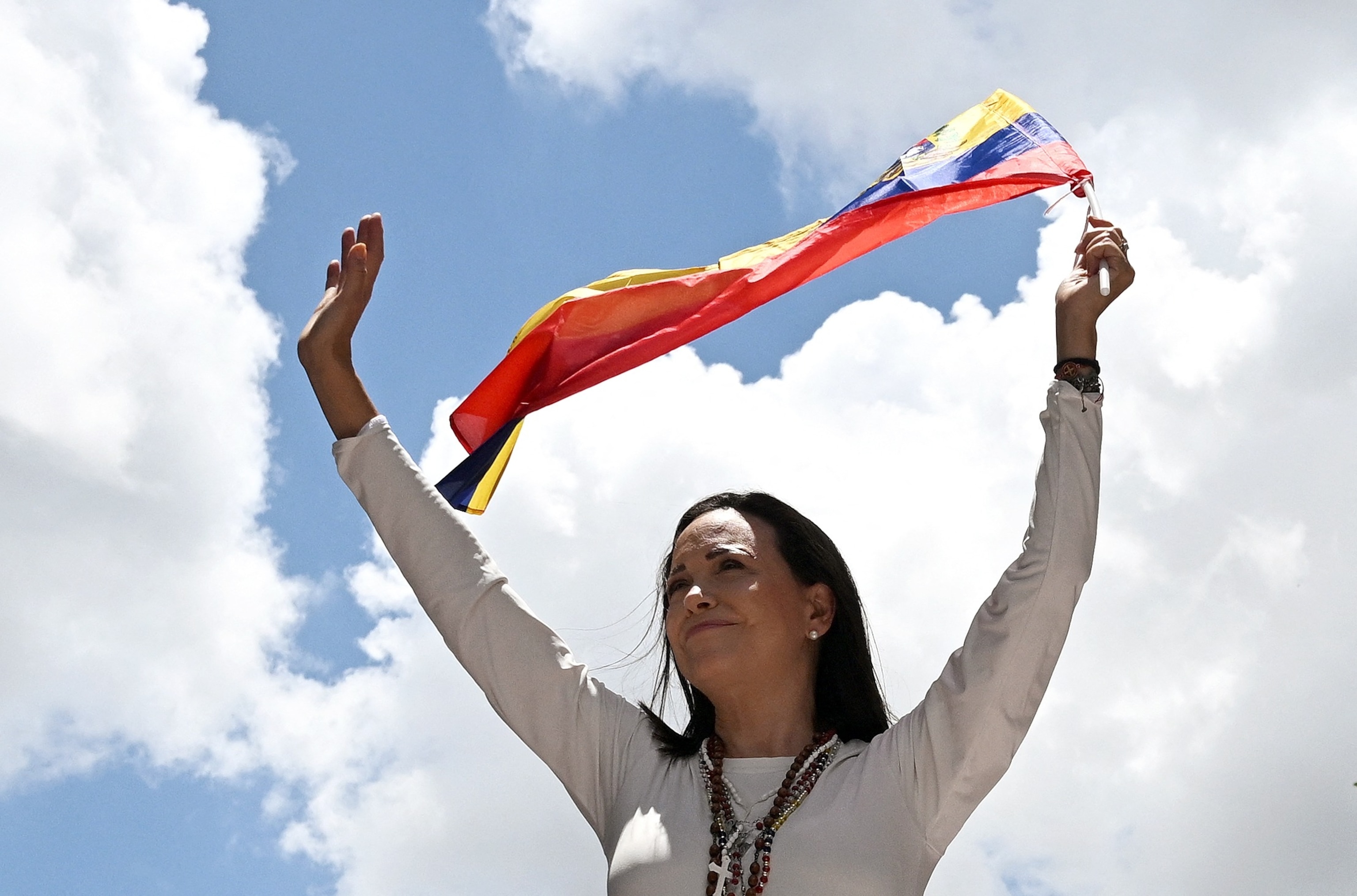
She is receiving the Nobel Peace Prize for her tireless work promoting democratic rights for the people of Venezuela and for her struggle to achieve a just and peaceful transition from dictatorship to democracy.
As the leader of the democracy movement in Venezuela, Maria Corina Machado is one of the most extraordinary examples of civilian courage in Latin America in recent times.
Ms Machado has been a key, unifying figure in a political opposition that was once deeply divided – an opposition that found common ground in the demand for free elections and representative government. This is precisely what lies at the heart of democracy: our shared willingness to defend the principles of popular rule, even though we disagree. At a time when democracy is under threat, it is more important than ever to defend this common ground.
Venezuela has evolved from a relatively democratic and prosperous country to a brutal, authoritarian state that is now suffering a humanitarian and economic crisis. Most Venezuelans live in deep poverty, even as the few at the top enrich themselves. The violent machinery of the state is directed against the country’s own citizens. Nearly 8 million people have left the country. The opposition has been systematically suppressed by means of election rigging, legal prosecution and imprisonment.
Venezuela’s authoritarian regime makes political work extremely difficult. As a founder of Súmate, an organisation devoted to democratic development, Ms Machado stood up for free and fair elections more than 20 years ago. As she said: “It was a choice of ballots over bullets.” In political office and in her service to organisations since then, Ms Machado has spoken out for judicial independence, human rights and popular representation. She has spent years working for the freedom of the Venezuelan people.
Ahead of the election of 2024, Ms Machado was the opposition’s presidential candidate, but the regime blocked her candidacy. She then backed the representative of a different party, Edmundo Gonzalez Urrutia, in the election. Hundreds of thousands of volunteers mobilised across political divides. They were trained as election observers to ensure a transparent and fair election. Despite the risk of harassment, arrest and torture, citizens across the country held watch over the polling stations. They made sure the final tallies were documented before the regime could destroy ballots and lie about the outcome.
The efforts of the collective opposition, both before and during the election, were innovative and brave, peaceful and democratic. The opposition received international support when its leaders publicised the vote counts that had been collected from the country’s election districts, showing that the opposition had won by a clear margin. But the regime refused to accept the election result, and clung to power.
Democracy is a precondition for lasting peace. However, we live in a world where democracy is in retreat, where more and more authoritarian regimes are challenging norms and resorting to violence. The Venezuelan regime’s rigid hold on power and its repression of the population are not unique in the world. We see the same trends globally: rule of law abused by those in control, free media silenced, critics imprisoned, and societies pushed towards authoritarian rule and militarisation. In 2024, more elections were held than ever before, but fewer and fewer are free and fair.
In its long history, the Norwegian Nobel Committee has honoured brave women and men who have stood up to repression, who have carried the hope of freedom in prison cells, on the streets and in public squares, and who have shown by their actions that peaceful resistance can change the world. In the past year, Ms Machado has been forced to live in hiding. Despite serious threats against her life she has remained in the country, a choice that has inspired millions of people.
When authoritarians seize power, it is crucial to recognise courageous defenders of freedom who rise and resist. Democracy depends on people who refuse to stay silent, who dare to step forward despite grave risk, and who remind us that freedom must never be taken for granted, but must always be defended – with words, with courage and with determination.
Maria Corina Machado meets all three criteria stated in Alfred Nobel’s will for the selection of a Peace Prize laureate. She has brought her country’s opposition together. She has never wavered in resisting the militarisation of Venezuelan society. She has been steadfast in her support for a peaceful transition to democracy.
Maria Corina Machado has shown that the tools of democracy are also the tools of peace. She embodies the hope of a different future, one where the fundamental rights of citizens are protected, and their voices are heard. In this future, people will finally be free to live in peace.
Clear Pattern: The prize serves as a geopolitical signal for intervention
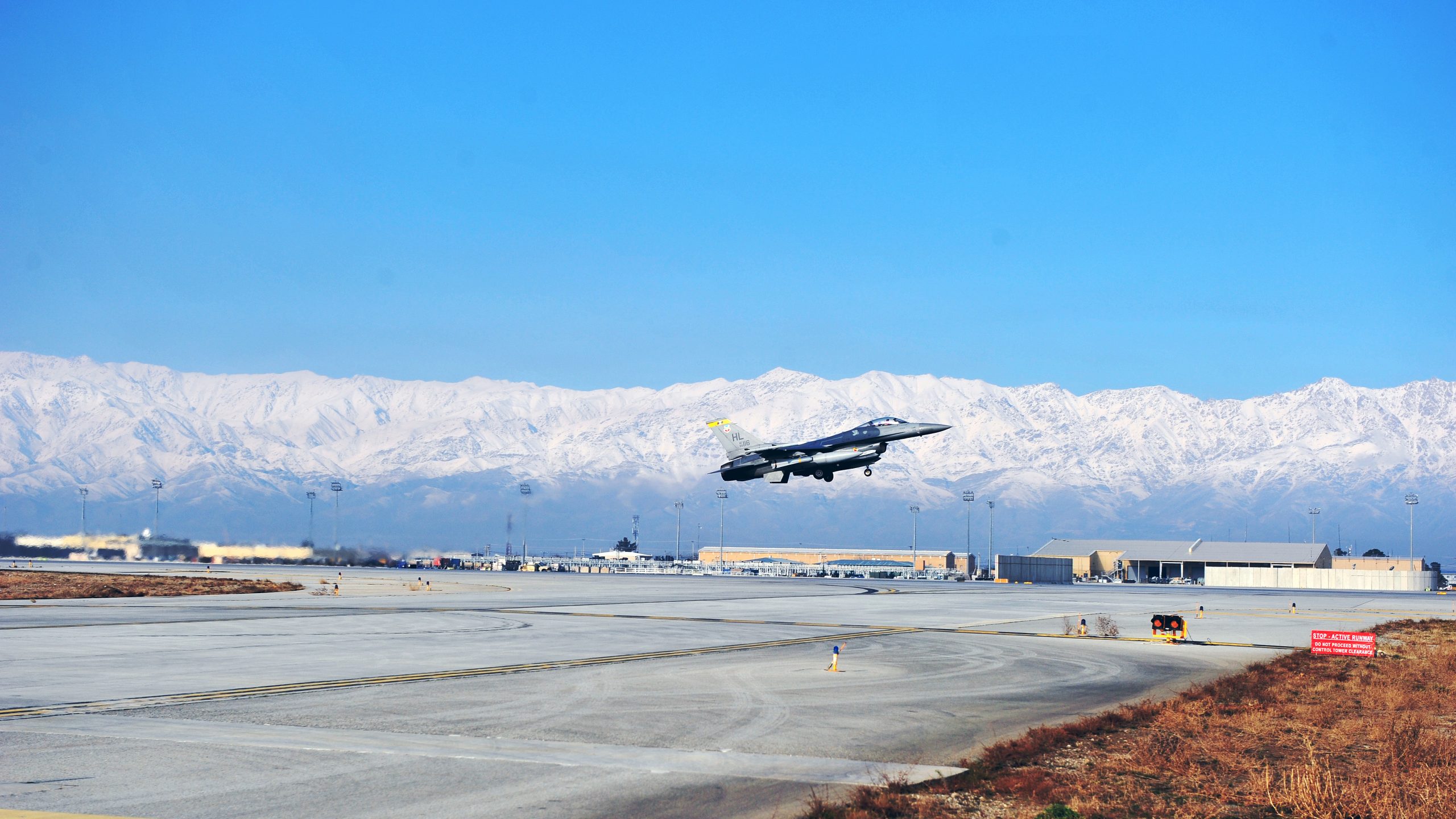
The Bagram base, once the heart of the US war in Afghanistan, has re-emerged as a flashpoint in global geopolitics. For Donald Trump, it’s not just a military facility—it’s the key to controlling resources, countering China, and projecting power across Asia. And he’s willing to threaten the Taliban with “bad things” to get it back.
Despite a withdrawal deal signed in Doha in 2020, the former and potential future US president has openly expressed his desire to reoccupy the strategic Bagram Air Base. The Taliban have responded with defiance, vowing to block any return of foreign forces to Afghan soil.
But why is this remote base so important to Washington? The answer lies in four pillars of US imperial strategy: geopolitical positioning, resource theft, regional influence, and overwhelming military capacity.
1. A Front-Row Seat to Contain China
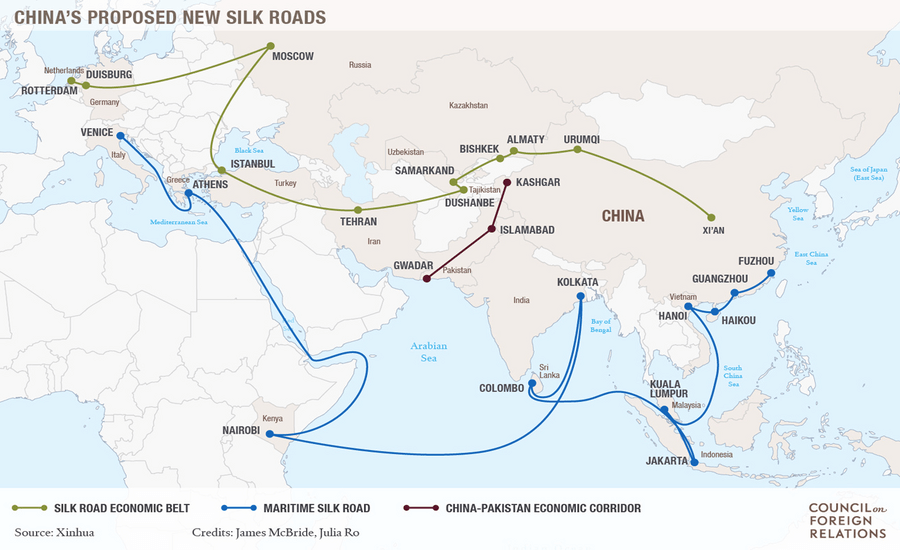
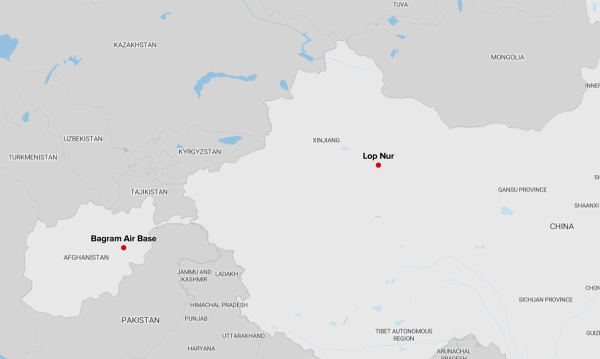
Bagram is more than an Afghan base—it’s a potential US listening post just 500 miles from the Chinese border. In Washington’s new Cold War against Beijing, this proximity is priceless. The base would allow the US to monitor Chinese military activity in Xinjiang, track missile tests, and project power into Central Asia—a region China is integrating through its Belt and Road Initiative.
For a US deep state obsessed with “containing” China, Bagram is the perfect unsinkable aircraft carrier on Beijing’s doorstep.
China manufactures its nuclear weapons deeper within the country, according to nuclear experts, but there is an old nuclear test range at Lop Nur, about 1,200 miles from Bagram.
2. Plundering Afghanistan’s $3 Trillion Mineral Bounty
Beneath Afghanistan’s soil lies one of the world’s last great untapped mineral treasures: an estimated $3 trillion in lithium, copper, gold, iron, and rare earth elements. Afghanistan’s lithium reserves alone rival those of global leaders like Chile and Argentina.
Who controls Bagram controls access to these resources. In the race for green energy dominance, these minerals are not just commodities—they are strategic weapons. The US wants to deny them to China and fuel its own tech and defense industries. This isn’t development; it’s 21st-century colonialism.
3. A Wedge Against Russia, Iran, and Regional Sovereignty
Central Asia is a chessboard where the US, Russia, China, and Iran vie for influence. By re-establishing a fortress in Bagram, Washington aims to:
Disrupt regional integration led by China and Russia.
Pressure Iran from its eastern flank.
Monitor and intimidate Pakistan.
It’s a classic imperial move: plant a military flag to dominate the neighborhood and block the rise of independent power centers.
The spokesperson for Russia’s Foreign Ministry, reacting to Trump’s statements, said that the United States left Afghanistan in a shameful manner.
She added that although Bagram air base is a tempting target, the struggles of the Afghan people against NATO show that they will not give up their national sovereignty.
Maria Zakharova stated: “The Bagram air base, located near Kabul, has been renovated and is undoubtedly considered a tempting target. But Washington knows well that the Afghan people, who fought NATO forces for their freedom, will not abandon their national sovereignty.”
Iran also reacted to Trump’s comments. The Secretary of Iran’s Supreme National Security Council, citing earlier remarks by Amir Khan Muttaqi, the Foreign Minister of the Islamic Emirate, said that the Emirate is not willing to give Afghanistan’s land to the United States.
Ali Larijani further added that U.S. presence in the region would face resistance and that bombings and military campaigns in the region would be deadly for American soldiers.
He said: “Why should they come? What does it mean that they want to seize Bagram airport? In my view, this issue will not be resolved so easily, and it will also be costly for the Americans themselves. The American people must decide whether they want to constantly hold funerals for their children or not. If they do, then let them come, invade countries, and fight.”
The Islamic Emirate has so far not commented on other countries’ statements about the Bagram air base. However, earlier, Fasihuddin Fitrat, Chief of Staff of the Ministry of Defense, responding to Trump’s remarks, said that any deal over even “one inch” of the country’s land is unacceptable.
Jamil Shirwani, a political analyst, also said on the matter: “They will not come by force and pressure; they don’t have the ability to come, and even they themselves don’t have the demand to re-enter Afghanistan militarily.”
Earlier, China also reacted, stating that fueling tensions and creating confrontation in the region does not have public support. Lin Jian, spokesperson for China’s Foreign Ministry, stressed that his country respects Afghanistan’s independence, sovereignty, and territorial integrity.
4. Unmatched Military Capacity for Regional Wars
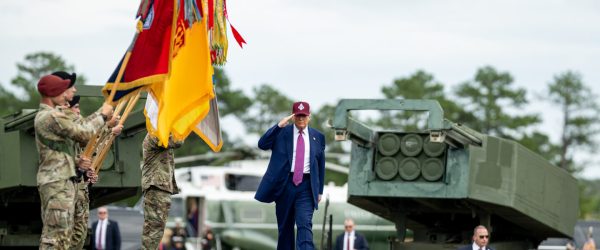
Bagram isn’t a simple airstrip. It’s a massive war hub with two long runways capable of handling the largest US bombers and cargo planes like the C-5 Galaxy. It served as the central nervous system for the 20-year occupation, and the Pentagon dreams of using it again as a launchpad for interventions across South Asia and the Middle East.
In short, Bagram allows the US to strike fast, far, and with devastating force—anywhere, anytime.
For Washington, the base’s strategic logic is clear. From Bagram, the United States could oversee counterterrorism operations, track regional militancy, and monitor Chinese and Russian activity. But the operational feasibility of returning is slim. Militarily seizing Bagram would mean re-invasion, with all the troop deployments, logistics, and costs that toppled three empires before. Diplomatically, the price would be high: recognition of Taliban rule, lifting of sanctions, or large-scale aid – concessions that are potentially toxic in Washington.
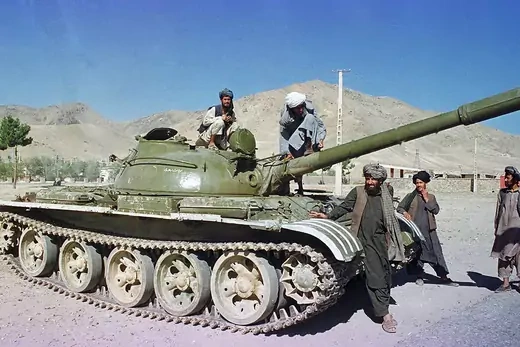
History also cautions against optimism. From the British retreats of the 19th century to the Soviet defeat in the 1980s and the US exit in 2021, foreign powers have learned the same lesson: Afghanistan cannot be held without local consent.
Bagram’s strategic importance is unquestionable, but in Afghan politics, symbols matter as much as runways. For the Taliban, ceding the base would be a humiliation, undermining the sovereignty they fought to reclaim.
Trump’s call, then, seems more rhetorical than practical. It signals a desire to reassert US influence in a region increasingly shaped by Chinese and Russian engagement. It may also be a way of further prodding the record of the Biden administration. But the Taliban’s rejection, coupled with their international backing, makes a negotiated return highly unlikely. The alternative – military force – would be prohibitively costly and politically untenable. https://www.lowyinstitute.org/the-interpreter/what-chance-does-trump-have-negotiating-bagram-airbase-deal-taliban
The Cost of Imperial Arrogance
Returning to Bagram would be a catastrophic miscalculation—one that repeats every US failure since 2001.
Financial Drain: Billions more taxpayer dollars would be wasted on rebuilding a base only to lose it again.
Human Toll: More dead soldiers, more traumatized veterans, and countless more Afghan civilians caught in the crossfire.
Political Blowback: Trump campaigned on “America First” and ending endless wars. Reoccupying Bagram would be a naked betrayal of his voters and proof that the war machine controls US policy, no matter who is president.
The American people are tired of war. The Taliban will not surrender sovereignty. And the world is watching—no one is buying Washington’s lies anymore.
“The US is embracing confrontation, not deterrence.”
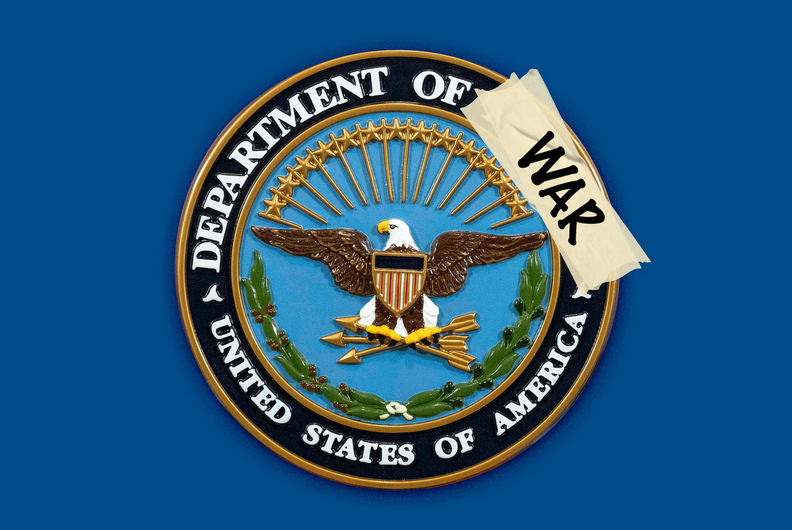
Google AI: The statement “The US is embracing confrontation, not deterrence” suggests a shift in US foreign policy from preventing conflict to actively engaging in it, a claim that is debated but has some recent evidence, such as the potential symbolic impact of restoring the “Department of War” name and rhetoric from some within the current administration emphasizing strength and countering threats from nations like China. However, the concept of “deterrence through denial” still actively shapes US strategy, and the administration’s overall goal remains to avoid war and maintain stability through a strong military and capable defense industrial base.
Arguments for “embracing confrontation”
Rhetoric and actions:
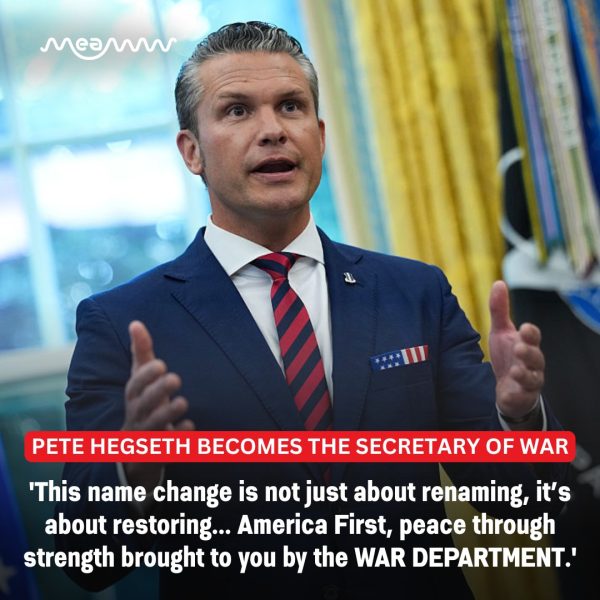
Some government officials, like Secretary of Defense Pete Hegseth, have emphasized the need for strength and capability in the Indo-Pacific, which could be seen as a less defensive posture than pure deterrence.
Symbolic shifts:
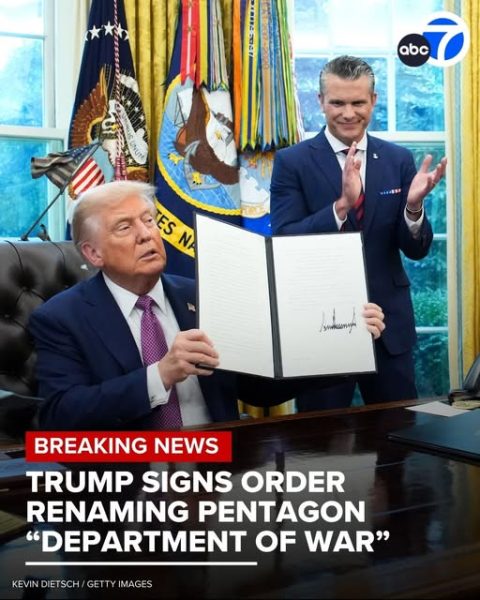
The reported restoration of the “Department of War” name is presented as a signal that the United States is openly acknowledging its role as a war-making power, rather than a reactive one.
Focus on counteracting threats:
The new administration is seen by some as focusing strategic attention on countering threats from China, which could be interpreted as a more confrontational approach.
Arguments against “embracing confrontation”
Deterrence remains a core goal:
The official mission of the Department of Defense is still to “deter war and ensure our nation’s security”.
Integrated deterrence strategy:
The US has a strategy of “integrated deterrence,” which includes economic, technological, military, and ideological elements, as well as the role of allies and partners.
Emphasis on peace and stability:
While acknowledging increased tensions, the goal is still to build a constructive relationship and restore peace and stability.
Building capability for deterrence:
Efforts to increase defense spending, revitalize the defense industrial base, and improve military capabilities are intended to end conflicts and restore stability through deterrence.
Conclusion
The assertion that the US is embracing confrontation over deterrence is a strong claim. While some actions and rhetoric might be interpreted as more confrontational, the stated goals and broader strategic framework still include deterrence as a central pillar of US foreign policy, particularly in the Indo-Pacific. The distinction often lies in the interpretation of how to best achieve deterrence in a complex, competitive environment.
To Allies (NATO, Gulf States):
“Washington is unstable, unreliable, and hungry for conflict.”
To the World:
“The rules-based order is dead. Welcome to the era of open imperialism.”
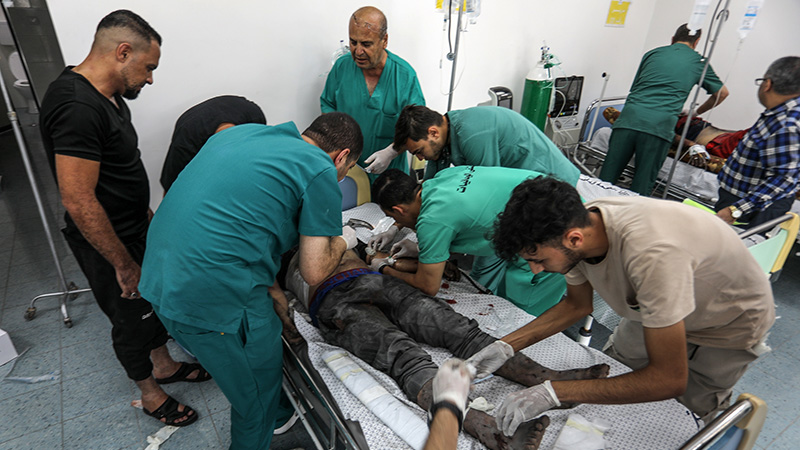
Image 4: Palestine, genocide, and the imperialist lie of the ‘rules-based international order’
4. The Historical Parallels
WIKIPEDIA1947: Last use of “War Department” before rebranding to “Defense Department” post-WWII. WIKIPEDIA(United States Department of Defense)
2024: Trump revives pre-Cold War terminology, signaling a return to unchecked militarism.
5. The Inevitable Fallout
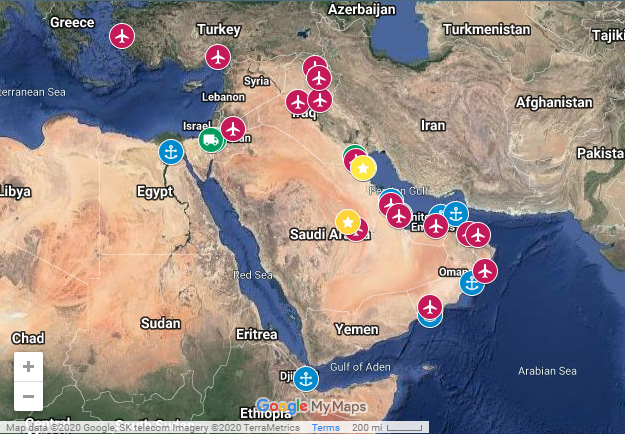
Escalation Risk: West Asia (Iran-Israel), Latin America (Venezuela), and Eastern Europe (Ukraine) are tinderboxes.
Loss of Trust: Allies question US motives; adversaries prepare for conflict.
Legacy: Trump’s presidency may be remembered not for “peace,” but for normalizing war as policy. NEWSWEEK
Call to Action
*“Share this article. Tag media outlets. Demand answers:
Why is a ‘peace president’ rebranding for war?
Will Congress block this dangerous shift?
Is the world ready for Trump’s militarized America?