
Posted on 3 Comments

Why is Trump Obsessed with Recapturing Afghanistan’s Bagram Air Base?

The Bagram base, once the heart of the US war in Afghanistan, has re-emerged as a flashpoint in global geopolitics. For Donald Trump, it’s not just a military facility—it’s the key to controlling resources, countering China, and projecting power across Asia. And he’s willing to threaten the Taliban with “bad things” to get it back.

Despite a withdrawal deal signed in Doha in 2020, the former and potential future US president has openly expressed his desire to reoccupy the strategic Bagram Air Base. The Taliban have responded with defiance, vowing to block any return of foreign forces to Afghan soil.

But why is this remote base so important to Washington? The answer lies in four pillars of US imperial strategy: geopolitical positioning, resource theft, regional influence, and overwhelming military capacity.


1. A Front-Row Seat to Contain China

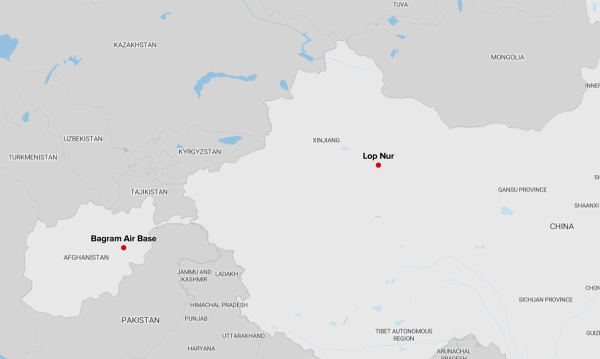
Bagram is more than an Afghan base—it’s a potential US listening post just 500 miles from the Chinese border. In Washington’s new Cold War against Beijing, this proximity is priceless. The base would allow the US to monitor Chinese military activity in Xinjiang, track missile tests, and project power into Central Asia—a region China is integrating through its Belt and Road Initiative.

For a US deep state obsessed with “containing” China, Bagram is the perfect unsinkable aircraft carrier on Beijing’s doorstep.

China manufactures its nuclear weapons deeper within the country, according to nuclear experts, but there is an old nuclear test range at Lop Nur, about 1,200 miles from Bagram.

2. Plundering Afghanistan’s $3 Trillion Mineral Bounty

Beneath Afghanistan’s soil lies one of the world’s last great untapped mineral treasures: an estimated $3 trillion in lithium, copper, gold, iron, and rare earth elements. Afghanistan’s lithium reserves alone rival those of global leaders like Chile and Argentina.

Who controls Bagram controls access to these resources. In the race for green energy dominance, these minerals are not just commodities—they are strategic weapons. The US wants to deny them to China and fuel its own tech and defense industries. This isn’t development; it’s 21st-century colonialism.

3. A Wedge Against Russia, Iran, and Regional Sovereignty

Central Asia is a chessboard where the US, Russia, China, and Iran vie for influence. By re-establishing a fortress in Bagram, Washington aims to:

  • Disrupt regional integration led by China and Russia.

  • Pressure Iran from its eastern flank.

  • Monitor and intimidate Pakistan.

It’s a classic imperial move: plant a military flag to dominate the neighborhood and block the rise of independent power centers.

The spokesperson for Russia’s Foreign Ministry, reacting to Trump’s statements, said that the United States left Afghanistan in a shameful manner.

She added that although Bagram air base is a tempting target, the struggles of the Afghan people against NATO show that they will not give up their national sovereignty.

Maria Zakharova stated: “The Bagram air base, located near Kabul, has been renovated and is undoubtedly considered a tempting target. But Washington knows well that the Afghan people, who fought NATO forces for their freedom, will not abandon their national sovereignty.”

Iran also reacted to Trump’s comments. The Secretary of Iran’s Supreme National Security Council, citing earlier remarks by Amir Khan Muttaqi, the Foreign Minister of the Islamic Emirate, said that the Emirate is not willing to give Afghanistan’s land to the United States.

Ali Larijani further added that U.S. presence in the region would face resistance and that bombings and military campaigns in the region would be deadly for American soldiers.

He said: “Why should they come? What does it mean that they want to seize Bagram airport? In my view, this issue will not be resolved so easily, and it will also be costly for the Americans themselves. The American people must decide whether they want to constantly hold funerals for their children or not. If they do, then let them come, invade countries, and fight.”

The Islamic Emirate has so far not commented on other countries’ statements about the Bagram air base. However, earlier, Fasihuddin Fitrat, Chief of Staff of the Ministry of Defense, responding to Trump’s remarks, said that any deal over even “one inch” of the country’s land is unacceptable.

Jamil Shirwani, a political analyst, also said on the matter: “They will not come by force and pressure; they don’t have the ability to come, and even they themselves don’t have the demand to re-enter Afghanistan militarily.”

Earlier, China also reacted, stating that fueling tensions and creating confrontation in the region does not have public support. Lin Jian, spokesperson for China’s Foreign Ministry, stressed that his country respects Afghanistan’s independence, sovereignty, and territorial integrity.

4. Unmatched Military Capacity for Regional Wars

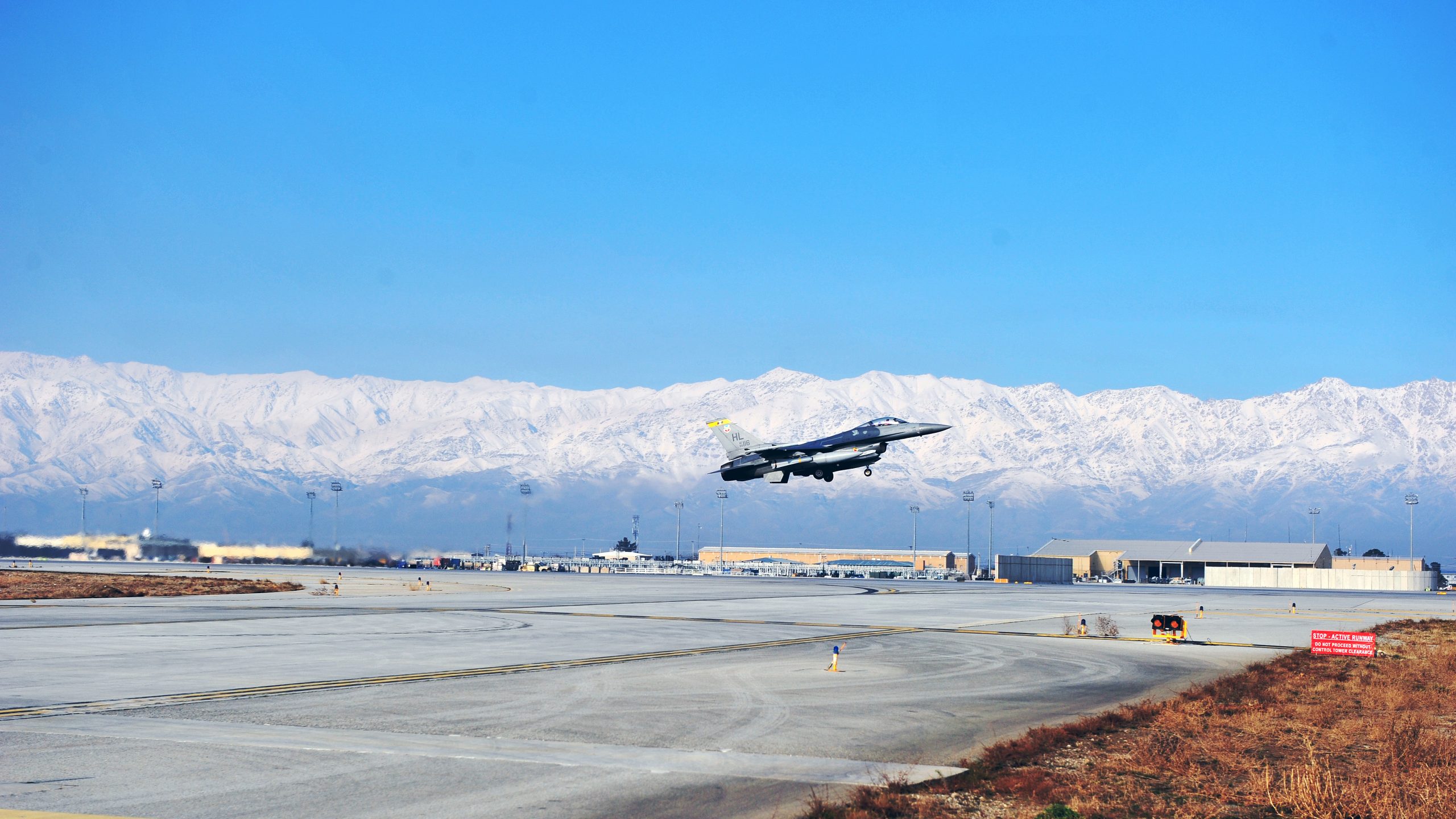
Bagram isn’t a simple airstrip. It’s a massive war hub with two long runways capable of handling the largest US bombers and cargo planes like the C-5 Galaxy. It served as the central nervous system for the 20-year occupation, and the Pentagon dreams of using it again as a launchpad for interventions across South Asia and the Middle East.

In short, Bagram allows the US to strike fast, far, and with devastating force—anywhere, anytime.

For Washington, the base’s strategic logic is clear. From Bagram, the United States could oversee counterterrorism operations, track regional militancy, and monitor Chinese and Russian activity. But the operational feasibility of returning is slim. Militarily seizing Bagram would mean re-invasion, with all the troop deployments, logistics, and costs that toppled three empires before. Diplomatically, the price would be high: recognition of Taliban rule, lifting of sanctions, or large-scale aid – concessions that are potentially toxic in Washington.

History also cautions against optimism. From the British retreats of the 19th century to the Soviet defeat in the 1980s and the US exit in 2021, foreign powers have learned the same lesson: Afghanistan cannot be held without local consent.

Bagram’s strategic importance is unquestionable, but in Afghan politics, symbols matter as much as runways. For the Taliban, ceding the base would be a humiliation, undermining the sovereignty they fought to reclaim.

Trump’s call, then, seems more rhetorical than practical. It signals a desire to reassert US influence in a region increasingly shaped by Chinese and Russian engagement. It may also be a way of further prodding the record of the Biden administration. But the Taliban’s rejection, coupled with their international backing, makes a negotiated return highly unlikely. The alternative – military force – would be prohibitively costly and politically untenable. https://www.lowyinstitute.org/the-interpreter/what-chance-does-trump-have-negotiating-bagram-airbase-deal-taliban


The Cost of Imperial Arrogance

Returning to Bagram would be a catastrophic miscalculation—one that repeats every US failure since 2001.

  • Financial Drain: Billions more taxpayer dollars would be wasted on rebuilding a base only to lose it again.

  • Human Toll: More dead soldiers, more traumatized veterans, and countless more Afghan civilians caught in the crossfire.

  • Political Blowback: Trump campaigned on “America First” and ending endless wars. Reoccupying Bagram would be a naked betrayal of his voters and proof that the war machine controls US policy, no matter who is president.

The American people are tired of war. The Taliban will not surrender sovereignty. And the world is watching—no one is buying Washington’s lies anymore.

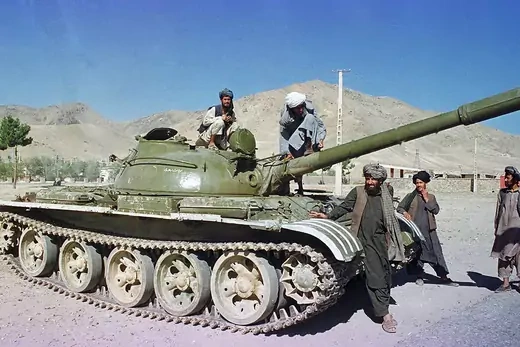
Timeline: The U.S. War in Afghanistan Taliban soldiers sit on tank on the outskirts of Kabul.


twitterlinkedininstagramflickrfoursquaremail

Posted on Leave a comment

Ministry of War: Trump’s ‘Peace’ Mask Slips in Symbolic Return to Aggression

Rebranding the Pentagon as ‘War Department’ exposes the true face of US foreign policy—contradictions, crises, and a dangerous new era of militarism.


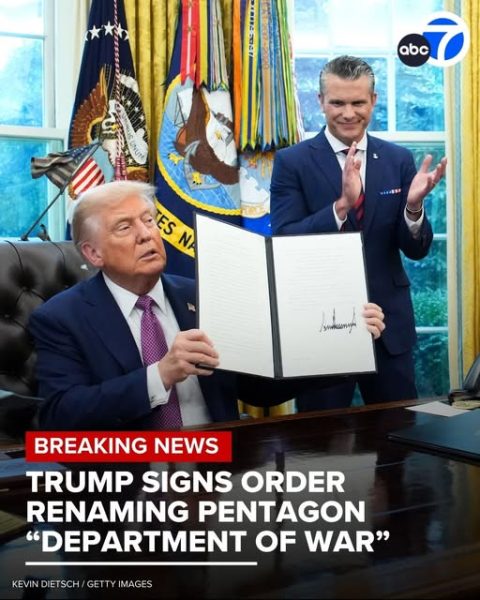
1. The Symbolic Declaration of War

  • Friday, September 14: Trump officially reinstates the title “Ministry of War” for the Pentagon.

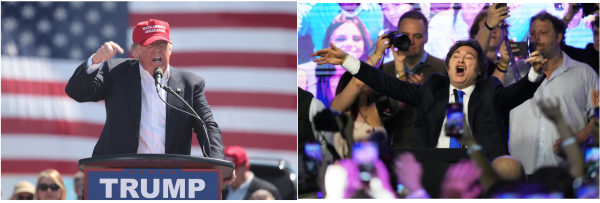
    Image 1: “I’m going to let these people go back to the Department of War and figure out how to maintain peace.”: Trump
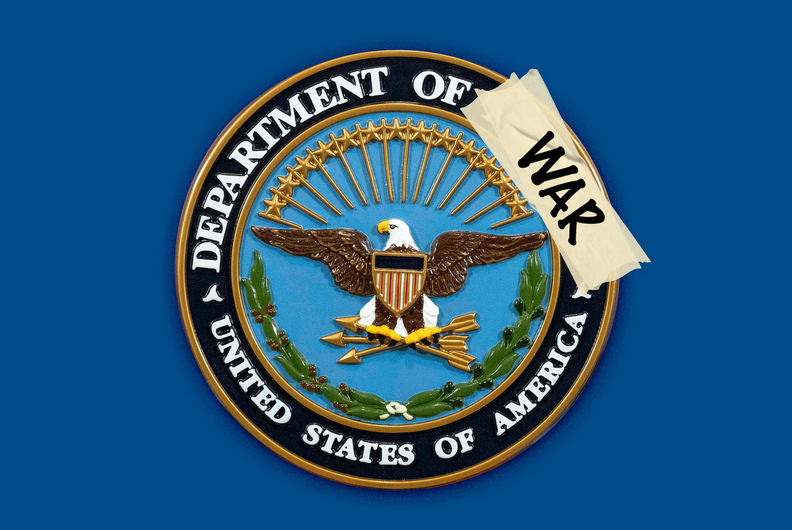
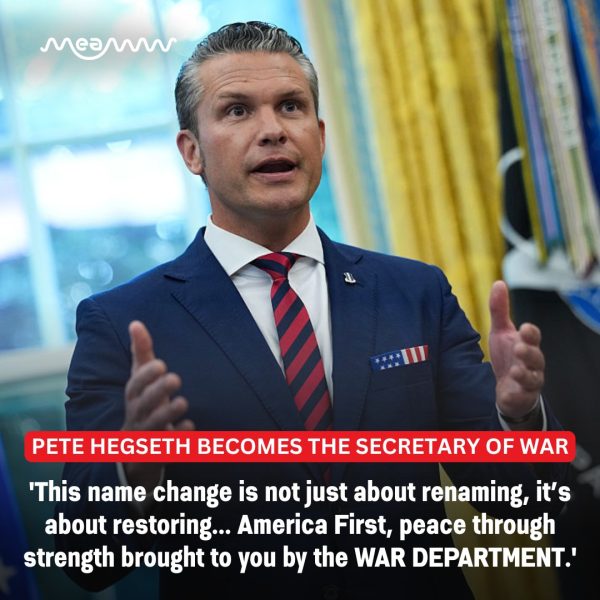
  • Immediate Actions: New website (war.gov), Secretary of Defense now referred to as “Secretary of War.”

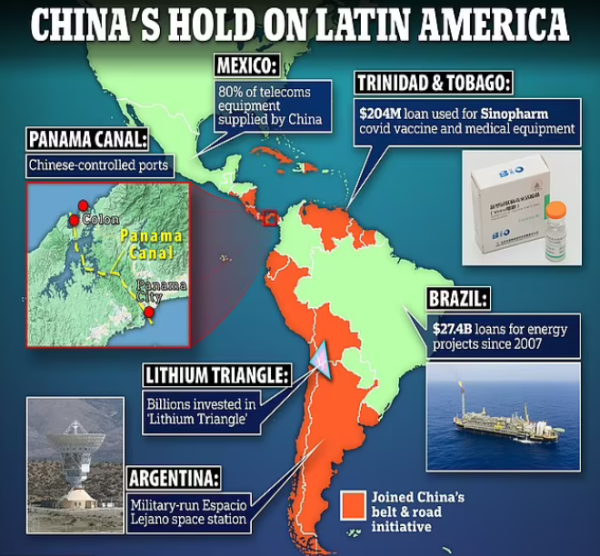
    Image 2: From defense to war
  • Legal Loophole: Congress retains the official name (“Department of Defense”), but the propaganda shift is complete. (In defense of the War Department, The Washington Post)

Why It Matters:
Language shapes perception. This isn’t a bureaucratic tweak—it’s a declaration of intent.


2. The Contradiction: “Peace President” or Warmonger?

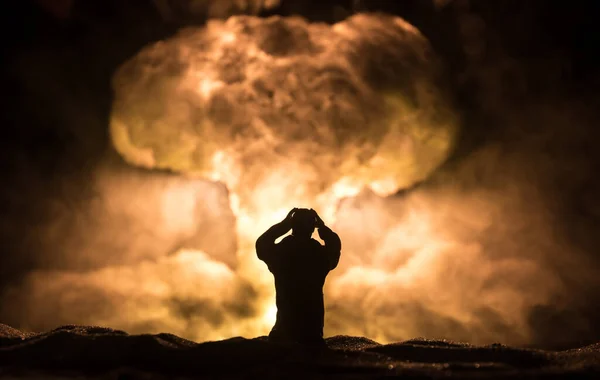
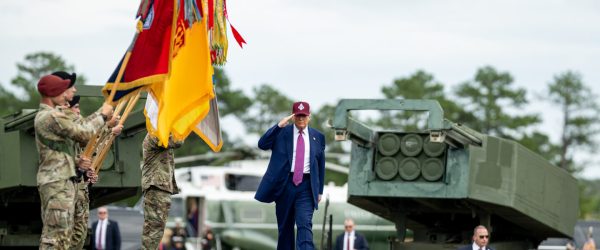
Image 3: Donald Trump at “Fort Bragg,” NC on June 11, 2025. ( https://whowhatwhy.org/international/trump-tries-out-being-a-warmonger-and-likes-it/)
  • Trump’s Narrative: Claims he “ended 6 wars in 6 months” and deserves a Nobel Peace Prize. CBS News

  • Reality:

    • Orders strikes on Iranian soil (violating sovereignty). WILIPEDIA

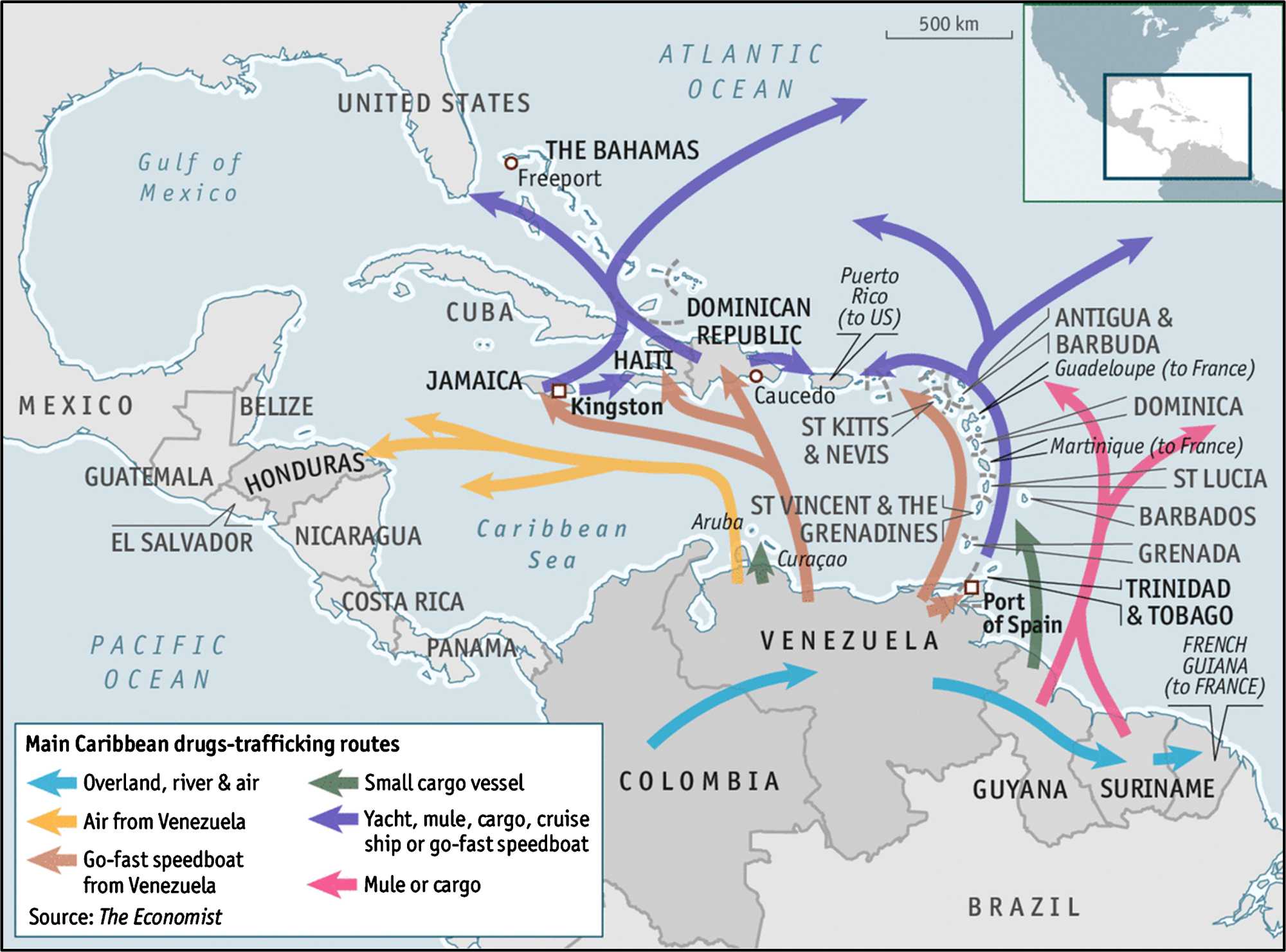
    • Threatens military action in Venezuela. REUTERS

    • Increases Pentagon budget while preaching “America First.” NBC NEWS

  • Verdict: A calculated deception to mask escalating aggression. Trump tells Qatar: Won’t happen again


3. The Global Message: Arson, Not Diplomacy

To Adversaries (Iran, Russia, China):

  • “The US is embracing confrontation, not deterrence.”

  • Google AI: The statement “The US is embracing confrontation, not deterrence” suggests a shift in US foreign policy from preventing conflict to actively engaging in it, a claim that is debated but has some recent evidence, such as the potential symbolic impact of restoring the “Department of War” name and rhetoric from some within the current administration emphasizing strength and countering threats from nations like China. However, the concept of “deterrence through denial” still actively shapes US strategy, and the administration’s overall goal remains to avoid war and maintain stability through a strong military and capable defense industrial base. 

    Arguments for “embracing confrontation”
    • Rhetoric and actions:
      Some government officials, like Secretary of Defense Pete Hegseth, have emphasized the need for strength and capability in the Indo-Pacific, which could be seen as a less defensive posture than pure deterrence. 

    • Symbolic shifts:
      The reported restoration of the “Department of War” name is presented as a signal that the United States is openly acknowledging its role as a war-making power, rather than a reactive one.
       

    • Focus on counteracting threats:
      The new administration is seen by some as focusing strategic attention on countering threats from China, which could be interpreted as a more confrontational approach. 

    Arguments against “embracing confrontation”
    • Deterrence remains a core goal:
      The official mission of the Department of Defense is still to “deter war and ensure our nation’s security”. 

    • Integrated deterrence strategy:
      The US has a strategy of “integrated deterrence,” which includes economic, technological, military, and ideological elements, as well as the role of allies and partners. 

    • Emphasis on peace and stability:
      While acknowledging increased tensions, the goal is still to build a constructive relationship and restore peace and stability. 

    • Building capability for deterrence:
      Efforts to increase defense spending, revitalize the defense industrial base, and improve military capabilities are intended to end conflicts and restore stability through deterrence. 

    Conclusion
    The assertion that the US is embracing confrontation over deterrence is a strong claim. While some actions and rhetoric might be interpreted as more confrontational, the stated goals and broader strategic framework still include deterrence as a central pillar of US foreign policy, particularly in the Indo-Pacific. The distinction often lies in the interpretation of how to best achieve deterrence in a complex, competitive environment. 

To Allies (NATO, Gulf States):

  • “Washington is unstable, unreliable, and hungry for conflict.”

To the World:

  •  “The rules-based order is dead. Welcome to the era of open imperialism.”

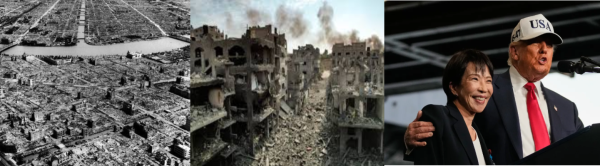
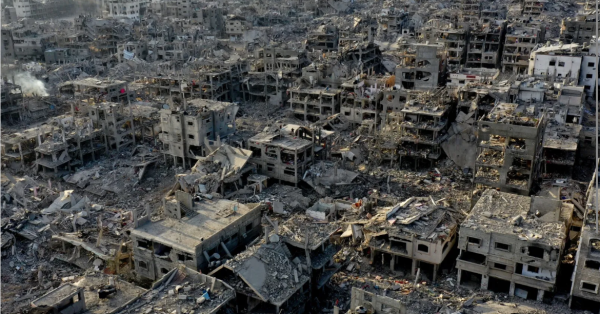
    Image 4: Palestine, genocide, and the imperialist lie of the ‘rules-based international order’

4. The Historical Parallels

  •  WIKIPEDIA1947: Last use of “War Department” before rebranding to “Defense Department” post-WWII. WIKIPEDIA(United States Department of Defense)

  • 2024: Trump revives pre-Cold War terminology, signaling a return to unchecked militarism.


5. The Inevitable Fallout

  • Escalation Risk: West Asia (Iran-Israel), Latin America (Venezuela), and Eastern Europe (Ukraine) are tinderboxes.

  • Loss of Trust: Allies question US motives; adversaries prepare for conflict.

  • Legacy: Trump’s presidency may be remembered not for “peace,” but for normalizing war as policy. NEWSWEEK


Call to Action

*“Share this article. Tag media outlets. Demand answers:

  • Why is a ‘peace president’ rebranding for war?

  • Will Congress block this dangerous shift?

  • Is the world ready for Trump’s militarized America?

#MinistryOfWar #TrumpHypocrisy #EndlessWar”*

twitterlinkedininstagramflickrfoursquaremail