Posted on Leave a comment

The “Governor” of Caracas: Marco Rubio and the New Face of Corporate Colonialism

The recent U.S. media speculation about appointing Senator Marco Rubio as “Governor of Venezuela” is more than political gossip. It is a stark revelation of a new imperial blueprint. This title, dripping with colonial history, unveils a modern strategy: corporate-style colonization. The goal is no longer direct military occupation, but indirect control through economic stake holding, remote governance, and the financial takeover of a nation’s resources. In this model, Venezuela is not treated as a sovereign state, but as a company to be restructured, with its oil as the prime asset and its people as a liability to be managed.

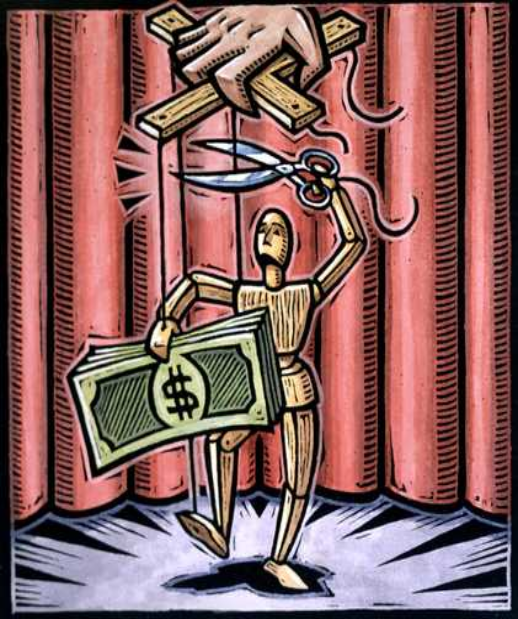
The new cockpit of empire: control is exercised from a distance, through digital interfaces and financial levers, not from a governor’s mansion.

The “Governor” as Corporate Executive
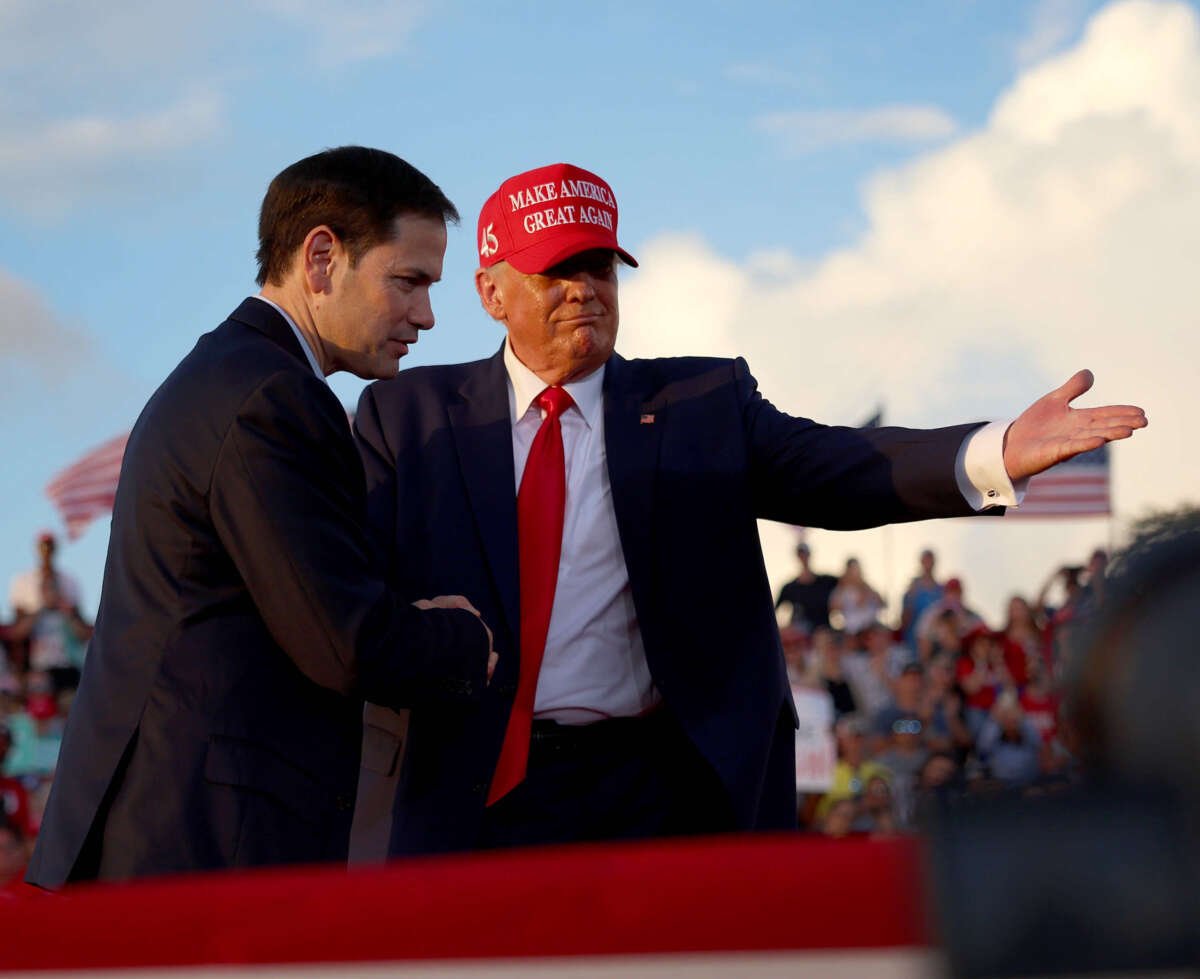
Marco Rubio is framed not as a diplomat, but as the ideal candidate for this role—a fluent Spanish speaker with a decade-long record of working to overthrow Venezuela’s government. The title “Governor” signifies a shift in U.S. tactics. After costly failures in Vietnam, Iraq, and Afghanistan, America seeks a “more convenient” method. The plan is remote control through major shareholding. Like a dominant stakeholder in a corporation, the U.S. aims to dictate strategic direction, participate in revenue distribution (especially oil profits), and install a subordinate management (a compliant government), all without the burden of day-to-day direct administration.

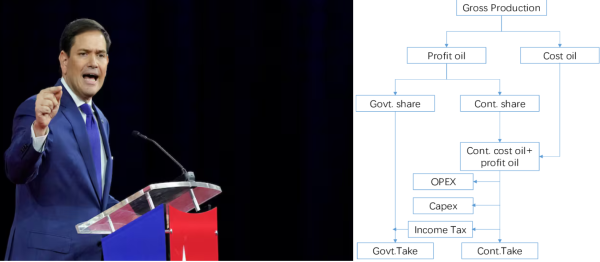
The politician as executive: fluency in regime change and shareholder percentages defines the new “governor’s” portfolio

The Tools of Takeover: Sanctions, Blockades, and Financial Strangulation
This new colonialism operates through non-military, yet equally devastating, means. The U.S. employs:

  • Financial Sanctions: Cutting off access to global capital.

  • Maritime Blockades: Threatening and isolating oil tankers to cripple exports.

  • Judicial Persecution: Using international law as a weapon.

This creates an “invisible siege.” A tanker carrying Venezuelan oil can be denied insurance and barred from ports worldwide, quietly strangling the nation’s economy. As the letter from Venezuela’s interim president requesting a “balanced relationship” shows, this pressure is palpable and overwhelming—a forced surrender to external economic control.

Understand why the seizure of a Venezuelan oil tanker has reignited  tensions between the US and Russia - CPG Click Oil and Gas
The invisible siege: modern blockades are made of financial threats and revoked insurance, strangling sovereignty from afar

The “Company-State”: A Dangerous Precedent for the World
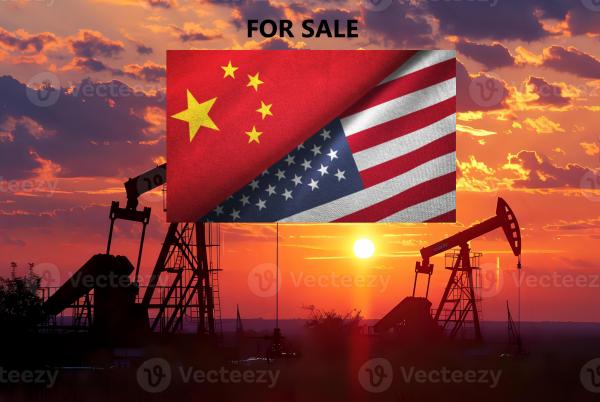
This model reframes the very concept of the nation-state. An independent country becomes a “company-state,” where its resources and territory are assets, its social issues are liabilities, and its sovereignty is subordinate to the will of the “controlling stakeholder.” The Venezuelan case sets a dangerous precedent, signaling to all resource-rich nations—especially in the Global South—that they risk being viewed not as homelands for their people, but as “asset baskets” for foreign powers to control.

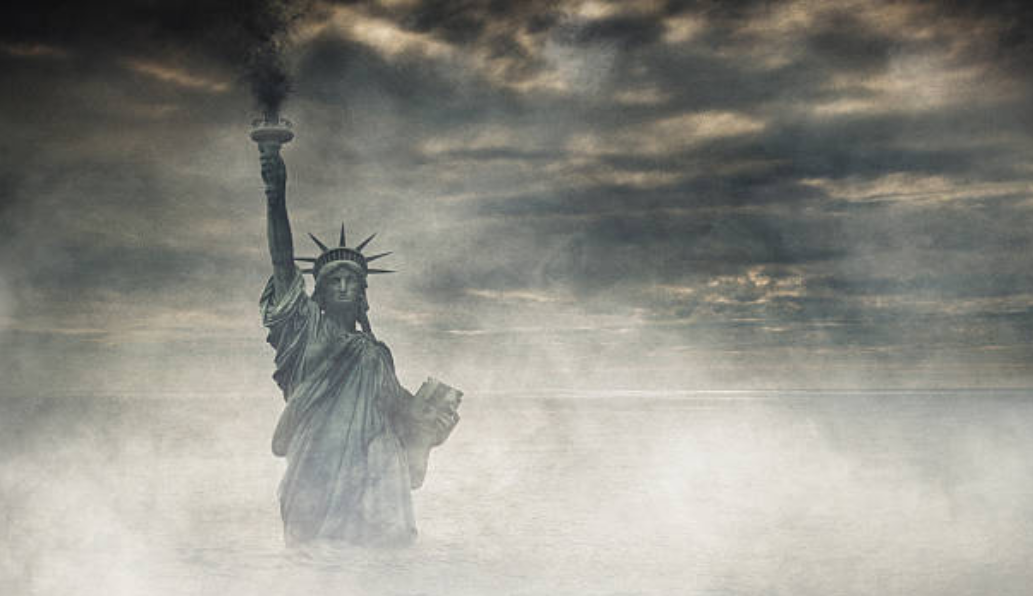
From sovereign symbol to corporate asset: the dangerous transformation of the nation-state into a “company-state.”

Sovereignty at a Crossroads in the Corporate Age
Faced with this new corporate colonialism, nations are left with a grim choice:

  1. Acquiesce: Submit to the model to retain limited, conditional benefits.

  2. Resist: Forge a defensive path through strengthened South-South cooperation, building alternative financial and trade systems to counter hegemonic control.

Either path carries a heavy cost. Marco Rubio may never hold the official title, but the concept of a “Governor” has exposed the cold, transactional logic of 21st-century imperialism. This is not a return to 19th-century colonialism, but a carefully packaged, complex interventionism for the corporate age. The world now watches to see if this model of remote, financial governance will succeed—and whether sovereign nations can find a way to defend their destiny against the ledger books of a new empire.

The choice presented: submit to external control or forge a path of collective sovereignty. The future of the Global South hangs in the balance
twitterlinkedininstagramflickrfoursquaremail
Posted on Leave a comment

The Velvet Glove Comes Off: Unmasking American Unilateralism and the Crisis of World Order

From Venezuela to the Levant, the consequences of hegemony demand a new, collective response from the sovereign world.

For decades, the United States has presented itself to the world wrapped in the mantle of freedom and human rights, its Statue of Liberty a global symbol. This image, however, has proven to be a classic case of the “iron fist in a velvet glove.” Today, that glove is slipping, and the bare knuckles of raw power are visible for global public opinion to see.

The facade cracks most blatantly where international law meets imperial interest. Consider the recent assault on Venezuela: a sovereign nation subjected to destabilization, the destruction of its infrastructure, and the shocking spectacle of its elected president being kidnapped and transported to a foreign country. No legal or humanitarian logic can justify such an act. This is not diplomacy; it is state terrorism. It is open brutality and a blatant disruption of the very international rules America claims to uphold. The attack on Venezuela is not an anomaly but a stark symptom of a system that places itself above all others.

The 'catastrophic' state of Venezuela's oil facilities
The ‘catastrophic’ state of Venezuela’s oil facilities. The cost of unilateralism: Destroyed infrastructure in Venezuela stands as a monument to a world order where power trumps law

The Blowback of Manufactured Chaos

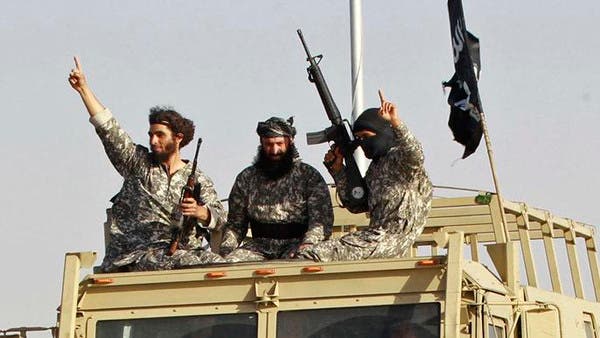
This pattern of creating chaos is not new. Western powers, now gripped by fear over the spread of Takfiri extremism like Al-Qaeda and ISIS, are reaping what they sowed. These monstrous currents are not spontaneous eruptions but the direct progeny of Western interventionist policies. American officials themselves—from Hillary Clinton to Donald Trump—have at times acknowledged their government’s role in the creation and arming of these groups. The West lit a fire in the heart of the Middle East, providing the financial, weaponry, and political kindling. Now, the flames threaten their own borders and security. The “war on terror” has revealed itself as a cycle of terror, with the architect often funding the very menace it claims to fight.

ISIS using 'significant quantities' of U.S. arms
The boomerang effect: The fires of extremism, lit by foreign intervention, now threaten the hearths of their creators

The Abdication of the UN and the Imperative for a New Order

The United Nations, conceived as a bulwark against world wars and genocide, stands neutered in the face of this reality. It has become an institution whose authority is routinely vetoed or ignored by the very power that hosts its headquarters. When one nation can militarily intervene from Iraq and Afghanistan to Syria and Venezuela with impunity, considering itself bound by no boundaries, the post-war order is dead.

Therefore, the central question of our time is not how to reform a broken system, but how to build a new one. The world must move decisively beyond the era of domination and towards an order founded on justice for all nations, not the interests of one.

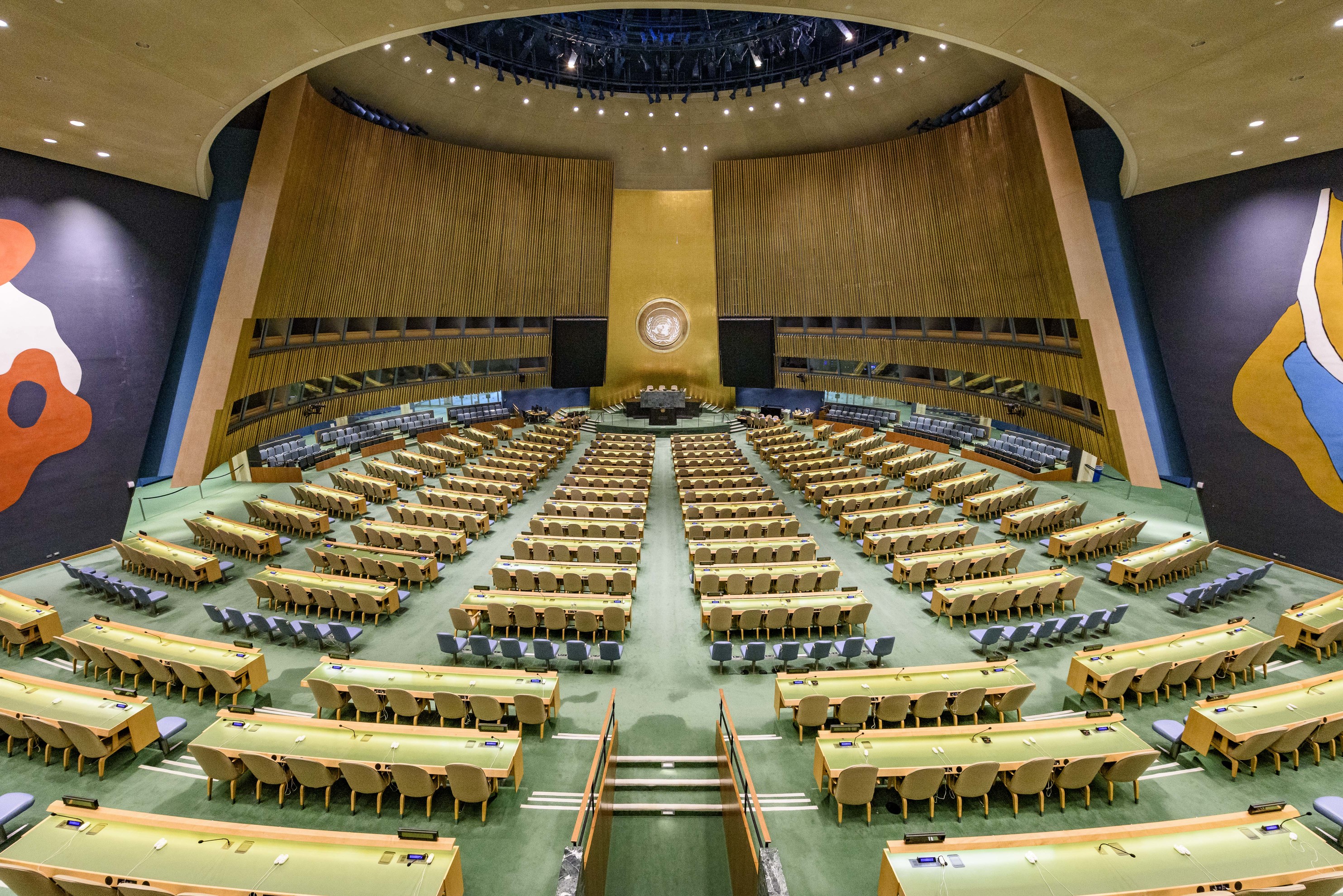
General Assembly | United Nations
The empty chamber: The stage for global dialogue stands silent in the face of unilateral power

A Call for Sovereign Collective Action

The moment for passive lament is over. The time has come for decisive, collective action by sovereign states, particularly those within the Non-Aligned Movement and the emerging Global South. They must define and activate a new mechanism to counter American unilateralism. This is not a call for alliance against a nation, but for solidarity in defense of a principle: the irreducible right to national sovereignty and a multipolar world.

Even traditional American allies in Europe now find their civilizations and social fabric under strain from the consequences of Washington’s policies and the pressure of its bullying. Europe, too, must seriously reconsider its path. The future of human society depends on breaking free from this atmosphere of brutality.

The choice is clear: continue under a dying hegemony that breeds violence and instability, or forge a new consensus where nations engage not as master and vassal, but with mutual respect. The unraveling of the old order is not a crisis, but an opportunity—an urgent summons for the world to finally grow up and govern itself.

What does the BRICS expansion mean? | Oban International
Seeds of a new order? The flags of the emerging multipolar world represent the collective search for sovereignty and justice
twitterlinkedininstagramflickrfoursquaremail
Posted on Leave a comment

From Caracas to the Monroe Doctrine: State Kidnapping as Superpower Policy

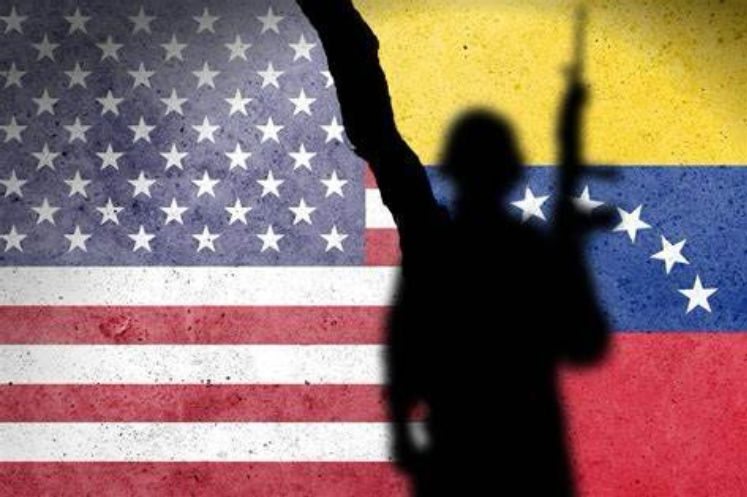
The pre-dawn kidnapping of Venezuelan President Nicolás Maduro and his wife on January 3rd was not a covert “operation.” It was a state-sponsored terrorist act, a public demonstration of raw imperial power. This event marks the explicit return of the Monroe Doctrine as active U.S. policy, where the Western Hemisphere is treated as a backyard to be policed through militarism, disruption, and brute force. Framed within a fabricated “war on drugs,” this action reveals a superpower logic that has abandoned all pretense of international law, offering only the stark choice between obedience and destruction.

Power from the current American Administration rarely arrives empty handed.
Those who claim to help are often drawn by what lies beneath the soil, the water, the oil, the gold, the soul of a nation. History has taught us this lesson more than once.

The Blueprint of a Bully: From “Drug War” to State Kidnapping
The operation followed a familiar, sinister blueprint: electronic warfare, systemic paralysis, and a precision military strike—not on a battlefield, but in a private residence. This was the culmination of months of escalated U.S. military presence in the Caribbean, reconnaissance flights, and blockades, all laundered under the hollow label of “fighting drug trafficking.” As even U.S. congressional critics noted, the official narrative was a pretext. The real target was never drugs; it was sovereignty.

Following the kidnapping, Donald Trump spoke not as a head of state, but as a colonial proprietor. He declared Venezuela must be “governed” by the United States, its resources “used correctly” for America’s share. The Monroe Doctrine was invoked not as history, but as a program for today: a divided world where security is synonymous with submission, and humanity is eliminated by softened force.Cyber Warfare: How Nations Are Preparing for Digital BattlesCyber Warfare: How Nations Are Preparing for Digital BattlesExploration conducted for this edition was supported by web searches, insights from open-source papers, and assistance from AI language modelsExploration conducted for this edition was supported by web searches, insights from open-source papers, and assistance from AI language models

Cyber warfare can be state-sponsored or carried out by non-state actors, such as terrorists or hacktivist groups, and often aims to achieve political, economic, or military objectives. The ambiguity surrounding the attribution of such attacks complicates international relations and raises concerns about how to respond appropriately to cyber threats.

The Hollow Pretext: Security as a Synonym for Militarism
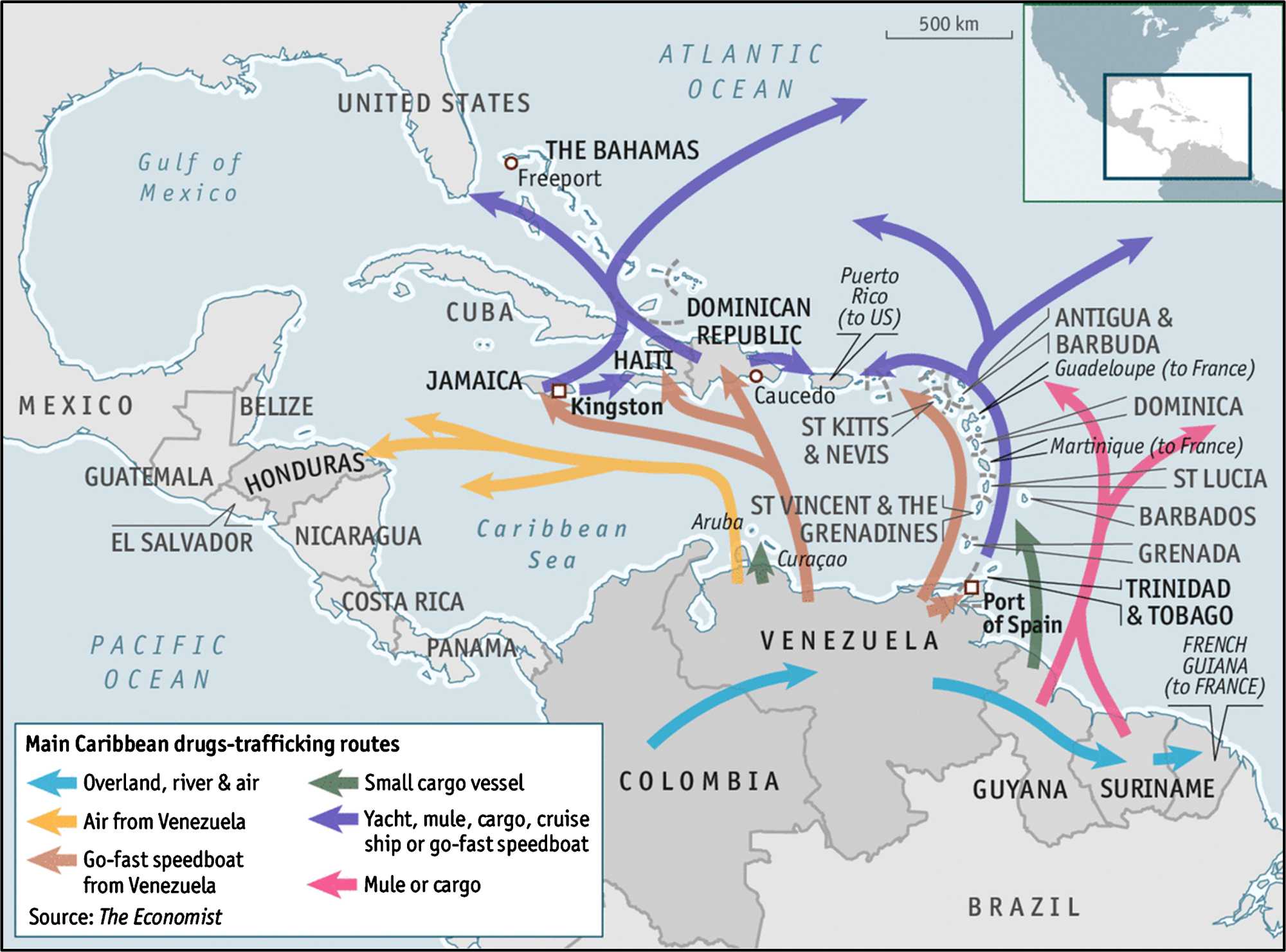
The advertised framework—narco-terrorism, security, limited operations—is a manufactured cover. U.S. data itself confirms the primary drug routes run through Mexico and Central America, not Venezuela. For Trumpism, reality is irrelevant; the political label is sufficient. “War on drugs” has become the ideological camouflage for state terrorism and kidnapping. In this logic, “security” is stripped of any meaning beyond the institutionalization of bullying and the right of a superpower to eliminate any society that is not aligned or obedient.

Drug Trafficking routes within the Caribbean. Source: The Economist (2014, 24th May. Full Circle—An Old Route Regains Popularity with Drug Gangs).

The Multipolar Trap: Desperation, Escalation, and the Crushing of Sovereignty
But this policy isn’t just simple, one-sided bullying. It is the desperate reaction of a fading hegemon in an emerging multipolar world. When the U.S., feeling its unilateral dominance slip, resorts to state kidnapping as a tool of politics, it does more than violate sovereignty—it lowers the threshold for global conflict and provides a template for other powers. In a world with multiple centers of power, every act of aggression by the American superpower creates a moral and political justification for rivals to ask: “If the hegemon can abandon all rules, why should we restrain ourselves?”

The reactions from Moscow, Beijing, and Tehran were predictable condemnations. But beyond the statements, a more dangerous dynamic is set in motion: competitive destabilization. Every military shock creates a counter-shock. Every normalization of state violence sets a new, brutal standard. The world is not simply splitting into two camps; it is fracturing into a volatile arena where multiple powers, including a rising Global South, may feel empowered or compelled to use force to secure their interests, sacrificing law and human security in the process.

Within Venezuela as well, the outcome is clear: the militarization of political space. External bullying becomes the fuel for internal repression. This is the enduring rule: militarism and external aggression serve to justify oppressive domestic governance, crushing society between the twin forces of foreign intervention and state crackdown.

The engine of escalation: one act of aggression justifies the next, locking the world in a cycle of mirrored militarism.

Against the Inhuman Blocs, For a Crushed Society
The kidnapping in Caracas brought no liberation, only a clearer exposure of the bullying empire’s face. It underscores a world where capital blocs harden, and war becomes a routine tool for adjusting power. The masses are crushed between sanctions, proxy wars, and normalized aggression.
This moment demands a clear stance: alignment with power blocs is a dead end. Not with the desperate, repressive American empire, nor with the authoritarian powers of Beijing or Moscow that pose as counter-hegemons while oppressing their own people. The promise of a multipolar world is hollow if it merely replaces one master with several. True emancipation will not come from state kidnapping, imperial bombings, or the cynical projects of competing powers. Our place is alongside the people and societies being crushed under the wheels of this transition—in the Global South and within the heart of the empires themselves. The path forward is built in opposition to a world order that sacrifices humanity on the altars of hegemony and multipolar rivalry.

Trump's Appointments Reflect a More Openly Hawkish Face of US Empire | Truthout
Trump’s Appointments Reflect a More Openly Hawkish Face of US Empire | Source: Truthout
twitterlinkedininstagramflickrfoursquaremail
Posted on Leave a comment

Checkmate in the Caribbean: How China’s Shadow Complicates Trump’s Venezuela Gambit

Playing with Fire: Chinese Military Presence in the Caribbean Complicates Trump’s Venezuela Calculus

The announcement of Donald Trump’s “final decision” on Venezuela hangs in the air, but any potential military action in the Caribbean is a path strewn with complexity and risk. Washington finds itself in a vulnerable position, its calculations complicated by the specter of China’s expanding military influence, the unpredictable reaction of Caracas, and the looming shadow of domestic elections. Every move risks setting off a chain of events that could be difficult to control, potentially ceding regional influence and inviting a rival power to America’s doorstep.

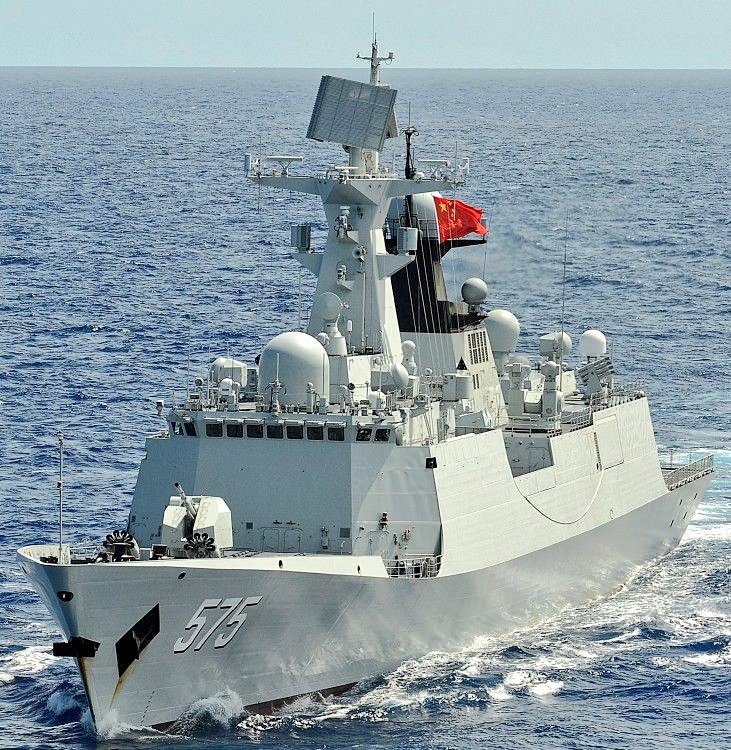
🇺🇲🇨🇳💥 Chinese Navy is just 120 miles away from US SOUTHCOM in Carribbean Sea and China's largest Naval vessels visits Nicaragua, Columbia and #Venezuela as regional tensions remain high with US army.
Chinese Navy is just 120 miles away from US SOUTHCOM in Carribbean Sea and China’s largest Naval vessels visits Nicaragua, Columbia and #Venezuela as regional tensions remain high with US army.

The Geopolitical Chessboard

While the Trump administration frames its increased military presence in Latin America as a “combat against drug trafficking” operation, the tightening grip has raised alarms about a wider conflict. The situation presents a host of contradictory and costly options. According to a U.S. diplomat close to the Democratic Party, the most significant threat is that China could leverage the Venezuelan crisis as a direct bargaining chip.

The potential scenario is a strategic nightmare for Washington: military action against the Maduro government could provide Beijing with the perfect pretext to officially deploy military assets to the Caribbean, ostensibly to support its ally. In practice, this would grant China a “great strategic advantage”—a permanent military foothold in America’s backyard, achieved inadvertently through U.S. policy.

China, Venezuela upgrade ties to 'all-weather strategic partnership,' state media report | Reuters
Venezuela’s President Nicolas Maduro shakes hands with China’s President Xi Jinping, during a meeting at the Great Hall of the People, in Beijing, China September 13, 2023. Miraflores Palace/Handout via REUTERS

The Taiwan Dilemma and Internal Divisions

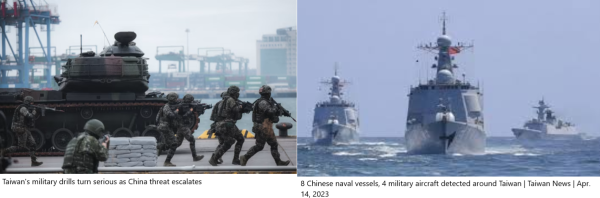
The stakes are raised even higher by the Taiwan issue. The same diplomat revealed serious disagreements within the Republican administration, with some officials fearing that any move against Venezuela would “open China’s hand to dealing with Taiwan.” This direct threat to U.S. national security creates a paralyzing dilemma: action in Caracas could trigger a crisis in Taipei.

Domestically, the Democrats are poised to weaponize any military action. They intend to make a Venezuelan intervention the centerpiece of their electoral attacks against Republicans in the midterm elections, turning foreign policy into a potent campaign issue.

Any move against Venezuela would “open China’s hand to dealing with Taiwan

The Narrowing Field of Options

Hasan Elzin, an expert on Latin American affairs, outlines several scenarios for Washington, each with its own perils:

  1. Direct Military Attack (Iraq Model): This faces three major obstacles: a crippling shortage of manpower compared to the Iraq war, strong public opposition to a new foreign conflict, and significant political and legal hurdles in Congress.

  2. Arming the Opposition: A previously attempted strategy that was partially thwarted by Caracas. Without defections from the Venezuelan military, this option has limited impact.

  3. A Decapitation Strike: A repeat of the failed 2020 attempt to capture Maduro, which would require massive and risky airstrikes.

  4. Maximum Pressure: A continued campaign of political, economic, and military pressure to force Caracas into concessions on energy and security.

Mediation by Brazil presents another uncertain path, complicated by Washington’s own pressure on the Brazilian government.

Venezuela holds military drills after US threat
Training exercises across country come at the heels of new US sanctions and Trump’s warning of military action

Containment: The Ultimate Goal

At its core, Washington’s strategy is driven by the desire to curb China’s growing influence in Latin America. The Trump administration seeks to prevent Beijing from using cheap Venezuelan oil as a strategic resource. The confrontation is a high-stakes “chess game” aimed at fundamentally altering the behavior of the Caracas government or even changing its regime.

The final, unpredictable variable is Venezuela’s response. The consequences of military action could range from the United States becoming bogged down in a Vietnam-like quagmire to widespread civil unrest in Venezuela escalating into a full-blown civil war—a blowback that would shatter regional stability and achieve the exact opposite of Washington’s stated goals.

The Trump administration seeks to prevent Beijing from using cheap Venezuelan oil as a strategic resource. The confrontation is a high-stakes “chess game” aimed at fundamentally altering the behavior of the Caracas government or even changing its regime

twitterlinkedininstagramflickrfoursquaremail

Posted on Leave a comment

🎖️ Nobel Peace Prize: The West’s Political Weapon Targets Venezuela This Time

How a “Peace Prize” Becomes a Tool for Regime Change

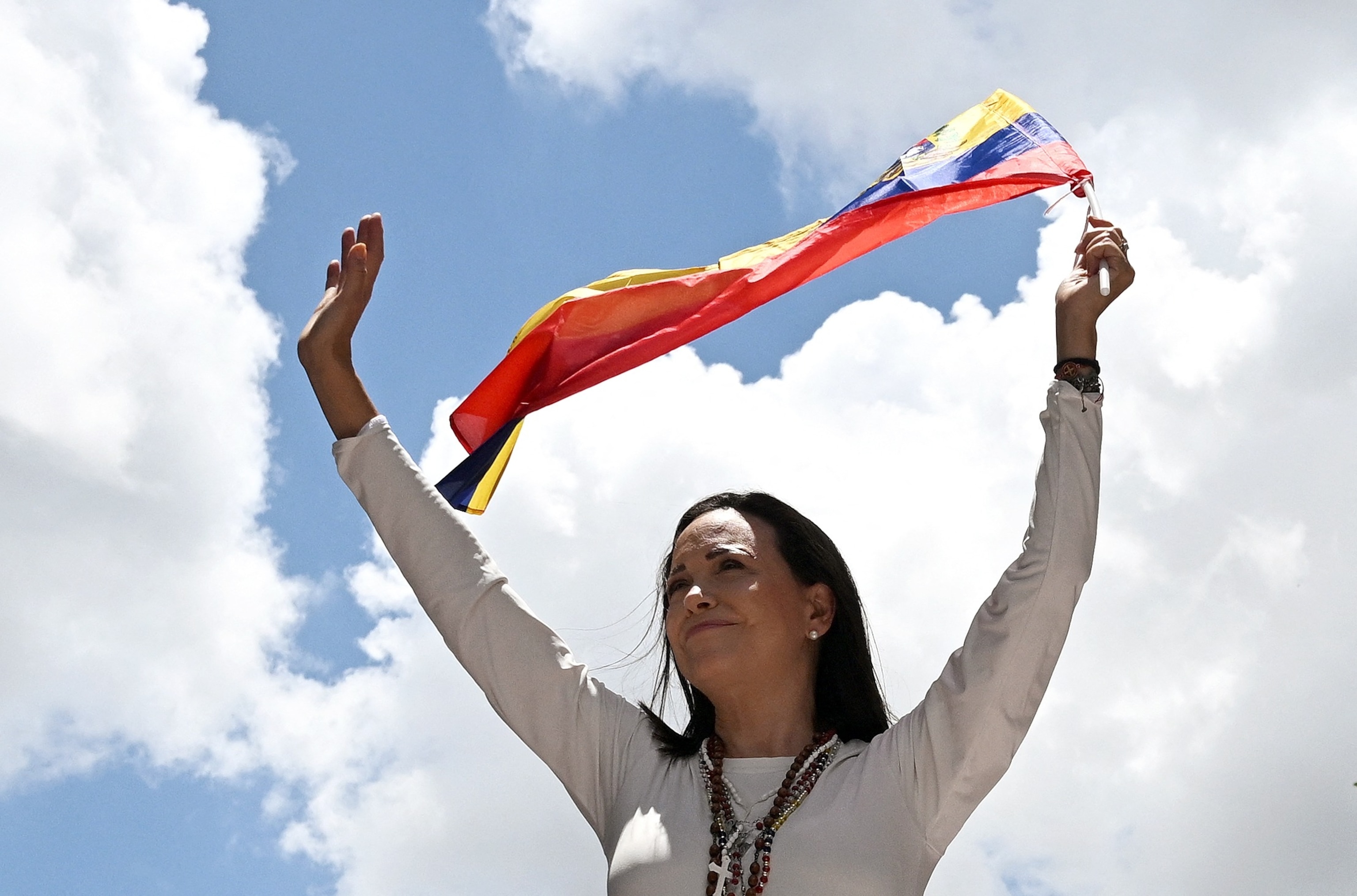
🔍 Who Is María Corina Machado? — Washington’s “Perfect Candidate” PHOTO: Venezuelan opposition leader Maria Corina Machado waves a Venezuelan flag during a rally in Caracas on August 28, 2024.

  • Political Background: Founded the pro-U.S. liberal party Vente Venezuela in 2013

  • Congressional Experience: Served in Venezuela’s National Assembly (2011-2014)

  • Key Stances:

    • Advocates for privatization and absolute market freedom

    • Calls for lifting sanctions on Venezuela (while accepting U.S. backing)

    • Promotes “democratic transition” — a euphemism for regime change

https://en.wikipedia.org/wiki/Mar%C3%ADa_Corina_Machado


🎭 The Nobel’s Double Standards: A Handbook of Western Political Toolkits

1. Selective “Peace”

  • Recipients Include:

  • Overlooked Candidates:

    • Qasem Soleimani — Actually fought terrorism

    • Venezuelan community kitchen workers — Real peacebuilders on the groundCommunity kitchen feeds thousands of Venezuelans each day

2. Timing Is Everything

  • 2023: Narges Mohammadi (Iran) → Awarded during domestic unrestThe Struggle for Freedom: Iranian human rights activist Narges Mohammadi advocates for 'Women, Life, and Freedom' from prison | George W. Bush Presidential Center

The Noble Comitee qutes:

A champion of equality and women’s rights


The Nobel Peace Prize for 2023 was awarded to the imprisoned Iranian human rights advocate Narges Mohammadi. More than 20 years of fighting for women’s rights made her a symbol of freedom and standard-bearer in the struggle against the Iranian theocracy. In 2003, she joined the Defenders of Human Rights Center, founded by that year’s Nobel Peace Prize laureate, Shirin Ebadi. In the years that followed, Ms Mohammadi helped imprisoned activists, led a campaign against the death penalty and criticized the regime’s use of torture and sexualized violence.

The freedom struggle cost her dearly. She was arrested 13 times and sentenced to 31 years in prison and 154 lashes. In October 2023, when her selection as the Nobel Peace Prize laureate was announced, she was locked in Tehran’s notorious Evin prison.

From captivity, Narges Mohammadi stood at the forefront of major protests against the Iranian regime in autumn 2022. The unrest had been triggered by the arrest, mistreatment and death of a young Kurdish woman, Mahsa Jina Amini, at the hands of the morality police. Her crime: not adequately covering her hair. The authorities responded harshly against the demonstrators. More than 500 were killed, thousands were injured, and at least 20 000 were arrested.

Narges Mohammadi commented on her peace prize as follows: “I will never stop striving for the realization of democracy, freedom and equality. Surely, the Nobel Peace Prize will make me more resilient, determined, hopeful and enthusiastic.”

  • 2025: María Corina Machado → Coincides with U.S. military threatsWho is Nobel Peace laureate Maria Corina Machado? | Reuters

The Norwegian Nobel Committee has decided to award the Nobel Peace Prize for 2025 to Maria Corina Machado.

She is receiving the Nobel Peace Prize for her tireless work promoting democratic rights for the people of Venezuela and for her struggle to achieve a just and peaceful transition from dictatorship to democracy.


As the leader of the democracy movement in Venezuela, Maria Corina Machado is one of the most extraordinary examples of civilian courage in Latin America in recent times.

Ms Machado has been a key, unifying figure in a political opposition that was once deeply divided – an opposition that found common ground in the demand for free elections and representative government. This is precisely what lies at the heart of democracy: our shared willingness to defend the principles of popular rule, even though we disagree. At a time when democracy is under threat, it is more important than ever to defend this common ground.

Venezuela has evolved from a relatively democratic and prosperous country to a brutal, authoritarian state that is now suffering a humanitarian and economic crisis. Most Venezuelans live in deep poverty, even as the few at the top enrich themselves. The violent machinery of the state is directed against the country’s own citizens. Nearly 8 million people have left the country. The opposition has been systematically suppressed by means of election rigging, legal prosecution and imprisonment.

Venezuela’s authoritarian regime makes political work extremely difficult. As a founder of Súmate, an organisation devoted to democratic development, Ms Machado stood up for free and fair elections more than 20 years ago. As she said: “It was a choice of ballots over bullets.” In political office and in her service to organisations since then, Ms Machado has spoken out for judicial independence, human rights and popular representation. She has spent years working for the freedom of the Venezuelan people.

Ahead of the election of 2024, Ms Machado was the opposition’s presidential candidate, but the regime blocked her candidacy. She then backed the representative of a different party, Edmundo Gonzalez Urrutia, in the election. Hundreds of thousands of volunteers mobilised across political divides. They were trained as election observers to ensure a transparent and fair election. Despite the risk of harassment, arrest and torture, citizens across the country held watch over the polling stations. They made sure the final tallies were documented before the regime could destroy ballots and lie about the outcome.

The efforts of the collective opposition, both before and during the election, were innovative and brave, peaceful and democratic. The opposition received international support when its leaders publicised the vote counts that had been collected from the country’s election districts, showing that the opposition had won by a clear margin. But the regime refused to accept the election result, and clung to power.

Democracy is a precondition for lasting peace. However, we live in a world where democracy is in retreat, where more and more authoritarian regimes are challenging norms and resorting to violence. The Venezuelan regime’s rigid hold on power and its repression of the population are not unique in the world. We see the same trends globally: rule of law abused by those in control, free media silenced, critics imprisoned, and societies pushed towards authoritarian rule and militarisation. In 2024, more elections were held than ever before, but fewer and fewer are free and fair.

In its long history, the Norwegian Nobel Committee has honoured brave women and men who have stood up to repression, who have carried the hope of freedom in prison cells, on the streets and in public squares, and who have shown by their actions that peaceful resistance can change the world. In the past year, Ms Machado has been forced to live in hiding. Despite serious threats against her life she has remained in the country, a choice that has inspired millions of people.

When authoritarians seize power, it is crucial to recognise courageous defenders of freedom who rise and resist. Democracy depends on people who refuse to stay silent, who dare to step forward despite grave risk, and who remind us that freedom must never be taken for granted, but must always be defended – with words, with courage and with determination.

Maria Corina Machado meets all three criteria stated in Alfred Nobel’s will for the selection of a Peace Prize laureate. She has brought her country’s opposition together. She has never wavered in resisting the militarisation of Venezuelan society. She has been steadfast in her support for a peaceful transition to democracy.

Maria Corina Machado has shown that the tools of democracy are also the tools of peace. She embodies the hope of a different future, one where the fundamental rights of citizens are protected, and their voices are heard. In this future, people will finally be free to live in peace.

  • Clear Pattern: The prize serves as a geopolitical signal for intervention

read also: https://countercurrents.org/2025/10/nobel-peace-prize-a-political-tool-to-reward-pro-western-ideology/


🇺🇸 Trump’s Nobel Ambitions — An Unfulfilled Craving

Despite Trump’s public claims:

“Not giving me the prize would be a great insult to America”

The Nobel Committee understands:

  • Trump dismantled the post-WWII international order

  • His climate denial threatens global security

  • He openly scorns multilateral institutions

Yet, when geopolitics demands, the same committee readily awards equally controversial figures.


🌍 The Nobel’s Dark History — Beyond “Peace”

Year Winner Controversy
1991 Aung San Suu Kyi Later defended the Rohingya genocide
2009 Barack Obama Expanded drone warfare after receiving the prize
2012 European Union Deeply involved in wars in Libya and Syria
2023 Narges Mohammadi Remained silent on Palestine genocide

💡 Real Peacebuilders Are Ignored

While the Nobel Committee rewards professional opposition figures, true peacemakers are:

They will never win a Nobel — because they don’t serve Western geopolitical interests.


🎯 Conclusion: The Nobel Peace Prize Is Dead

The award has fully become:

  1. A Western Soft Power Weapon — Rewarding obedience, punishing independence

  2. A Regime Change Tool — Creating legitimacy for military intervention(Drug war in Venezuela)

  3. Ideological Propaganda — Promoting Western liberal hegemony

As Machado accepts the prize in Oslo, U.S. warships patrol the Caribbean. This isn’t peace—it’s preparation for war

twitterlinkedininstagramflickrfoursquaremail
Posted on Leave a comment

“Drug War” or Oil War? The Real Reason US Warships Are Heading to Venezuela

Washington’s hypocrisy is on full display: sending destroyers to “fight drugs” while actively starving a nation and plotting regime change over the world’s largest oil reserves, this time Venezuela.

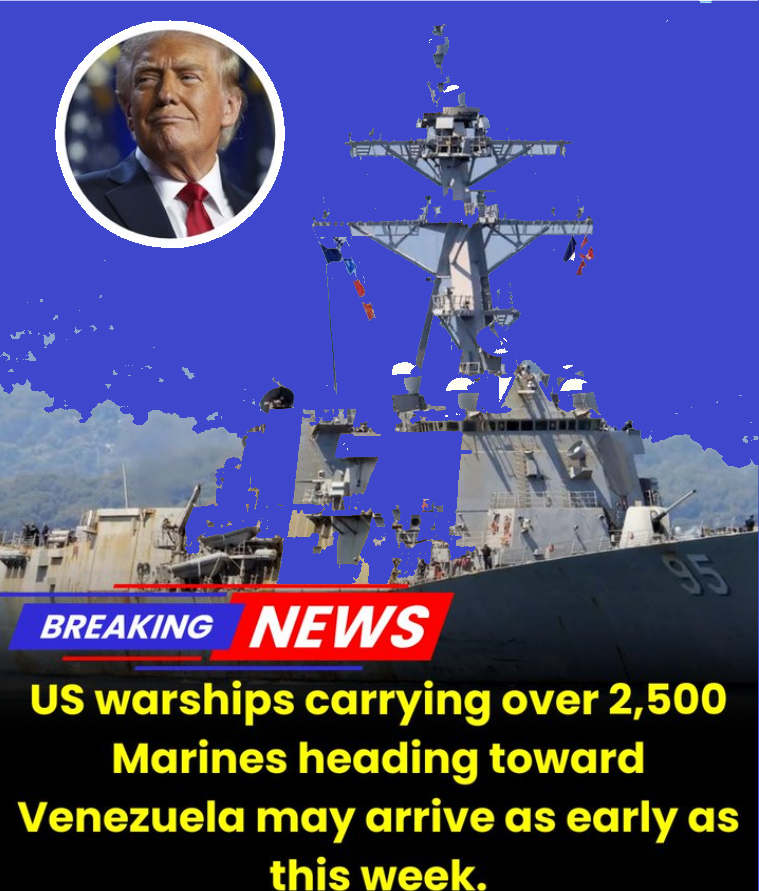
Image 1: US warships carrying over 2,500 Marines heading toward Venezuela may arrive as early as this week

1. The “Anti-Drug” Mission: A Classic US Pretext

The United States has announced it is sending three warships toward Venezuelan waters under the guise of combating “narco-terrorism.” This is not a new script.

We’ve seen this before:

  • Iraq 2003: “Weapons of Mass Destruction”

  • Libya 2011: “Protecting Civilians”

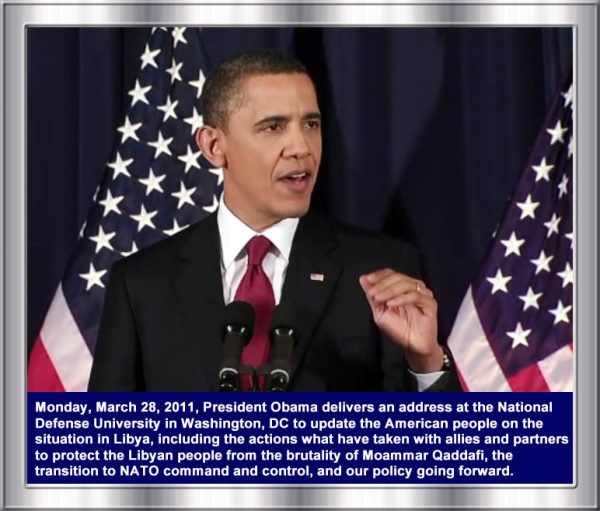
    Image 2: The United States has deployed to support for Libya’s people of freedom and their prosperity to continue in secure manner: a naval force of 11 ships, including the amphibious assault ship USS Kearsarge, the amphibious transport dock USS Ponce, the guided-missile destroyers USS Barry and USS Stout, the nuclear attack submarines USS Providence and USS Scranton, the cruise missile submarine USS Florida and the amphibious command ship USS Mount Whitney. Additionally, B-2 stealth bombers, AV-8B Harrier II ground-attack aircraft, EA-18 and F-15 and F-16 fighters have been involved in action over Libya.U-2 reconnaissance aircraft are stationed on Cyprus. On 18 March, two AC-130Us arrived at RAF Mildenhall as well as additional tanker aircraft. On 24 March 2 E-8Cs operated from Naval Station Rota Spain, which indicates an increase of ground attacks. The Following map shows where the location that Pro-Gaddafi forces controlled and where the place controled by anti-Gaddafi forces: Source: wikipedia
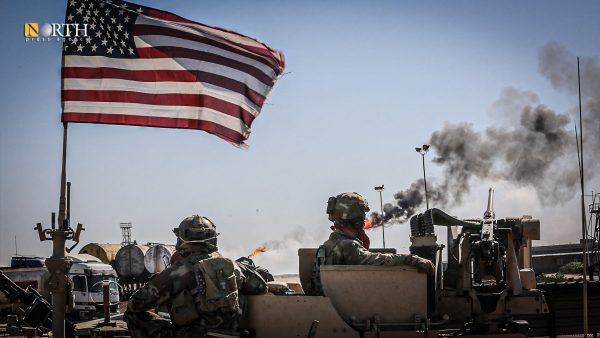
  • Syria: “Fighting Terrorism”

    Image 3: We will maintain our mission in northeast Syria: US – North press agency

Now, Venezuela is the next target—and the excuse is just as transparent.

The real goal? To destabilize the government of Nicolás Maduro, who Washington refuses to recognize because he dares to prioritize Venezuelan sovereignty over U.S. demands.

2. The Oil in the Room: Why Venezuela Really Matters

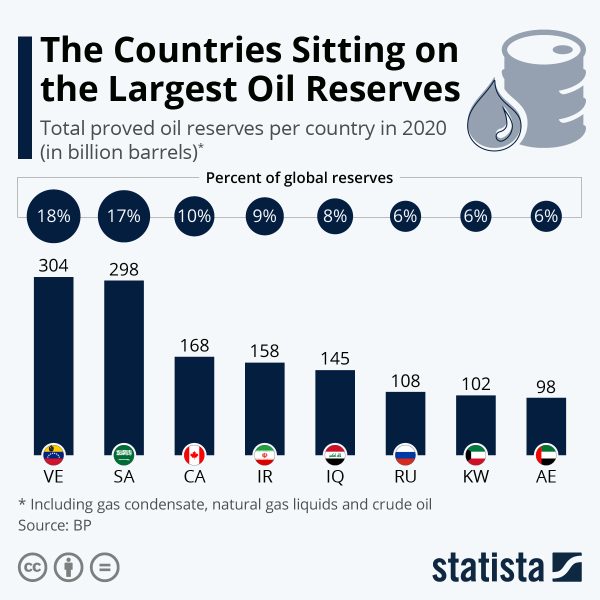
Venezuela holds the largest proven oil reserves on the planet. That is not a coincidence—it is the reason.

Image 4: Venezuela is the biggest oil reserves in the world with its 304 billion barrels.

The U.S. does not intervene in:

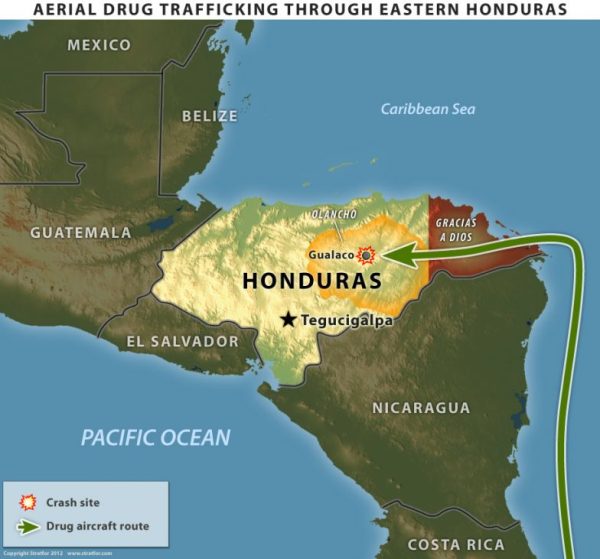
  • Real drug hubs in Honduras or Guatemala

    Image 5: Narcotrafficking network in Honduras
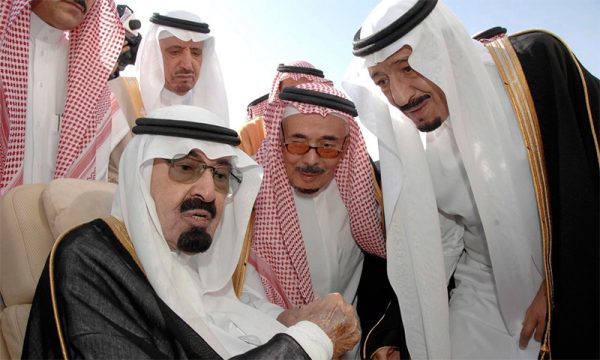
  • Actual dictatorships like Saudi Arabia

    Image 6: Call them ‘Dictators’, not ‘Kings’

It intervenes where strategic resources are at stake. The playbook is simple:

  1. Sanction the country into economic crisis.

  2. Fund opposition movements and call them “the real government.”

  3. Create humanitarian chaos.

  4. Invade or orchestrate coup under a “humanitarian” or “anti-drug” pretext.

It’s regime change 101.

3. The “Guaidó Project”: A Failed Puppet

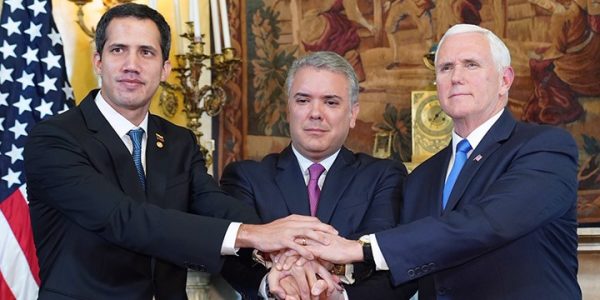
Image 6: Left to right: coup leader Juan Guaidó, Colombian President Iván Duque and Vice President Mike Pence

For years, the U.S. backed Juan Guaidó—a man who never won a national election—as the “legitimate” president of Venezuela. The goal was to create a parallel government willing to hand over Venezuela’s oil to U.S. corporations.

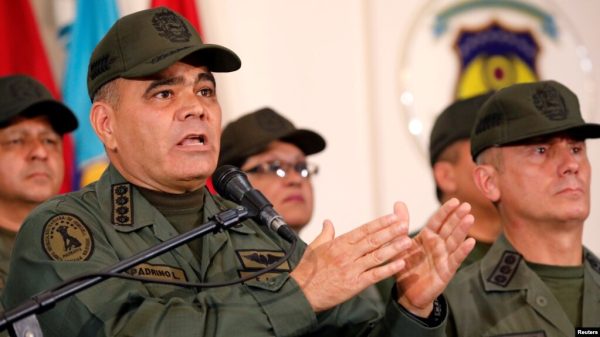
The plan failed. Guaidó had no real domestic support, and the Venezuelan military remained loyal to Maduro.

Image 7: Venezuela Defense Chief Says Troops to Remain Loyal to Maduro

Now, with diplomacy failing, the U.S. is escalating toward military intimidation.

4. Sanctions = Economic Warfare

The U.S. has imposed crushing sanctions on Venezuela:

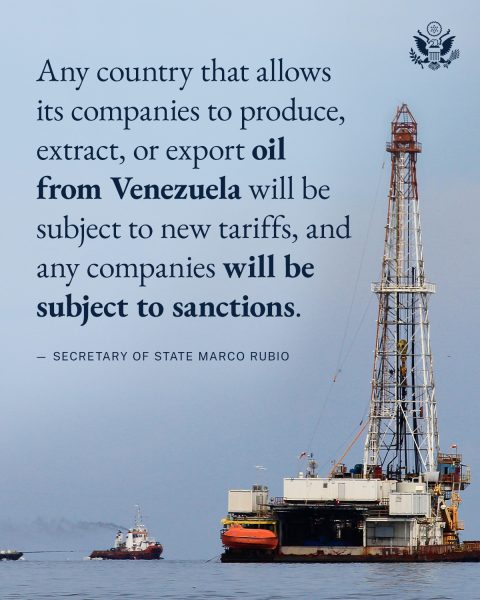
  • Blocking oil exports

  • Freezing foreign assets

  • Limiting food and medicine imports

These are not “targeted” sanctions. They are collective punishment designed to make the population suffer until they overthrow their own government.

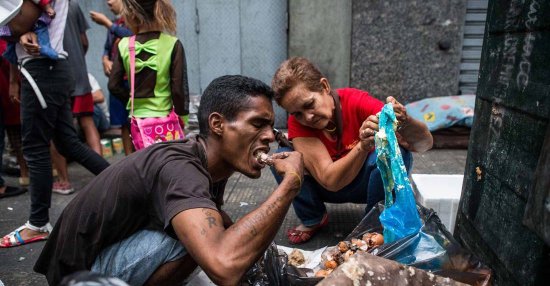
The result? The richest country in oil is now one of the poorest in stability—by U.S. design.

Image 8: Venezuela indeed should be paradise, but because of the US sanctions the total poverty exceeded 87% in 2017

5. What’s Next: Syria in Latin America?

If the U.S. succeeds in triggering unrest, Venezuela could descend into a proxy war:

  • US-backed factions vs. government loyalists

  • Destabilized region: Colombia and Brazil may be drawn in

  • Mass refugee crises

  • Another generation lost to war

All while the U.S. positions itself to control the oil.

Image 9: Why is oil in Venezuela a responsibility of USA

6. The Real Drug Lords

While the U.S. claims to fight drugs, it ignores that the largest drug consumer market is in the United States. The real “narco-terrorism” is fueled by American demand and American banks that launder drug money.

This isn’t about drugs. It’s about domination.


twitterlinkedininstagramflickrfoursquaremail