Posted on Leave a comment

The Velvet Glove Comes Off: Unmasking American Unilateralism and the Crisis of World Order

From Venezuela to the Levant, the consequences of hegemony demand a new, collective response from the sovereign world.

For decades, the United States has presented itself to the world wrapped in the mantle of freedom and human rights, its Statue of Liberty a global symbol. This image, however, has proven to be a classic case of the “iron fist in a velvet glove.” Today, that glove is slipping, and the bare knuckles of raw power are visible for global public opinion to see.

The facade cracks most blatantly where international law meets imperial interest. Consider the recent assault on Venezuela: a sovereign nation subjected to destabilization, the destruction of its infrastructure, and the shocking spectacle of its elected president being kidnapped and transported to a foreign country. No legal or humanitarian logic can justify such an act. This is not diplomacy; it is state terrorism. It is open brutality and a blatant disruption of the very international rules America claims to uphold. The attack on Venezuela is not an anomaly but a stark symptom of a system that places itself above all others.

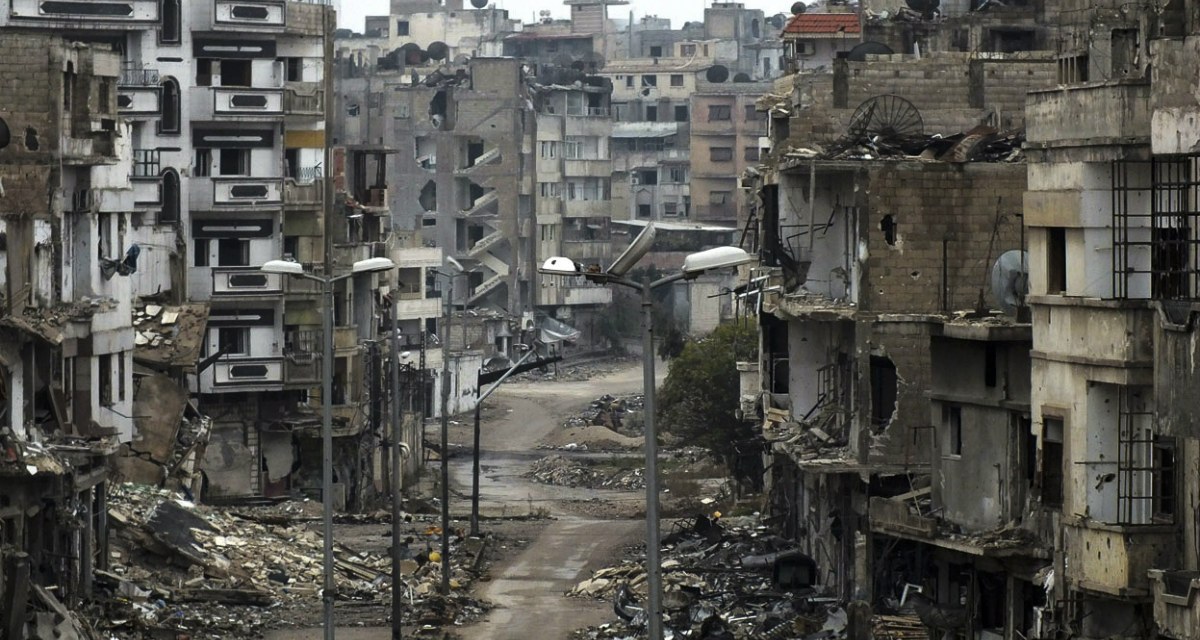
The 'catastrophic' state of Venezuela's oil facilities
The ‘catastrophic’ state of Venezuela’s oil facilities. The cost of unilateralism: Destroyed infrastructure in Venezuela stands as a monument to a world order where power trumps law

The Blowback of Manufactured Chaos

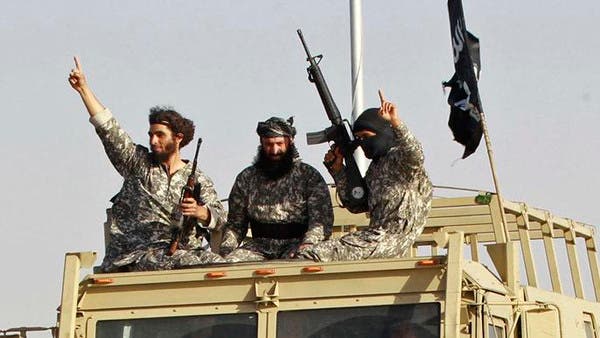
This pattern of creating chaos is not new. Western powers, now gripped by fear over the spread of Takfiri extremism like Al-Qaeda and ISIS, are reaping what they sowed. These monstrous currents are not spontaneous eruptions but the direct progeny of Western interventionist policies. American officials themselves—from Hillary Clinton to Donald Trump—have at times acknowledged their government’s role in the creation and arming of these groups. The West lit a fire in the heart of the Middle East, providing the financial, weaponry, and political kindling. Now, the flames threaten their own borders and security. The “war on terror” has revealed itself as a cycle of terror, with the architect often funding the very menace it claims to fight.

ISIS using 'significant quantities' of U.S. arms
The boomerang effect: The fires of extremism, lit by foreign intervention, now threaten the hearths of their creators

The Abdication of the UN and the Imperative for a New Order

The United Nations, conceived as a bulwark against world wars and genocide, stands neutered in the face of this reality. It has become an institution whose authority is routinely vetoed or ignored by the very power that hosts its headquarters. When one nation can militarily intervene from Iraq and Afghanistan to Syria and Venezuela with impunity, considering itself bound by no boundaries, the post-war order is dead.

Therefore, the central question of our time is not how to reform a broken system, but how to build a new one. The world must move decisively beyond the era of domination and towards an order founded on justice for all nations, not the interests of one.

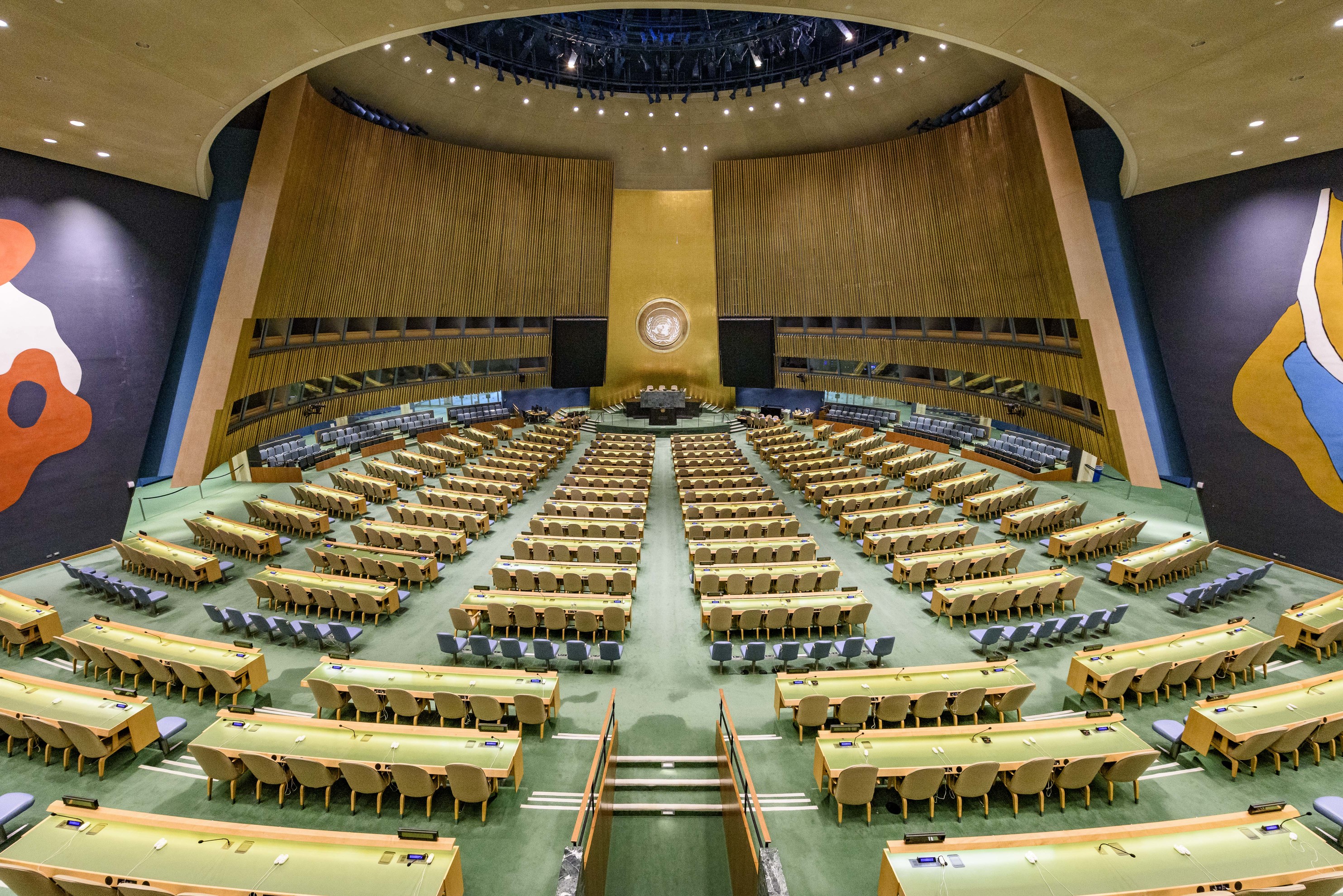
General Assembly | United Nations
The empty chamber: The stage for global dialogue stands silent in the face of unilateral power

A Call for Sovereign Collective Action

The moment for passive lament is over. The time has come for decisive, collective action by sovereign states, particularly those within the Non-Aligned Movement and the emerging Global South. They must define and activate a new mechanism to counter American unilateralism. This is not a call for alliance against a nation, but for solidarity in defense of a principle: the irreducible right to national sovereignty and a multipolar world.

Even traditional American allies in Europe now find their civilizations and social fabric under strain from the consequences of Washington’s policies and the pressure of its bullying. Europe, too, must seriously reconsider its path. The future of human society depends on breaking free from this atmosphere of brutality.

The choice is clear: continue under a dying hegemony that breeds violence and instability, or forge a new consensus where nations engage not as master and vassal, but with mutual respect. The unraveling of the old order is not a crisis, but an opportunity—an urgent summons for the world to finally grow up and govern itself.

What does the BRICS expansion mean? | Oban International
Seeds of a new order? The flags of the emerging multipolar world represent the collective search for sovereignty and justice
twitterlinkedininstagramflickrfoursquaremail
Posted on Leave a comment

A Geopolitical Tool, Not a State: Israel’s Recognition of Somaliland

Israel’s recognition of the breakaway region of Somaliland is not a benign diplomatic gesture. It is a calculated move in a long-term strategy of regional destabilization. This analysis argues that Tel Aviv’s action should be seen as a deliberate attempt to weaken national structures, create new crisis points, and extend its geopolitical reach into the strategically vital Horn of Africa and Red Sea corridor, all while disregarding the fundamental principles of international law.

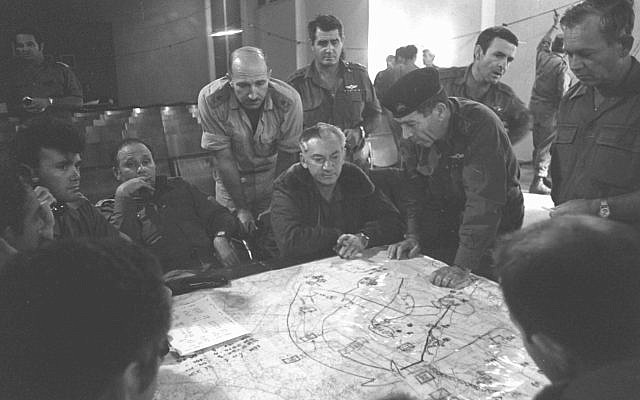
Members of the IDF General Staff look over a map during the outbreak of the Yom Kippur War on October 17, 1973. (Micky Astel/Bamahane/Defense Ministry Archives)
An archival image of Israeli intelligence officials Members of the IDF General Staff look over a map during the outbreak of the Yom Kippur War on October 17, 1973. (Micky Astel/Bamahane/Defense Ministry Archives)

The Strategic Logic: Security Through Instability

Historically, Israel has often pursued a security doctrine that favors a fragmented and unstable neighborhood over strong, unified regional states. Recognizing Somaliland fits this pattern perfectly. It is not about supporting a nascent democracy but about engineering a geopolitical tool.

From a strategic viewpoint, this move is part of Israel’s effort to shift its confrontation with the Axis of Resistance (Iran and its allies) to more distant, less costly battlegrounds. The Red Sea and Bab al-Mandab Strait have become critical pressure points. By gaining a foothold in Somaliland, Israel seeks future intelligence and operational access in a region that could be decisive in containing Iranian influence and securing vital shipping lanes for its allies, primarily the United States.

The UN Charter is outdated and unfit for purpose
UN Charter: 80 years of guiding principles (https://www.un.org/en/about-us/un-charter)

[/caption]The Political Message: Normalizing DisintegrationBeyond strategy, the recognition sends a profound political message: the complete disregard for the sovereignty and territorial integrity of states. For Israel, principles like non-interference and territorial unity—cornerstones of the UN Charter—are subordinate to its immediate interests.

Just as the occupation of Palestinian territories and the violation of UN resolutions have become routine, supporting the disintegration of sovereign nations is now being normalized as a legitimate tool of Israeli foreign policy. Recognizing Somaliland is an attempt to legitimize fragmentation itself as a geopolitical tactic.

The Backfire: Isolation Instead of Legitimacy
Contrary to any hopes in Tel Aviv, this move has not bought Israel international goodwill or legitimacy. Instead, it has triggered widespread condemnation from Arab, Islamic, and African states, along with concern from international actors. The reaction underscores a critical consensus: unilateral acts of disintegration threaten regional security for all.

The fear is of a contagious “separatist pattern” that could destabilize the entire Red Sea region. Far from being a diplomatic masterstroke, Israel’s recognition of Somaliland has proven to be a costly strategic gamble that has increased its political isolation.

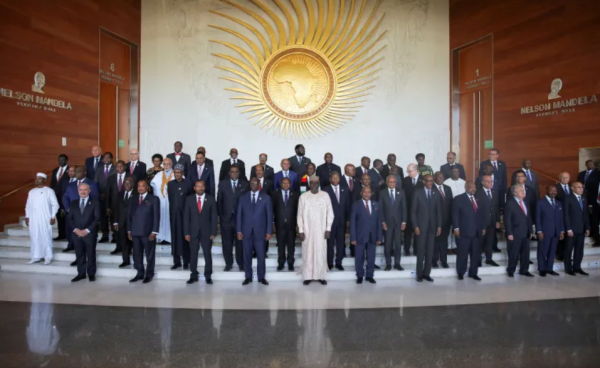
The dispute over Israel’s observer status to the bloc was set in motion in July 2021 when then-chair of the AU Commission, Moussa Faki Mahamat, accepted unilaterally the country’s accreditation [Tiksa Negeri/Reuters]
A Risky Gambit in a Fragile Region
Israel’s recognition of Somaliland is a stark illustration of a foreign policy built on the principle of “divide and influence.” It seeks short-term tactical advantage by undermining the sovereignty of Somalia and fueling regional fragmentation. However, this gambit carries significant long-term risks. By openly treating the disintegration of states as a policy tool, Israel further erodes its own standing under international law and galvanizes opposition among nations that see their own territorial integrity potentially under threat. In the fragile ecosystem of the Horn of Africa, such a move does not create a reliable ally in Somaliland; it sows the seeds for broader, unpredictable instability that ultimately threatens the security of all actors in the region.Loose Woven Stock Illustrations – 999 Loose Woven Stock Illustrations, Vectors & Clipart - DreamstimeIsrael’s recognition of Somaliland is the deliberate act of pulling at the threads of national unity
twitterlinkedininstagramflickrfoursquaremail
Posted on Leave a comment

Peace Through Power or Peace Through War? The Militarization of Trump’s Doctrine

Introduction: The doctrine of “peace through power” has been a cornerstone of statecraft since the Roman Empire. But under Donald Trump, this historical concept has been reshaped into a tool for aggressive, unilateral action. This analysis argues that Trump’s version of the doctrine has not guaranteed peace but has instead fueled instability, humanitarian crises, and the erosion of international institutions, effectively becoming a doctrine of “peace through war.”

Roman Legionary - World History Encyclopedia
Note: The Roman legionary was a well-trained and disciplined foot soldier, fighting as part of a professional well-organized unit, the legion (Latin: legio), established by the Marian Reforms. While major tactical changes appeared during the final days of the Roman Republic and the early days of the Roman Empire, Roman armor and weapons, albeit with minor adaptations, remained simple.

From Hadrian’s Wall to the Cold War
The roots of “peace through power” run deep. The Roman Emperor Hadrian operationalized it by building his famous wall—a symbol of military strength meant to deter attacks and secure the empire’s borders. In modern times, U.S. leaders like Dwight Eisenhower and Ronald Reagan adopted this logic. Reagan, in particular, brought it to a crescendo during the Cold War, using massive defense budgets and arms superiority as a deterrent against the Soviet Union. The goal was to prevent war through undeniable strength.

President Trump will kick off Army's 250th birthday celebrations Tuesday at Fort Bragg - ABC7 Los Angeles
Trump kicks off Army’s 250th birthday celebrations at Fort Bragg, says he’ll restore base names

The Trump Transformation: From Deterrence to Aggression
Donald Trump has co-opted the phrase “peace through power,” but his application marks a significant shift. His policies have moved beyond deterrence towards what can be called “peace through aggressive military power.” This approach relies on:

  • Maximum Pressure: Severe economic sanctions and embargoes.

  • Military Threats: Overt and covert threats against adversaries.

  • Unilateral Action: Drone strikes and assassinations of key figures, such as Qasem Soleimani.

As Trump himself implied in a speech to the Israeli Knesset, his administration believed that military action (or its threat) was a necessary tool to force outcomes, like a peace agreement. This represents a fundamental change: military power is no longer just a shield for defense, but a sword to impose will.

The Destructive Age of Urban Warfare; or, How to Kill a City and How to Protect It
Note: Combat in urban areas is the most destructive type of warfare imaginable. Densely populated terrain, complex systems of systems that support human life, military weapons not optimized to these conditions, and asymmetric close-quarters battle tactics all make warfare in cities unforgiving for combatants, noncombatants, and cities alike. The unintentional—and at times intentional—destruction of the physical terrain, populations, and infrastructure of cities during combat leave effects that can be felt for generations.

The Cost of Militarism: Five Critical Failures
The real-world consequences of this aggressive doctrine reveal its profound flaws:

  1. It Fuels Instability, Not Security: Rather than preventing conflict, relentless threats and militarism spark arms races and regional tensions, creating a more volatile world.

  2. It Diverts Vital Resources: The trillions spent on expanding an already massive military budget are funds stripped from domestic needs like healthcare, education, and infrastructure, weakening the social fabric at home.

  3. It Erodes American Credibility: Unilateralism and constant threats have alienated traditional allies, weakened multilateral institutions like the UN, and driven some nations closer to America’s competitors.

  4. It Creates Humanitarian Crises: Airstrikes in Yemen, assassinations, and sanctions have resulted in thousands of civilian casualties, painting America as a nation that disregards international law and human rights.

  5. It Embraces Divisive Nationalism: The doctrine is often paired with a rhetoric of extreme nationalism, which deepens social divisions at home and exacerbates cultural and racial tensions abroad.

    Flags Handshake Stock Illustrations – 3,438 Flags Handshake Stock Illustrations, Vectors & Clipart - Dreamstime
    Note: A handshake between nations is a powerful symbol of peace and a commitment to cooperation, with its roots in showing peaceful intentions by demonstrating one is unarmed. While a handshake alone doesn’t guarantee peace, it is a crucial first step in a diplomatic process that can solidify agreements, build trust, and signify the end of conflict. It represents a mutual understanding and a desire for unity and collaboration.

Conclusion: The Need for a New Path
The “doctrine of peace through power” has been implemented under Trump in a way that guarantees the very opposite of peace. By choosing coercion over diplomacy and unilateral force over multilateral cooperation, this approach has damaged global stability and America’s moral standing. The world does not need more militarism. A secure and prosperous future must be built on the foundations of diplomacy, respect for international law, and genuine cooperation. The alternative—a path of endless conflict—is no path to peace at all.

Nationalism is blamed for this century’s wars, but nationalism need not mean militarism. And the nation-state has been the laboratory of liberty.

twitterlinkedininstagramflickrfoursquaremail