
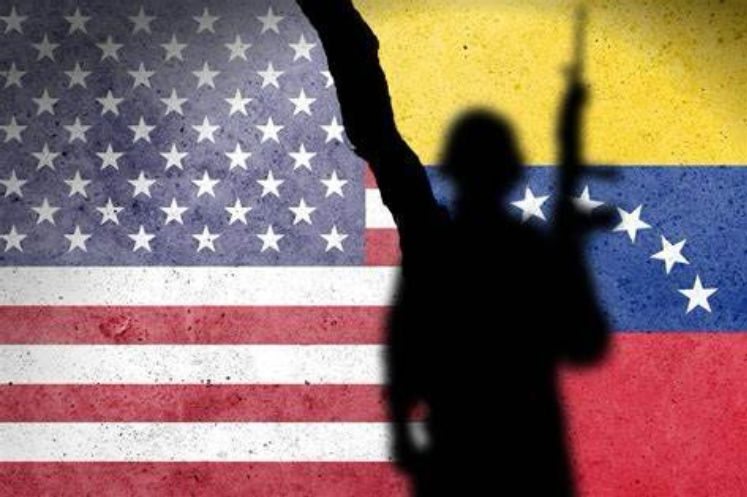
The recent U.S. media speculation about appointing Senator Marco Rubio as “Governor of Venezuela” is more than political gossip. It is a stark revelation of a new imperial blueprint. This title, dripping with colonial history, unveils a modern strategy: corporate-style colonization. The goal is no longer direct military occupation, but indirect control through economic stake holding, remote governance, and the financial takeover of a nation’s resources. In this model, Venezuela is not treated as a sovereign state, but as a company to be restructured, with its oil as the prime asset and its people as a liability to be managed.

The “Governor” as Corporate Executive
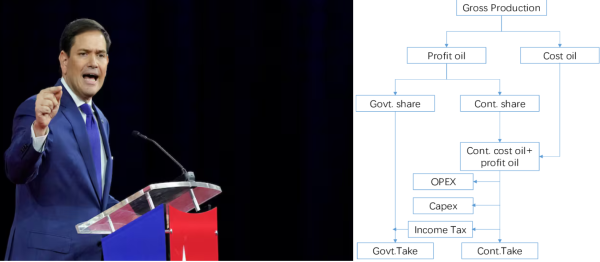
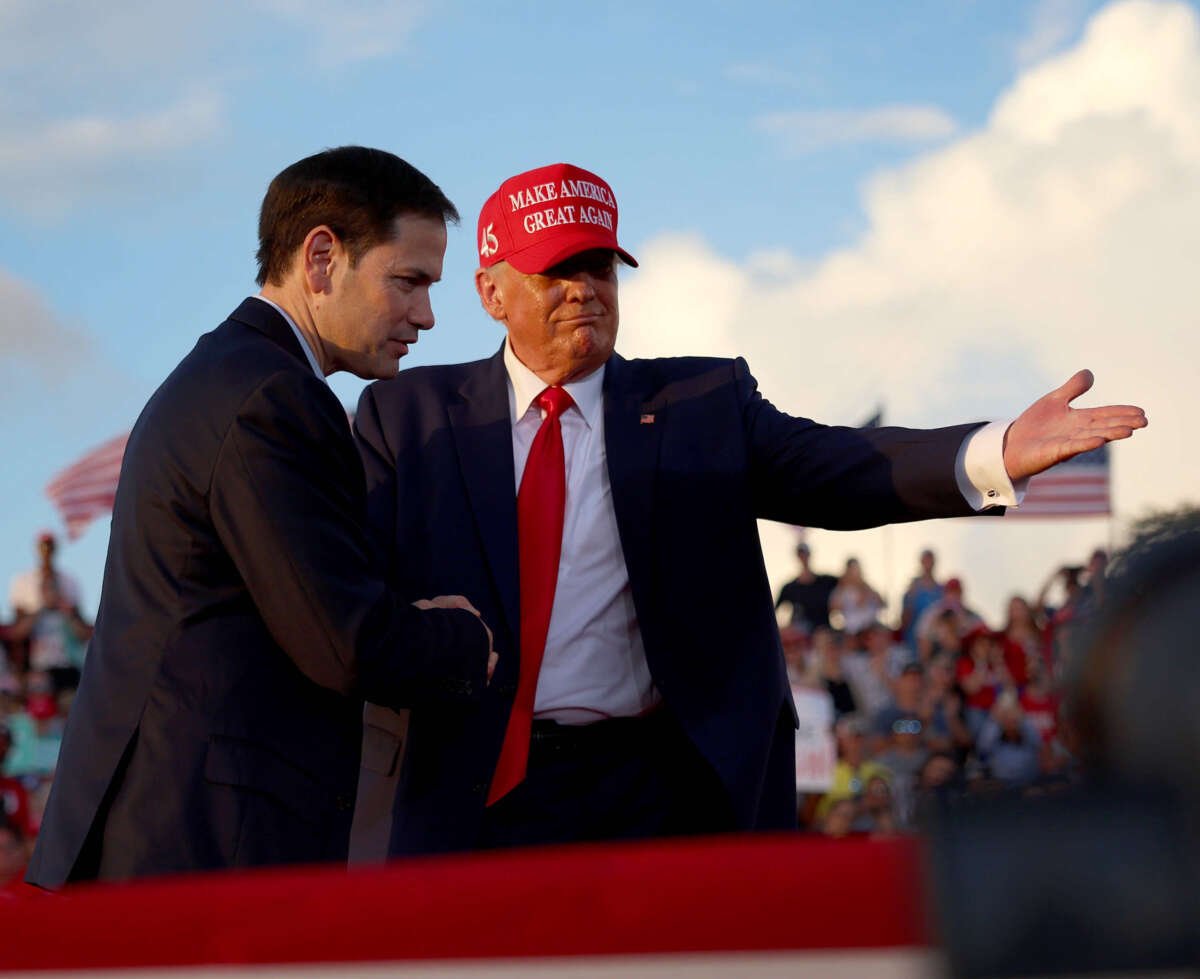
Marco Rubio is framed not as a diplomat, but as the ideal candidate for this role—a fluent Spanish speaker with a decade-long record of working to overthrow Venezuela’s government. The title “Governor” signifies a shift in U.S. tactics. After costly failures in Vietnam, Iraq, and Afghanistan, America seeks a “more convenient” method. The plan is remote control through major shareholding. Like a dominant stakeholder in a corporation, the U.S. aims to dictate strategic direction, participate in revenue distribution (especially oil profits), and install a subordinate management (a compliant government), all without the burden of day-to-day direct administration.
The Tools of Takeover: Sanctions, Blockades, and Financial Strangulation
This new colonialism operates through non-military, yet equally devastating, means. The U.S. employs:
-
Financial Sanctions: Cutting off access to global capital.
-
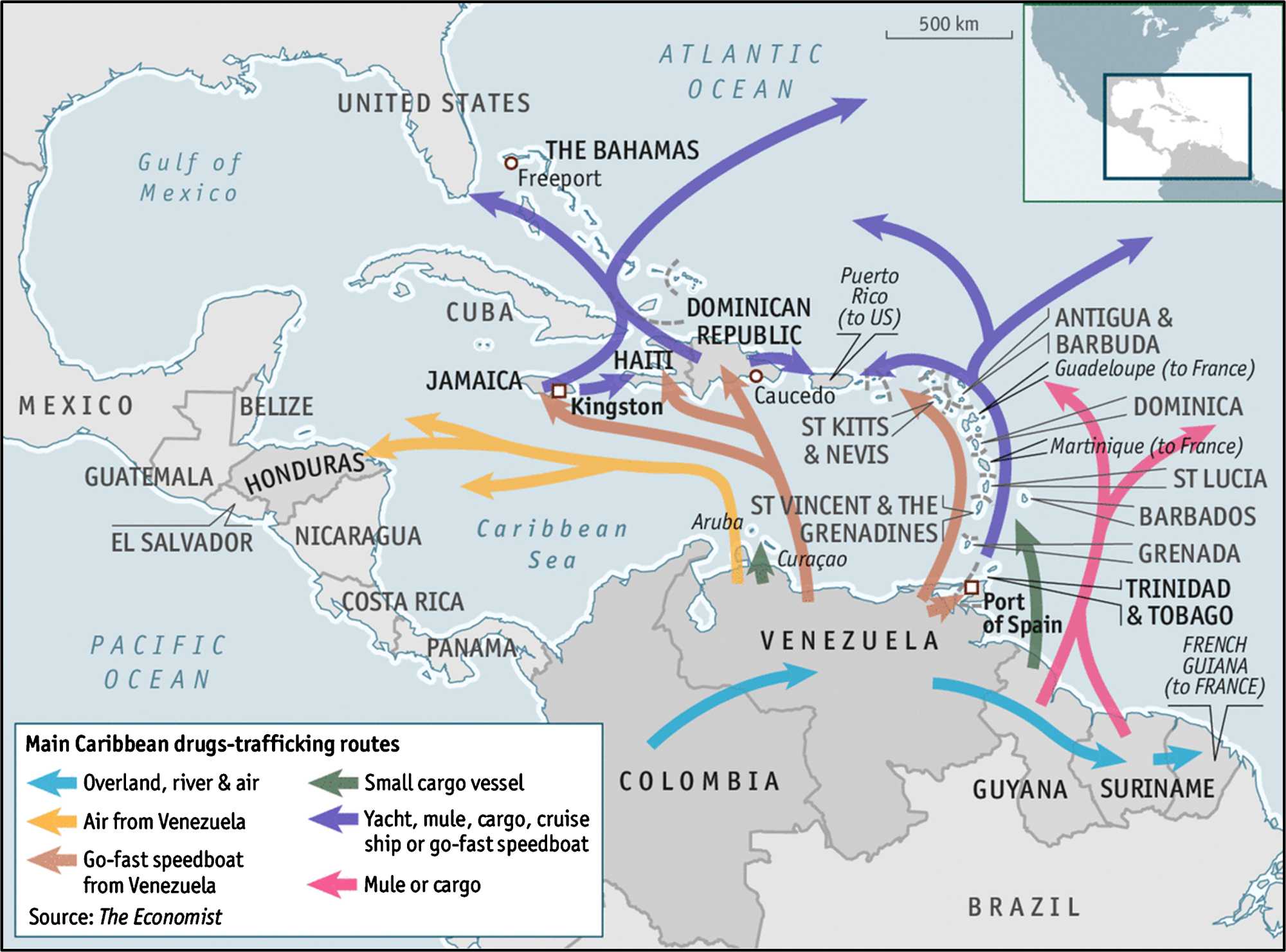
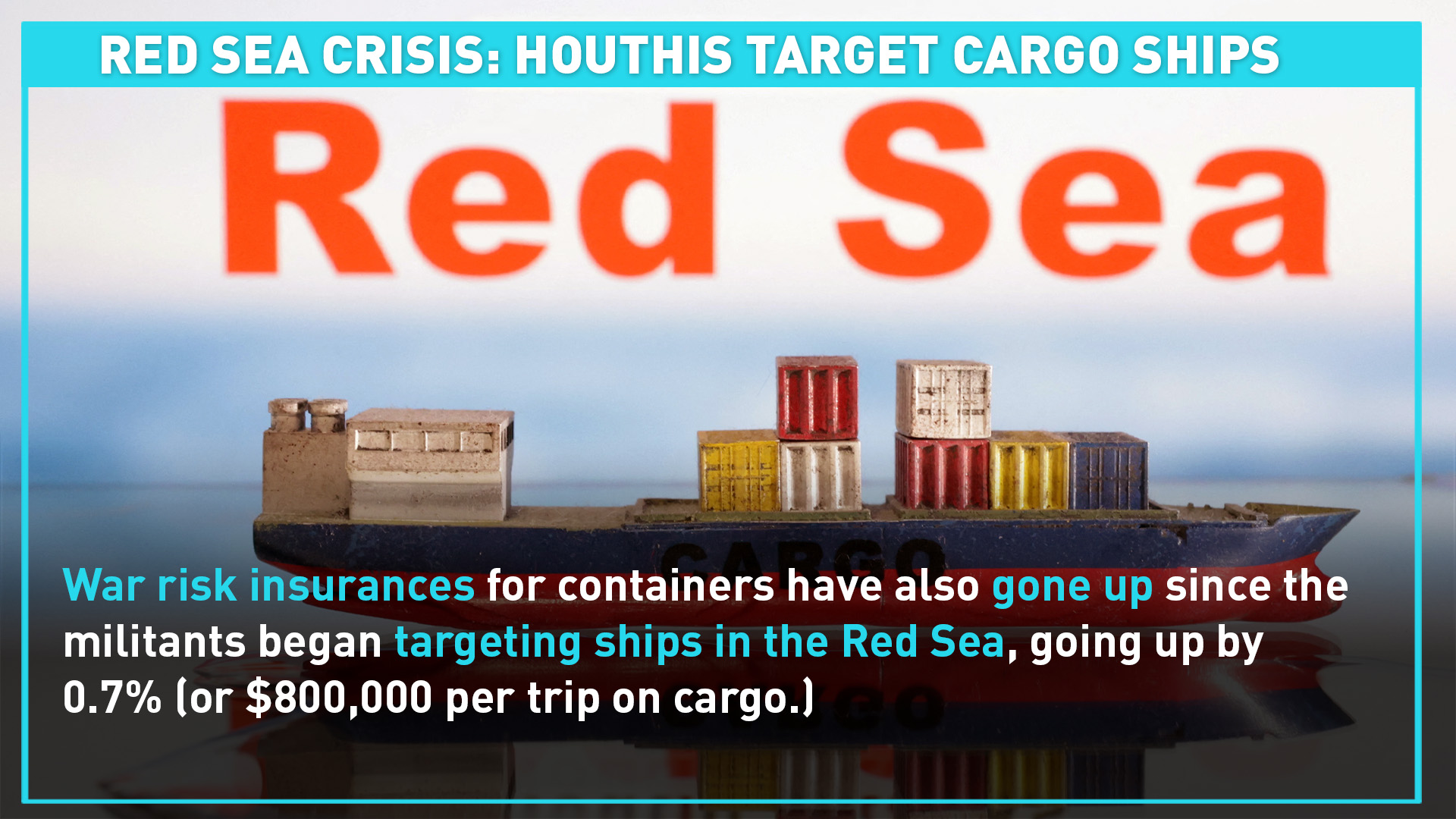
Maritime Blockades: Threatening and isolating oil tankers to cripple exports.
-
Judicial Persecution: Using international law as a weapon.
This creates an “invisible siege.” A tanker carrying Venezuelan oil can be denied insurance and barred from ports worldwide, quietly strangling the nation’s economy. As the letter from Venezuela’s interim president requesting a “balanced relationship” shows, this pressure is palpable and overwhelming—a forced surrender to external economic control.

The “Company-State”: A Dangerous Precedent for the World
This model reframes the very concept of the nation-state. An independent country becomes a “company-state,” where its resources and territory are assets, its social issues are liabilities, and its sovereignty is subordinate to the will of the “controlling stakeholder.” The Venezuelan case sets a dangerous precedent, signaling to all resource-rich nations—especially in the Global South—that they risk being viewed not as homelands for their people, but as “asset baskets” for foreign powers to control.

Sovereignty at a Crossroads in the Corporate Age
Faced with this new corporate colonialism, nations are left with a grim choice:
-
Acquiesce: Submit to the model to retain limited, conditional benefits.
-
Resist: Forge a defensive path through strengthened South-South cooperation, building alternative financial and trade systems to counter hegemonic control.
Either path carries a heavy cost. Marco Rubio may never hold the official title, but the concept of a “Governor” has exposed the cold, transactional logic of 21st-century imperialism. This is not a return to 19th-century colonialism, but a carefully packaged, complex interventionism for the corporate age. The world now watches to see if this model of remote, financial governance will succeed—and whether sovereign nations can find a way to defend their destiny against the ledger books of a new empire.
















 Israel’s recognition of Somaliland is the deliberate act of pulling at the threads of national unity